South Korea 12-Day Luxury Itinerary: Seoul, Busan, Gyeongju, Jeonju & Jeju Island
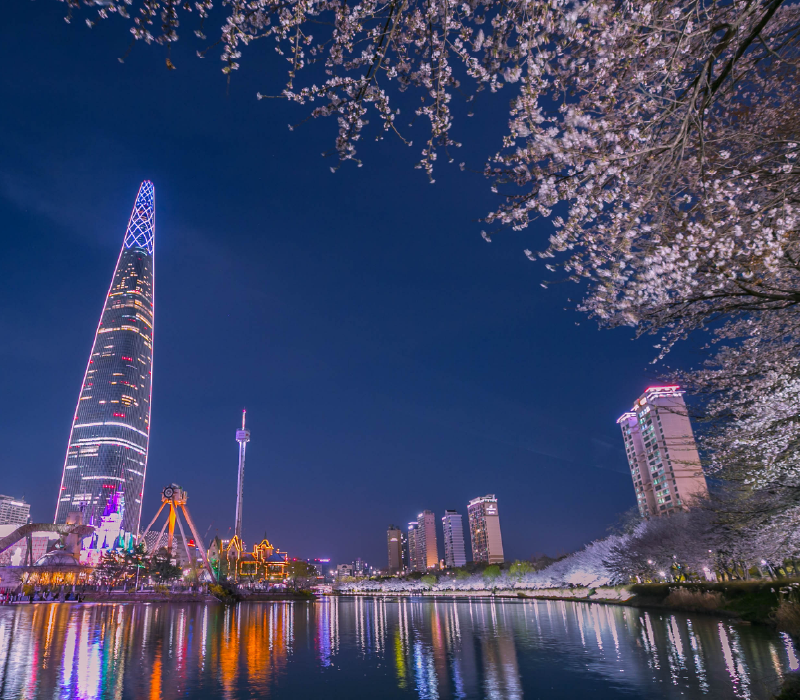
A beautifully designed trip to South Korea can feel both cinematic and deeply calming — especially when you're traveling for comfort, meaning, and quiet privilege. This guide is designed for travelers seeking a 12-day itinerary that flows seamlessly from Seoul to the coast and back into nature, without wasting time on guesswork.
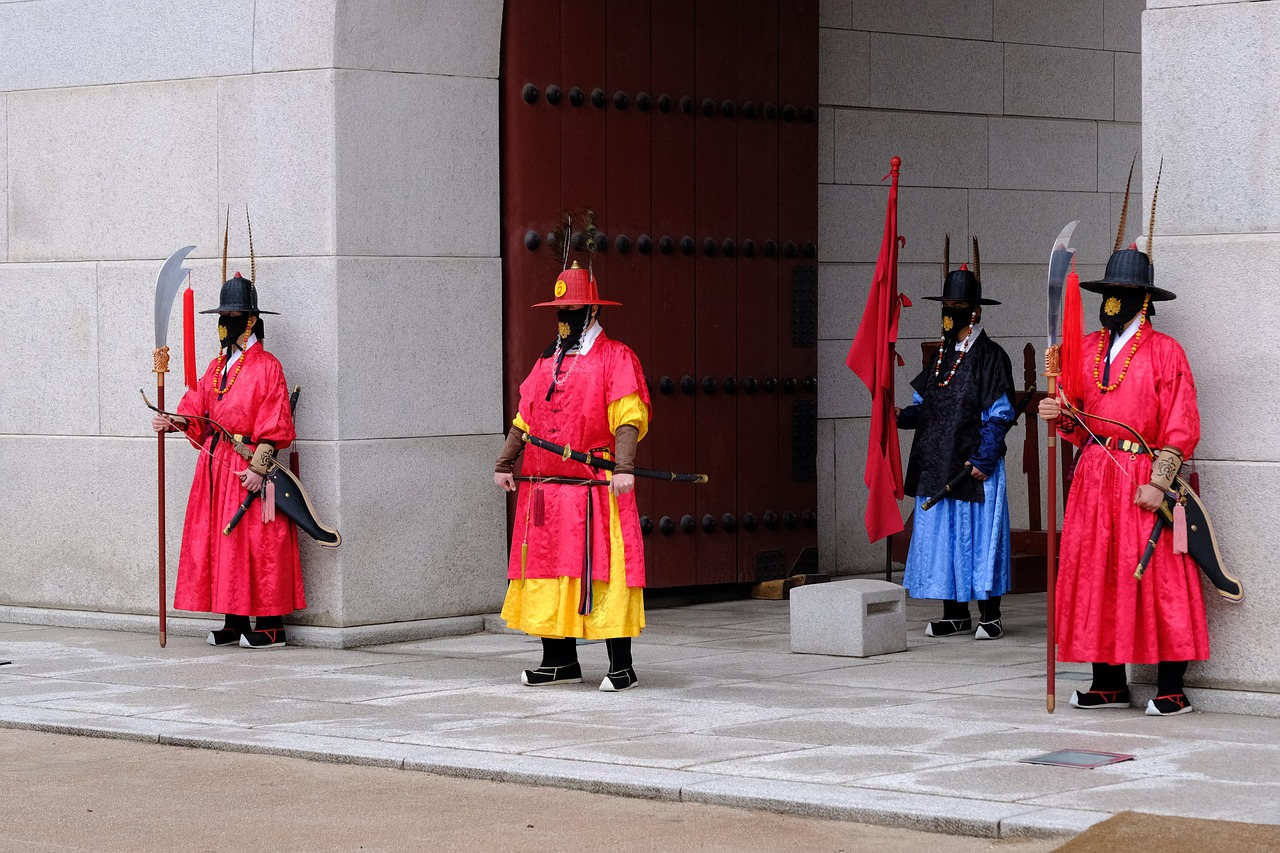
Imagine the royal guard changing ceremony at Gyeongbokgung Palace, an early-morning walk before the city fully wakes, and a seamless arrival via Incheon with private transfer support. You'll discover when to go, how to book elevated experiences, and how to explore with confidence and care.
Best Time to Visit South Korea
Peak Seasons
| Season | Months | Highlights |
|---|---|---|
| Cherry Blossom | April–June | Crisp mornings, pink blossoms, photogenic streets |
| Autumn Foliage | September–November | Mild weather, clearer scenic views, colorful mountains |
These windows also feel calmer in premium neighborhoods and at high-demand restaurants, where atmosphere matters as much as access.
Off-Peak Considerations
- Winter: Seoul's interiors — galleries, tea rooms, refined dining — become part of the charm
- Summer: Can be humid and busy; consider indoor cultural experiences
If you're traveling with designer pieces, planned photoshoots, or a preference for long walks, shoulder seasons tend to be most forgiving.
Practical Tips for South Korea
Payments & Money
- Tap-to-pay works in most places
- Keep Korean Won cash for artisan stalls, street snacks, and small vendors
- Exchange at banks or airports for best rates
Comfort & Etiquette
- Wear supportive footwear for palace courtyards and stair-heavy neighborhoods
- A slight bow when greeting shows respect
- Remove shoes in homes and many hanok spaces
- Dress modestly at temples; bring layers (interiors can be cool)
Arrival at Incheon
Landing at Incheon should feel like the first exhale of your holiday. Consider:
- Private transfer for door-to-door calm (especially arriving late or with luggage)
- Luxury limousine bus — reliable and cost-effective for central Seoul
- Book transfers early so your first evening feels seamless
12-Day Itinerary Overview
| Days | Destination | Theme |
|---|---|---|
| 1–3 | Seoul | Royal heritage, design districts, Michelin dining |
| 4 | DMZ | Perspective and reflection |
| 5–7 | Busan | Coastal energy, temples, spa culture |
| 8 | Gyeongju | Ancient Silla capital, UNESCO sites |
| 9 | Jeonju | Hanok village, craft, cuisine |
| 10–12 | Jeju Island | Nature, volcanic landscapes, restoration |
Days 1–3: Seoul — Royal Heritage & Design Districts
Day 1: Gyeongbokgung Palace & Bukchon Hanok Village
Morning: Gyeongbokgung at Dawn
A private guided tour at dawn gives you a profound sense of Korea's royal heritage without the crowds. In those early minutes, the air is cooler, the stones feel almost hushed, and the guide's storytelling lands with more clarity.
Highlight: Plan your visit around the Royal Guard Changing Ceremony — ceremonial, colorful, and unexpectedly moving when standing quietly at the edges.
Optional: Rent a hanbok for portraits. When done thoughtfully, it feels less like a costume and more like a crafted way to step into history.
Afternoon: Bukchon Hanok Village
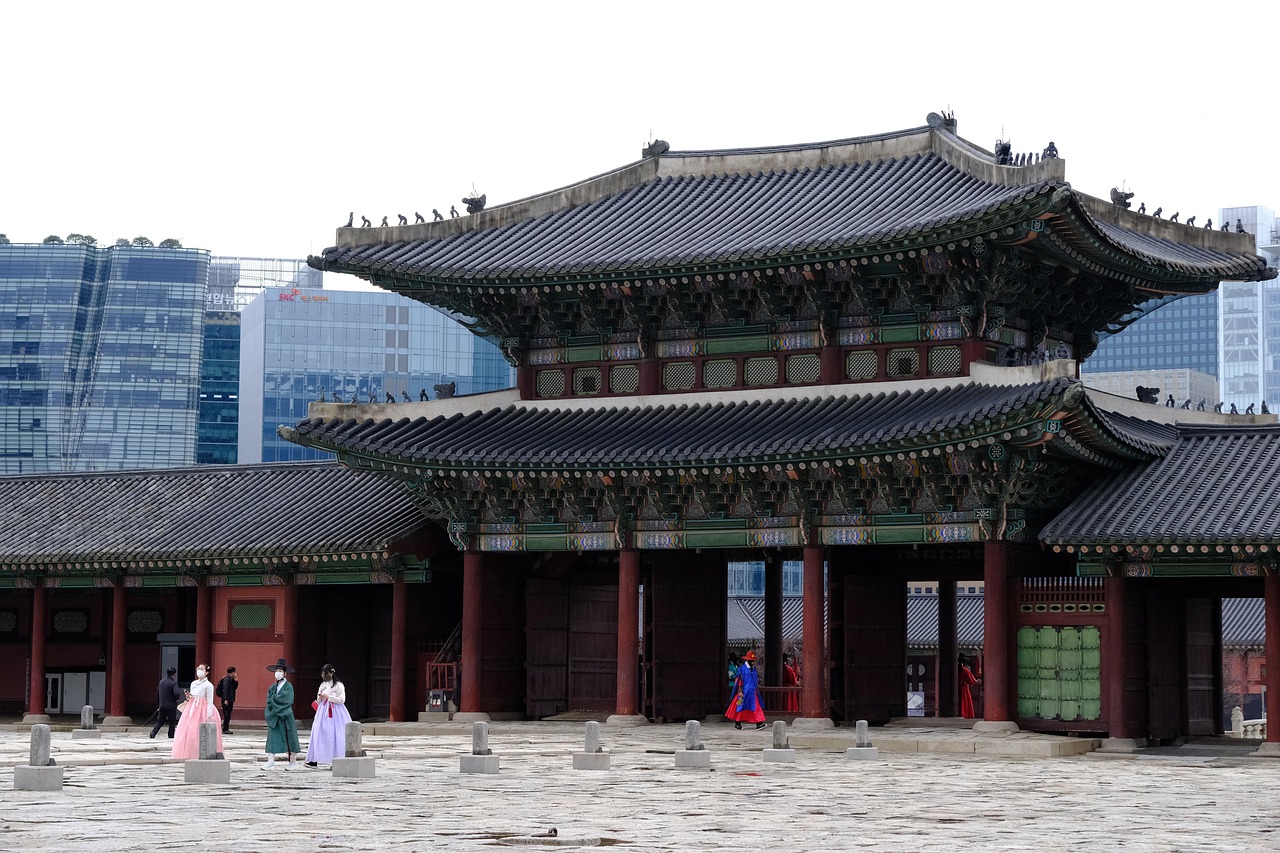
This is a living neighborhood, not a museum set. Its lanes are photogenic, but the most meaningful way to explore is with soft voices, slower steps, and an awareness of private homes. Traditional Korean architecture sits beside modern Seoul, and the mix feels natural.
Evening: Cheonggyecheon Stream
Take a restorative pause — even fifteen minutes here can reset your nervous system before dinner.
Day 2: Jogyesa Temple & Seoul Style Districts
Morning: Jogyesa Temple
Consider a temple stay or morning visit at Seoul's main Buddhist temple. Visitors describe the warm hospitality as transformational — peaceful mornings, mindful meditation, and tea ceremonies that feel genuine rather than performative.
Afternoon: Garosu-gil
Seoul's design-forward district where boutiques sit alongside galleries and chic cafés. Choose a few anchors — one standout store, one gallery, one slow coffee — then allow time to drift.
Evening: Insadong
The charm is in the side streets. Discover hidden galleries, small ateliers where cultural authenticity and high-end taste meet. Pause for a traditional tea ceremony in a hanok teahouse — one couple told us it became the moment they felt most connected to Korean culture.
Day 3: Michelin Dining & Optional Districts
Afternoon Options:
- Myeongdong — polished beauty shopping
- Hongdae — contemporary creativity
- Namsan — observatory views turning city lights cinematic
Evening: Michelin-Starred Korean Cuisine
Book ahead for the most sought-after seatings. Confirm dietary preferences in advance so the experience feels personalized.
Signature Dish: Jeonbokjuk (abalone porridge) — sea-sweet and deeply comforting, made even better by thoughtful pacing and attentive service.
Day 4: DMZ Day Trip — A Private, Context-Rich Excursion
A private day trip to the DMZ adds depth to your itinerary in a way that feels thoughtful rather than heavy. This is a respectful look at the demilitarised zone, approached with sensitivity and clear context.
Why Choose a Private Guide
For comfort and clarity, choose a private experience with an expert who can translate not only language, but nuance. A well-designed experience keeps the day calm: private transport, timed entry, and a guide who can explain complex history without spectacle.
What to Bring
- Passport (if required by operator)
- Water and a light layer for breezier viewpoints
- Comfortable shoes and understated clothing
- Depart early for smoother security checkpoints
Emotionally, many visitors report a renewed sense of empathy — an understanding of resilience and a deeper trust in the everyday peace that makes travel possible.
Days 5–7: Busan — Coastal Counterpoint
Day 5: Arrival & First Impressions
Arrive by KTX high-speed train from Seoul (2.5 hours) — the transition feels effortless.
Afternoon:
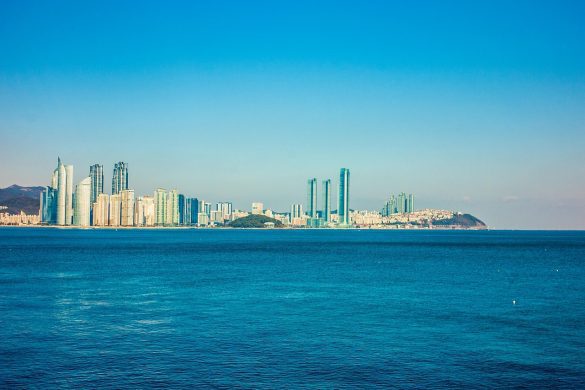
- Haeundae Beach — scenic coastal walk
- Jagalchi Fish Market — one sensory hour to absorb the energy
Evening:
- Gamcheon Culture Village — colorful hillside neighborhood, best with relaxed pace and attention to small details
Day 6: Temples, Cable Car & Spa
Morning: Haedong Yonggungsa Temple — begin with a gentle temple moment by the sea
Afternoon:
- Songdo Marine Cable Car — beautiful perspective over the coastline
- Optional: Bay cruise at golden hour
Evening: Spa Land Centum City — elegant way to unwind after consecutive travel days
Remember: You don't have to do everything. The most luxurious choice is often to do fewer things, more fully.
Day 7: Flexible Busan Day
Options based on your energy:
- Explore Busan's modern architecture
- Additional temple visits
- Beach time at Gwangalli
- Food market exploration
Day 8: Gyeongju — Korea's Ancient Capital
Gyeongju, as the capital of the Silla Kingdom, holds stories stretching back over a millennium. The landscape carries that weight with grace rather than gloom.
Must-Visit Sites
Bulguksa Temple UNESCO World Heritage Site where stonework and symmetry create a quiet, reverent rhythm. One of Korea's most important Buddhist temples.
Tumuli Park (Royal Tomb Complex) A landscape of grassy burial mounds creates an unflashy kind of awe — one that stays with you because it's so understated.
Photography Tip: Arrive early for softer light and fewer tour groups.
Day 9: Jeonju — Craftsmanship & Cuisine
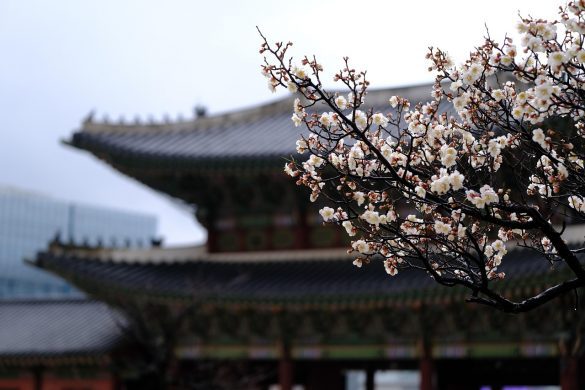
Jeonju is a perfect interlude for craftsmanship and Korean food, especially if you enjoy slow evenings in beautiful architecture.
Jeonju Hanok Village
A night near the village feels intimate and grounding. The traditional houses are beautifully preserved, and the area comes alive with cultural experiences.
Signature Dish: Bibimbap
Try bibimbap in the city that's most proud of it. Jeonju is considered the birthplace of this iconic dish — here it's an art form.
Accommodation Tip: Choose lodging set slightly back from the busiest lanes for better sleep.
Days 10–12: Jeju Island — Nature-Led Restoration
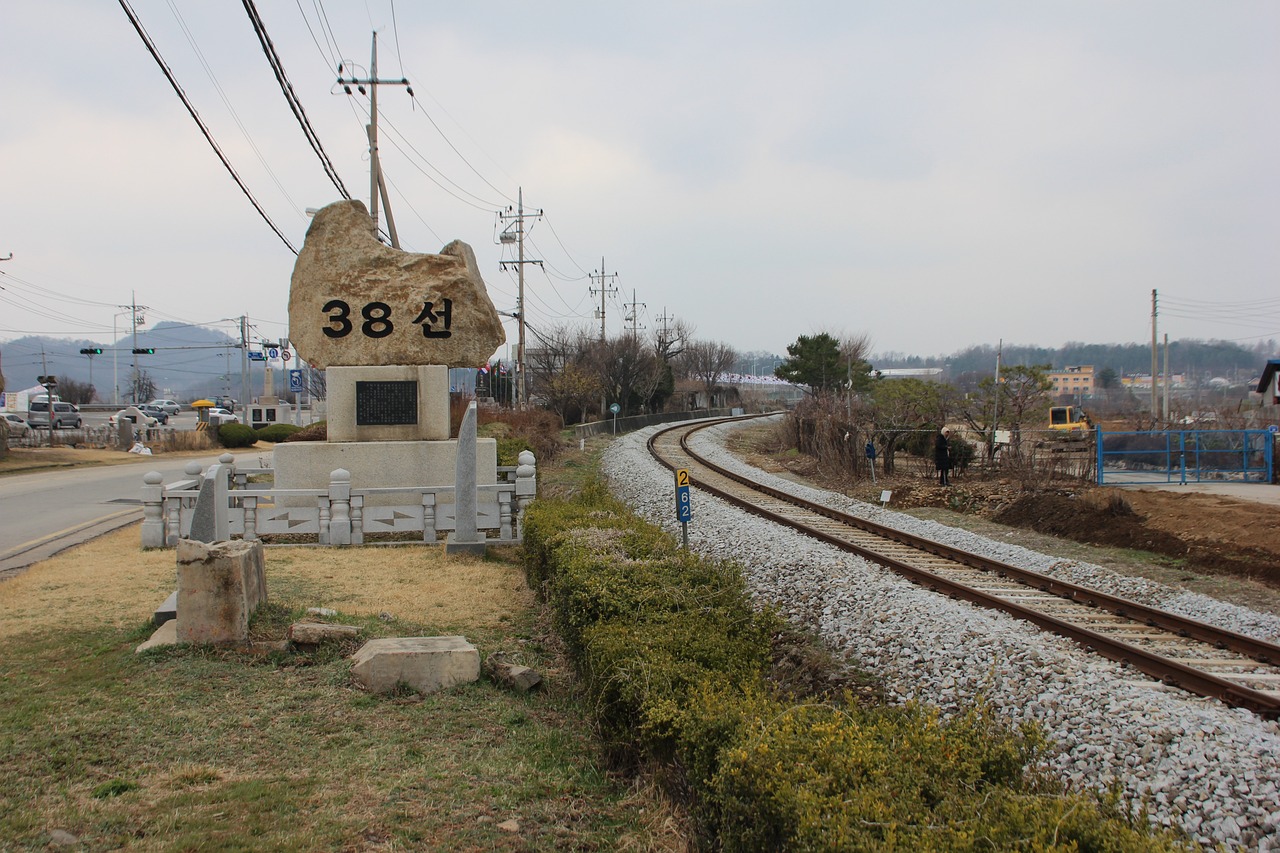
Jeju Island opens into wide skies and volcanic landscapes, with a softer pace that suits a restorative final stretch.
Day 10: Arrival & Seongsan Ilchulbong
Early Morning: Sunrise at Seongsan Ilchulbong (Sunrise Peak) can feel like a private ceremony with the horizon. This UNESCO World Heritage volcanic crater is one of Korea's most iconic natural sites.
Afternoon: Explore nearby coastal paths and local restaurants
Day 11: Volcanic Landscapes
Options:
- Manjanggul Lava Tube — one of the world's longest lava tubes
- Hallasan National Park — hike Korea's highest peak (for the ambitious)
- Olle Walking Trails — scenic coastal paths
Many travelers describe Jeju as "quietly wild" — shaped by wind, sea, and lava-formed coastlines.
Day 12: Final Morning & Departure
Give yourself time to simply walk, breathe, and reset before your departure.
Optional Extensions:
- Seoraksan National Park — exquisite mountain scenery
- Suncheon Bay — ecological wetlands Both are excellent nature additions for travelers wanting more green space.
What Stays With You After South Korea
South Korea travel reflections after a 12-day itinerary are rarely about a single landmark; they're about atmosphere.
It might be:
- The hush of palace stone at dawn
- The way Seoul's light turns gentle on the edges of tiled rooftops
- The kindness of a temple morning — a cup of tea placed in your hands with quiet care
- How you breathed more slowly without being told to
There's a particular harmony to South Korea's contrasts: old and new, fast and still, formal and warmly human. Korea's design is often in the details — how a door closes softly, how a meal is paced, how a guide waits while you take one more photograph.
Back home, you may find yourself remembering small gestures: a slight bow, the sound of water along a city stream, the calm of a Buddhist temple in the middle of a capital. Korea's ability to hold intensity and gentleness together can quietly reshape how you move through ordinary life — more attentive, more open, and more willing to let a moment be enough.
Quick Reference
Transportation
| Route | Method | Duration |
|---|---|---|
| Seoul → Busan | KTX High-Speed Rail | 2.5 hours |
| Busan → Gyeongju | Private car or local train | 1 hour |
| Gyeongju → Jeonju | Private car | 2.5 hours |
| Jeonju → Jeju | Fly from nearby airport | 1 hour |
Estimated Budget (Luxury Level)
| Category | Per Day |
|---|---|
| Accommodation (5-star) | $200–400 |
| Meals (fine dining) | $80–150 |
| Transport | $50–100 |
| Activities | $50–100 |
| Total | $380–750/day |
FAQ
Is 7 days enough for South Korea? Yes, for a focused experience concentrating on Seoul plus one region (Busan or Jeju). However, 10–12 days allows for a slower rhythm with more space for rest and unplanned moments.
What month is cheapest to fly to Korea? Late winter often has better-value airfares outside major holidays. Prices rise around cherry blossom season and autumn foliage weeks.
Is South Korea safe? Yes, generally considered very safe with excellent infrastructure. Follow normal travel precautions and check government advisories before travel.
Without trying to change you, South Korea can leave you with a slightly deeper trust in your own pace. 🇰🇷
Published: April 9, 2026