10 Reasons to Visit Kanazawa
Discover why Kanazawa should be your next destination in Japan - a city where centuries-old traditions meet cutting-edge modernity.
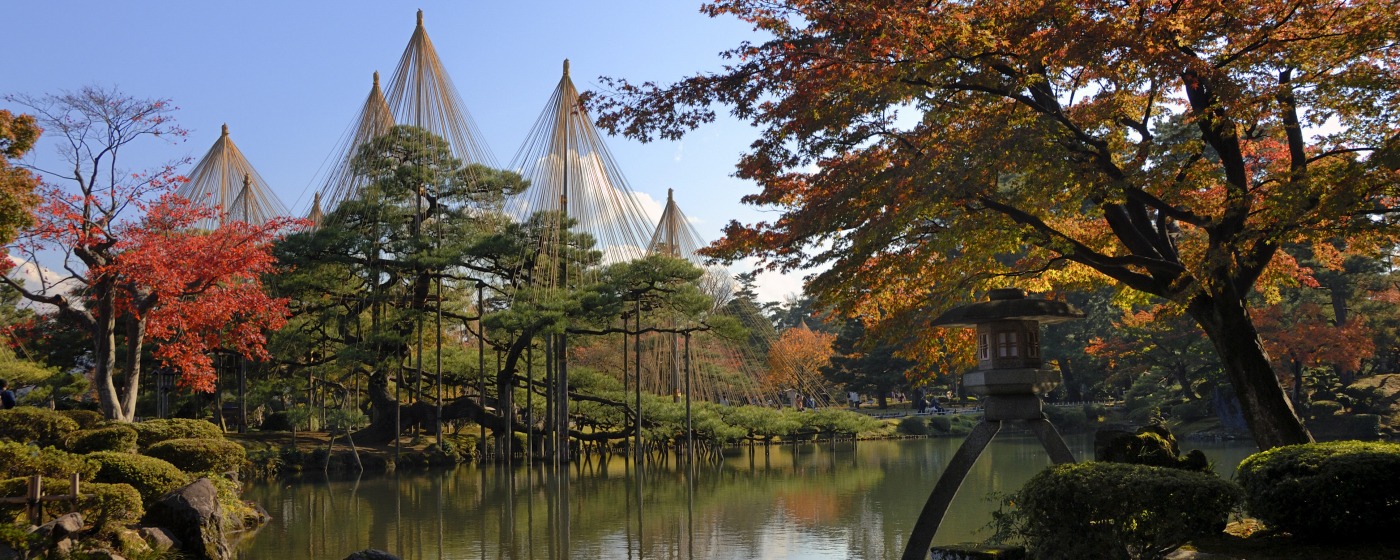
1) Excellent Transportation Links with Major Japanese Cities
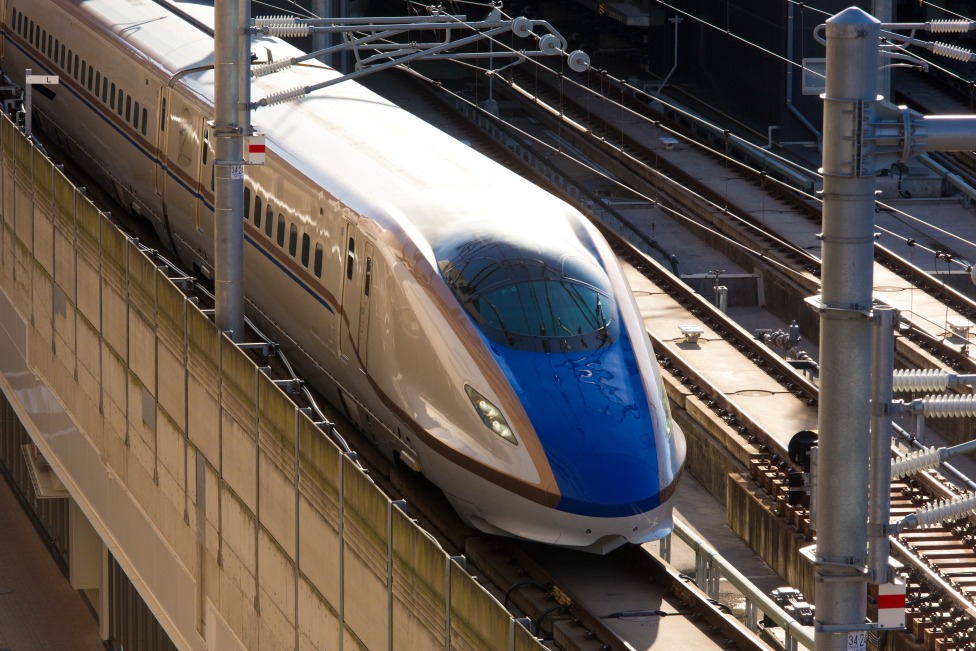
The Hokuriku Shinkansen super-express train connects Tokyo and Kanazawa in just 2.5 hours. Similarly, limited express trains link Kanazawa with the three major cities of Kyoto, Osaka, and Nagoya in approximately 2.5 hours, making Kanazawa easily accessible from all major hubs.
Using the Japan Rail Pass (available only to foreign visitors) or the Hokuriku Arch Pass, you can travel between Tokyo and Osaka via Kanazawa within 7 days, exploring cities across Tokyo, Kansai, and the Hokuriku region.
Related: Getting to Kanazawa
2) The Birthplace of 400 Years of Traditional Japanese Culture and Arts
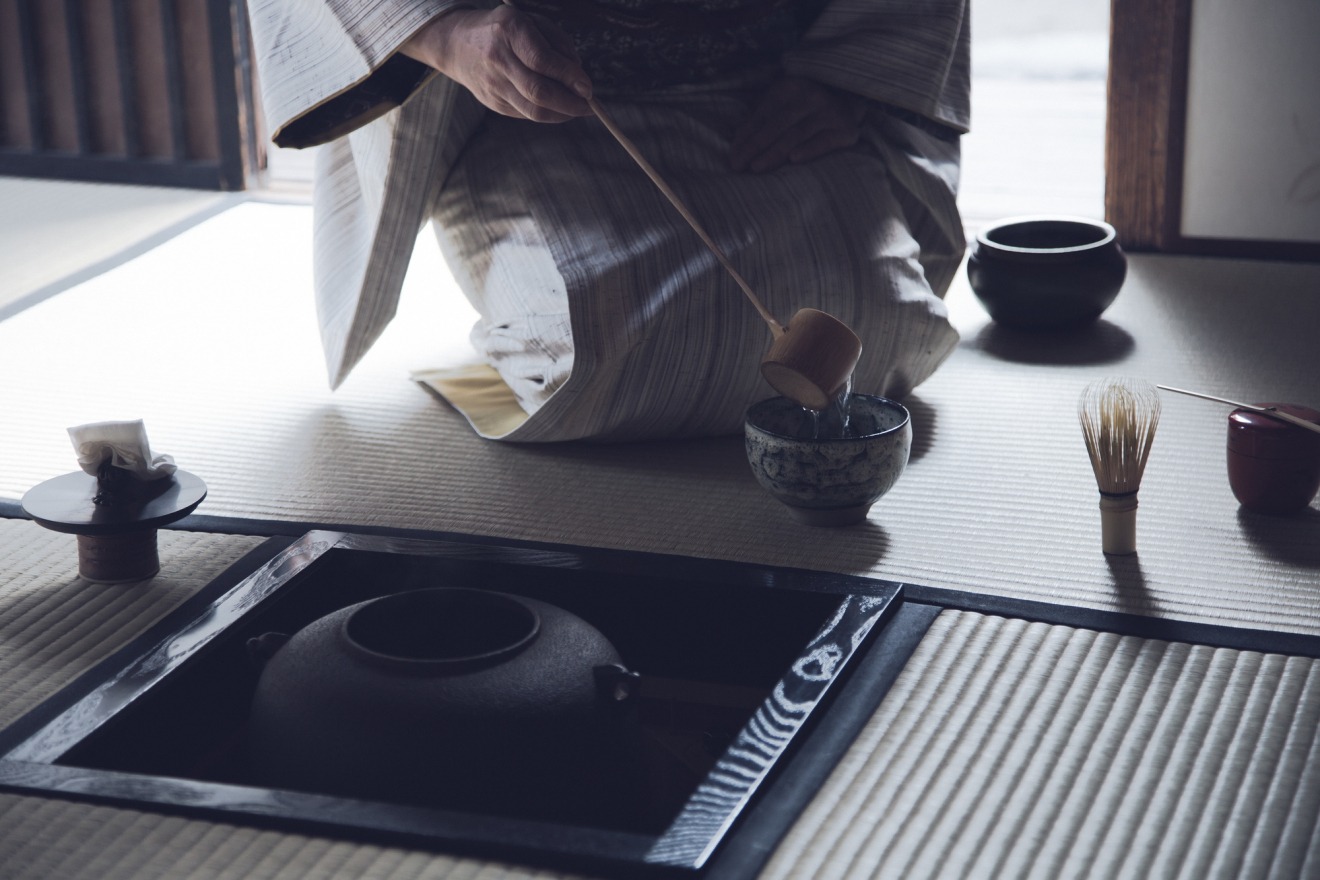
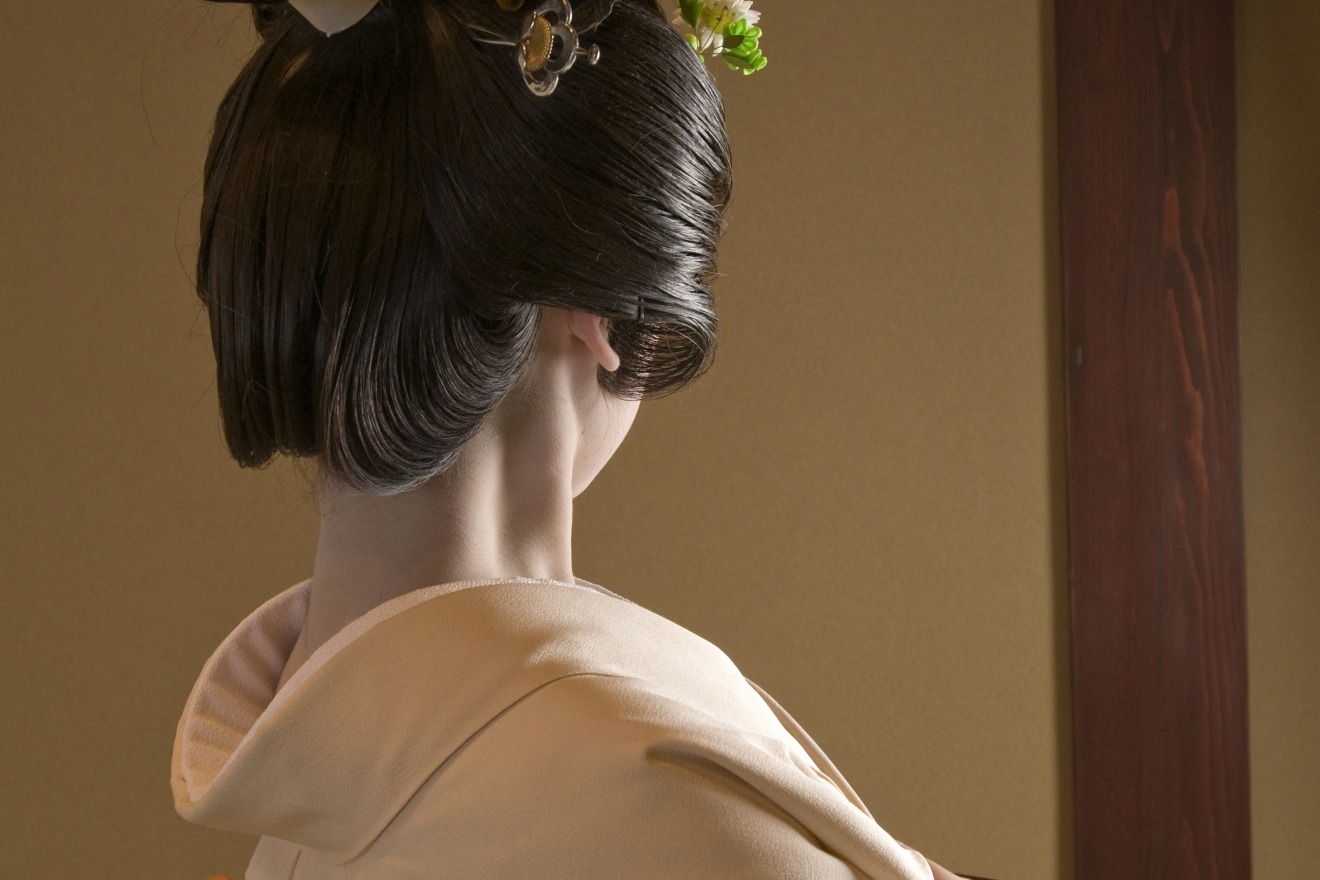
In the 17th century, successive lords of the Kaga Domain gathered highly skilled artisans from across Japan, establishing Kanazawa as the center for dozens of traditional crafts and arts. Elegant tea ceremonies, luxurious gold leaf decorations, and the refined skills of geisha - Japanese culture took root, blossomed, and flourished here, earning the city fame for its love of arts and crafts.
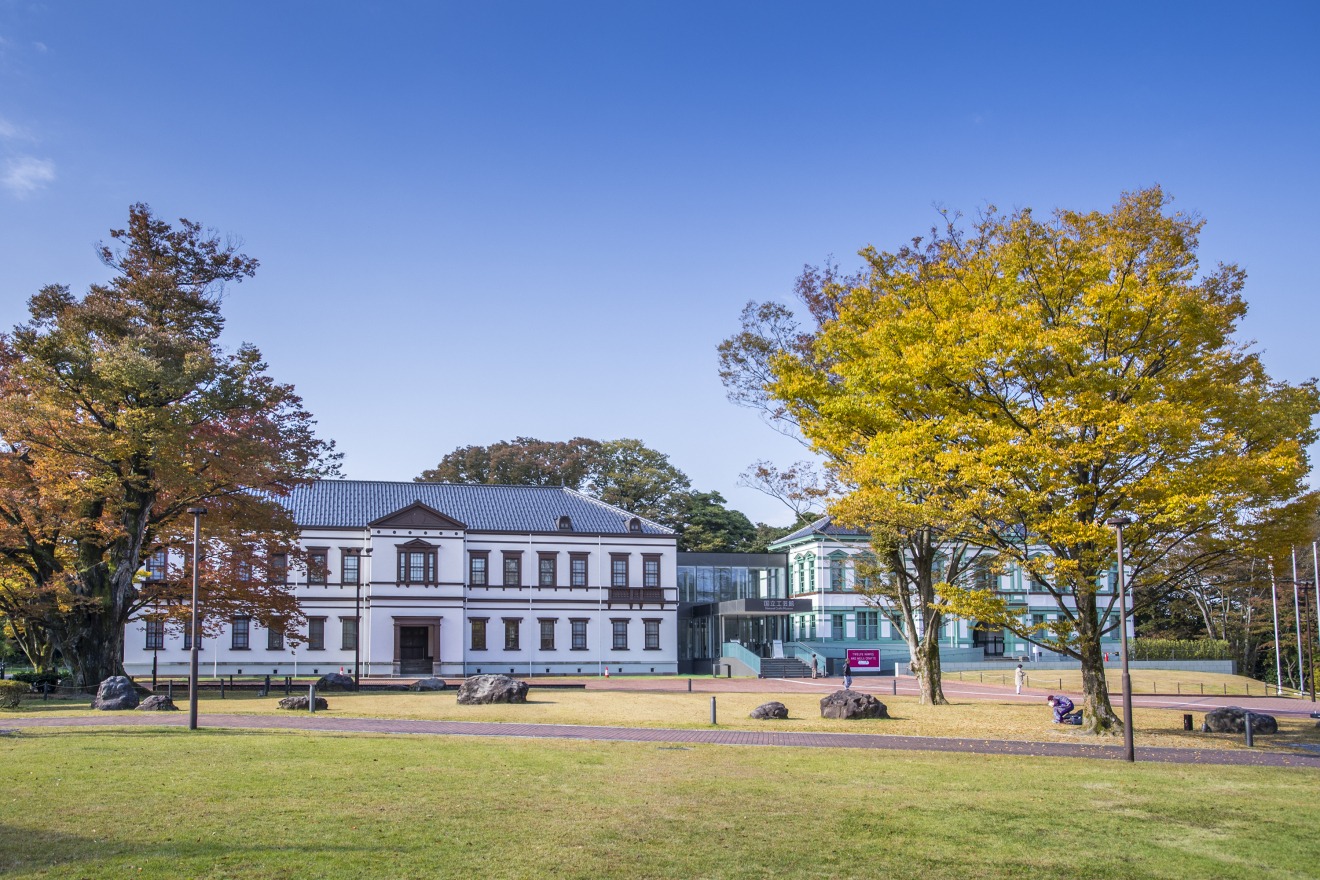
Kanazawa boasts a rich variety of art and craft museums, including the National Crafts Museum, relocated from Tokyo in 2020. In 2009, UNESCO designated Kanazawa as a Creative City for Crafts and Folk Art due to its outstanding achievements in the field. Beyond observation and learning, Kanazawa offers numerous opportunities to personally experience Japanese culture - from wearing gorgeous Kaga Yuzen kimono to hands-on cooking classes for local Kaga cuisine.
Related:
- How Kanazawa Became Japan's Elegant Cultural Capital
- Kanazawa: Center of Traditional Crafts
- Experience Traditional Japanese Crafts!
- Must-Try in Kanazawa: Gold Leaf Experience
3) Traditional Culture, Arts, and Crafts are Nurtured and Preserved
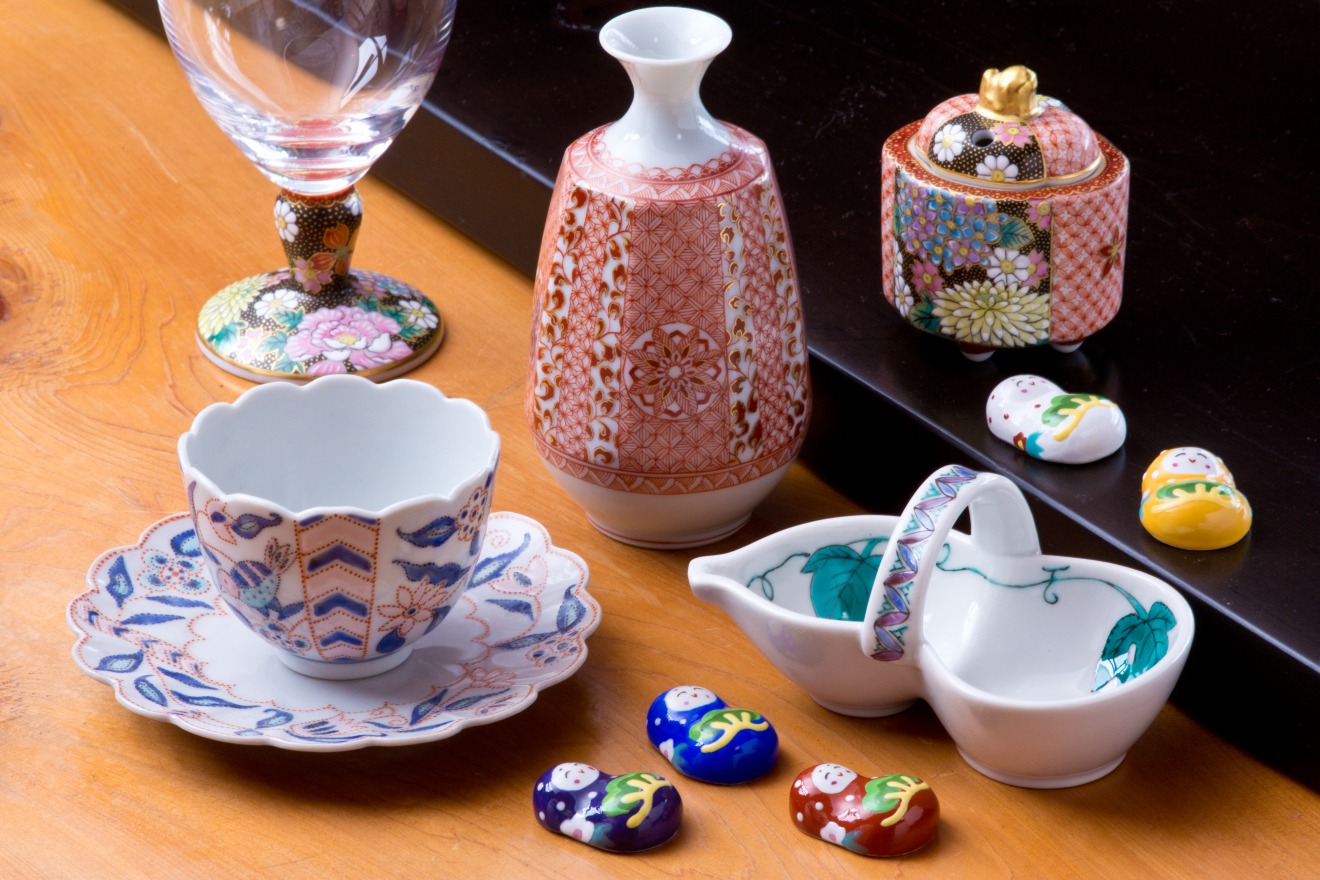
In modern society, demand for many traditional crafts has declined, leading to a sharp decrease in artisan numbers, with some traditional crafts facing the crisis of disappearing altogether. Kanazawa is home to numerous outstanding craftspeople and tradition-minded individuals who take responsibility for ensuring these endangered traditional techniques are promoted and preserved.
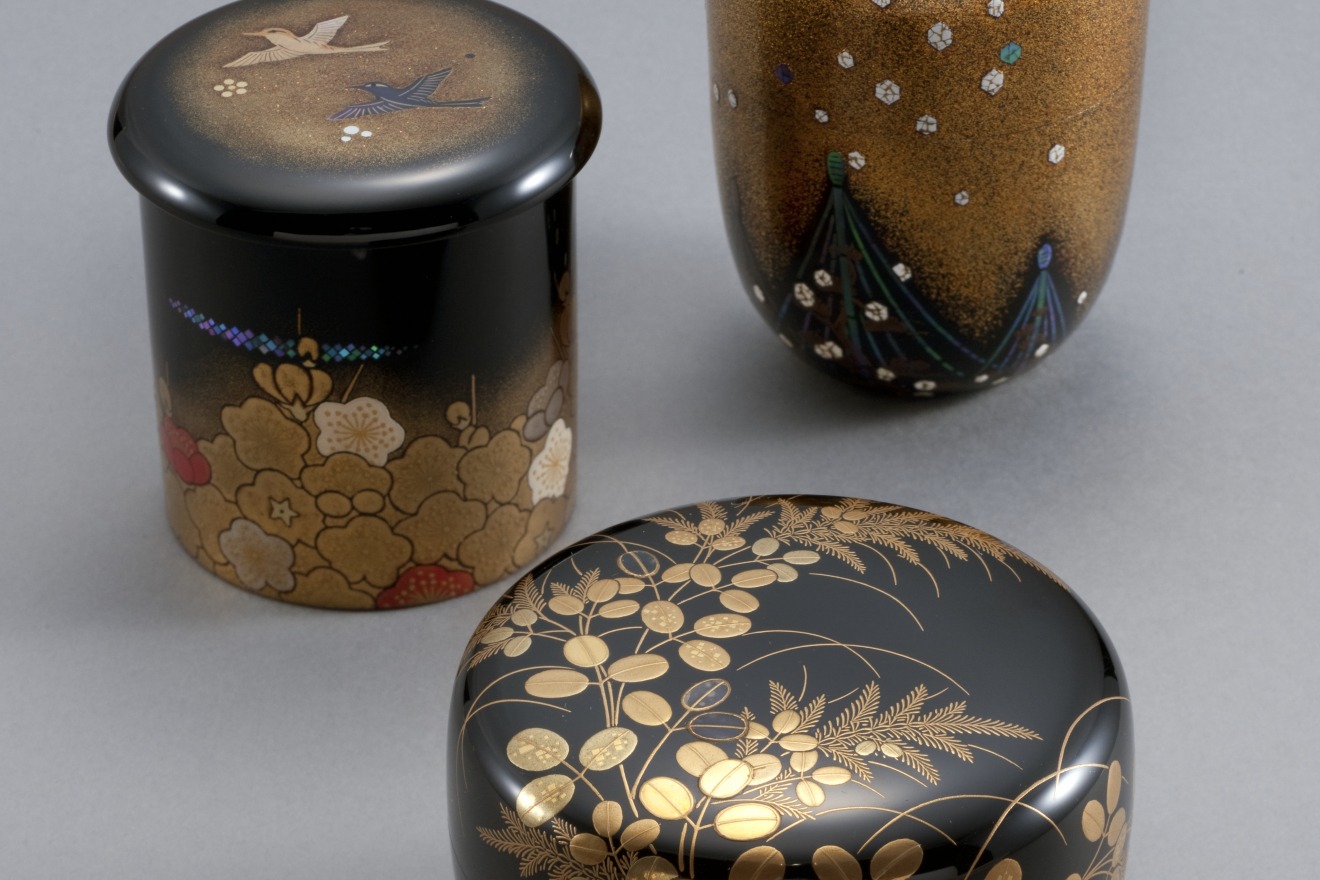
Moreover, many artisans create innovative products using traditional crafts, carrying ancient handicrafts into the present day.
Related:
- Kanazawa: Center of Traditional Crafts
- Kanazawa's Dedication to Protecting and Promoting Japanese Traditional Culture
4) A True Castle Town - Kanazawa
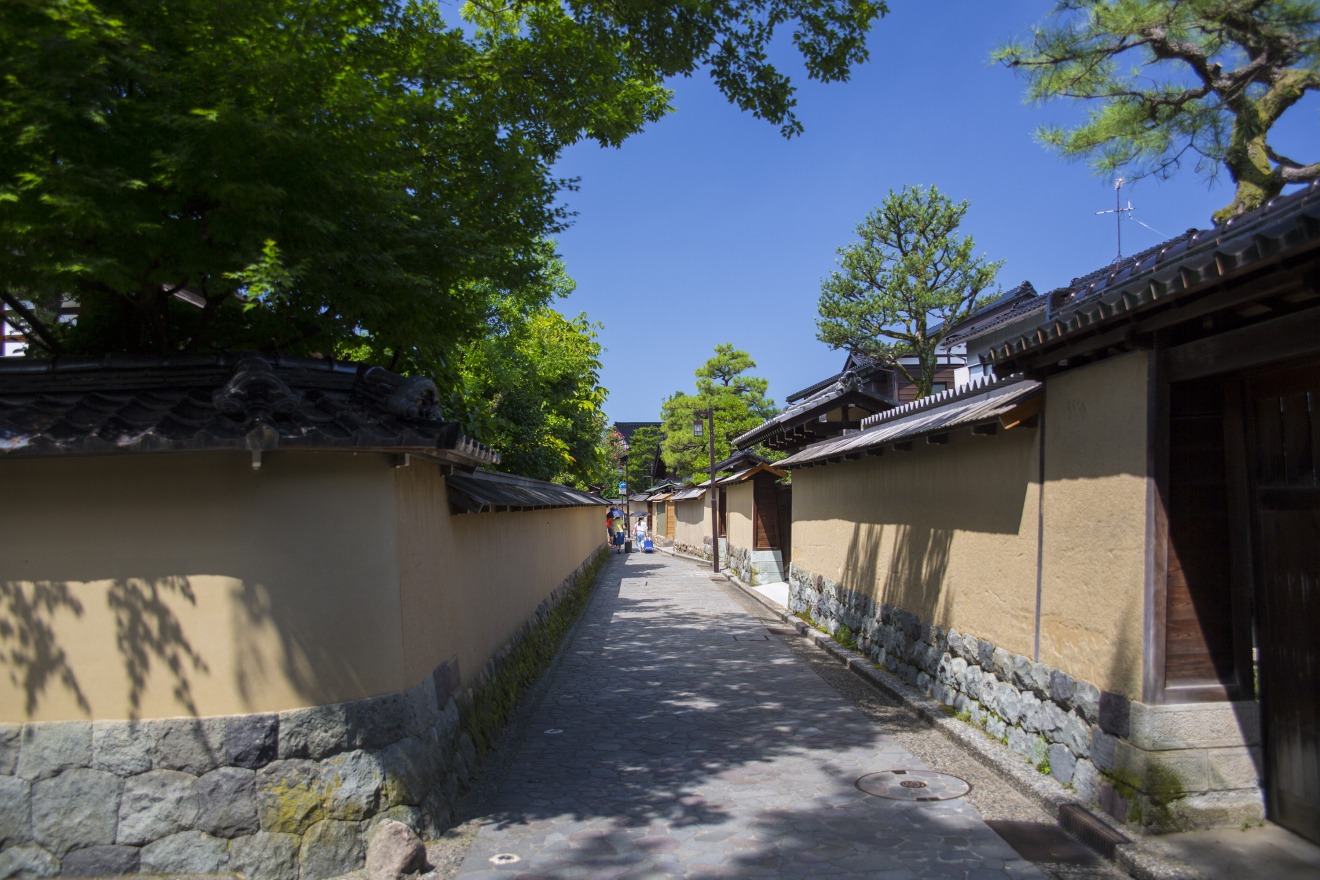
Since the Edo Period and the Tokugawa shogunate, Kanazawa served as an important castle town for the Kaga Domain. Samurai lived around the castle and took on its defense, ready to be summoned immediately in case of attack. Present-day Kanazawa retains many historic streets, and strolling through these ancient pathways to visit historical sites reveals much about the samurai stories of Kanazawa.
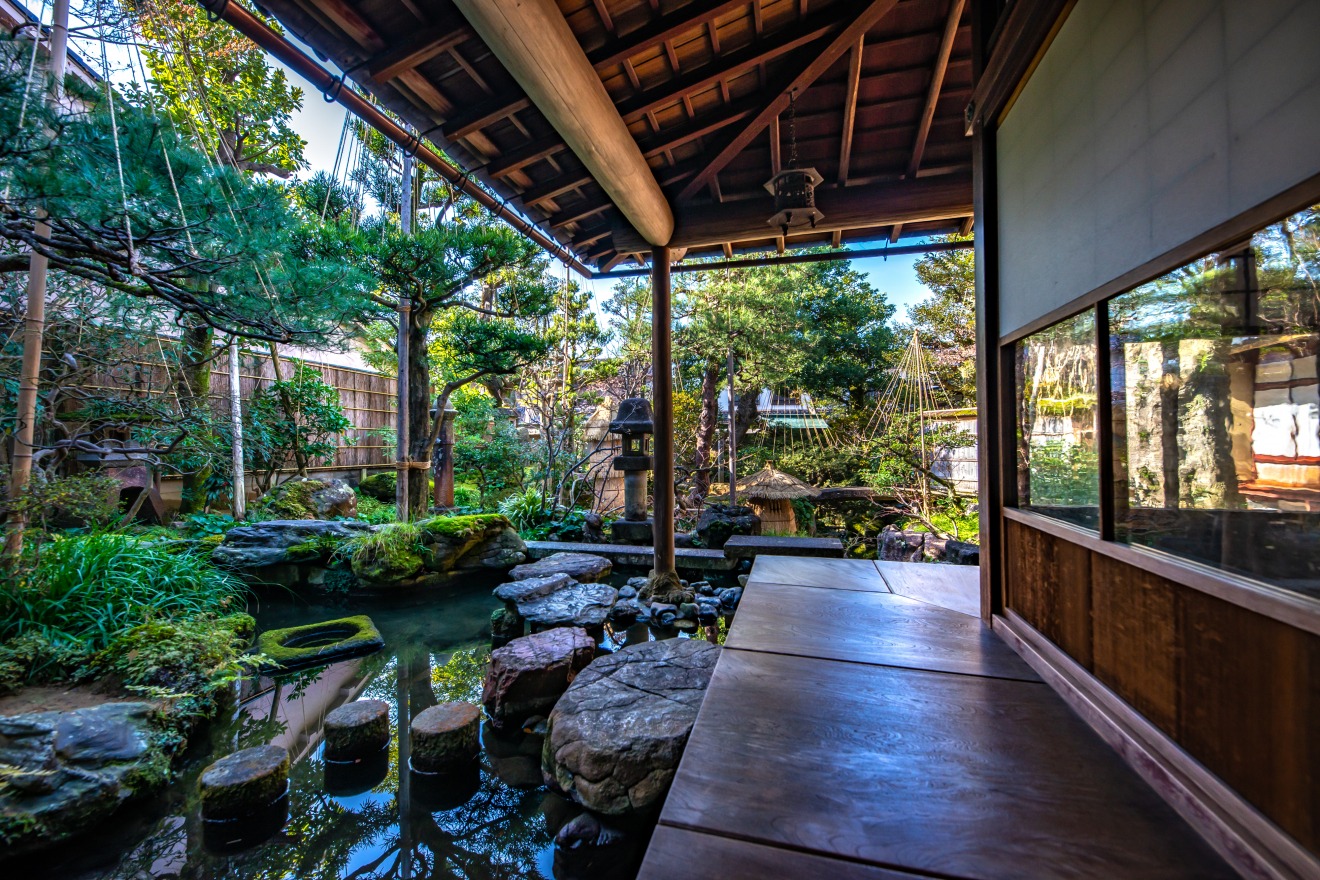
However, samurai culture wasn't limited to martial arts and combat. After entering the Edo Period, Japanese society enjoyed a long era of peace, and samurai began to cultivate refinement, allowing culture to develop and be transmitted. Noh theater, tea ceremony, and traditional crafts flourished in Kanazawa largely thanks to these cultured samurai and their interest in elegant culture.
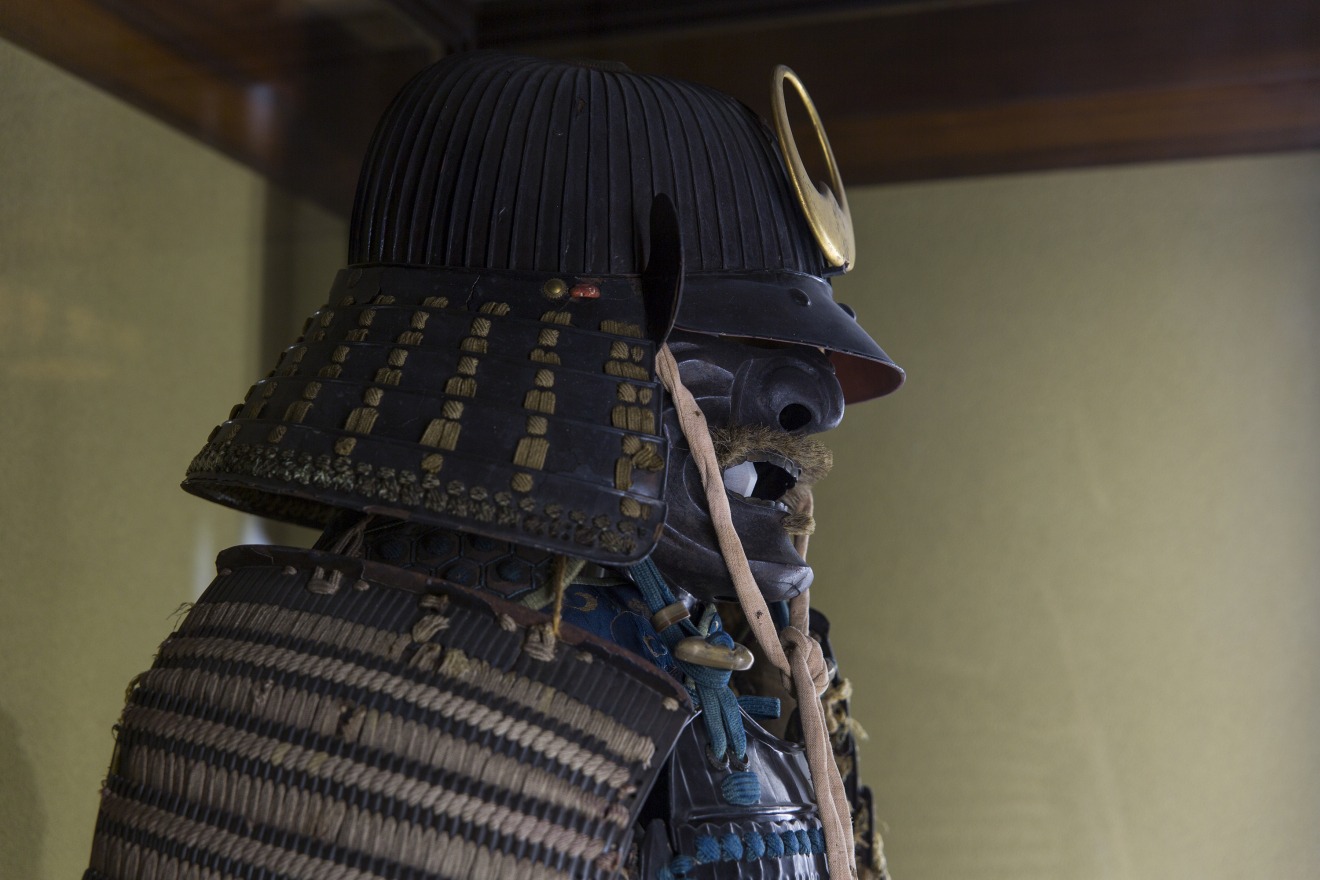
When visitors explore the samurai residences (buke yashiki) where warriors once lived, they have opportunities to view period artworks, tea rooms, and gardens.
Related: Exploring Samurai Culture
5) Cutting-Edge Contemporary Art and Japanese Architecture
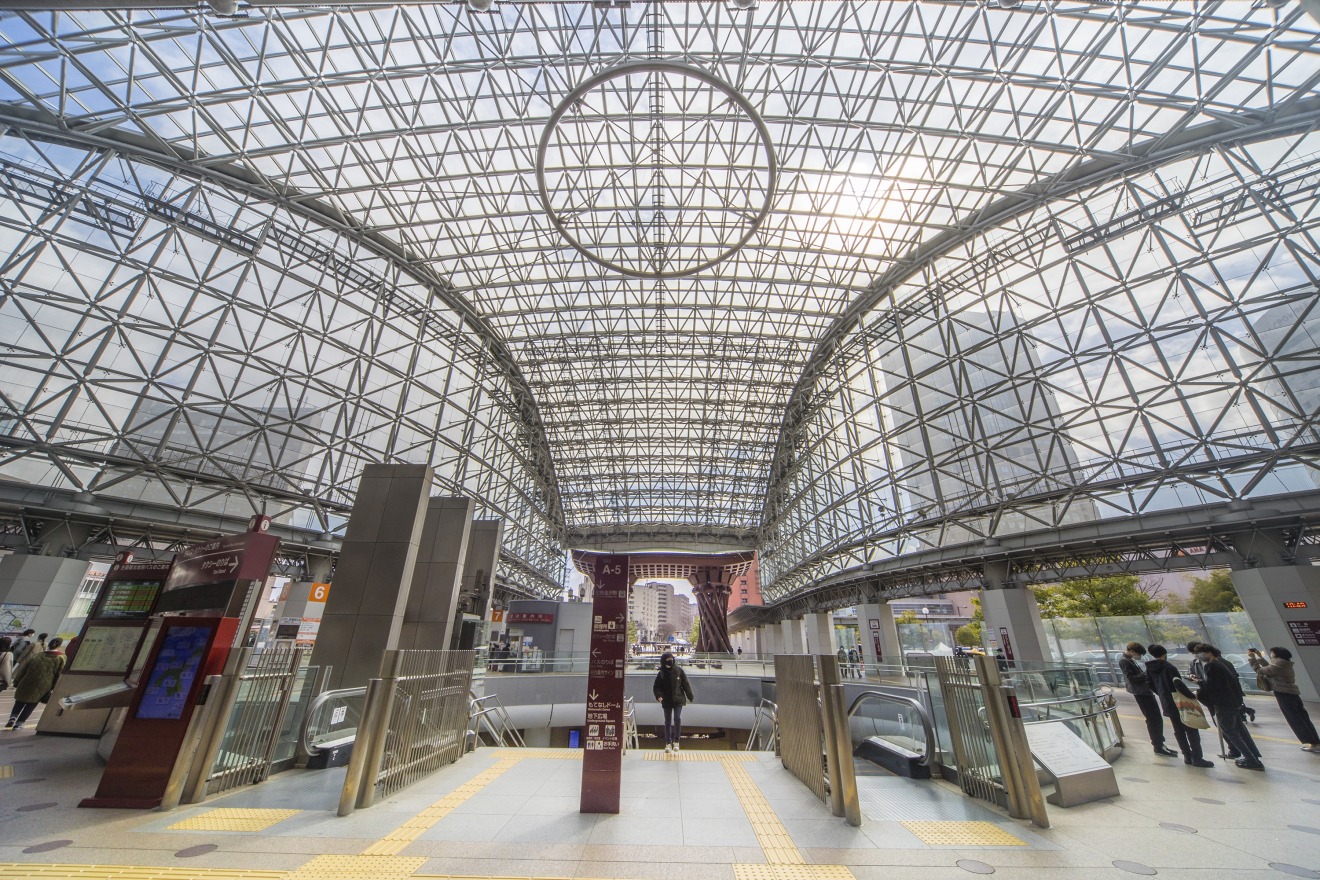
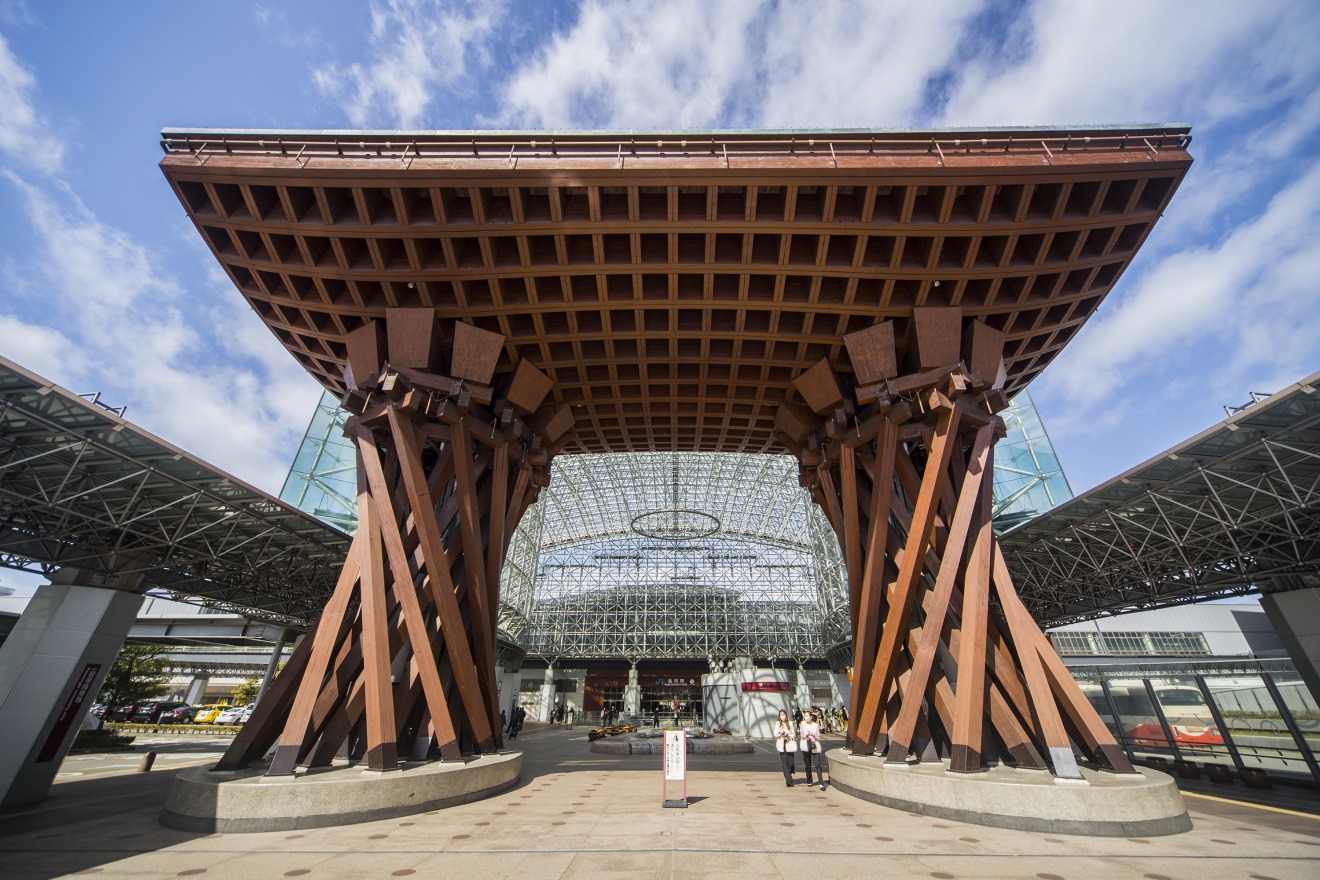
Kanazawa is a city rooted in tradition, yet it's not constrained by it. Case in point: Kanazawa Station was selected as one of "The World's Most Beautiful Stations" by the renowned American travel magazine Travel + Leisure. The minimalist glass and steel vaulted gateway and the traditional tsuzumi (hand drum)-shaped wooden Tsuzumimon Gate blend perfectly, seemingly welcoming visitors from afar.

The coexistence of contemporary art and architecture alongside historic districts is a major characteristic of Kanazawa. Near Kenrokuen Garden, there are elegant, modern museums inspired by Zen aesthetics, such as the D.T. Suzuki Museum. At the 21st Century Museum of Contemporary Art, visitors can experience outstanding contemporary artworks within expansive spaces.
6) A Gourmet Paradise
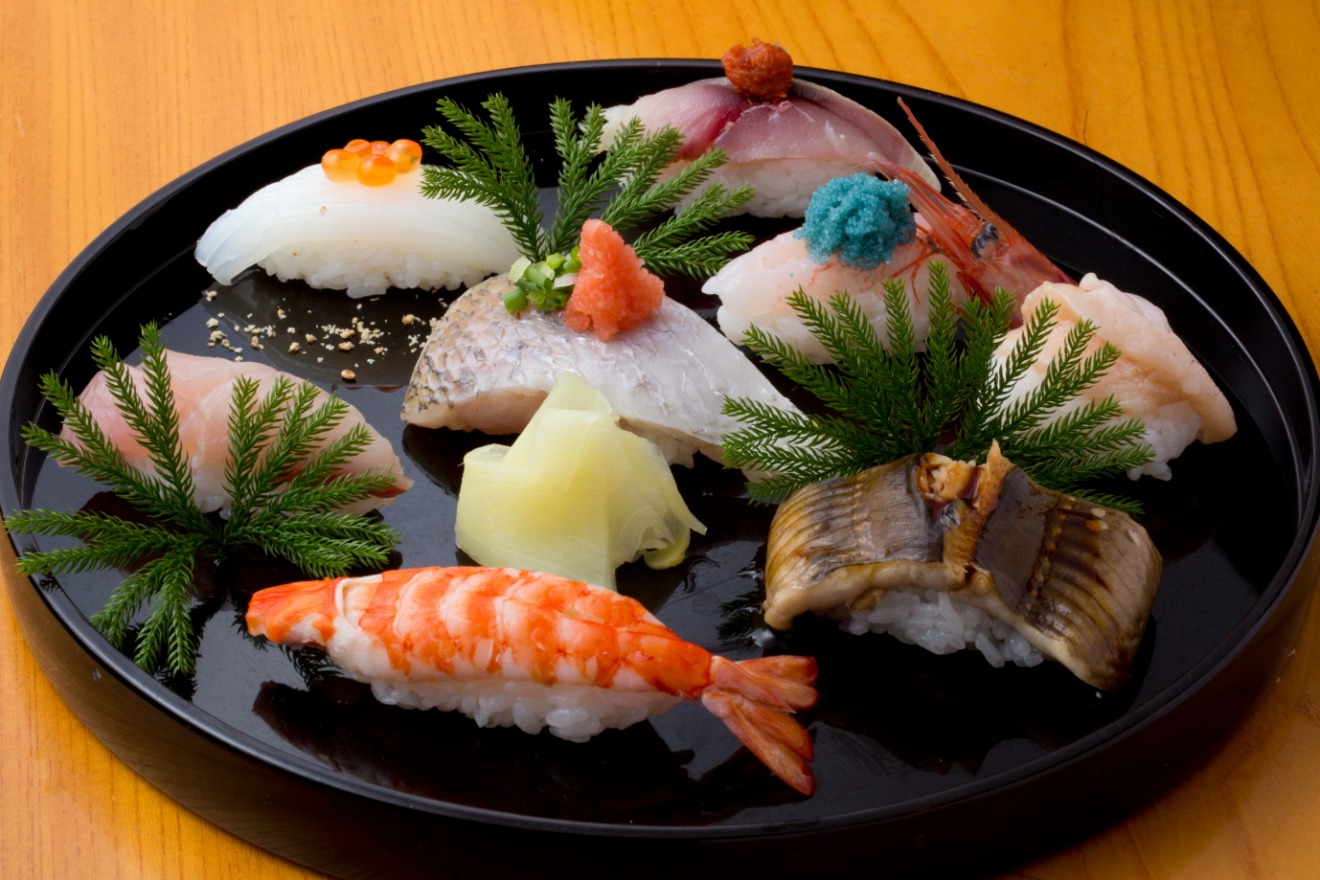
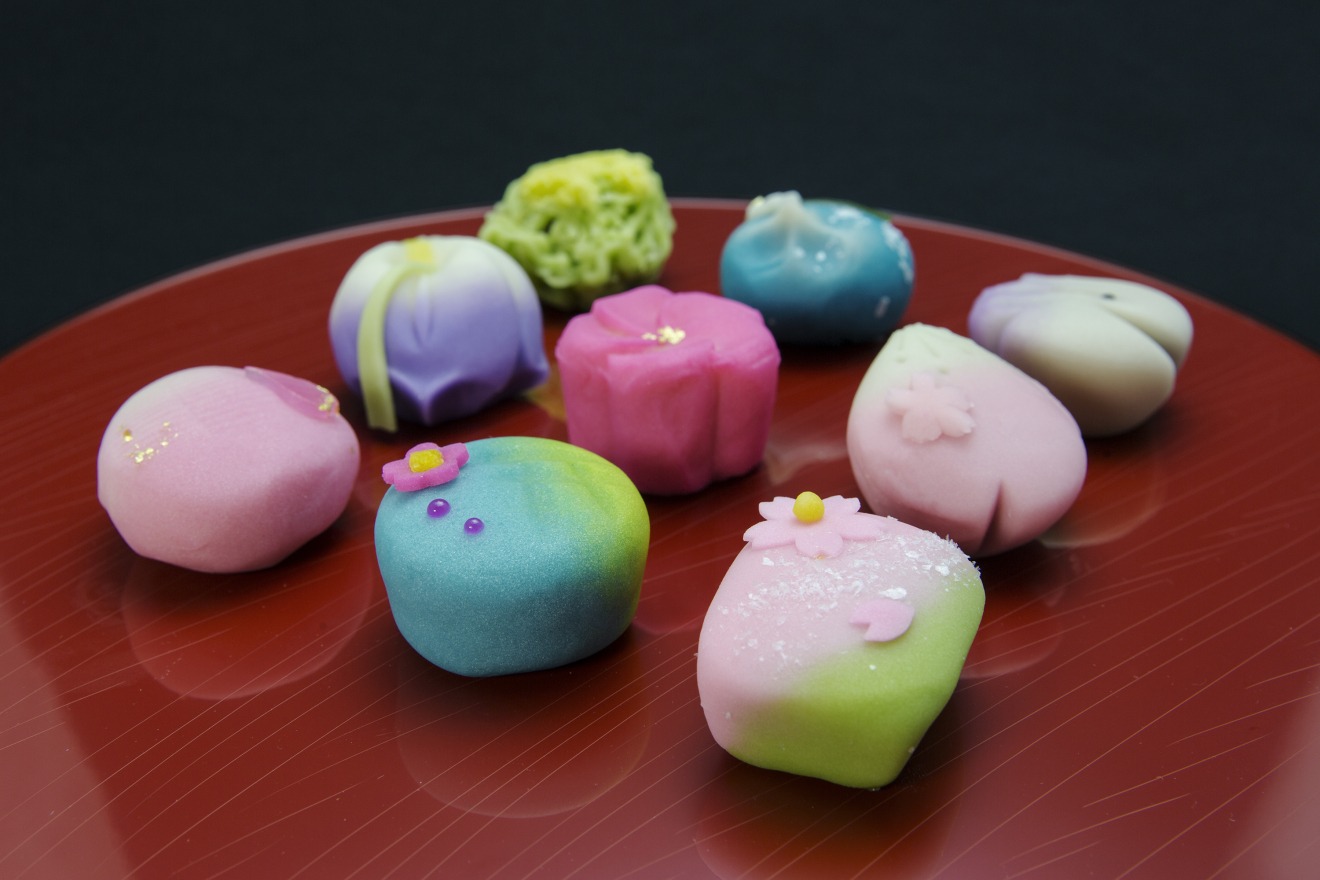
The Kanazawa region produces unique vegetable varieties, and the nutrient-rich waters of the Sea of Japan nurture the area's abundant ingredients. Kanazawa also features various Japanese sweets derived from tea ceremony culture.

With such diverse ingredients, visitors can enjoy various delicious Kanazawa cuisines while sightseeing, especially local sake that pairs perfectly with Kaga cuisine.
Every winter, seasonal delicacies like snow crab make it a wonderful season for dining out in Kanazawa. When the Sea of Japan waters turn cold, yellowtail (buri) sashimi becomes delicate, rich, and melt-in-your-mouth tender.
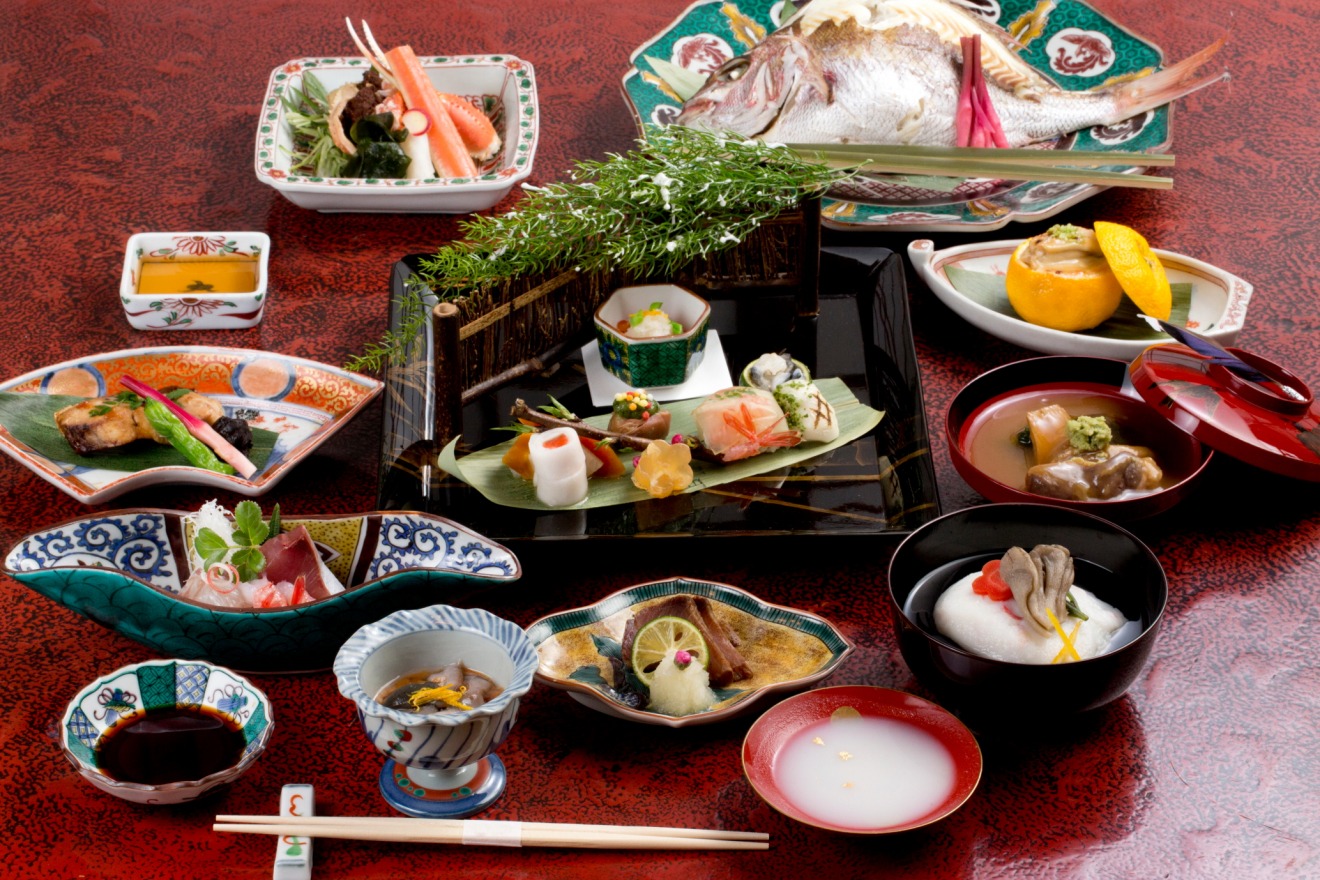
Kanazawa also has unique local dishes like oden, and enjoying a fragrant, steaming hot local meal on a snowy night creates a warm and satisfying experience.
When unsure where to dine, stroll through Katamachi - the enticing aromas are enough to draw you into local restaurants.
Related:
7) Immersive Kanazawa Culture
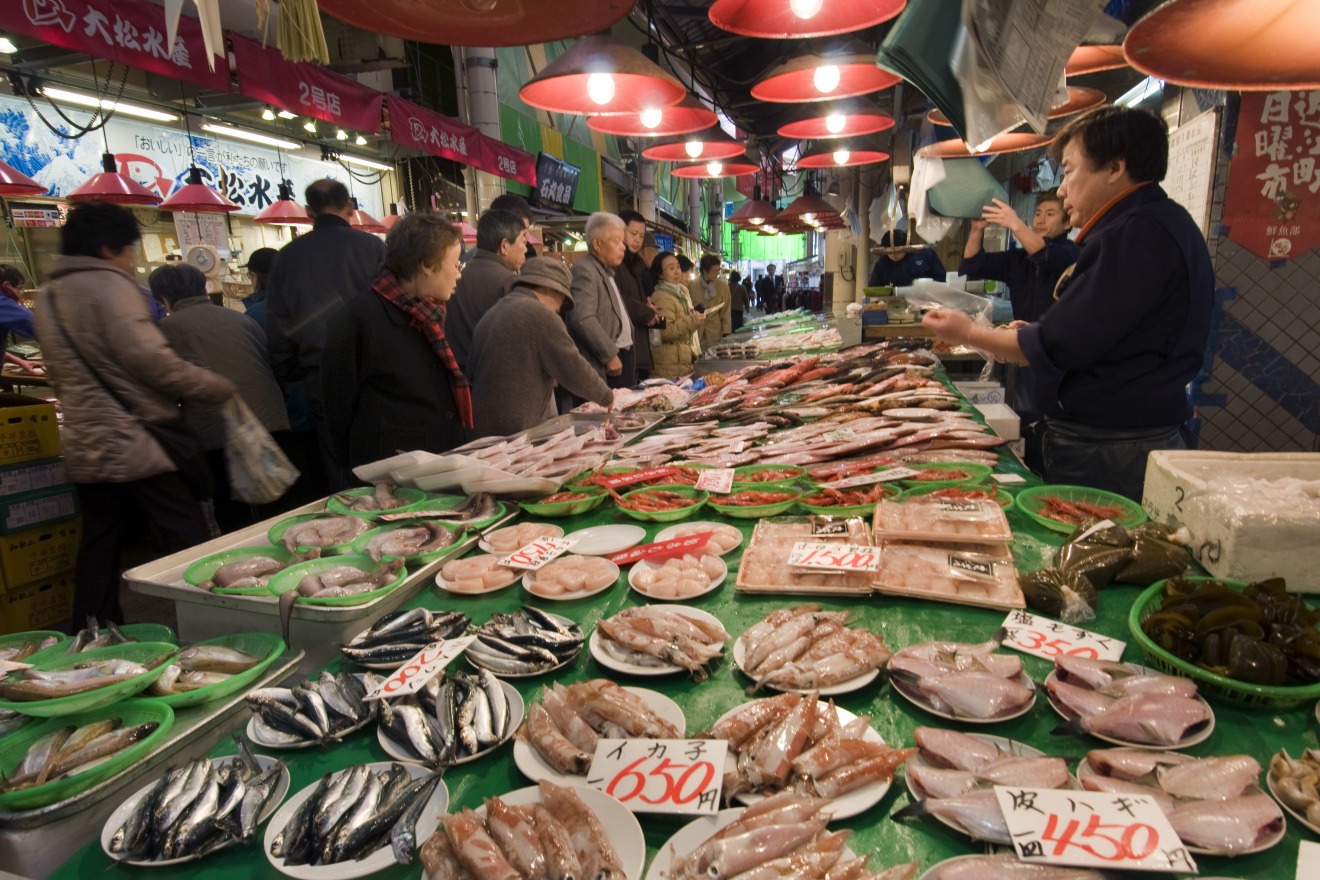
Unlike other cities where culture is carefully segmented and confined to specific areas, Kanazawa's culture is captivating and engaging. Whether in quiet alleys lined with old buildings, the bustling Omicho seafood and produce market, or tea rooms in serene gardens - wherever you go, there's mysterious charm.
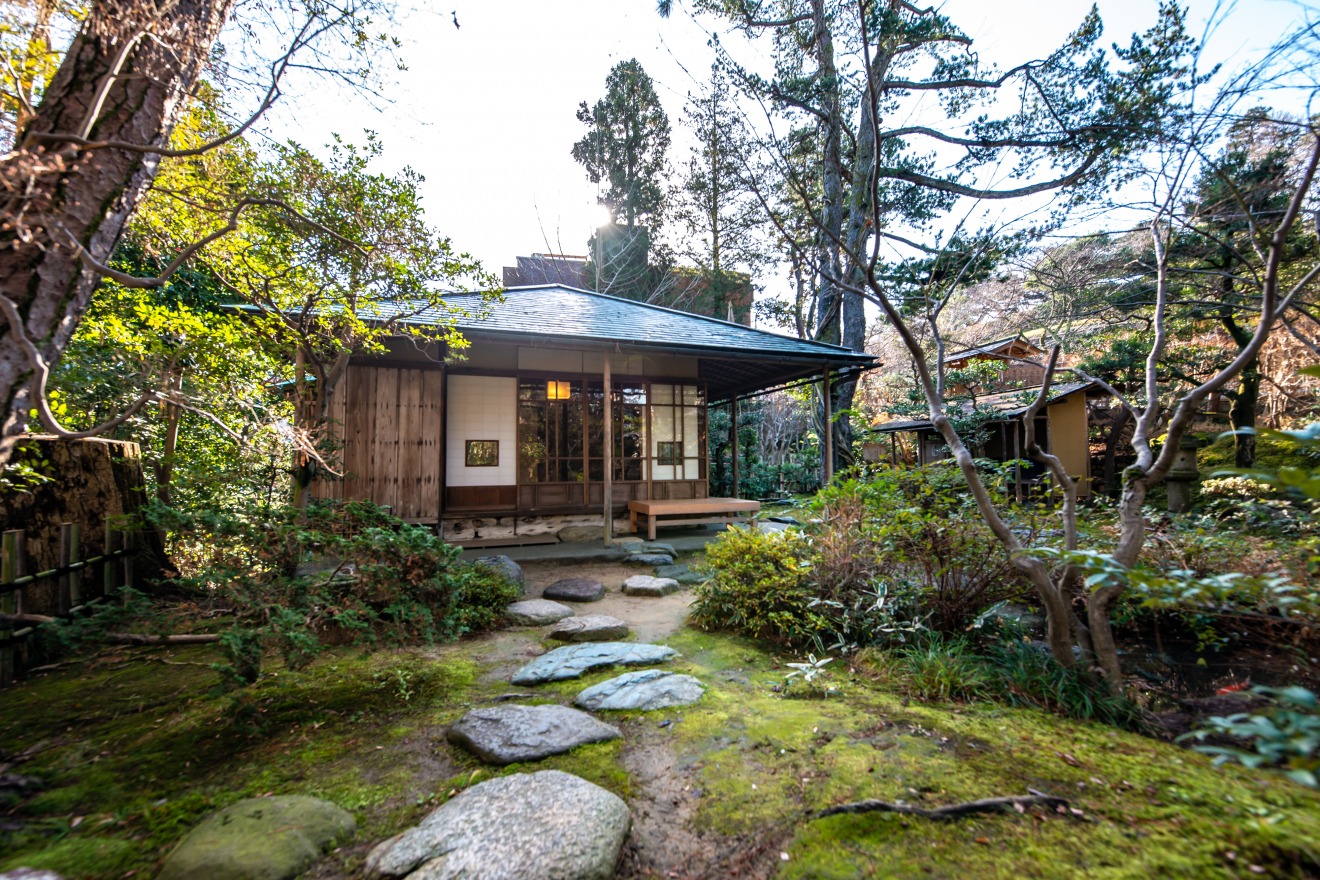
Life in Kanazawa feels not like scattered fragments, but rather interconnected and continuous.
Related: Kanazawa Area Guide
8) A Walkable City with Convenient Public Transportation
It's no accident that Kanazawa offers more convenient transportation than other cities. Centuries ago, the city's overall design was developed centered around Kanazawa Castle. Samurai residences, markets, and entertainment districts were located just outside the castle moats, with most remaining within walking distance of the castle at their original sites.
Additionally, loop buses and other public transit connecting major attractions around Kanazawa Castle are well-developed, allowing passengers to travel between different sites in a short time. The Machinori bike-sharing service offers electric bicycle rentals that can be easily picked up around the city and returned near your destination.
Compared to the endless sprawl of major cities like Tokyo, Kyoto, and Osaka, Kanazawa's transportation is extremely convenient.
Related: Getting Around Kanazawa
9) Kanazawa's Suburbs Full of Rural Japanese Charm
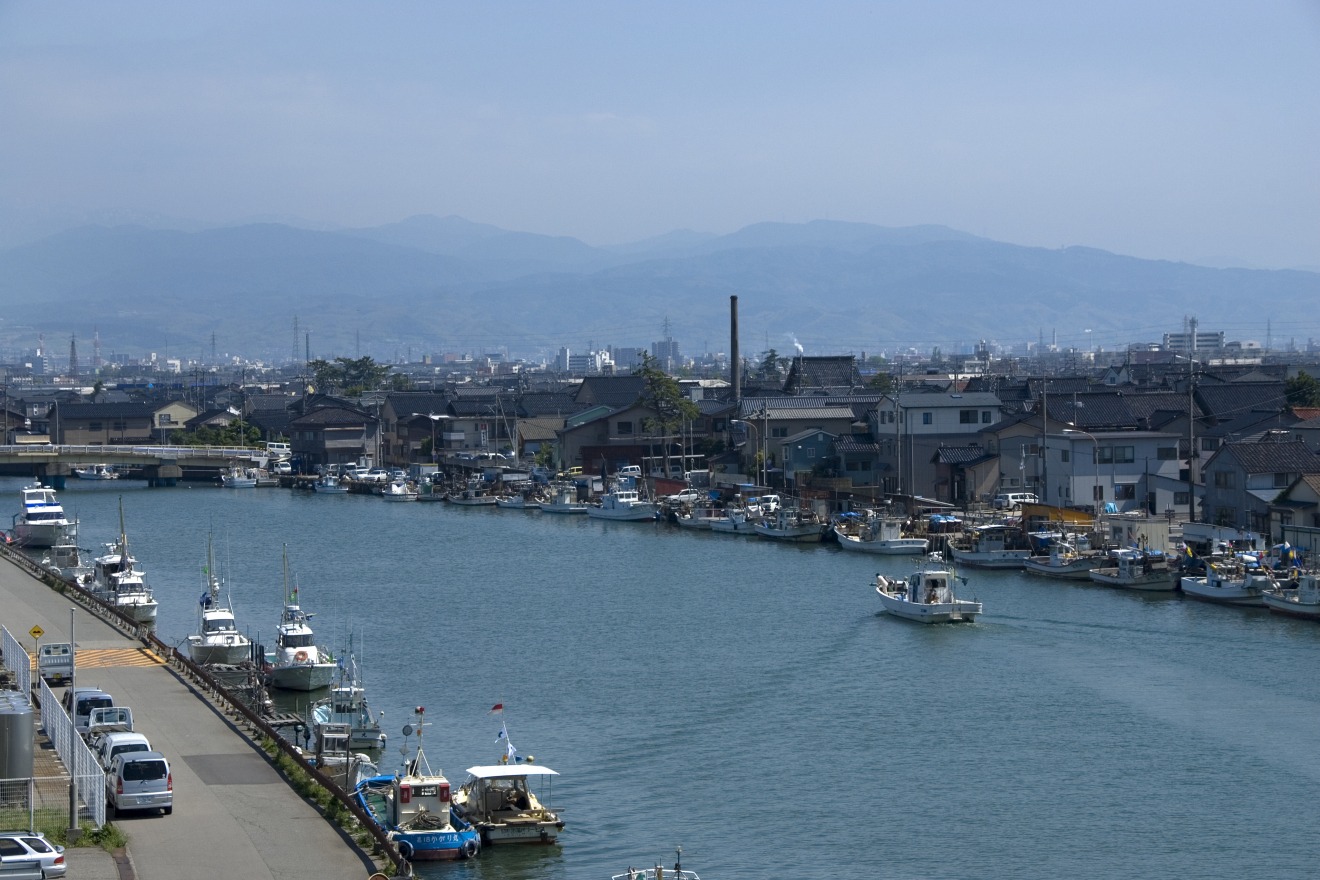
Unlike the suburbs of major Japanese cities like Tokyo and Osaka that center on residential areas, Kanazawa's surrounding areas are vast regions adjacent to the Sea of Japan, where natural scenery and distinctive Japanese rural character blend perfectly.

At fishing ports along Kanazawa's coast, dozens of fishermen daily transport fresh seafood to the city's numerous markets. The Ohno area is home to a centuries-old soy sauce production region, with approximately 18 soy sauce manufacturers currently operating there.
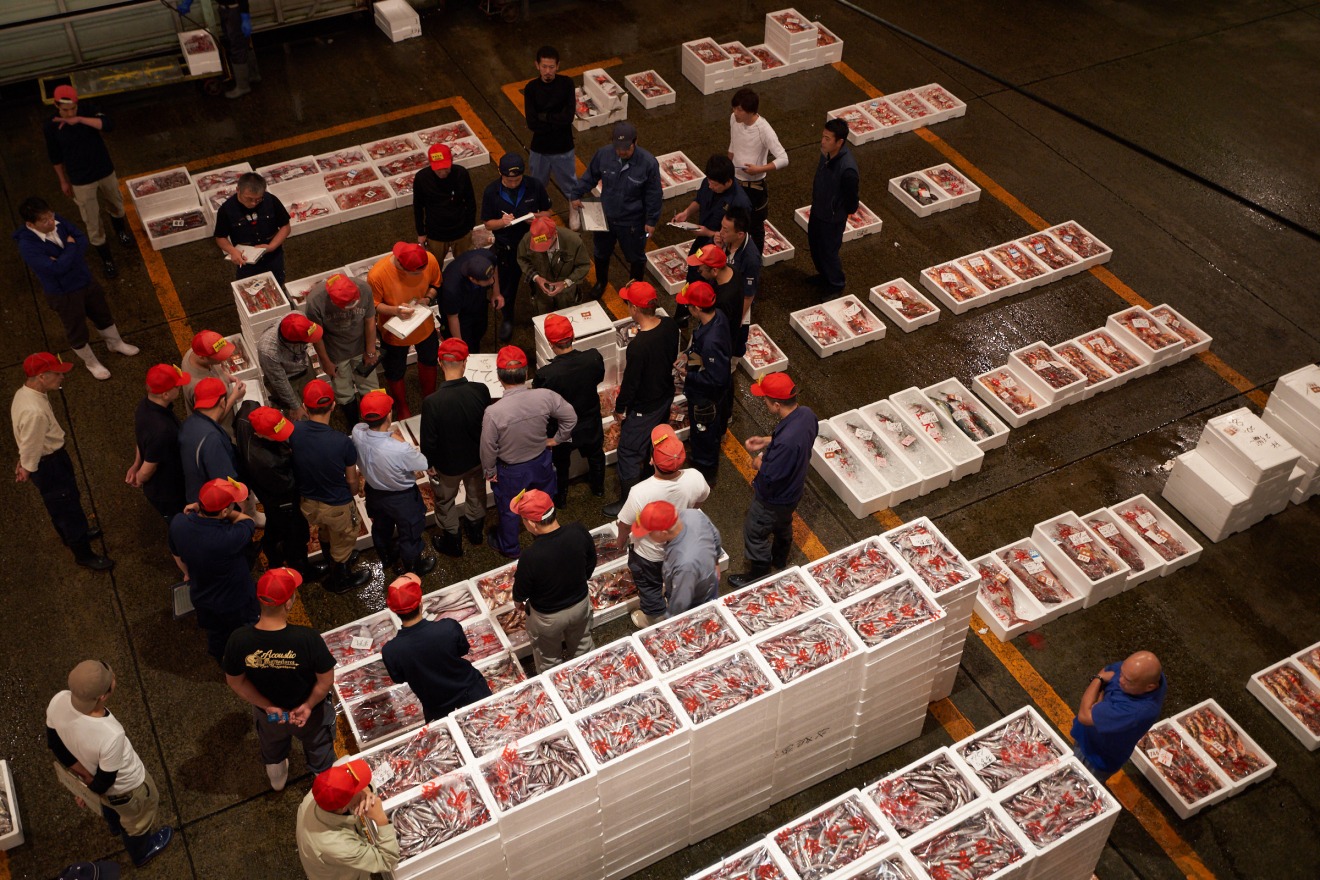
Furthermore, traveling from the coast into the mountains, you'll reach the mountain resort of Yuwaku Onsen, once a hidden hot spring of the Kaga lords, now home to hot spring inns and public baths that offer visitors the chance to spend relaxing time in a quiet corner away from city bustle.
10) Kanazawa: The Perfect Base for Day Trips
In the mountains and along the coastline surrounding Kanazawa, there are many towns and villages worth visiting. Kanazawa is centrally located among many popular tourist destinations, including Shirakawa-go (symbolizing Japan's pristine landscape), the historic town of Takayama with its old streets, and the Noto Peninsula where you can experience rugged natural beauty.
By choosing comfortable accommodation and rich dining options centered in Kanazawa, you can take day trips to experience the various local cultures and landscapes of surrounding areas.
Related: Venture a Bit Further from Kanazawa to Fully Enjoy Nature and World Heritage Sites!
Source: Visit Kanazawa Official Tourism Guide
Translated and formatted for international visitors