Aomori Travel Guide: Take the Road Less Traveled
Discover natural landscapes, primeval forests, apples, rice field art, rice and sake, seafood and snow in Japan's northern frontier.
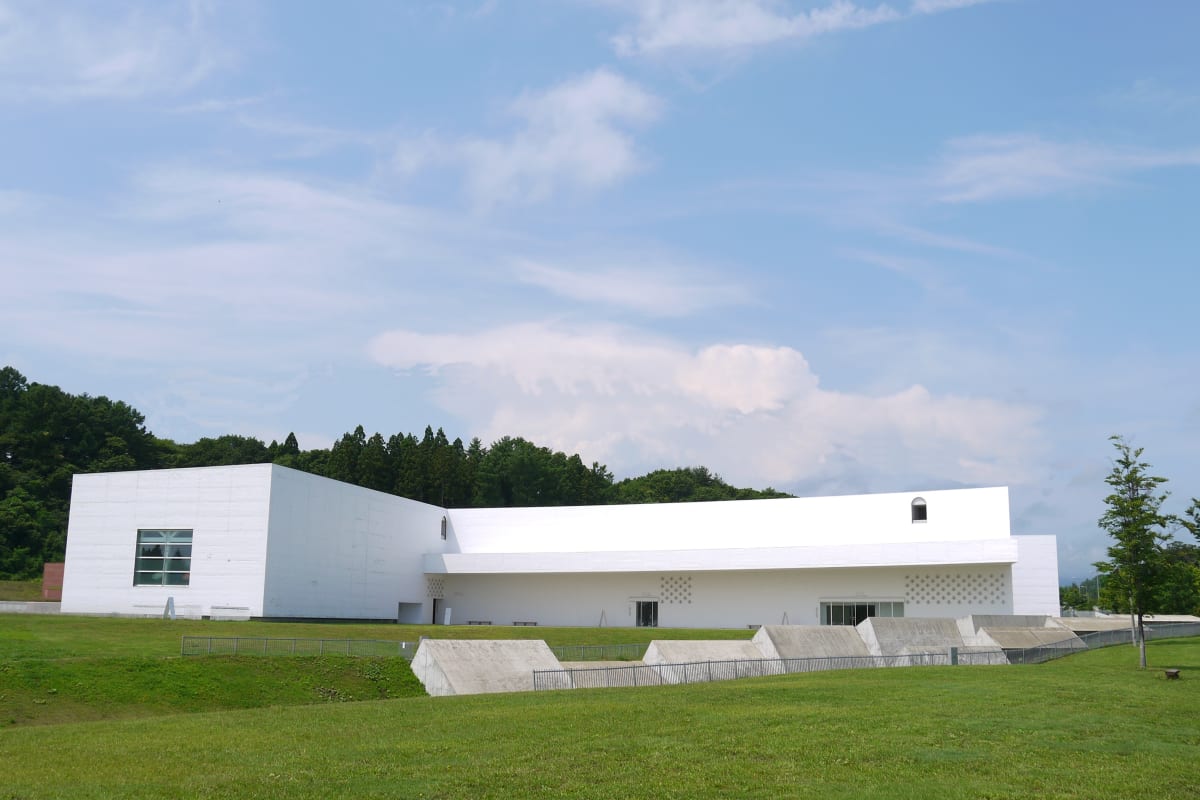
Welcome to Aomori
Relatively unexplored, Aomori's verdant landscapes, famous festivals and World Heritage sites can all still be called "hidden gems." Hiking through unspoiled wilderness, riding in trains heated by stoves and sampling delectable seafood and sake are just a few of its attractions.
Located at the northernmost tip of Honshu, Japan's main island, Aomori Prefecture offers a unique blend of pristine nature, vibrant cultural traditions, and culinary excellence that remains largely undiscovered by international travelers.
Getting to Aomori
Aomori is accessible via multiple transportation options:
By Shinkansen (Bullet Train)
- From Tokyo: Just over 3 hours via JR Tohoku Shinkansen
- Four shinkansen stops: Hachinohe, Shichinohe-Towada, Shin-Aomori, and Okutsugaru-Imabetsu
- Japan Rail Pass accepted
By Air
- From Tokyo (Haneda): Just over 1 hour to Misawa or Aomori Airport
- From Osaka: Approximately 90 minutes
- International flights: Aomori Airport serves routes from several East Asian countries
- Domestic connections: Sapporo, Osaka, Kobe, Nagoya, and Tokyo
By Highway Bus
- Regular services between Tokyo and Aomori
- Journey time: 8-10 hours (usually overnight)
- Budget-friendly alternative to shinkansen
Top Highlights
World-Class Festivals
Aomori is renowned for its spectacular summer festivals:
- Aomori Nebuta Festival: Massive illuminated floats parade through the streets
- Hirosaki Neputa Festival: Elegant fan-shaped floats with painted warrior scenes
- Goshogawara Tachineputa Festival: Japan's tallest festival floats reaching up to 23 meters
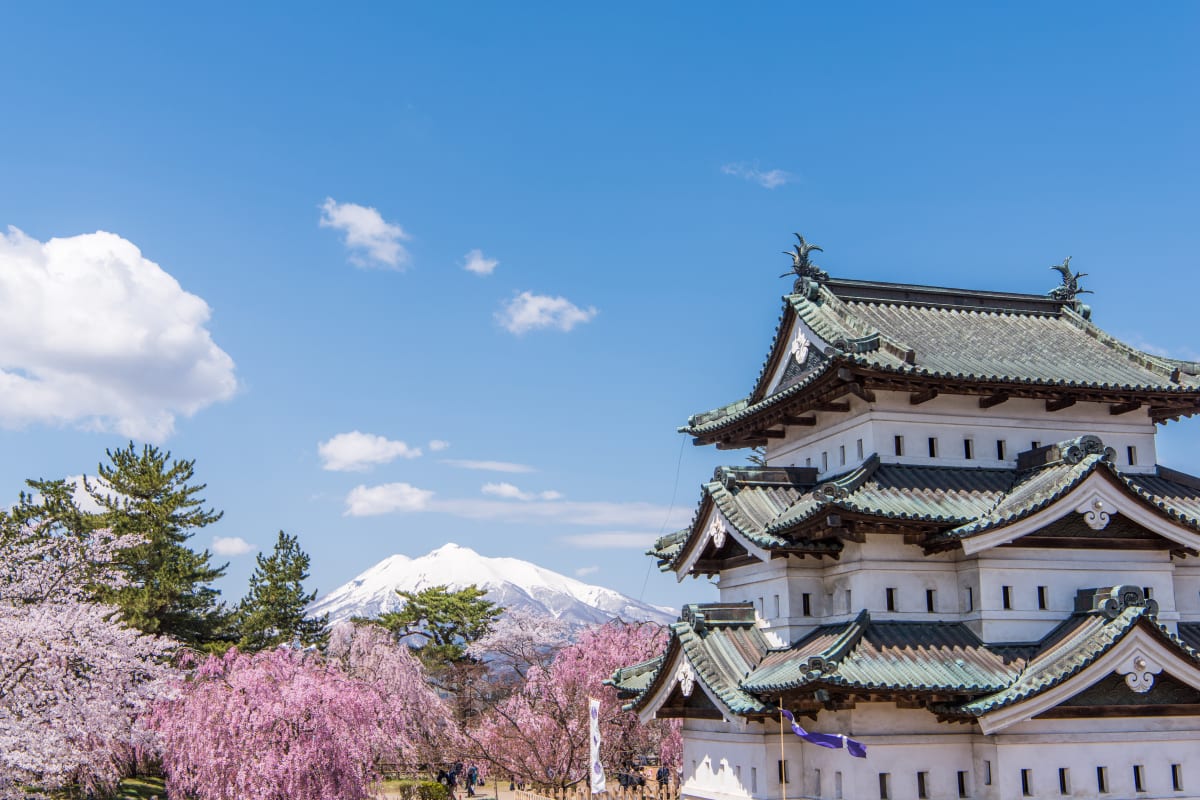
Hirosaki Castle Cherry Blossom & Snow Lantern Festival
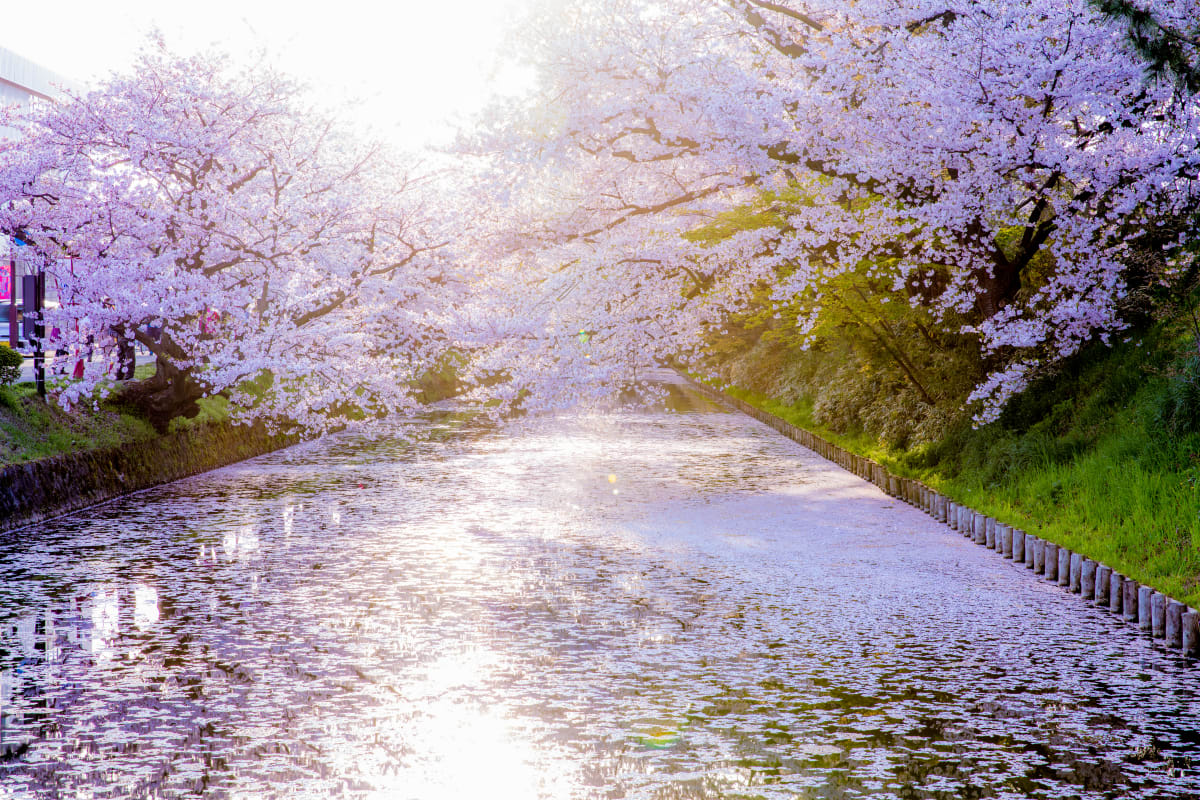
Hirosaki Castle hosts two stunning seasonal events:
- Spring: Over 2,600 cherry trees create a spectacular pink canopy
- Winter: Hundreds of snow lanterns illuminate the castle grounds
Natural Wonders
Shirakami Sanchi World Heritage Site

This UNESCO World Heritage Site preserves one of the last remaining virgin beech forests in East Asia. The primeval forest offers:
- Pristine hiking trails through ancient woodlands
- Rich biodiversity and untouched ecosystems
- Crystal-clear streams and waterfalls
- Seasonal beauty from spring greenery to autumn colors
Sanriku Fukko National Park
Explore dramatic coastal scenery where the Sea of Japan meets the Pacific Ocean, featuring:
- Rugged cliffs and rocky coastlines
- Diverse marine life
- Scenic hiking trails
- Historic fishing villages
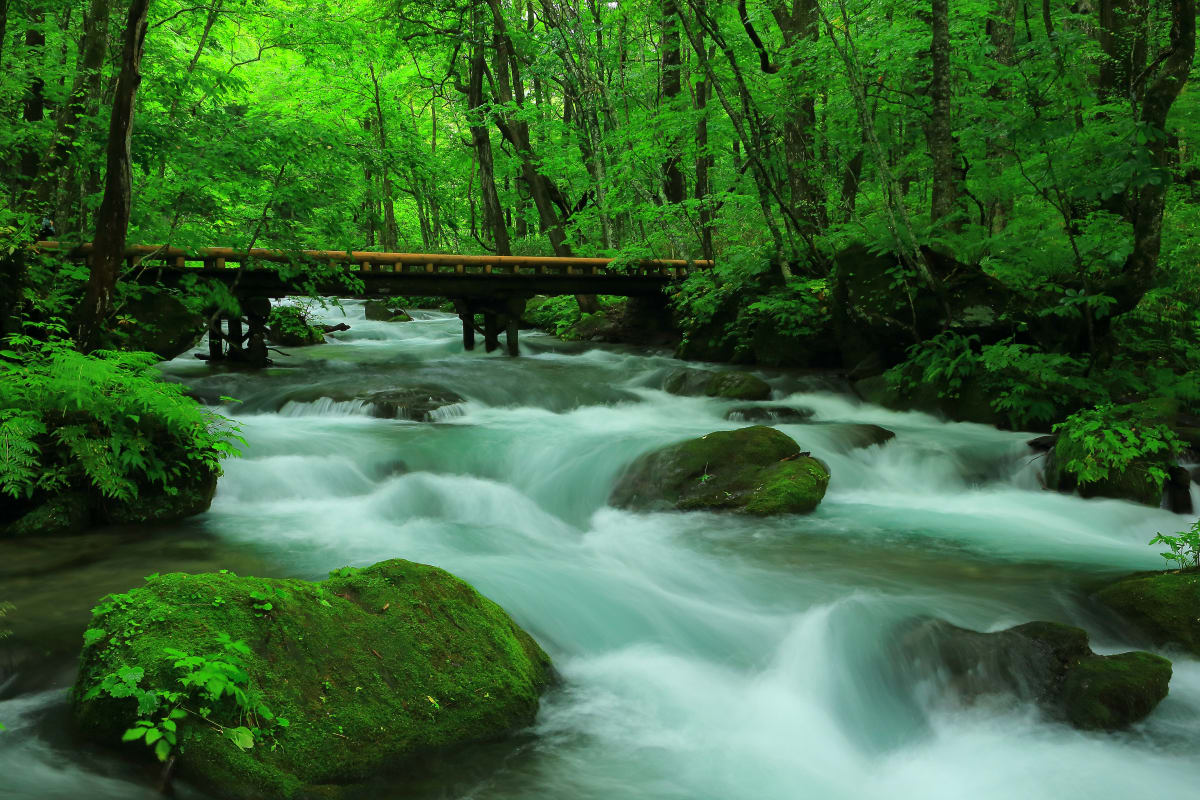
Lake Towada & Oirase Gorge
One of Tohoku's most beautiful natural areas:
- 14km gorge following a mountain stream
- Multiple waterfalls and moss-covered rocks
- Spectacular autumn foliage
- Lake Towada's caldera lake surrounded by mountains
Cultural Treasures
Ancient Ruins & Historic Sites

Aomori preserves thousands of years of history:
- Sannai-Maruyama Site: One of Japan's largest Jomon period settlements (5,500-4,000 years ago)
- Great temples and shrines: Including the historic Osorezan, considered a gateway to the afterlife
- Traditional castles: Hirosaki Castle and its beautifully preserved grounds
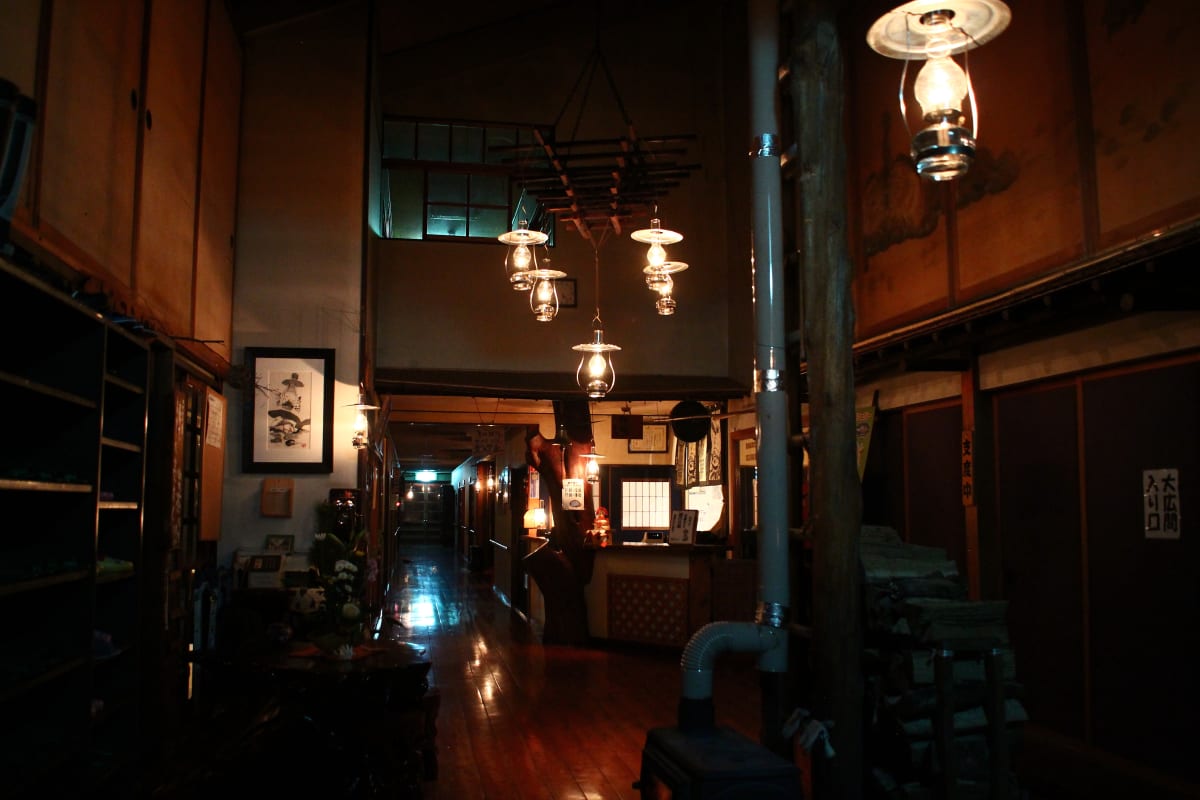
Aoni Onsen
Experience an authentic hot spring retreat:
- Remote mountain location accessible only by cable car
- Traditional ryokan lit only by gas lanterns (no electricity)
- Natural hot spring baths
- Total escape from modern life
Culinary Excellence
Fresh Seafood Paradise
Aomori's location between the Sea of Japan and Pacific Ocean provides unrivaled seafood:
- Tuna: Oma town is famous for the highest-grade bluefin tuna
- Scallops: Mutsu Bay produces some of Japan's best
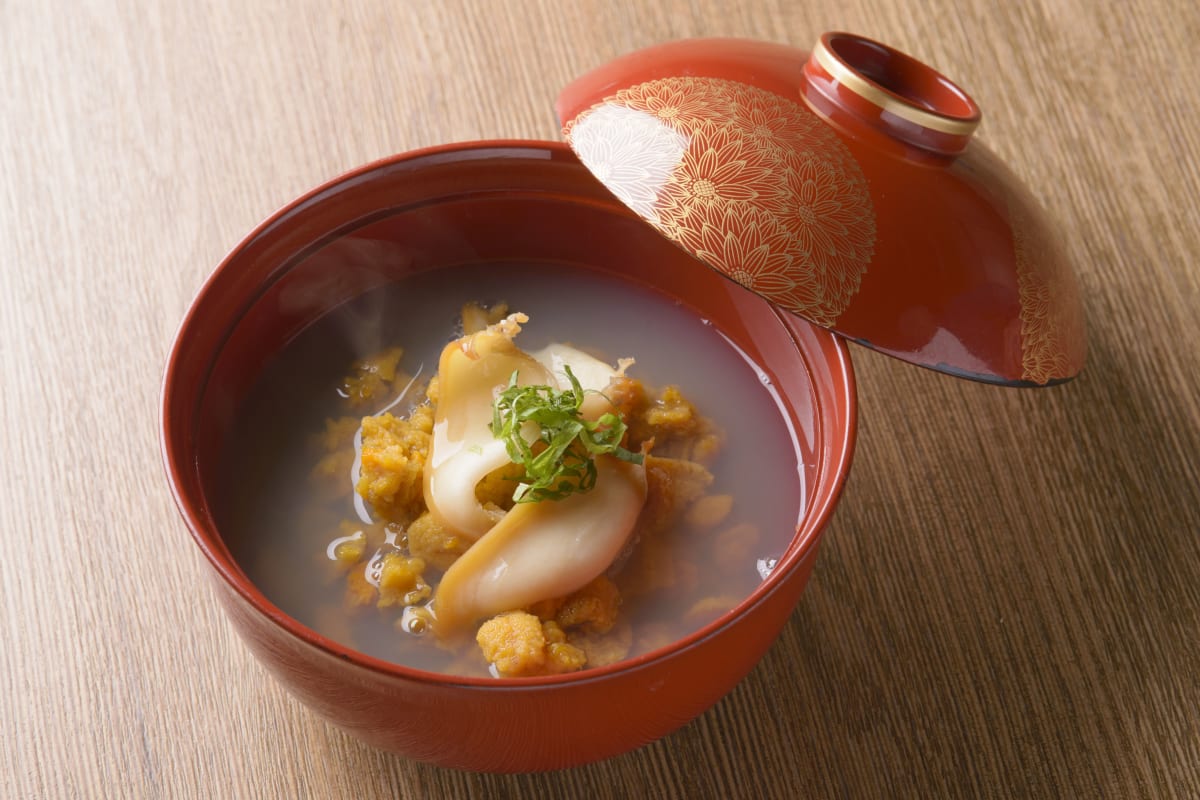
- Sea urchin and abalone: Featured in the local specialty "Ichigo-ni" soup
- Fresh fish markets: Sample the morning's catch at local markets
Ichigo-ni (Strawberry Soup)
Named after the image of sea urchin sinking into milky white soup like "wild strawberries in morning mist," this local delicacy features:
- Abundant sea urchin
- Fresh abalone
- Rich, creamy broth
- Roots in traditional fishermen's beach cooking
Aomori Apples
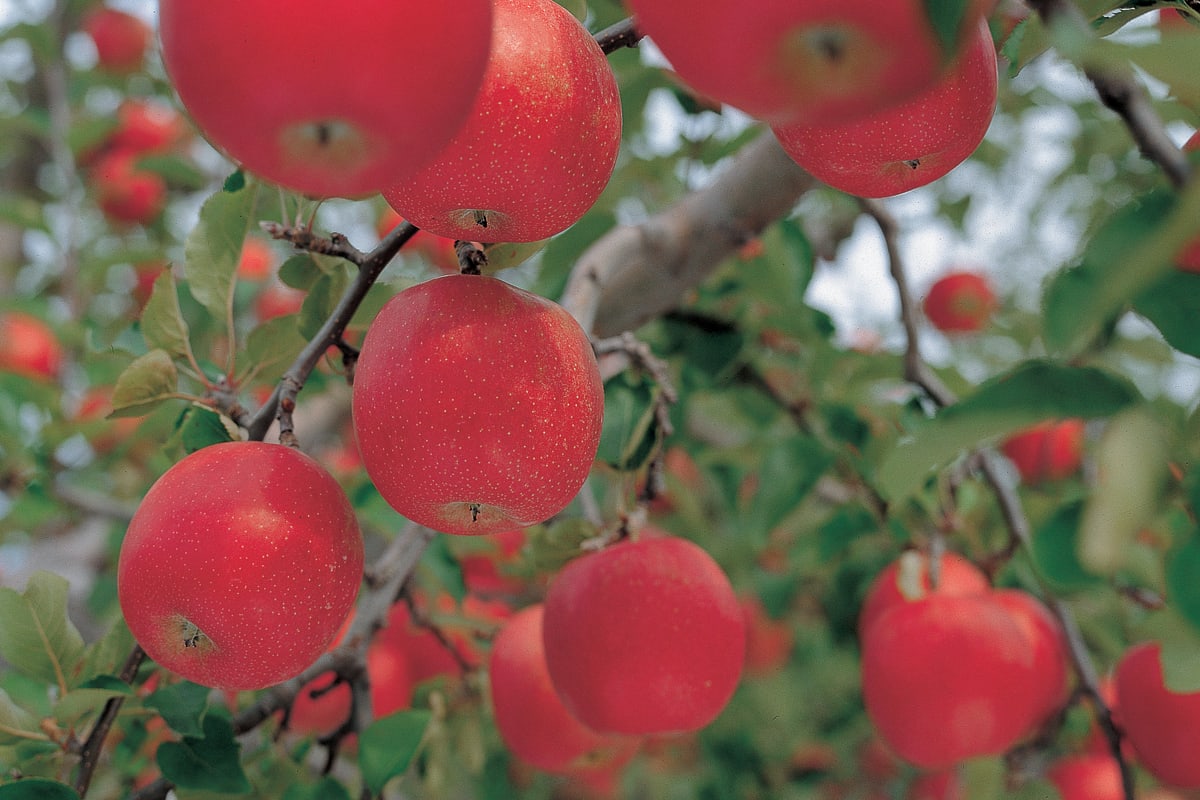
Aomori Prefecture produces approximately 60% of Japan's apples. The region's apples are renowned for:
- Exceptional sweetness and flavor
- Year-round cultivation care from pruning to harvest
- Apple-based desserts including pies with whole apples
- Apple picking experiences in autumn orchards
Aomori Black Garlic
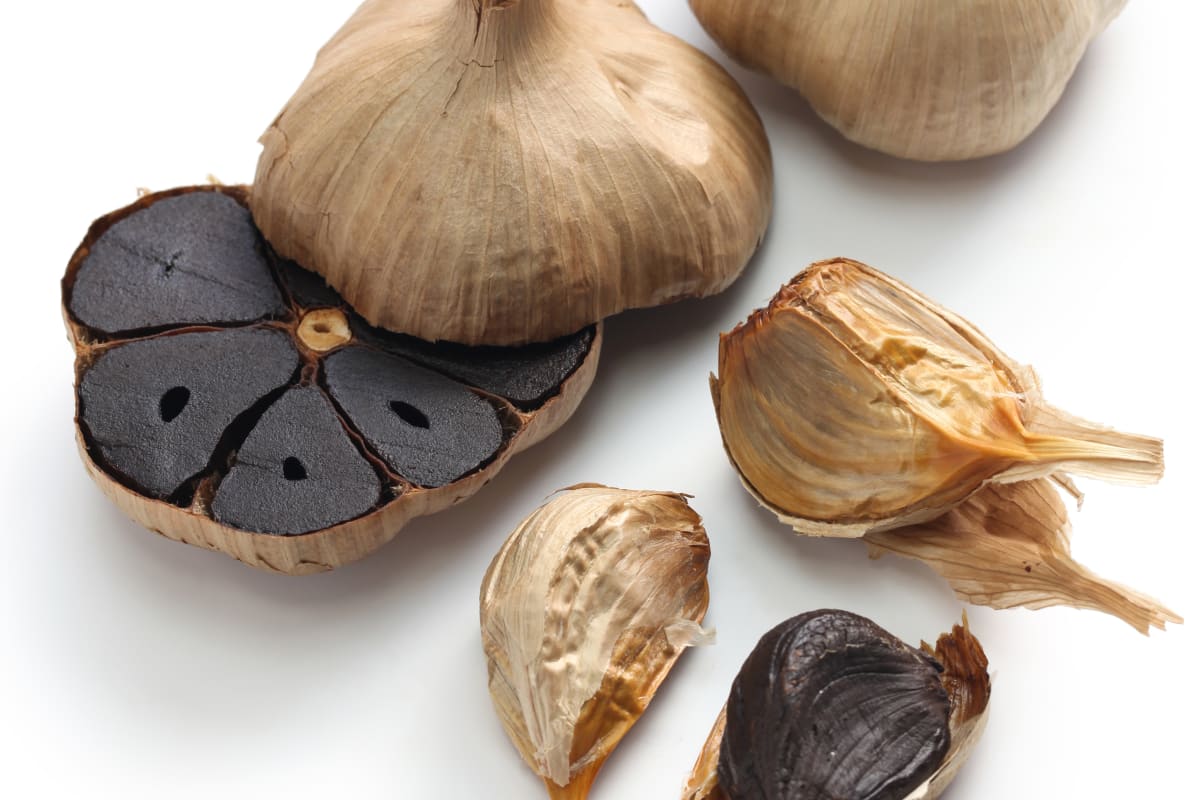
A local specialty created through weeks of fermentation:
- Sweet flavor with dried fruit-like texture
- Created through the Maillard reaction
- Health benefits
- Popular souvenir item
Local Sake & Rice
Aomori's pristine water and quality rice produce excellent sake:
- Award-winning local breweries
- Rice varieties developed specifically for brewing
- Sake tasting opportunities throughout the prefecture
Traditional Crafts
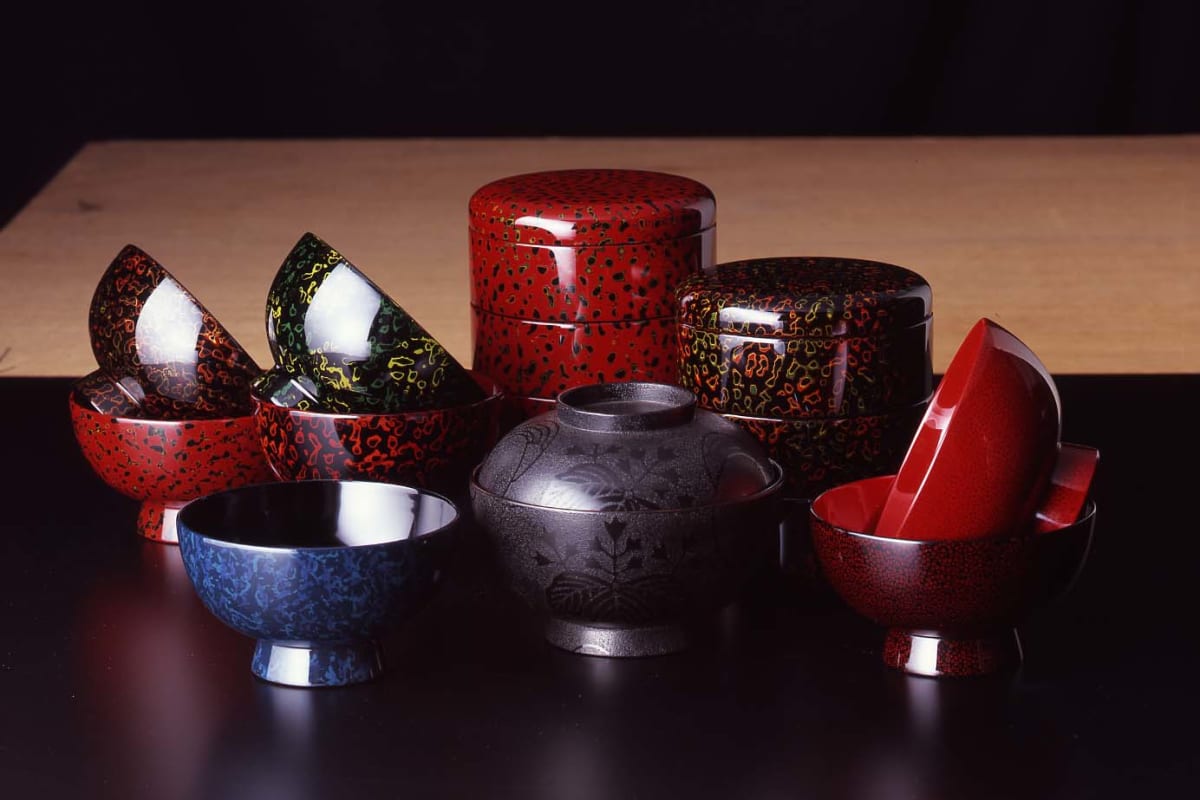
Tsugaru Lacquerware
Characterized by robustness, practicality, and elegant appearance:
- Multiple layers of lacquer smoothed and polished to create patterns
- Dozens of processes over two months
- Complex, beautiful patterns with sturdy feel
- Modern applications from tableware to smartphone cases
- Originally used for sword scabbards
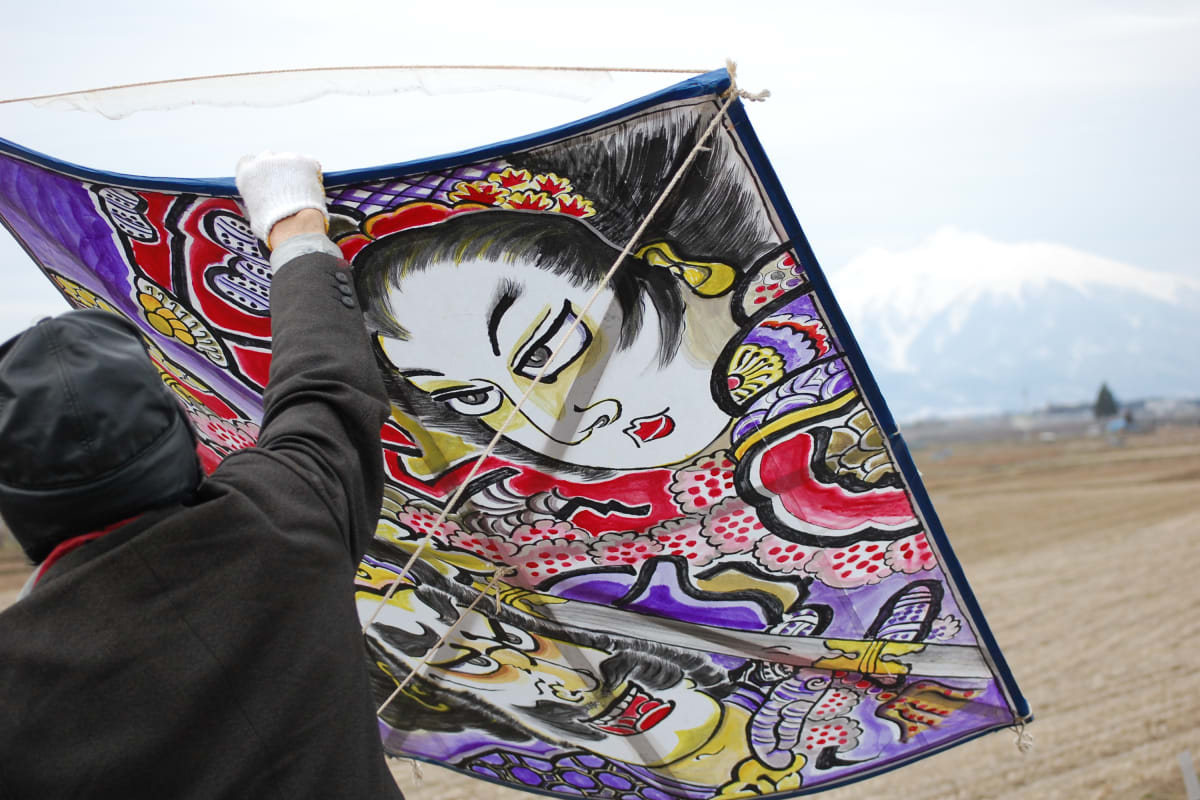
Tsugaru Painted Kites
Traditional kites made since the Edo period (1603-1868):
- Originally crafted as extra work for local samurai
- Frames made from thin hiba wood (instead of bamboo due to cold climate)
- Painted with brave warriors and historical heroes
- Thick ink lines and bright red colors
- Similar artistic style to Hirosaki Neputa floats
Seasonal Highlights
Spring (March - May)
Aomori bursts into bloom in springtime:
- Cherry blossoms at Hirosaki Castle (over 2,600 trees)
- Apple blossoms covering vast orchards
- Canola fields creating yellow carpets
- Azaleas blooming throughout the region
- Spring skiing in higher altitudes with remaining snow
Summer (June - August)
Deep green virgin beech forests and passionate summer festivals:
- Nebuta, Neputa, and Tachineputa festivals (early August)
- Rice paddy art in Inakadate Village (photogenic throughout summer)
- Trekking through Shirakami Sanchi
- Cycling scenic routes
- Golf at mountain courses
Autumn (September - November)
The forests transform into a colorful spectacle:
- Autumn foliage in yellows, oranges, reds, and browns
- Oirase Gorge at peak autumn colors
- Apple harvest season with picking experiences
- Hot spring season begins as weather cools
Winter (December - February)
Aomori transforms into a snow wonderland:
- Snow monsters (juhyo): Trees covered in frozen snow and ice
- World-class skiing and snowboarding at multiple resorts
- Winter festivals throughout the prefecture
- Hot springs offering warmth amid snowy landscapes
- Winter cuisine featuring seasonal specialties
- Stove-heated trains on the Tsugaru Railway
Unique Experiences
Rice Paddy Art
Inakadate Village creates massive artworks using different colored rice plants:
- Best viewed from June through August
- Designs change annually
- Observation towers provide aerial views
- Community collaboration project
Stove-Heated Trains
Ride the nostalgic Tsugaru Railway in winter:
- Traditional coal stoves heat the train cars
- Grilled dried squid sold onboard
- Journey through snow-covered landscapes
- Step back in time to old Japan
Travel Tips
Best Time to Visit
- Festivals: Early August for the big three summer festivals
- Cherry blossoms: Late April to early May
- Autumn colors: Mid-October to early November
- Winter sports: December through March
Getting Around
Most attractions require a car for convenient access:
- Rental cars available at airports and major stations
- Limited public transportation in rural areas
- Tour buses available for major attractions
- Some areas accessible by local trains
What to Bring
- Spring/Summer: Light layers, rain gear
- Autumn: Warm jacket for cool evenings
- Winter: Heavy winter coat, snow boots, warm accessories
Why Visit Aomori?
✅ Authentic Japan: Fewer international tourists than major cities
✅ Natural Beauty: Pristine forests, mountains, and coastlines
✅ Cultural Richness: Spectacular festivals and traditional crafts
✅ Culinary Paradise: World-class seafood, apples, and local specialties
✅ Four Seasons: Distinct seasonal beauty and activities
✅ World Heritage: Shirakami Sanchi virgin beech forests
✅ Unique Experiences: From snow monsters to rice paddy art
Source: Japan National Tourism Organization (JNTO)
Translated and formatted for international travelers
Last Updated: April 2026