Enoshima Day Trip Guide: The Perfect First-Time Itinerary (With Schedule & Map)
Once a sacred island dedicated to the sea goddess and Benzaiten, Enoshima has evolved into one of the Shonan area's most beloved tourist destinations.
Just a short walk across the Benten Bridge from the nearest station, the island is home to historic shrines, unique cuisine, resort-style gardens and cafés, and countless other attractions.
This guide presents a classic itinerary that captures the full charm of Enoshima in a single day. Complete with nearby restaurant and ocean-view café recommendations, you can customize the route to fit your needs. Here's to a wonderful Enoshima adventure!
What Kind of Place is Enoshima?
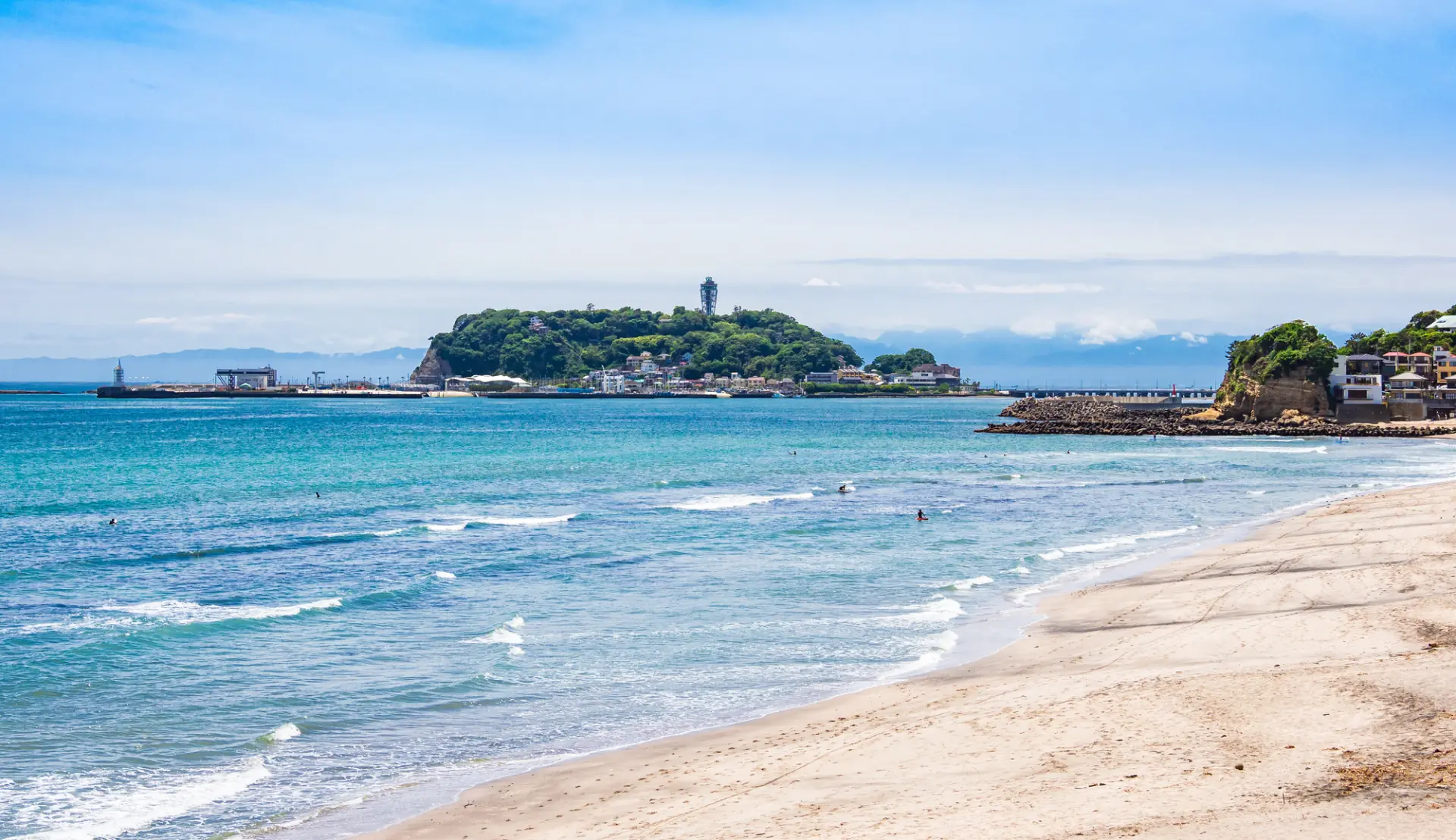
Enoshima is a small island with a circumference of about 4 kilometers, located in Fujisawa City, Kanagawa Prefecture. It's a popular tourist destination attracting visitors year-round.
The island is dotted with captivating highlights: Enoshima Shrine (known for matchmaking blessings), the Enoshima Sea Candle observation lighthouse (the island's symbol), the Samuel Cocking Garden (a botanical garden blooming with seasonal flowers), and the Enoshima Iwaya Caves (sea-carved grottoes).
The open environment — where you can feel the sea breeze, soak in historical atmosphere, and enjoy views of Sagami Bay and Mt. Fuji — draws countless travelers throughout the year.
About 1 hour by train from Tokyo or Shinjuku, the island is very accessible. Using the Enoshima Escar escalator or the Benten-maru sightseeing boat, visitors of all ages — families and couples alike — can explore with ease. For a refreshing day trip, this is the perfect destination.
Getting to Enoshima
| Departure | Route |
|---|---|
| From Shinjuku Station | (1) Odakyu "Romancecar" express to Katase-Enoshima Station, ~1h10m. (2) Shonan-Shinjuku Line via JR Tokaido Line to Fujisawa Station, ~1h. (3) Transfer to Odakyu Enoshima Line to Katase-Enoshima (~6 min) or Enoden to Enoshima Station (~10 min). |
| From Tokyo Station | (1) Shonan-Shinjuku Line via JR Tokaido Line to Fujisawa Station, ~50 min. (2) Transfer to Odakyu Enoshima Line to Katase-Enoshima (~6 min) or Enoden to Enoshima Station (~10 min). |
| From Haneda Airport | (1) Keikyu Line from Terminal 3 to Yokohama Station, ~30 min. (2) JR Tokaido Line to Fujisawa Station, ~20 min. (3) Transfer to Katase-Enoshima (~6 min) or Enoshima Station (~10 min). |
Note: The Odakyu Romancecar to Enoshima has significantly different schedules on weekdays vs. holidays — please check in advance.
Enoshima Day Trip Recommended Route
The route below follows the visiting order. The New Enoshima Aquarium at the end is a great option when you have extra time or for return visits.
9:15 — Enoshima Benzaiten Nakamise Street
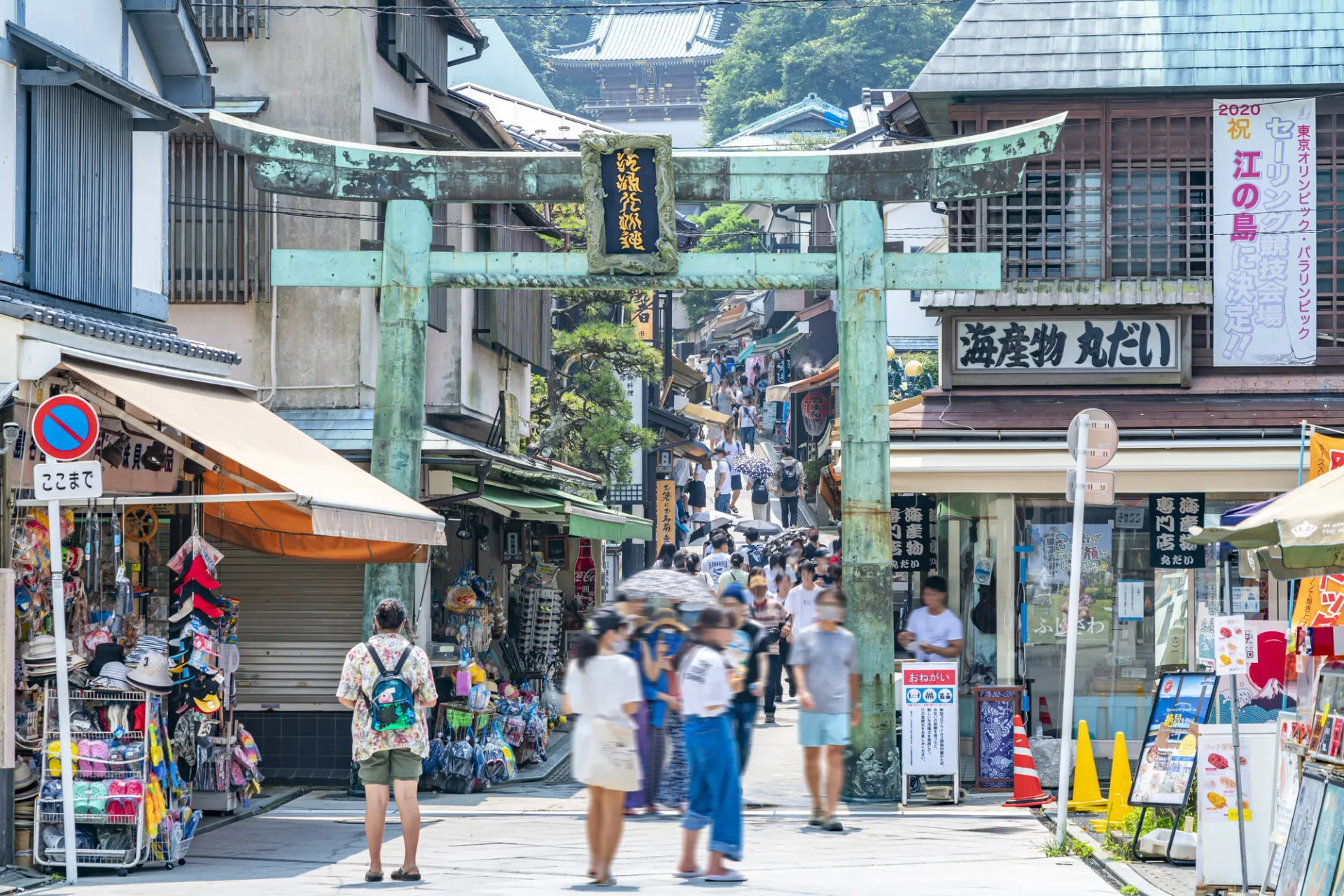
From Odakyu Katase-Enoshima Station or Enoden Enoshima Station, walk across the Benten Bridge (15-20 minutes) to reach the island.
Stretching about 150 meters from the bronze torii gate at the island's entrance to Enoshima Shrine's vermilion torii, this bustling approach is always packed with tourists — the gateway to Enoshima sightseeing.
Both sides are lined with long-established inns, souvenir shops, cafés, and eateries. Enjoy pre- and post-shrine strolling, sample Enoshima cuisine, and pick up souvenirs all in one go.
Beyond the signature fresh shirasu (whitebait) rice bowls and seafood donburi, there are eye-catching street foods like the "Tako Senbei" — whole octopus pressed into a cracker. Perfect for eating on the go!
9:50 — Enoshima Shrine (Enoshima Jinja)
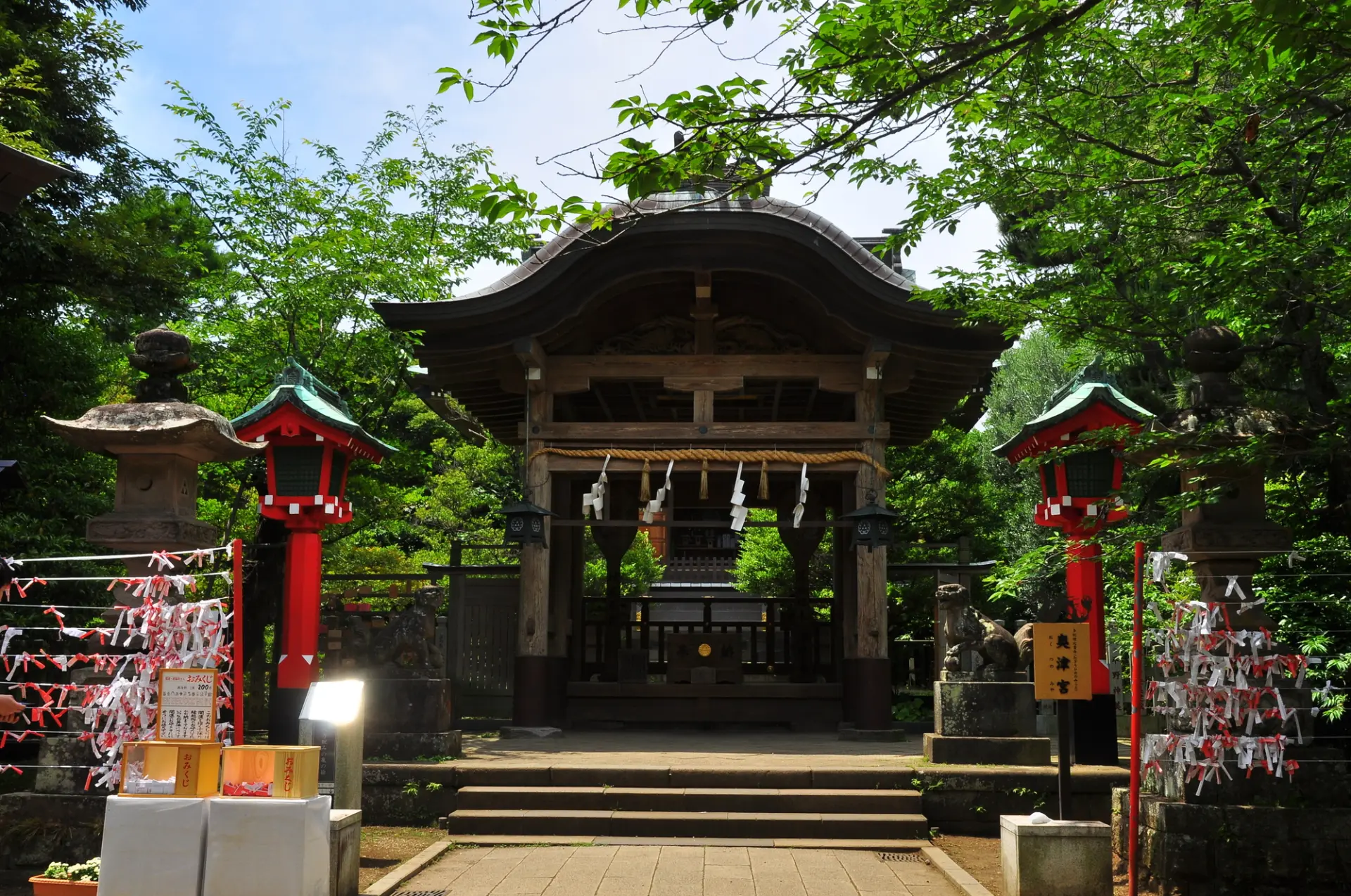
Listed among "Japan's Three Great Benzaiten," Enoshima Shrine dates back to the era of Emperor Kinmei and has been a sacred site for Shugendo mountain worship and Benzaiten devotion. The shrine comprises three halls — Hetsu-no-miya, Nakatsu-no-miya, and Okutsu-no-miya — said to bless visitors with matchmaking, financial fortune, and artistic achievement.
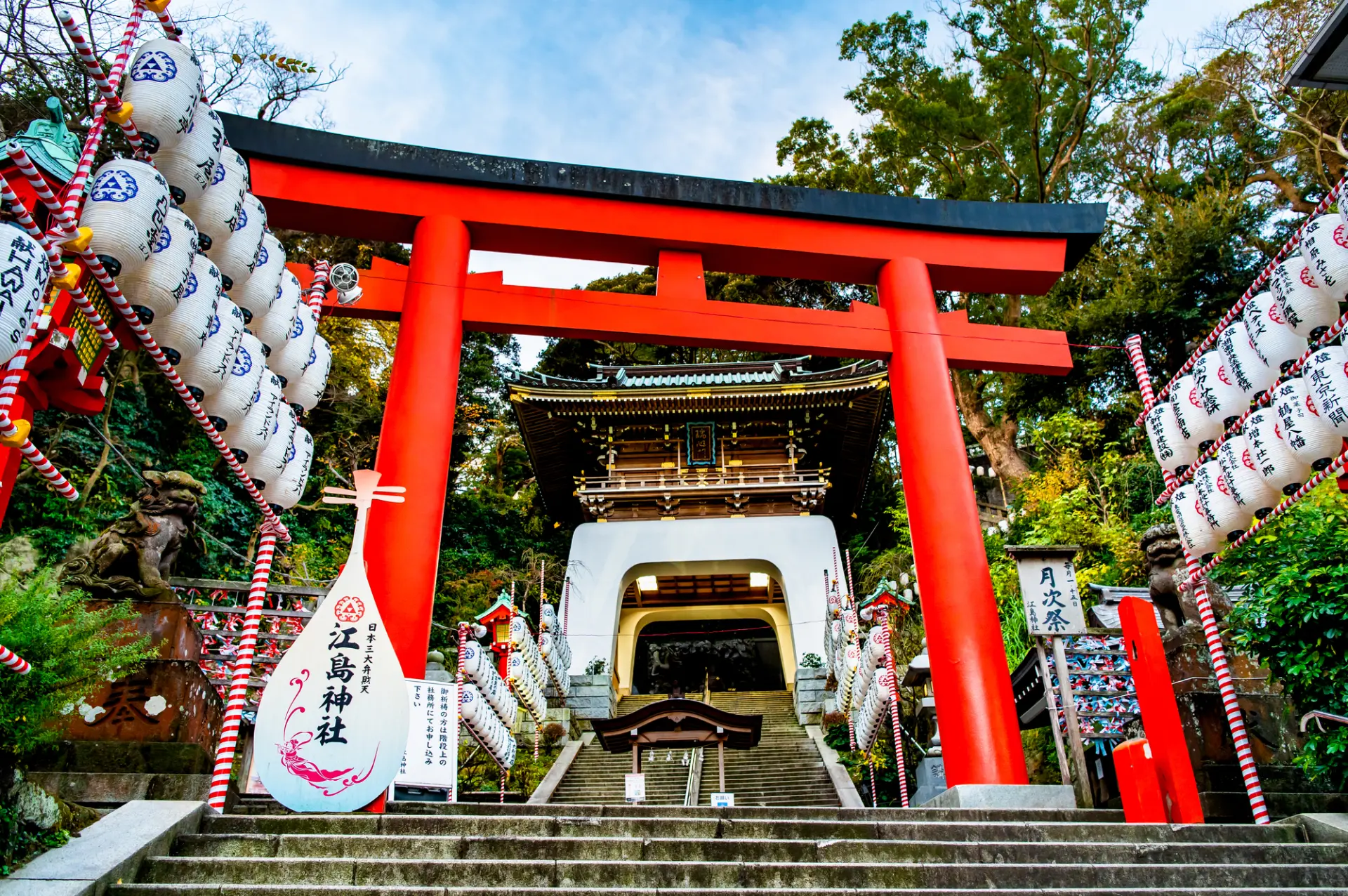
Climb the stone steps past the Benzaiten Nakamise approach, and the first shrine you encounter is Hetsu-no-miya. This popular matchmaking spot features a colorful main hall and a Benzaiten statue housed in the sanctuary. Legend says writing your wish on a pink ema (votive tablet) and offering it here will make your wish come true.
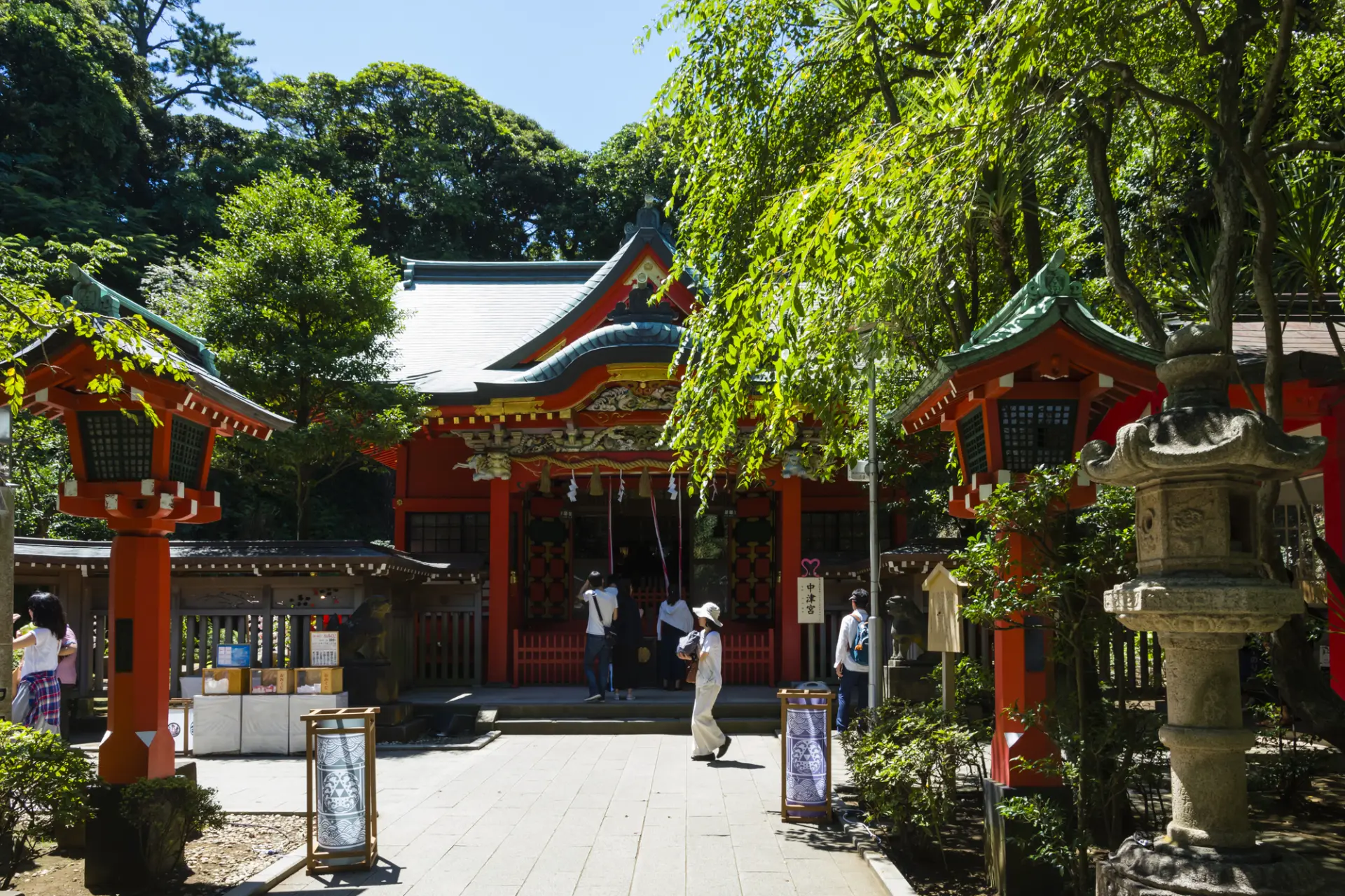
Further up, Nakatsu-no-miya sits at the island's midpoint, its striking vermilion hall recreating its Genroku-era restoration. Many come to pray for good relationships and artistic skills. The ocean-facing location offers expansive, beautiful views.
Deepest in, Okutsu-no-miya is surrounded by forest in a serene atmosphere. Notable features include the 1976 ceiling painting "Eight-Directional Glaring Turtle," a turtle-shaped rock, and a torii gate donated by Minamoto no Yoritomo.
Enoshima Escar (Escalator)
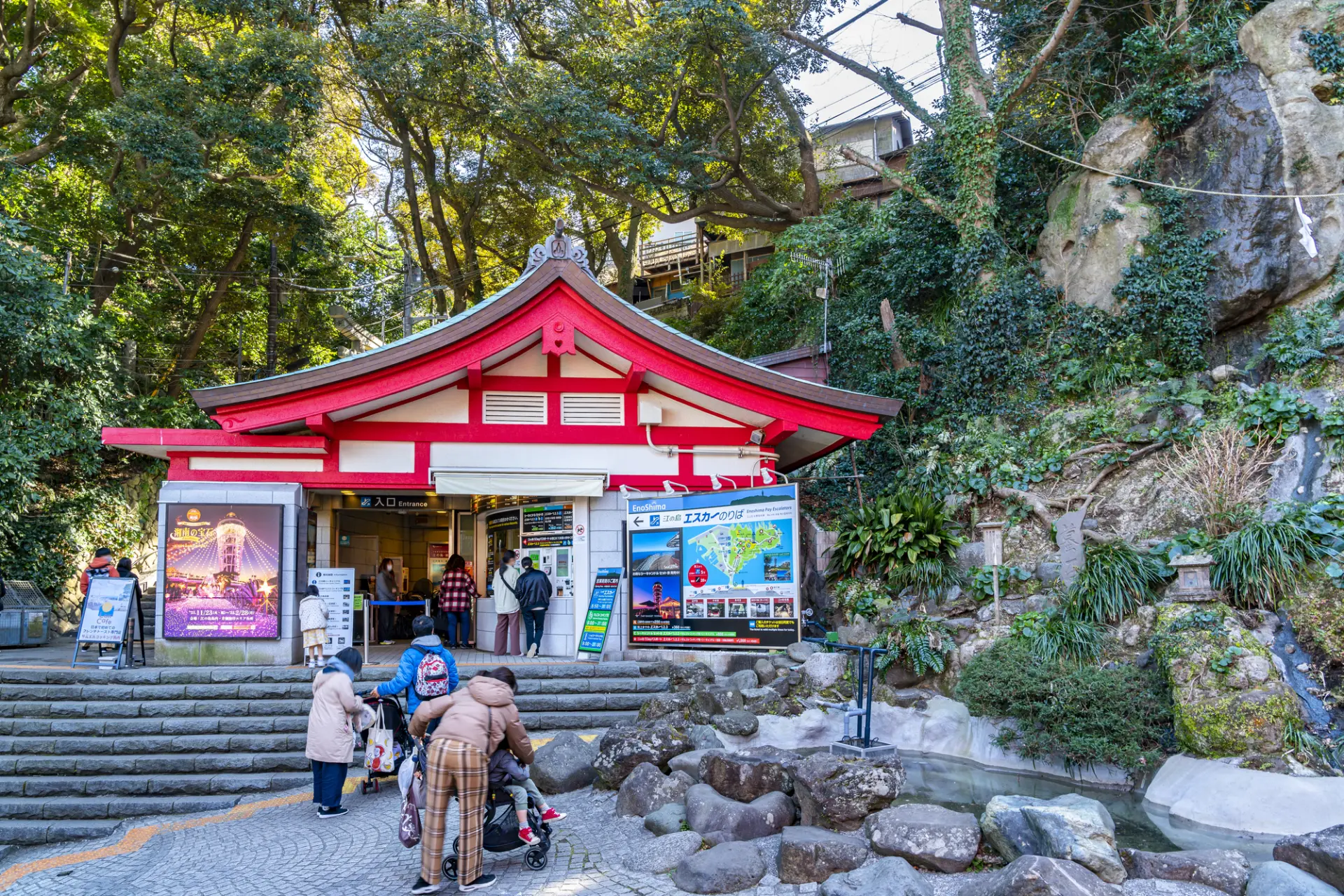
If the stairs and slopes to Enoshima Shrine feel too challenging, the "Enoshima Escar" — an upward-only escalator — is recommended. Four connected escalators cover about 106 meters in length and 46 meters in elevation, transforming a 20-minute walk into an easy 5-minute ride to the hilltop.
You can get off at transfer points along the way to visit Hetsu-no-miya and Nakatsu-no-miya. It's also convenient for heading straight to the Samuel Cocking Garden and Sea Candle at the summit.
11:30 — Samuel Cocking Garden
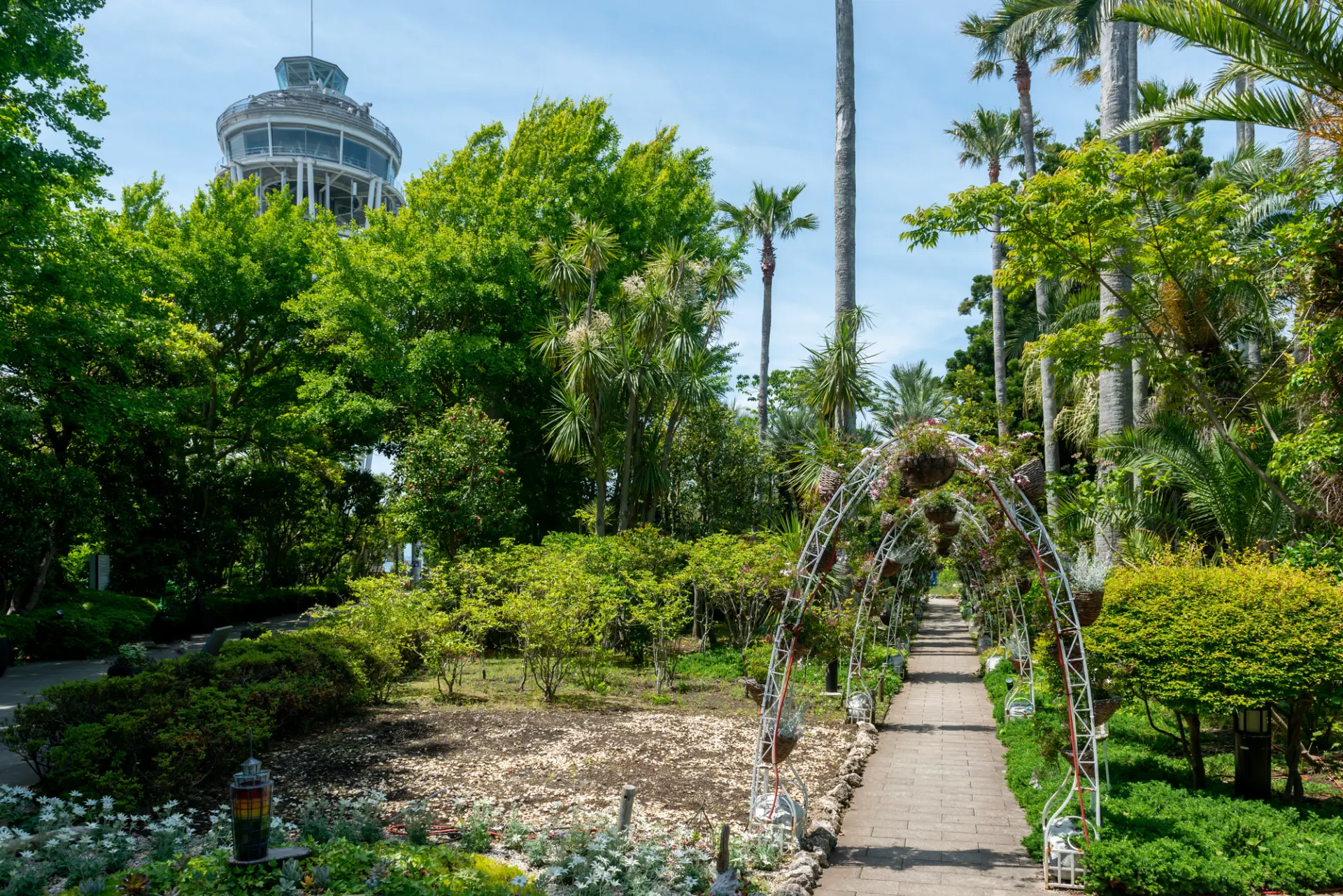
A large garden centered around the Sea Candle area at Enoshima's summit. Originally built in 1885 by Irish trader Samuel Cocking as a Japanese-Western hybrid garden, the roughly 10,000 sqm grounds feature rare plants from around the world with seasonal blooms throughout the year.
The garden houses cafés, shops, plazas, remains of what was once touted as the largest brick greenhouse in the Orient, and the iconic Sea Candle.
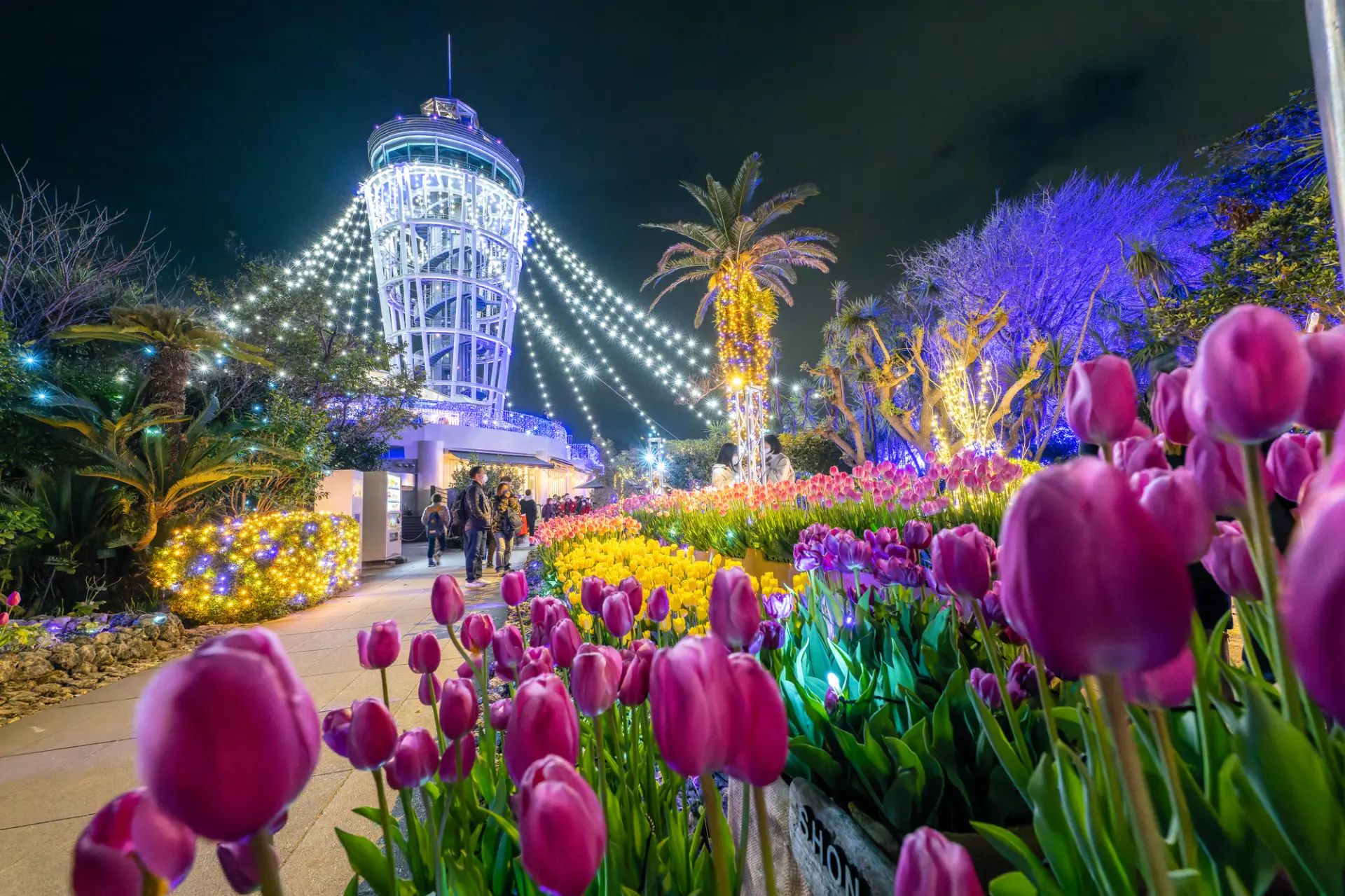
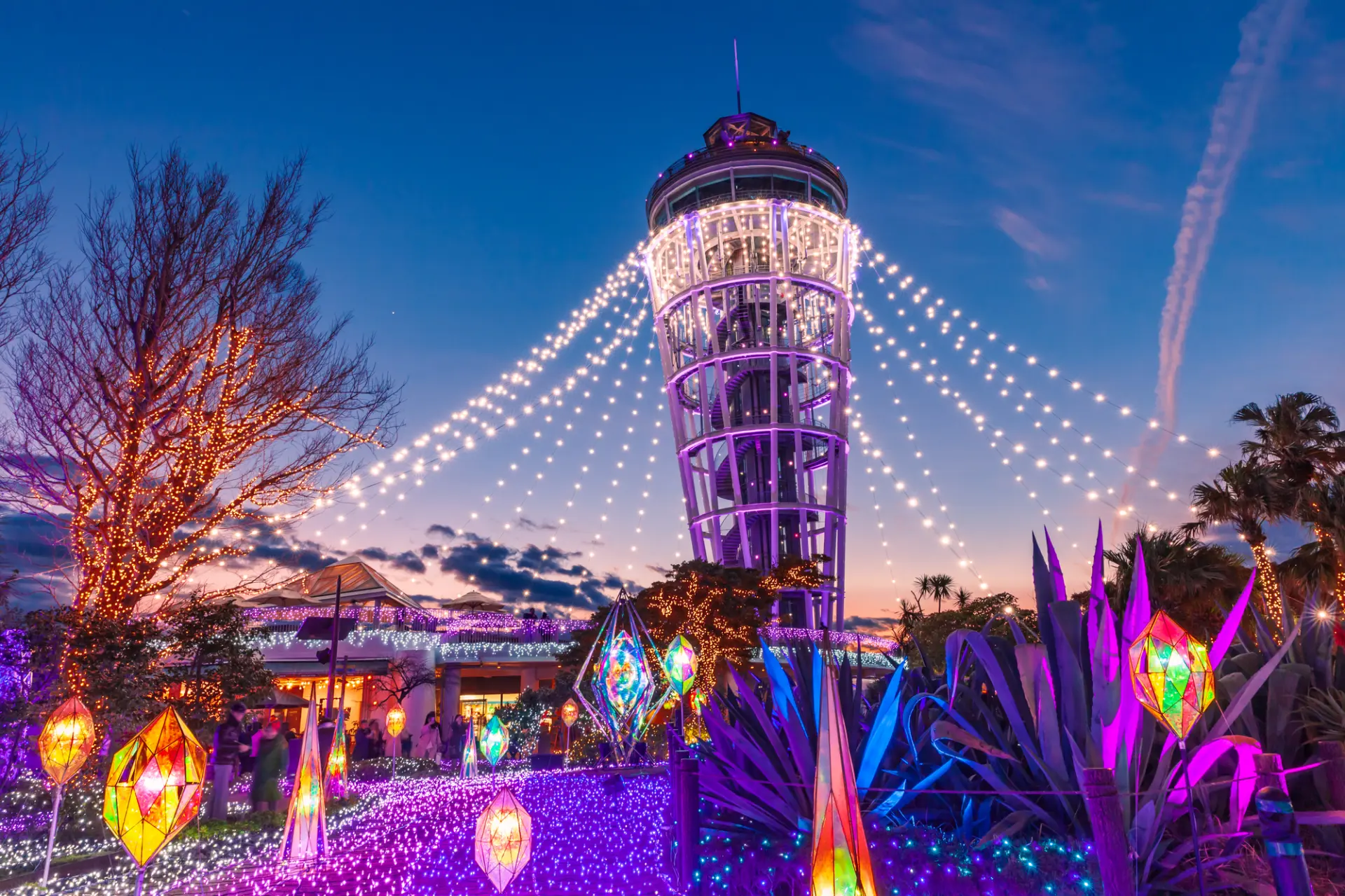
Seasonal nighttime events include the "Enoshima Lanterns" (Jul-Aug), "Shonan Candle" (Oct-Nov), and "Jewels of Shonan" (Nov-Feb), offering completely different atmospheres by day and night.
13:00 — Enoshima Sea Candle (Lunch at Nearby Restaurants)
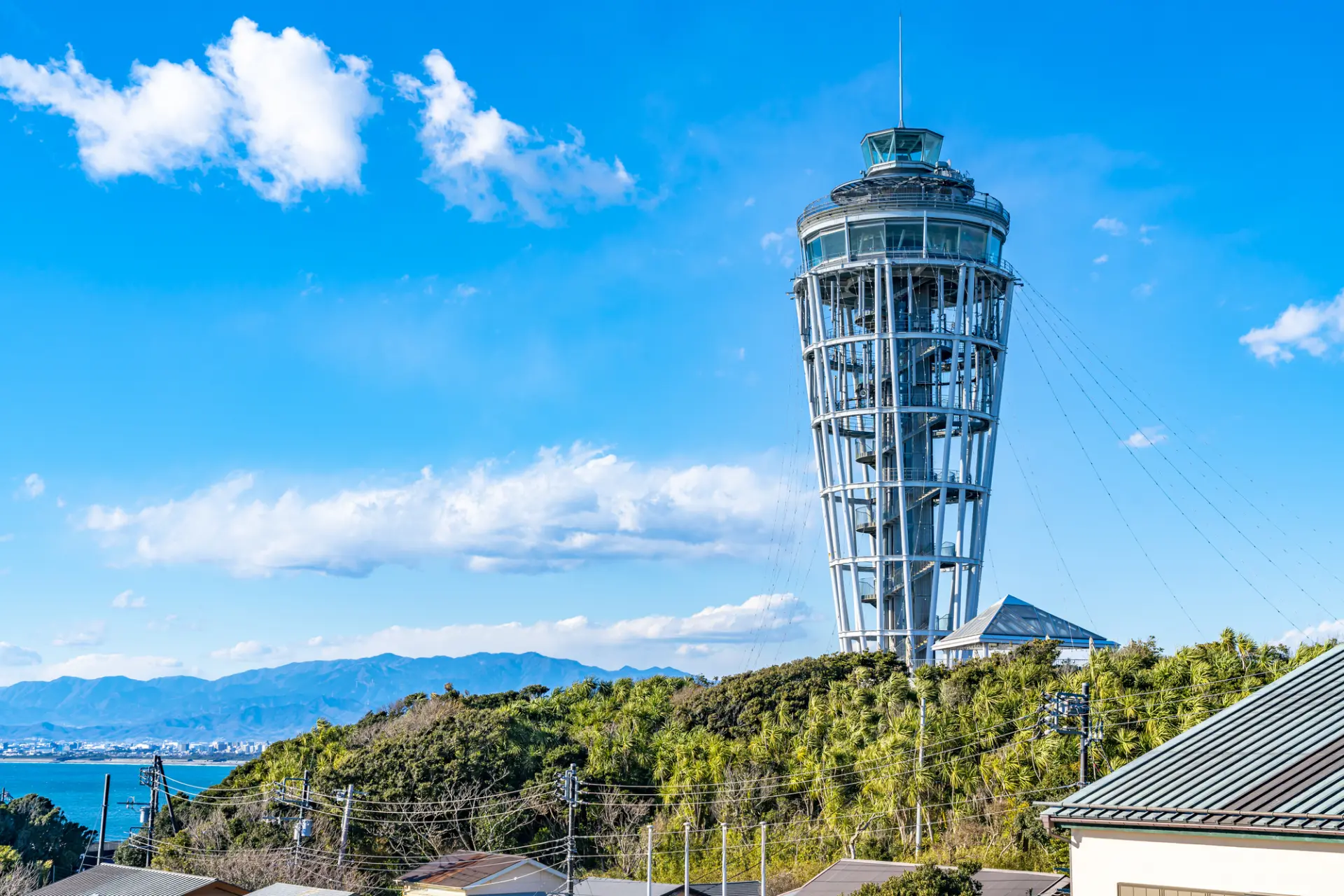
Standing 59.8 meters tall (including lightning rod) within the Samuel Cocking Garden, this observation lighthouse was originally born in 1951 as Japan's first privately-funded lighthouse, then renovated in 2003. Its striking glass tower design has become Enoshima's beloved new symbol.
The glass-enclosed observation floor sits at 41.75m (101.56m above sea level), while the rooftop outdoor deck offers 360-degree panoramic views in the open breeze.
By day, enjoy views of Mt. Fuji and the blue waters of Sagami Bay; on clear days, you can even see Izu Oshima, the Miura Peninsula, and toward Yokohama. At night, the tower and garden light up together — during illumination events, the atmosphere becomes truly magical and romantic.
14:15 — Lovers' Hill & Bell of the Dragon's Love
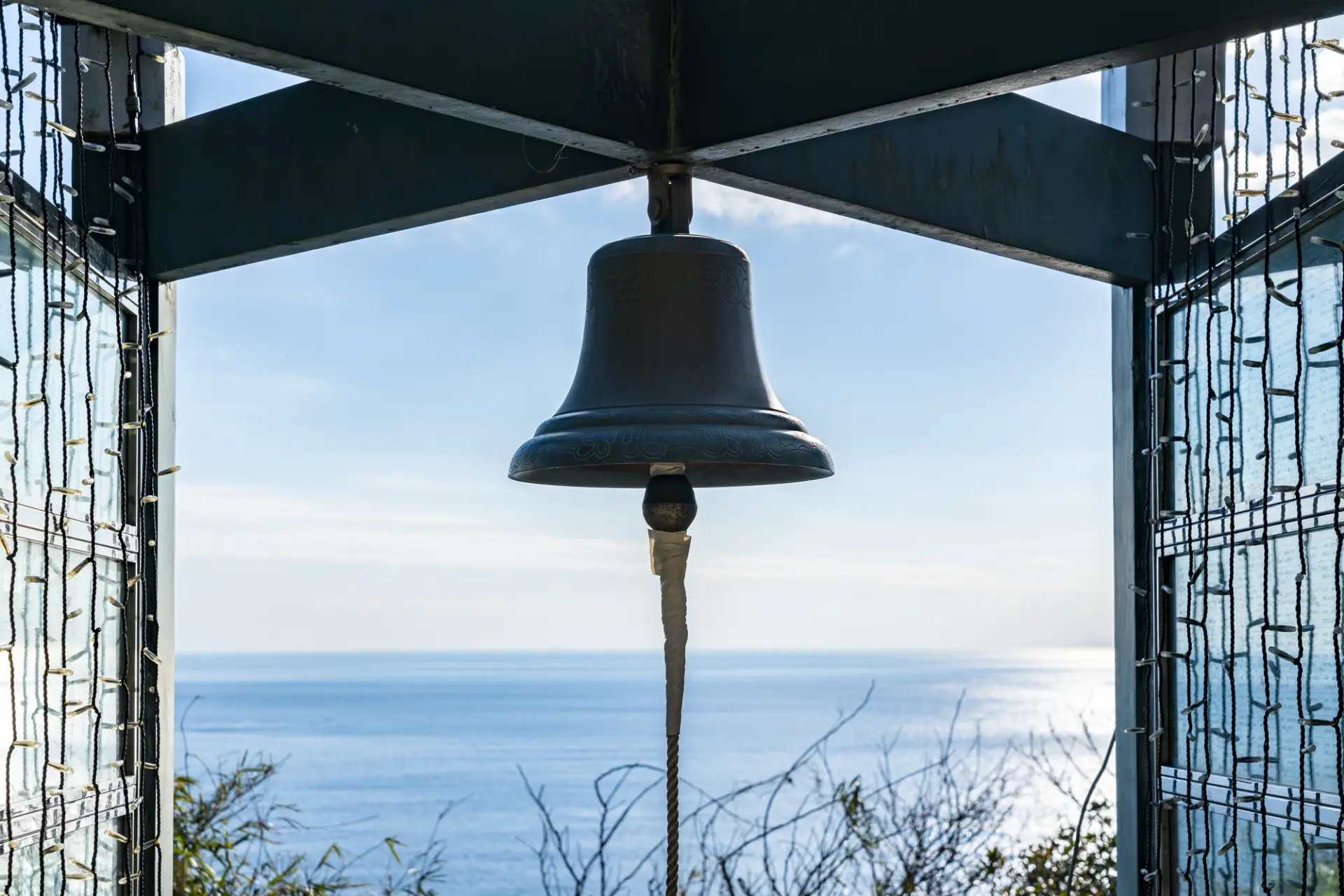
A couples' power spot on the western highlands of Enoshima. This bell was inspired by the Enoshima legend of a celestial maiden and a five-headed dragon's love story, drawing many couples to visit.
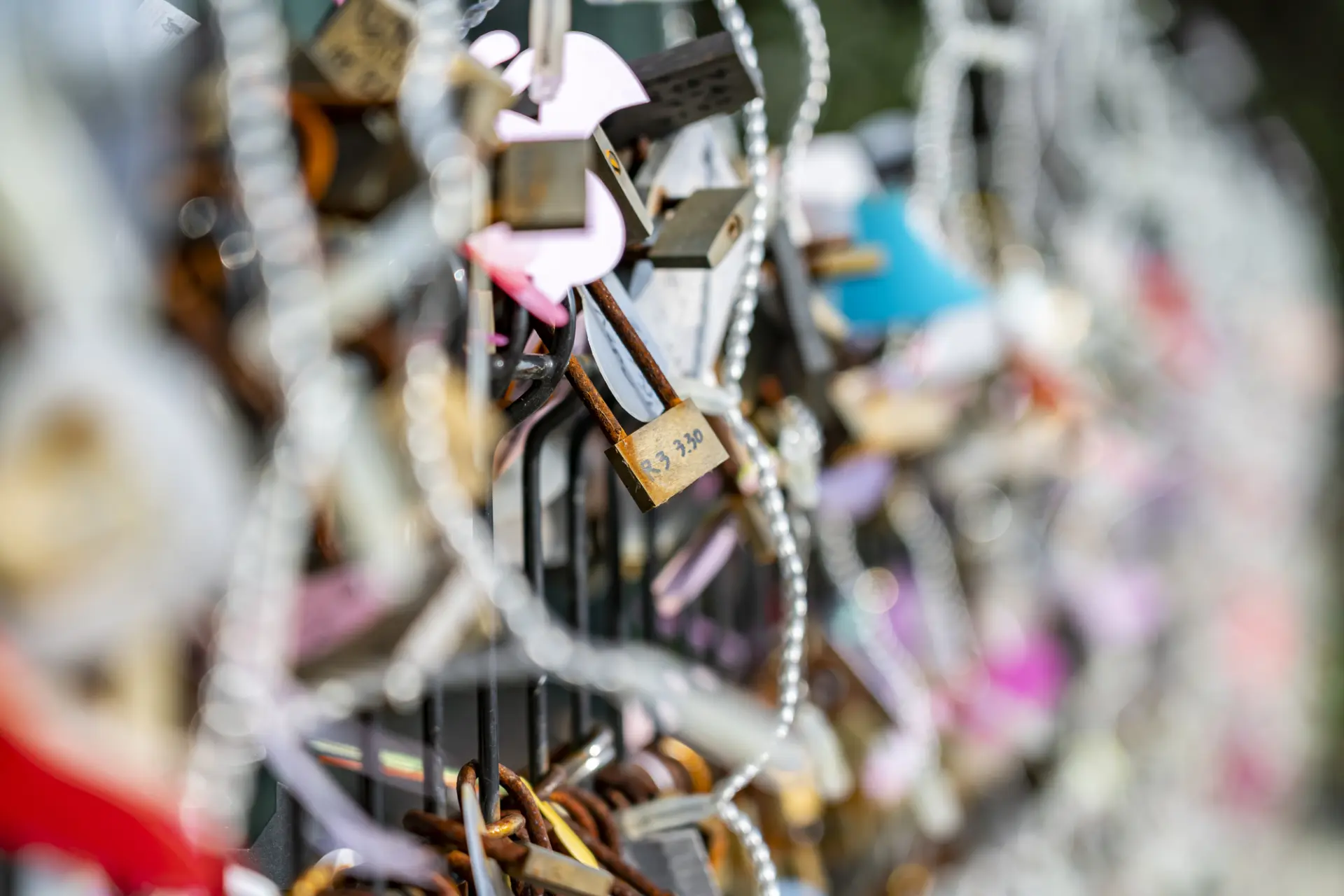
The fence beside the bell is covered in colorful padlocks inscribed with couples' names and anniversary dates — a beautiful sight. From the hilltop, you can gaze across Sagami Bay and Mt. Fuji, with sunset views that are especially romantic.
15:00 — Enoshima Iwaya Caves
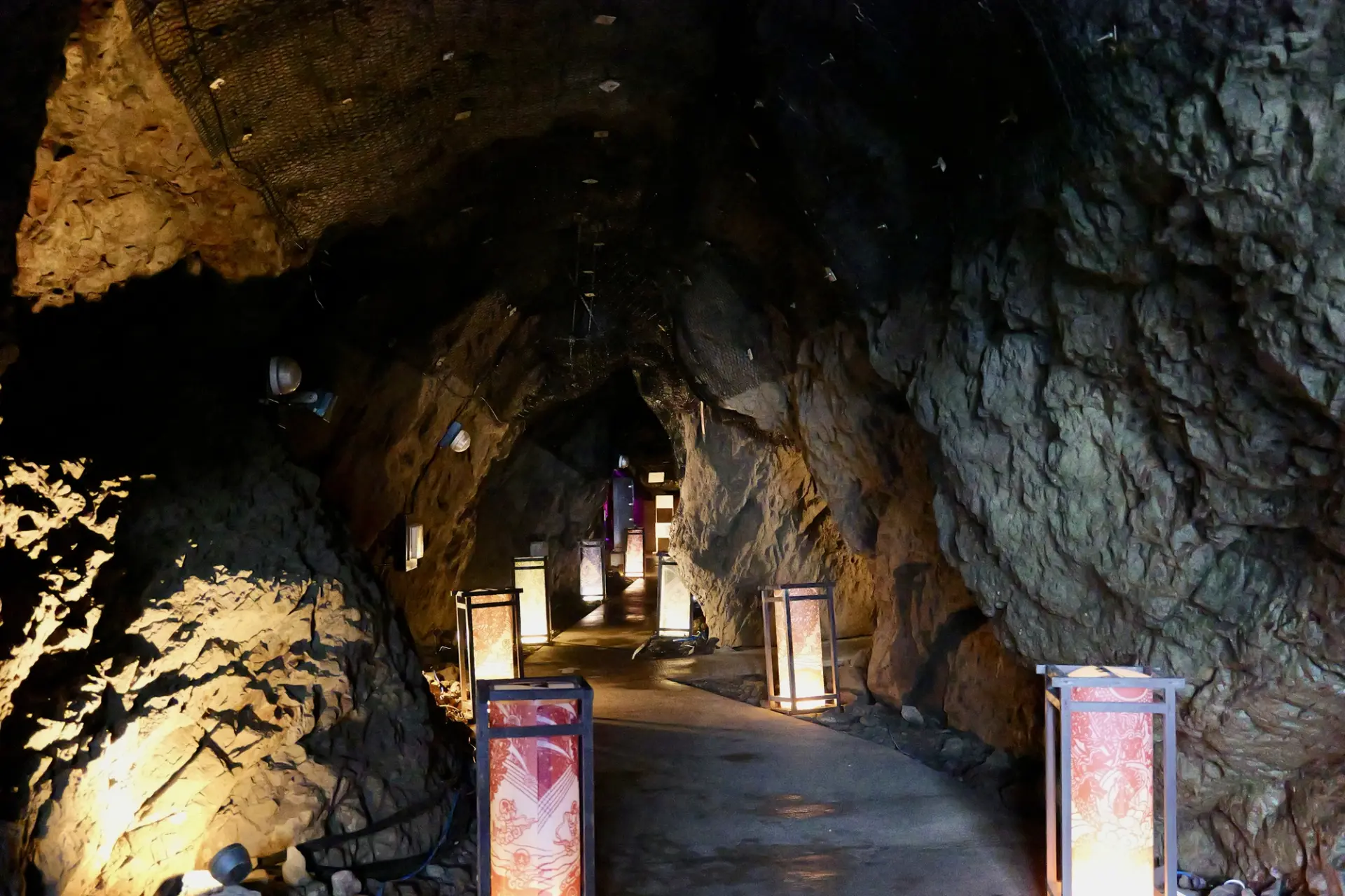
Located at the deepest point of Enoshima, these sea-eroded grottoes were carved over eons by ocean waves. Legend says both Kobo Daishi and Nichiren Shonin practiced asceticism here, and Minamoto no Yoritomo came to pray before his Oshu campaign — making these caves the birthplace of Enoshima worship since ancient times.
The caves consist of the approximately 152-meter-deep First Iwaya and the 56-meter-deep Second Iwaya, which is also said to be the stage of the dragon god legend. Stone statues and rock walls illuminated by candlelight create a mysterious atmosphere.
15:30 — Chigogafuchi
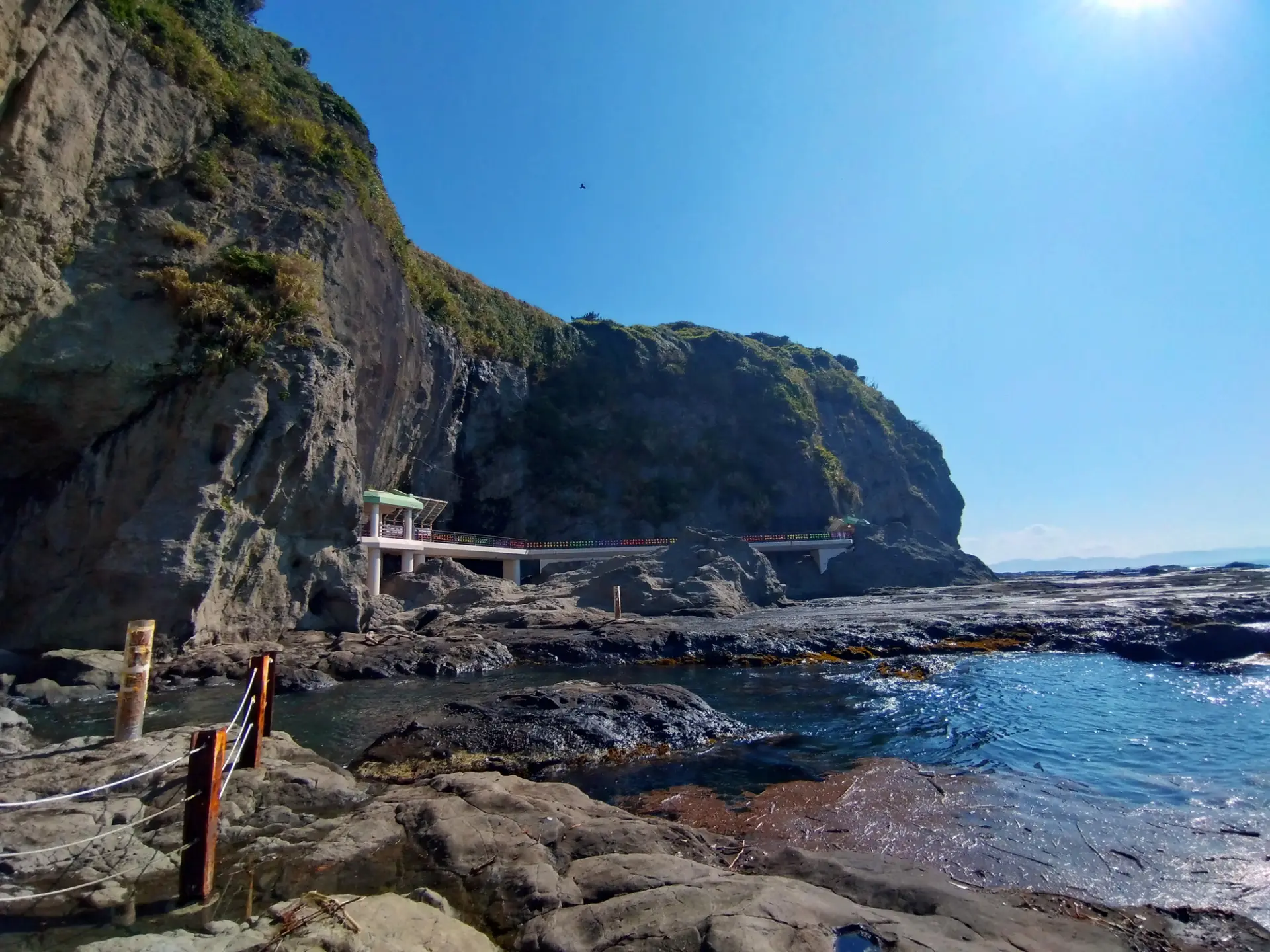
This flat rocky shore at Enoshima's westernmost point takes its name from the tragic love legend of the youth Shiragiku, said to have cast himself into the sea here. The dramatic wave-cut platform was formed by long years of erosion and tectonic uplift from the Great Kanto Earthquake.
On clear days, you can see toward Mt. Fuji and the Izu Peninsula. By day, visitors enjoy tide-pooling and fishing among the rocks. At sunset, the sea surface turns a stunning orange — earning this spot a place among Kanagawa's "50 Best Scenic Views."
16:00 — Benten-maru Sightseeing Boat
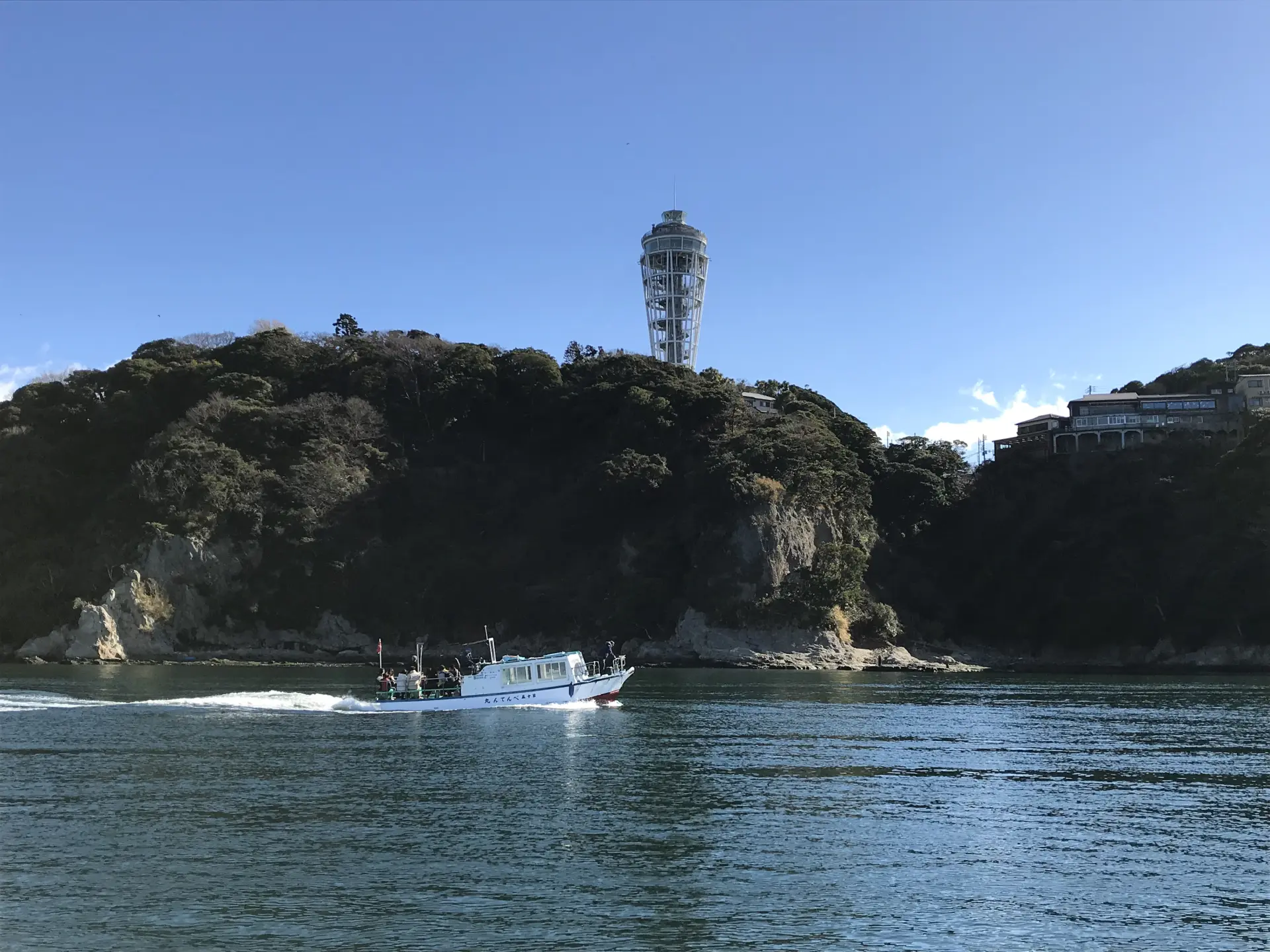
This small sightseeing boat runs between the Benten Bridge pier and Chigogafuchi deep inside Enoshima. Walking would take about 40 minutes over hilly terrain, but the boat covers it in just 6 minutes. Taking it one way makes island touring much easier — on this itinerary, we recommend using it for the return trip.
From the boat, enjoy close-up views of Enoshima's cliffs and Sagami Bay. Though short, it's a delightful mini-cruise experience.
Extra Time: New Enoshima Aquarium
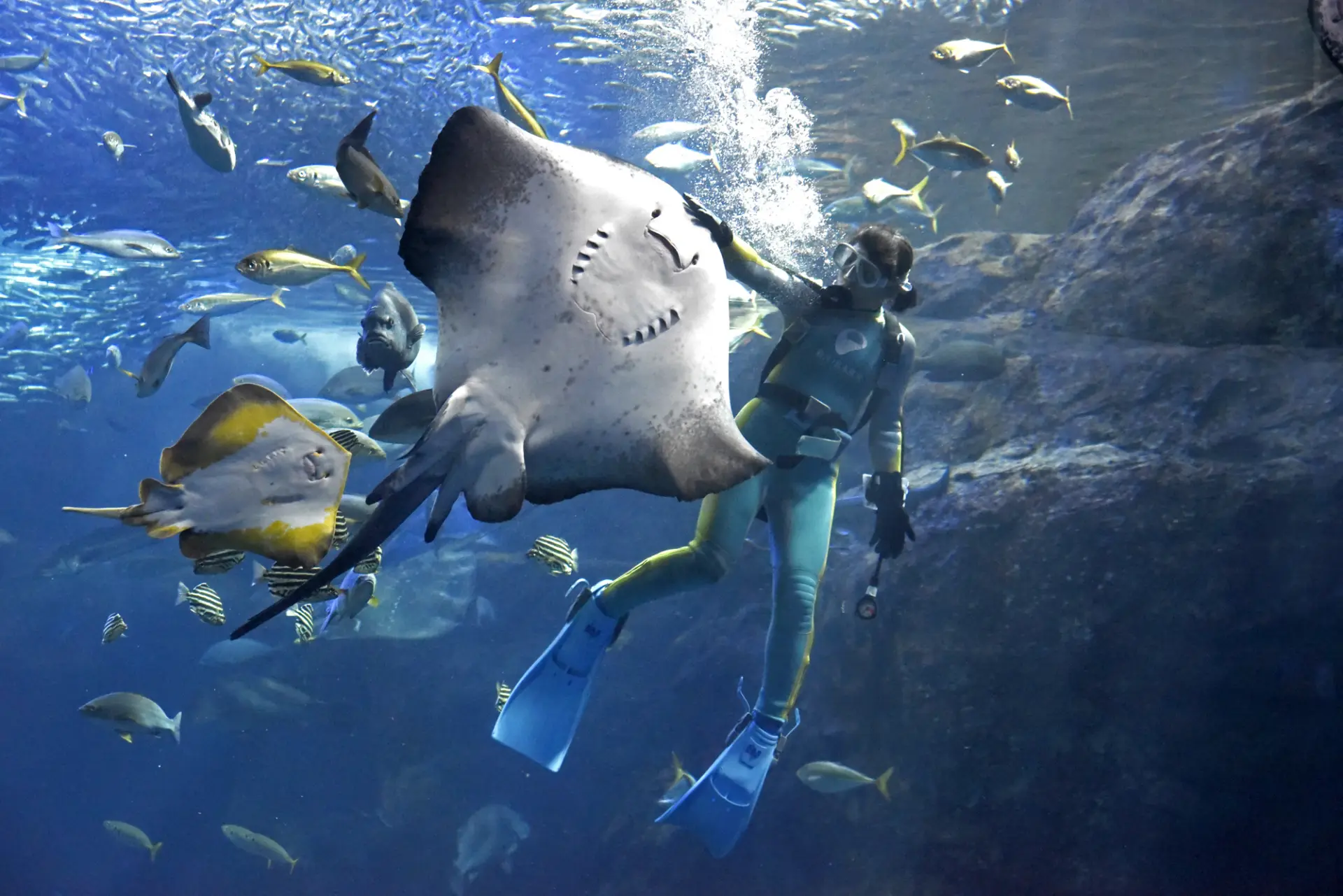
If you're staying overnight near Enoshima or have extra time, we recommend visiting "Enosui" — the New Enoshima Aquarium.
Located along the Kugenuma coast before reaching Enoshima, this aquarium themed around "marine life of Sagami Bay and the Pacific" features a massive 6.5-meter-deep tank recreating Sagami Bay's environment, home to about 8,000 sardines, sharks, rays, and some 100 species totaling 20,000 fish swimming gracefully.
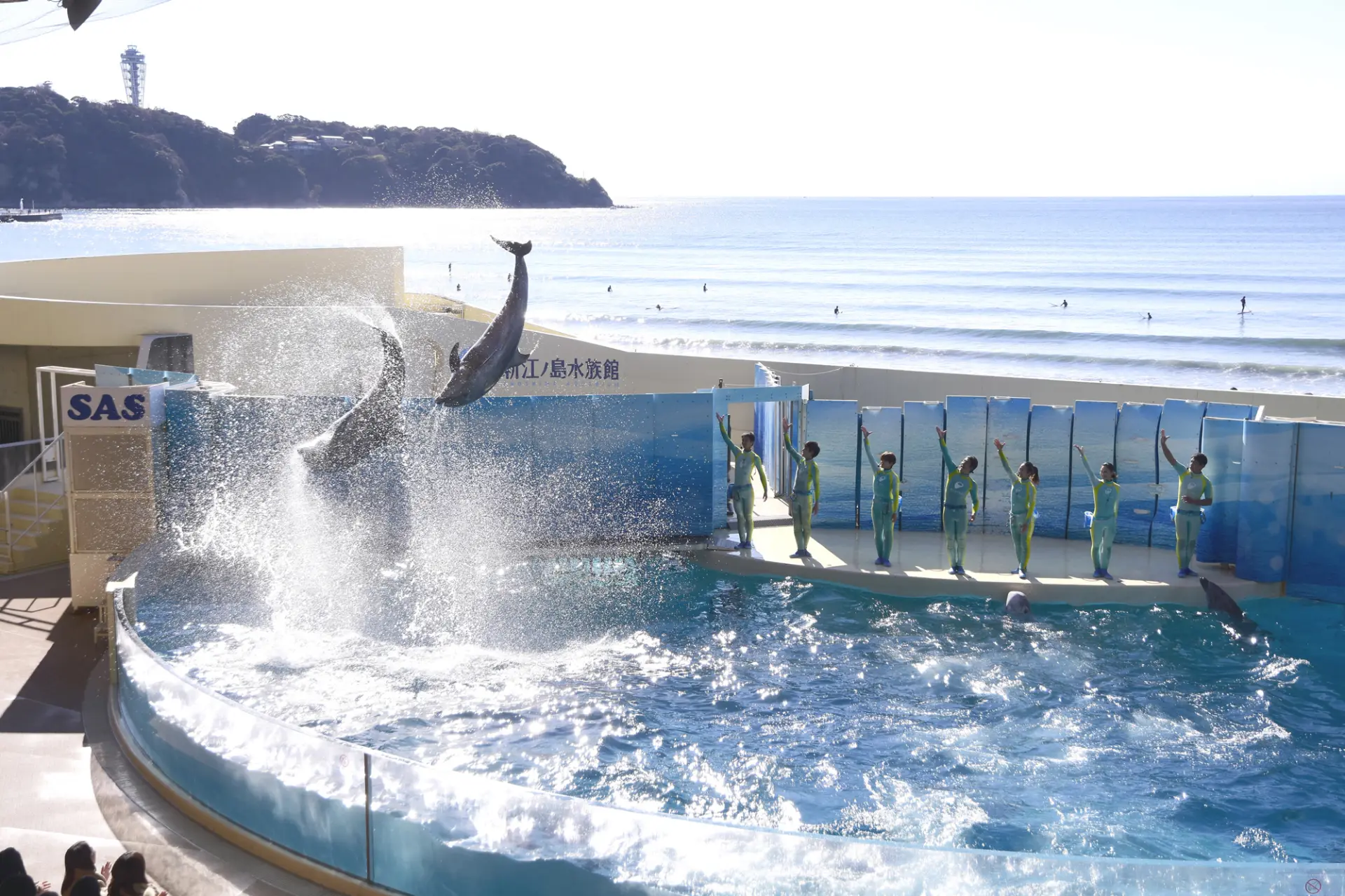
The "Jellyfish Fantasy Hall" showcases over 40 jellyfish species at all times, floating ethereally in a light-art space. The dolphin show theater with Mt. Fuji and Enoshima as its backdrop features impressive bottlenose dolphin performances.
Day Trip Itinerary at a Glance
| Time | Spot | Getting There |
|---|---|---|
| 8:00 | Katase-Enoshima / Enoshima Station | — |
| 8:10 | Enoshima Hut (breakfast) | ~3-12 min walk |
| 9:15 | Benzaiten Nakamise Street | ~15 min walk |
| 9:50 | Enoshima Shrine | ~5 min walk / Escar |
| 11:30 | Samuel Cocking Garden & Sea Candle | ~5 min walk from Nakatsu-no-miya |
| 13:00 | iL CHIANTI CAFE Enoshima (lunch) | ~5 min walk |
| 14:15 | Lovers' Hill — Bell of the Dragon's Love | ~15 min walk |
| 15:00 | Enoshima Iwaya Caves | ~10 min walk |
| 15:30 | Chigogafuchi | ~5 min walk |
| 16:00 | Benten-maru boat back to Benten Bridge | ~5 min walk to pier |
If staying overnight or have extra time, add New Enoshima Aquarium.
3 Must-Try Enoshima Food Spots
1. Enoshima Hut
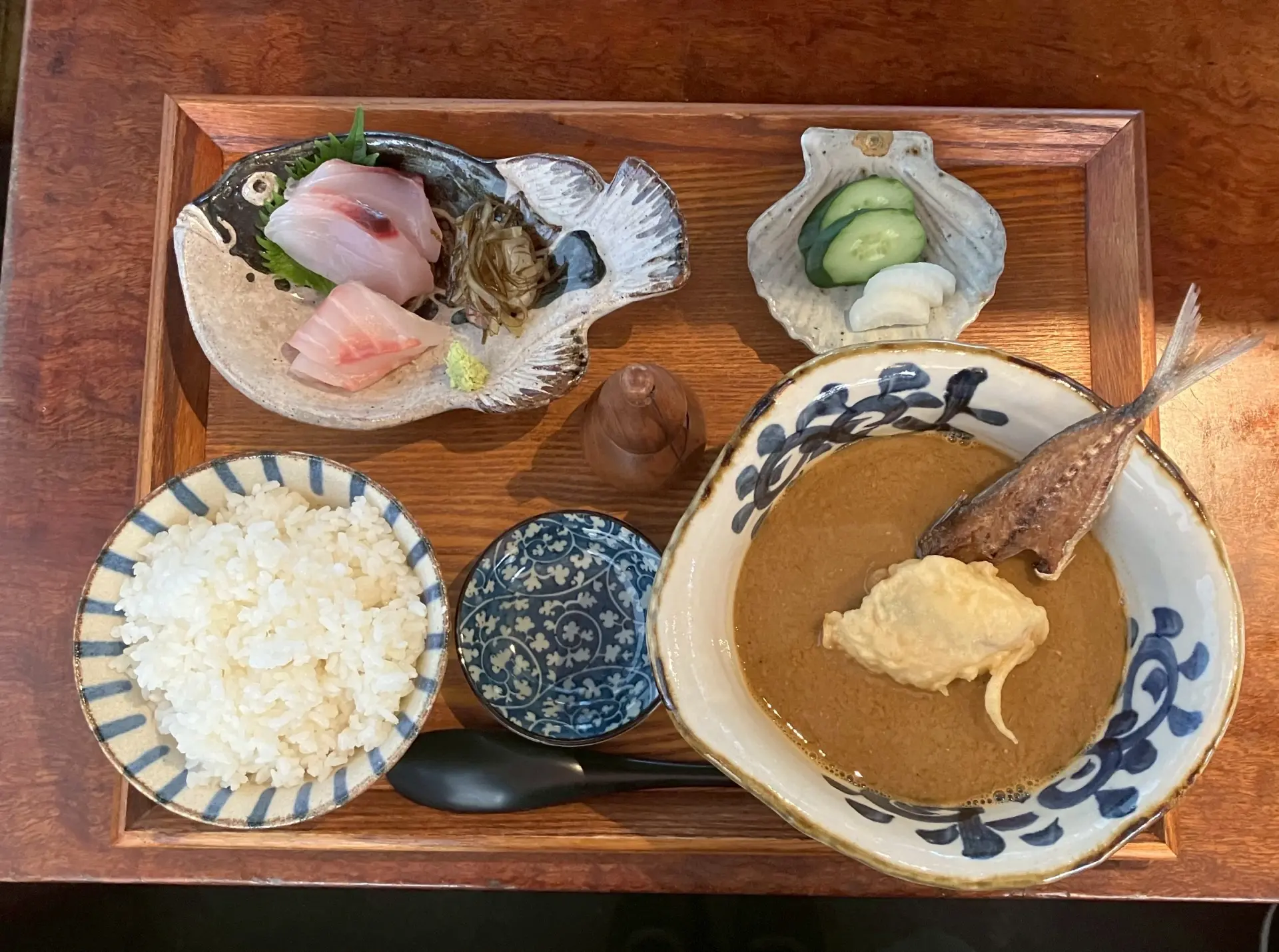
A popular seafood restaurant by Katase Fishing Port, using fish delivered directly from ports across Japan.
Overlooking the ocean from its prime location in front of Katase Port, it's a perfect stop before Enoshima sightseeing or the aquarium. The signature dish is the "Staff Meal Don" — various minced fresh fish on rice topped with a secret sesame sauce. Their "Fisherman's Soup Set" with a rich broth of dozens of fish and shellfish served with vegetables is a beloved breakfast option, available from 8 AM.
2. Asahido Honten
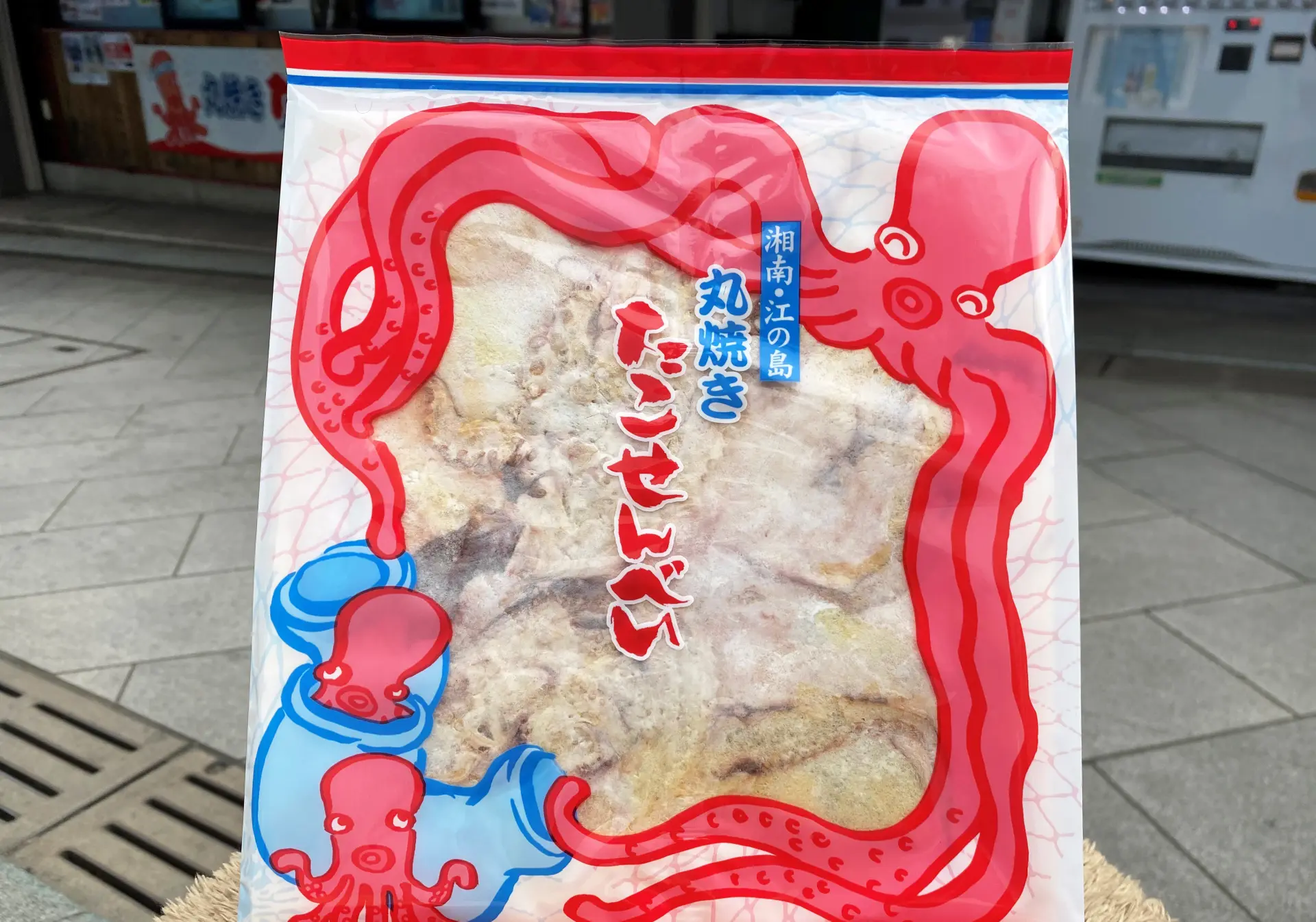
A shop on Benzaiten Nakamise Street famous for Enoshima's signature whole pressed octopus senbei. Fresh whole octopus is placed on a hot iron plate and pressed at a massive 1-ton pressure to create crispy, umami-rich crackers — perfect for eating while walking. The aroma draws many passersby, and lines are common.
3. Kinokuni-ya Honten
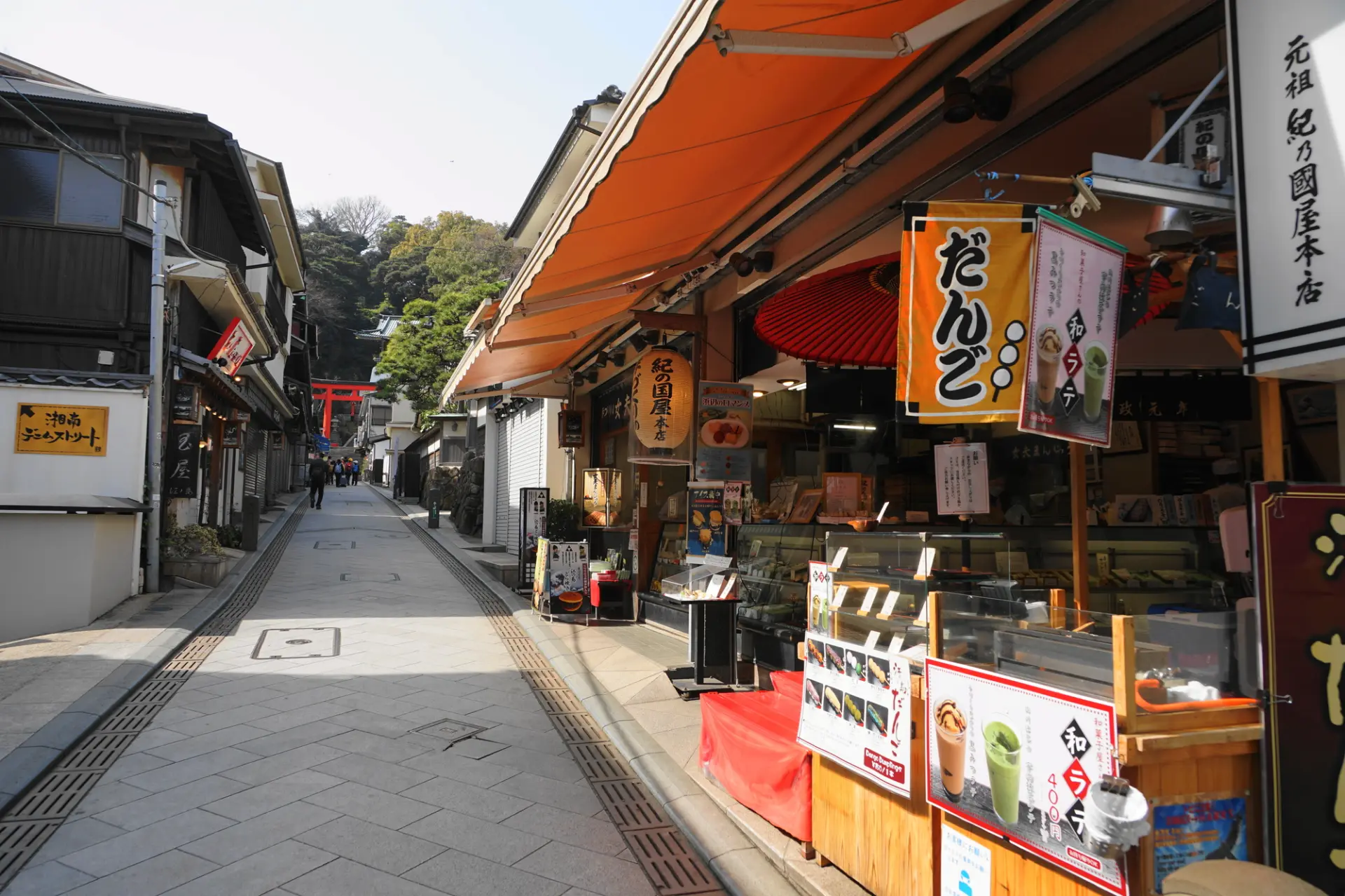
Founded in 1789 (Kansei 1), this long-established wagashi (Japanese sweets) shop also on Nakamise Street. The specialty is "Meoto Manju" — paired buns with handmade red bean filling, available in two flavors: a brown sugar-scented tea bun with tsubuan (chunky beans) and a white bun with sake-infused skin and koshian (smooth beans).
Also available: conch-, clam-, and scallop-shaped "Enoshima Monaka," grilled "Enoshima Dango" with secret mitarashi sauce, and "Ice Cream Monaka" with red bean and ice cream. Perfect for snacking or souvenirs.
2 Ocean-View Cafés Worth a Detour
1. iL CHIANTI CAFE Enoshima
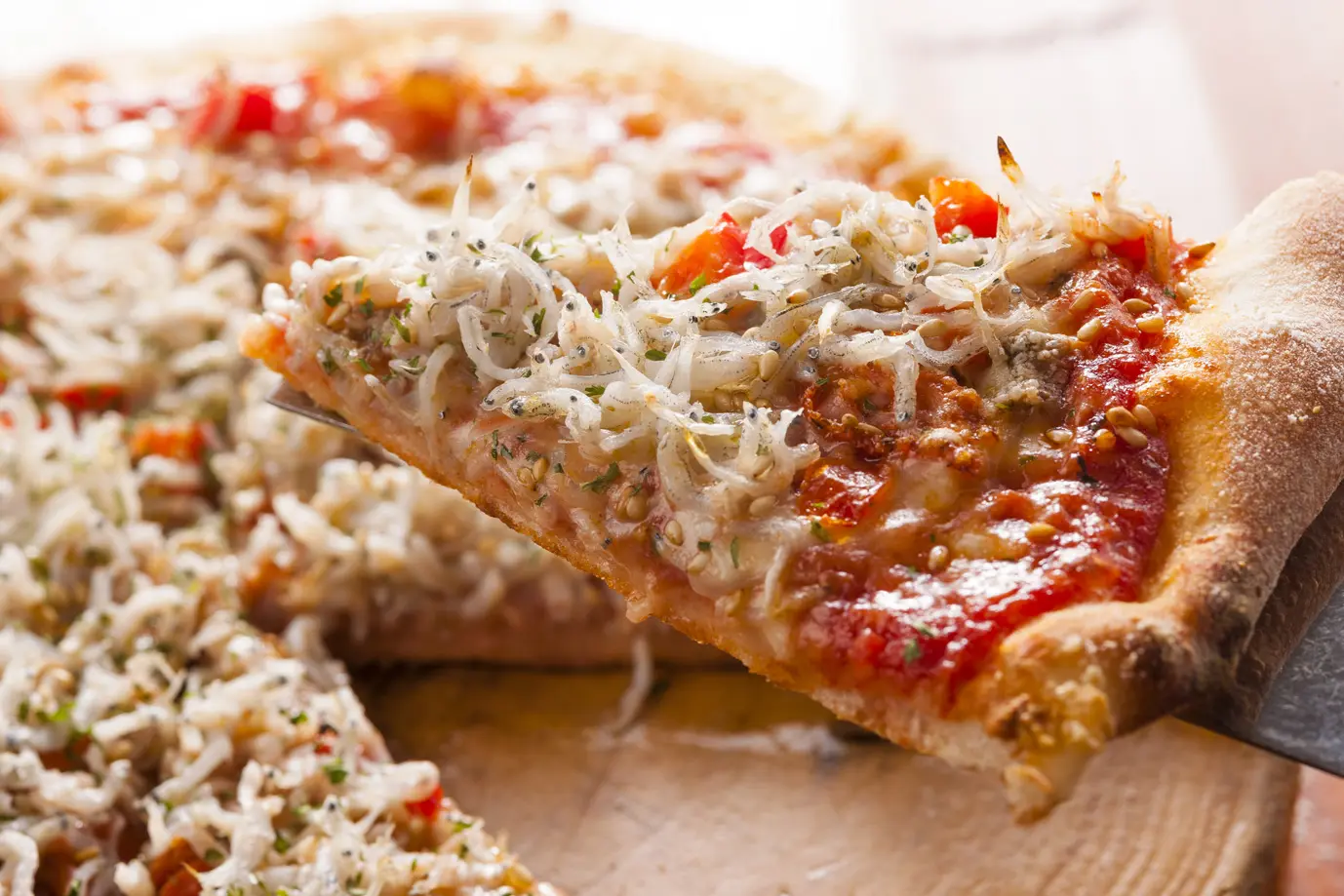
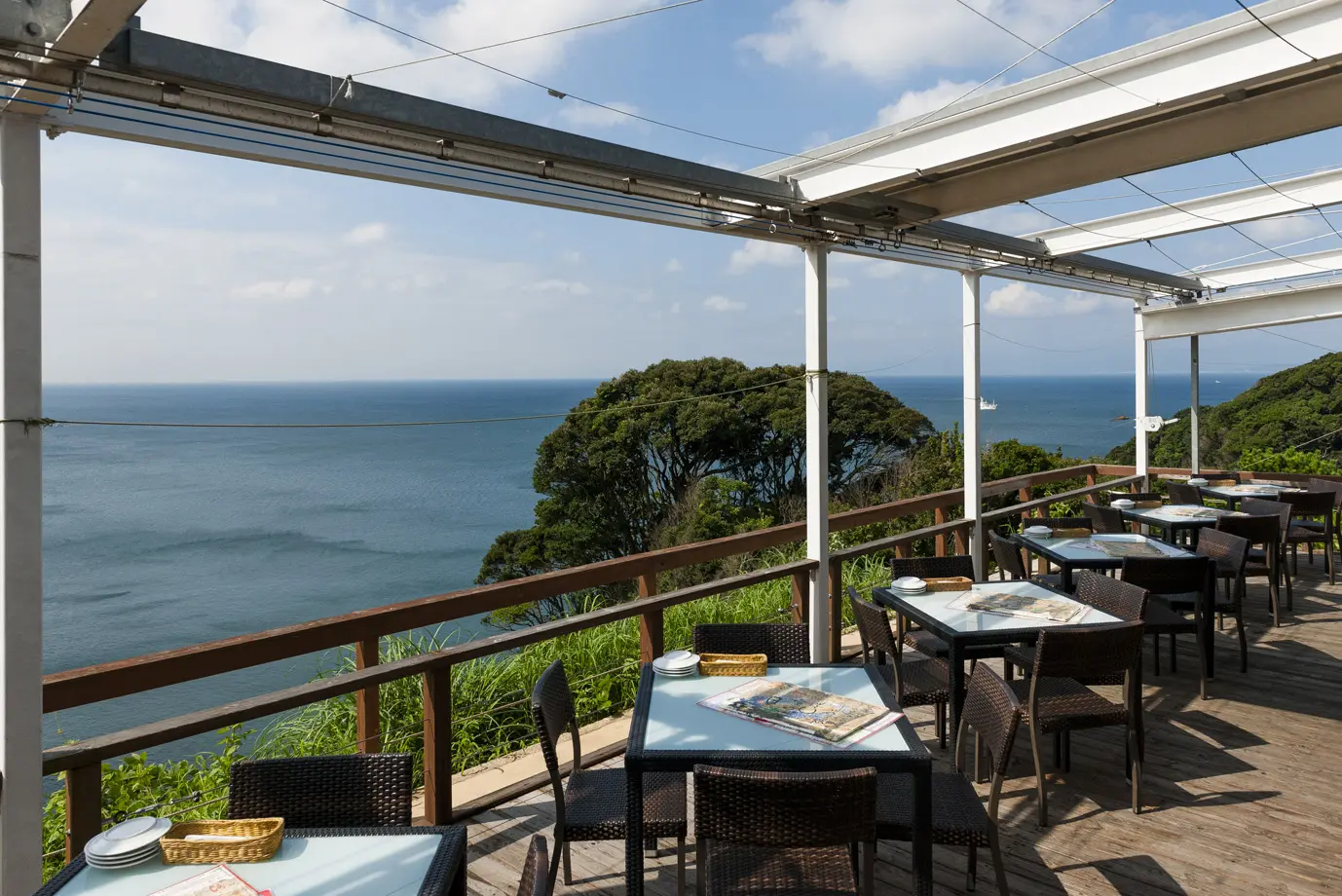
An all-ocean-view café at Enoshima's hilltop area. The interior and terrace seating, inspired by Sicilian clifftop restaurants, offer an incredible sense of openness with unobstructed ocean panoramas.
With about 100 menu items, enjoy Shonan-style Italian cuisine featuring local seafood — including shirasu pizza and pasta. Wine, gelato, tiramisu, and other café desserts make it a wonderful spot to watch the sunset while relaxing.
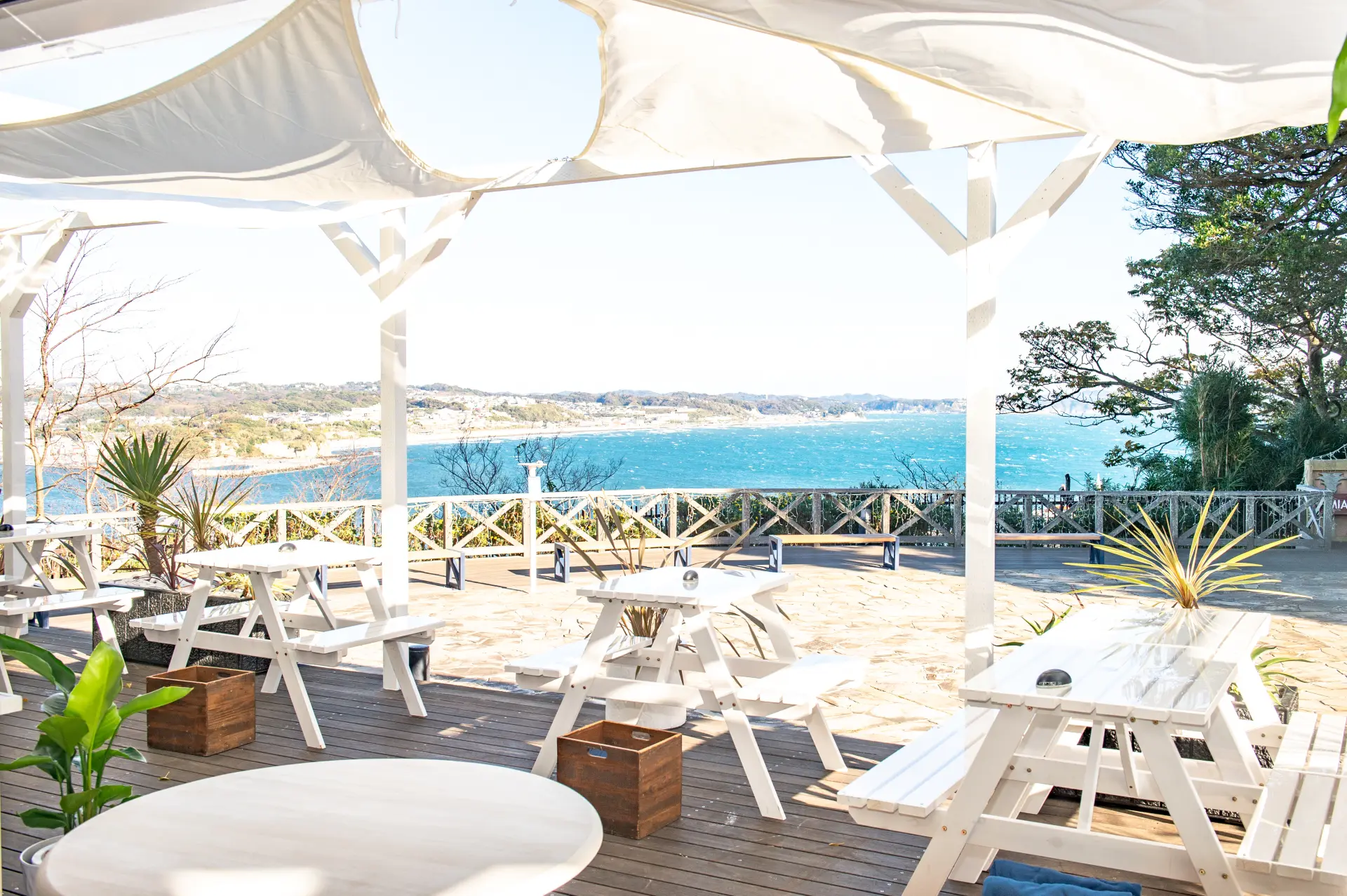
2. LONCAFE Shonan Enoshima Honten
Japan's first French toast specialty shop, located inside the Samuel Cocking Garden. French baguette soaked in a proprietary sauce for an extended time, then baked to order — crispy on the outside, melt-in-your-mouth soft inside.
The signature since opening is the "Rich Crème Brûlée" — French toast topped with caramel torched to a golden crisp. The slight bitterness of the caramel paired with the smooth, rich French toast is a match made in heaven.
The outdoor terrace views overlooking the Kamakura coastline across the water are highly praised, making this a beloved rest stop during Enoshima walks.
Conclusion
While Enoshima's main spots can be covered in a single day, its rich variety of attractions means every visit brings new discoveries. Seasonal events throughout the year make return trips in different seasons highly rewarding.
Enjoy a fulfilling day on Enoshima — a destination that's fun no matter who you're with — riding the ocean breeze all day long.