Hokkaido Spring Travel Guide: 13 Must-Visit Destinations
Experience the magical transition from winter to spring in Japan's northernmost island, where cherry blossoms meet melting snow and hot springs await.
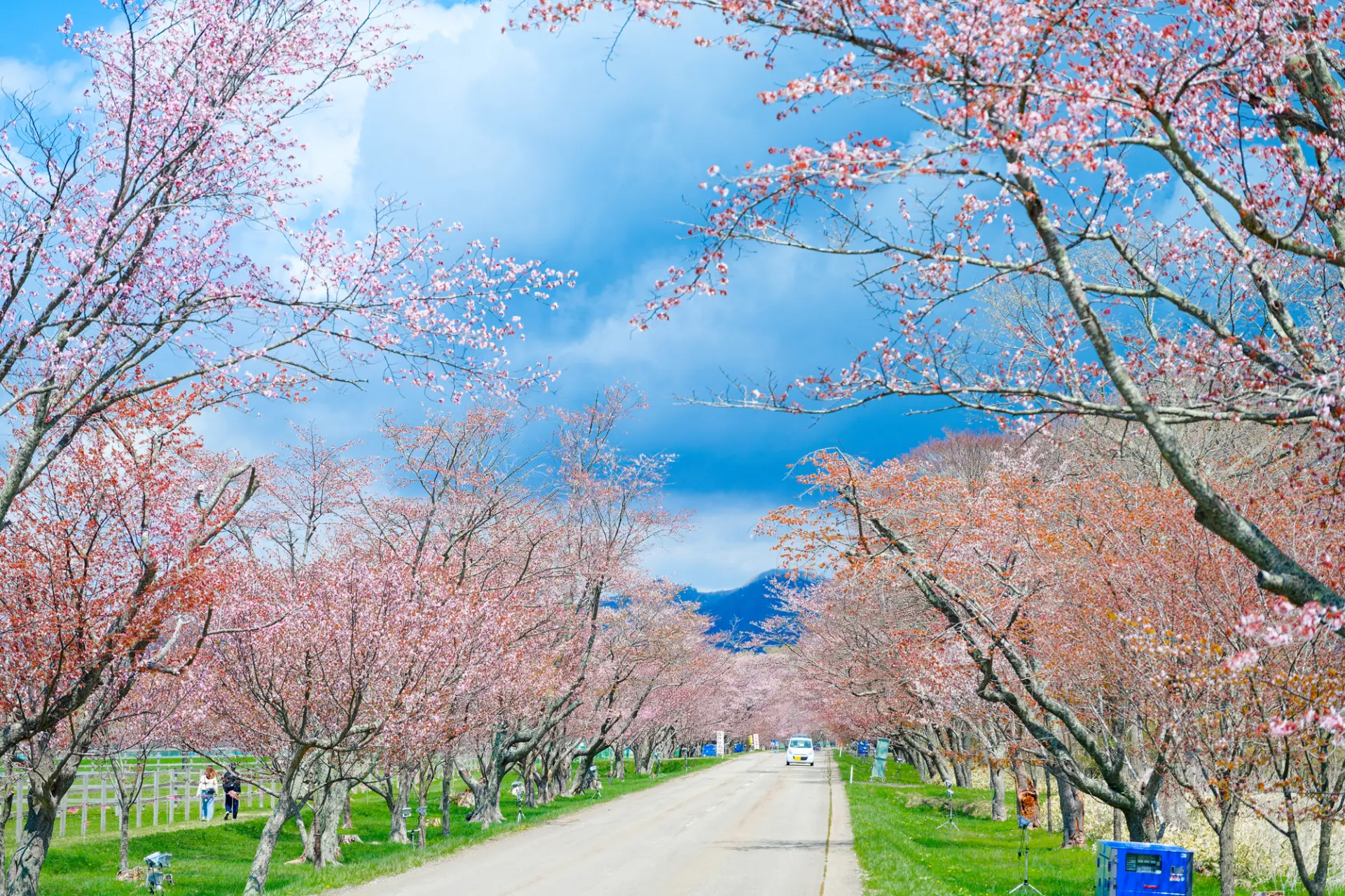
Table of Contents
- About Spring in Hokkaido
- 3 Cherry Blossom Viewing Spots
- 7 Must-Visit Spring Destinations
- 3 Spring Festivals You Can't Miss
- 5 Recommended Restaurants
- 3 Perfect Accommodation Options
- 2-Day Spring Itinerary
- Spring Weather & Packing Tips
About Spring in Hokkaido
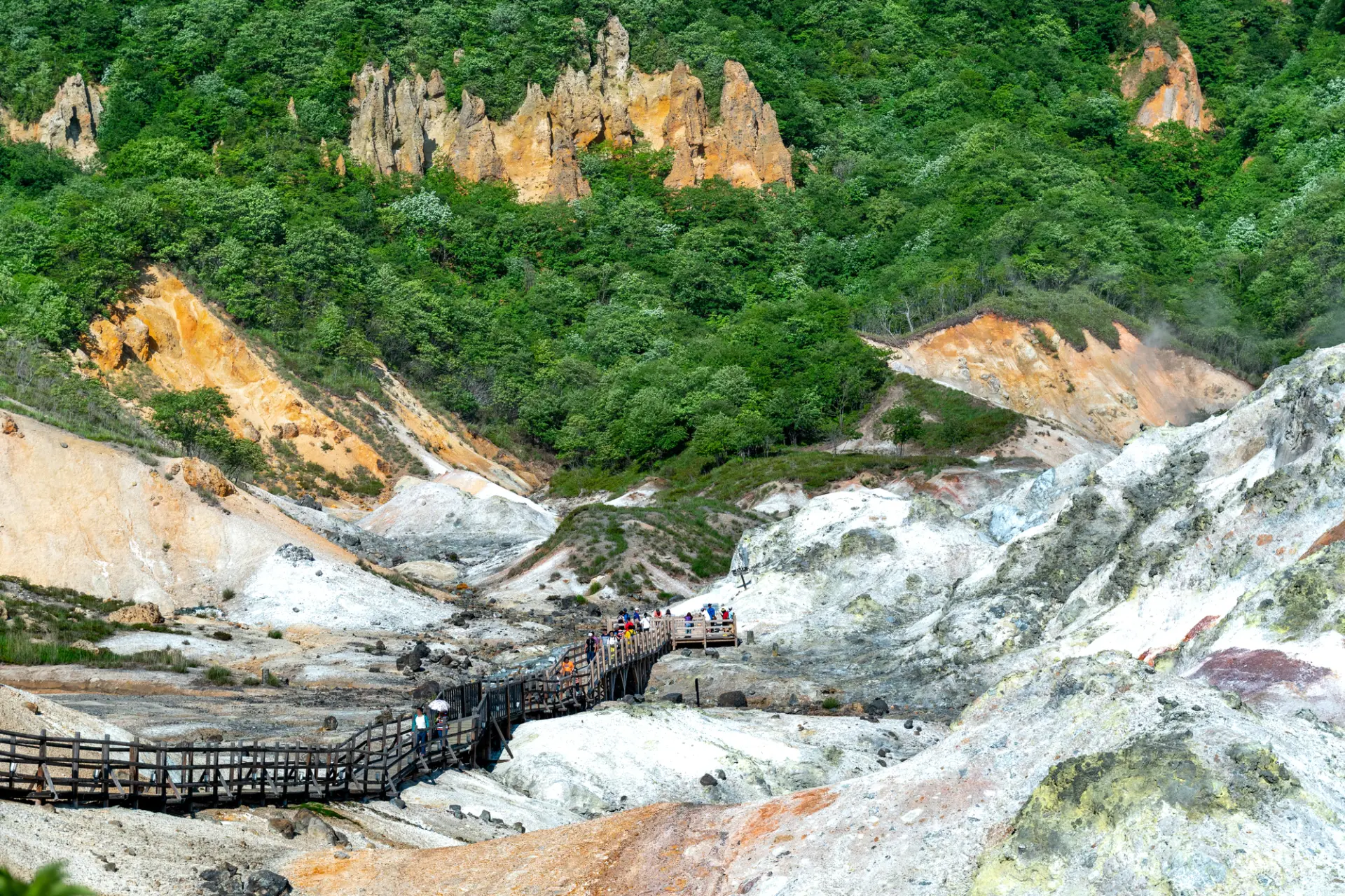
In spring Hokkaido, where the sounds of melting snow echo and white remnants still dot the mountain slopes, the softness of light grows more pronounced day by day.
Soaking in steaming hot springs creates a delightful contrast with the crisp air, warming your body from within. Along lakeshores and streams, the white of remaining snow intertwines with the green of budding trees—witnessing this quiet seasonal transition becomes a moment unto itself.
From footbaths in hot spring towns to savoring authentic local flavors, these gentle intervals punctuate long journeys. In this season where winter's lingering presence meets spring's emerging light, embark on a hot spring journey enveloped in steam, experiencing the earth's awakening—this is spring unique to Hokkaido.
At steamy Noboribetsu Jigokudani, admire magnificent natural landscapes
3 Cherry Blossom Viewing Spots
Hokkaido's vast land means cherry blossom opening times vary by region, with spring advancing gradually. The cherry blossom front progresses northward from southern Hokkaido (Donan), painting seasides, parks, and hills in delicate colors, announcing the changing seasons.
Due to Hokkaido's size and significant climate variations, the best cherry blossom viewing period typically ranges from late April to early May in Donan, and early to mid-May in central and eastern Hokkaido (Doō and Dotō). This broad timeframe makes advance checking of blooming schedules for your destination recommended.
1. Matsumae Castle (Matsumae District)
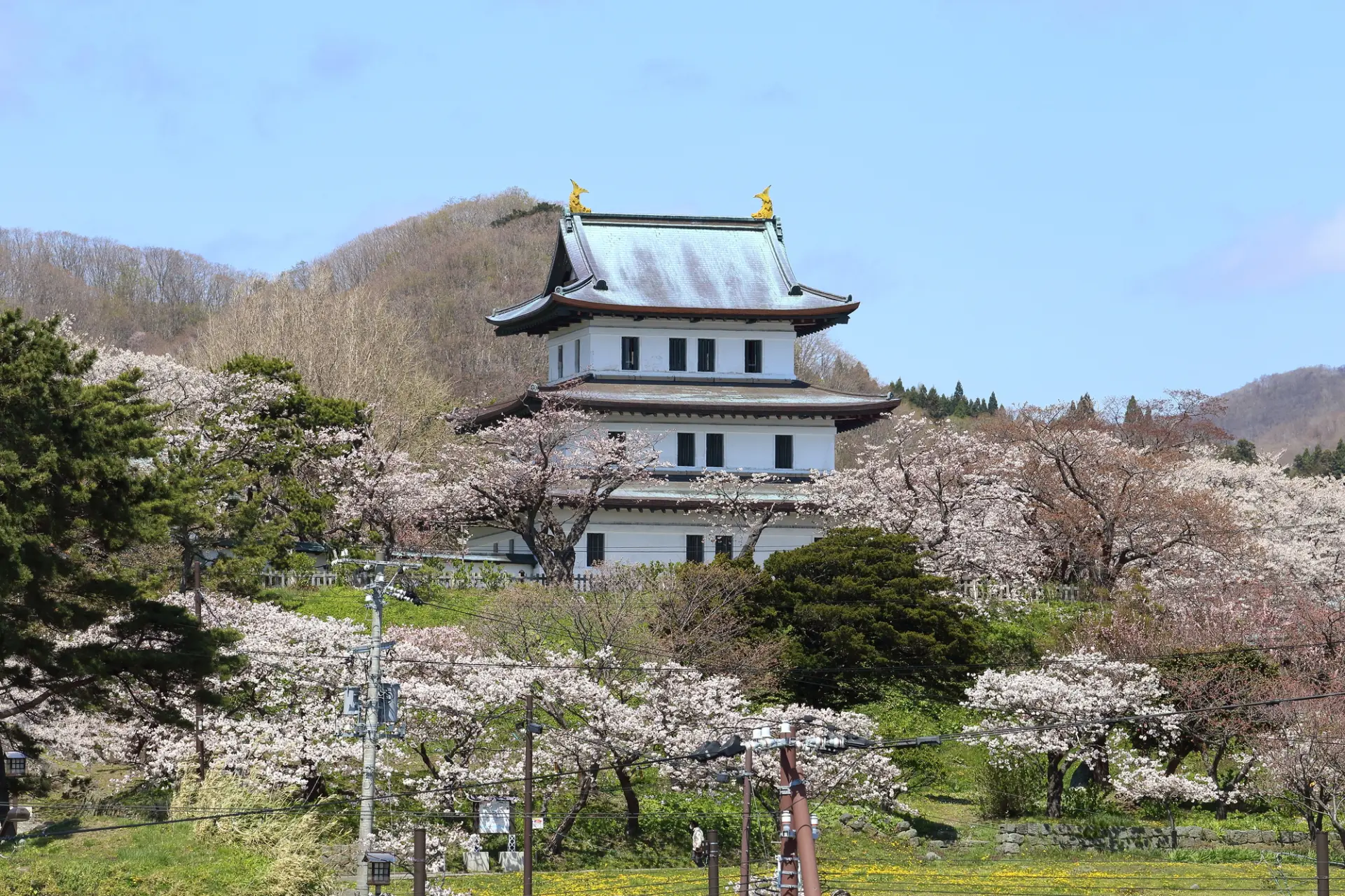
Matsumae Castle sits at Hokkaido's southernmost tip, a historic fortress. Matsumae Park, developed around the castle, ranks among Hokkaido's premier cherry blossom viewing spots.
The park features approximately 250 varieties and 10,000 cherry trees, including Matsumae-originated species. Through a relay of early-, mid-, and late-blooming varieties, visitors can enjoy beautiful blossoms for a full month.
Matsumae Park surrounding the castle is also selected as one of "Japan's 100 Famous Cherry Blossom Spots"
2. Usu Zenkoji Temple (Date City)
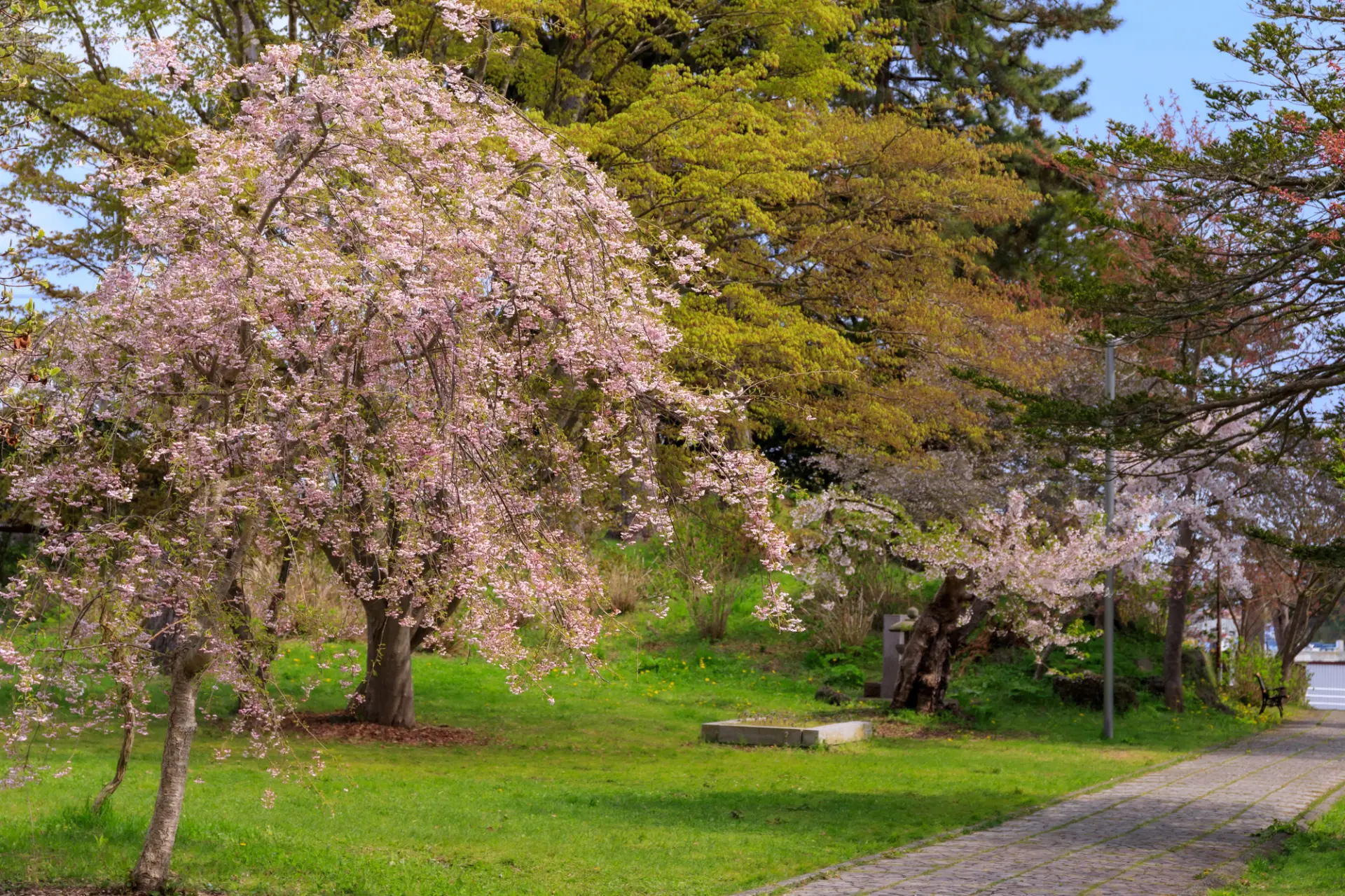
A temple reputedly founded by Jikaku Daishi (Ennin) in Tenchō 3 (826 CE). The grounds and surrounding area are developed as "Zenkōji Natural Park," nicknamed the "Temple of Flowers."
Including the "Ishiwari Zakura" (rock-splitting cherry tree) that appears to cleave through massive boulders formed after Mt. Usu's eruption, approximately 1,000 cherry trees paint the temple grounds pink from early to late May annually.
Various cherry blossom varieties delight visitors
3. Aoba-ga-oka Park (Mori Town)
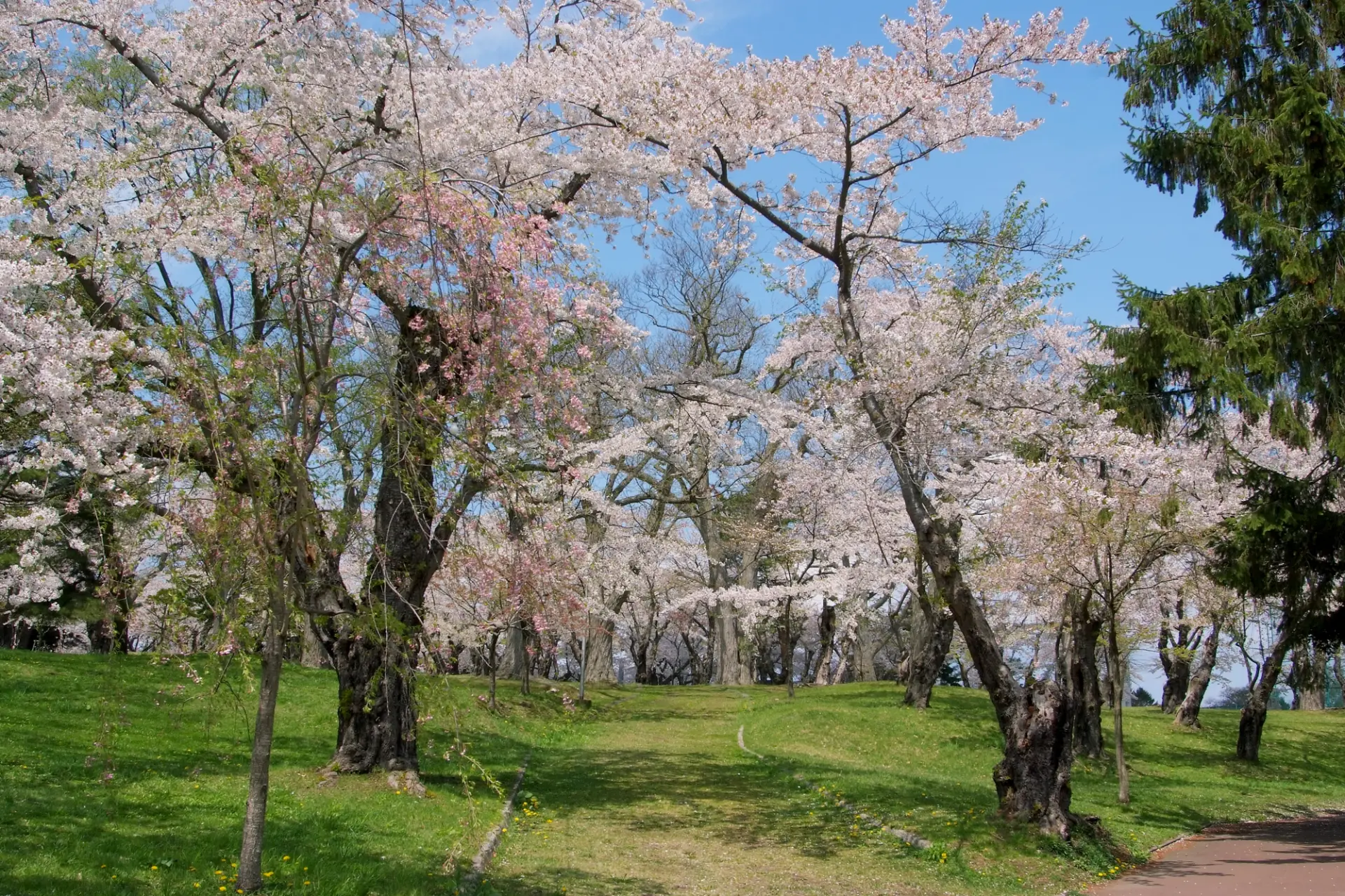
Located in central Mori Town, this park has long been beloved as a local recreation spot. Cherry trees were planted to commemorate Emperor Taishō's enthronement, with the park opening in Taishō 3 (1914).
Today, it features 17 varieties and approximately 1,000 cherry trees, primarily Yoshino cherries, including Mori Town-specific varieties like Mori-komachi and Aoba-shidare, making it a renowned cherry blossom destination. The park also preserves cherry trees over 100 years old, creating colorful spring scenery when various cherries bloom.
Primarily Yoshino cherries, with various species blooming throughout the park
7 Must-Visit Spring Destinations
Spring Hokkaido offers landscapes dotted with lakes, valleys, and mountain hot spring areas where seasonal changes can be felt intimately. As snow melts, the earth gradually regains greenery, with waterside and mountain areas displaying spring scenery.
Below are recommended destinations where you can experience Hokkaido's spring atmosphere through magnificent nature and hot springs in harmony.
1. Noboribetsu Jigokudani (Noboribetsu City)
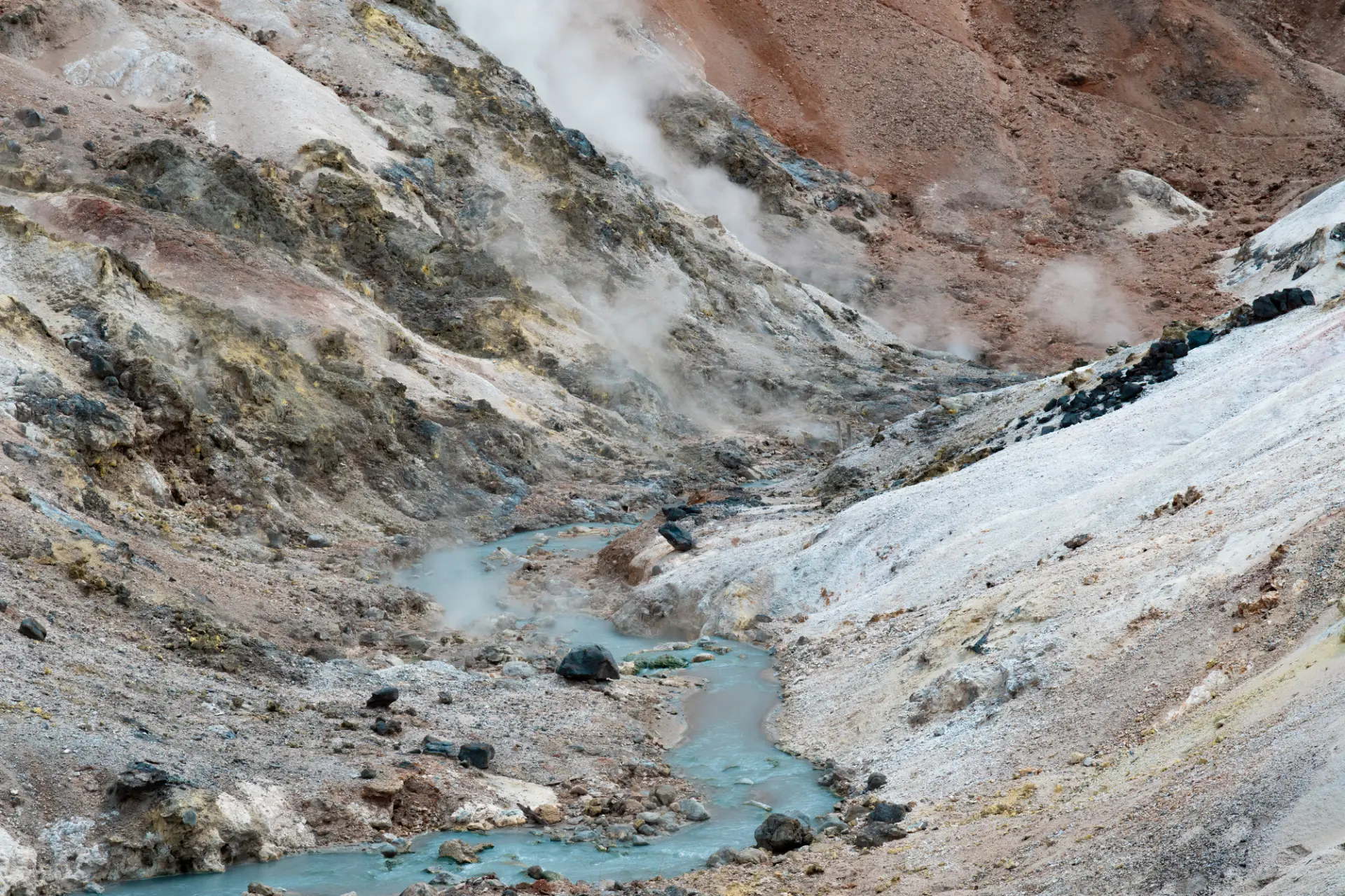
Explosion crater remains formed by Mt. Hiyoriyama's volcanic activity, with steam vents and hot spring outlets scattered throughout, representing Noboribetsu's scenic beauty.
The area features a walking trail completable in approximately 20 minutes, allowing close viewing of hot spring sources bubbling and hot water flowing. As snow melts in spring, footing stabilizes, making it ideal for combining with hot spring town strolls.
Hot water spouting white steam, famous as Noboribetsu Onsen's source
2. Toya Lake Onsen (Toyako Town)
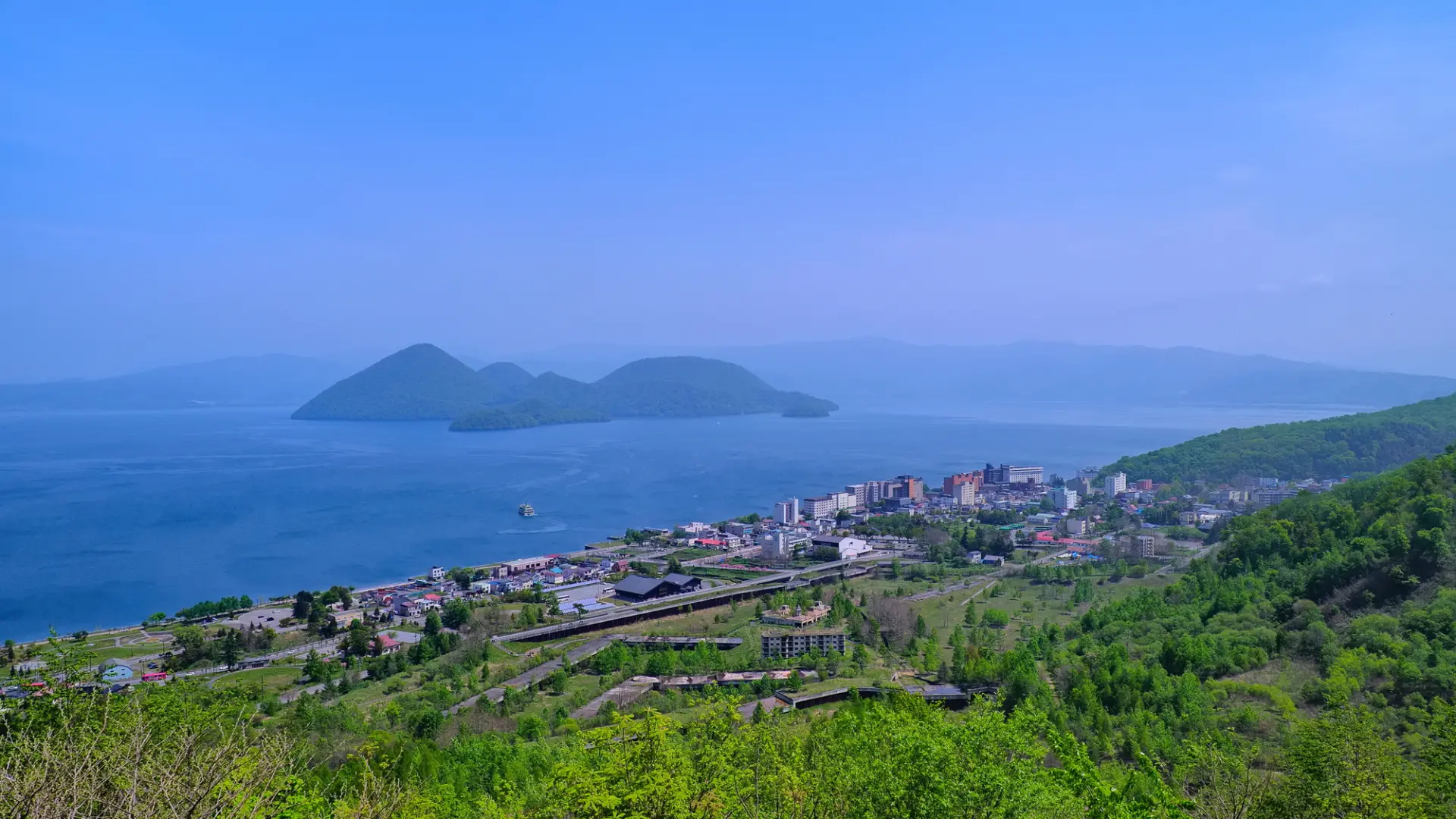
Hot springs born from Mt. Shikotsu's eruption during the Meiji era. Famous for abundant spring water, the hot spring town features free-use footbaths and handbaths.
Lakeside accommodations line the shore, offering views of Lake Tōya and Mt. Yōtei from guest rooms and open-air baths. After spring snowmelt, views become more expansive, allowing leisurely appreciation of lake and mountain landscapes.
The hot spring town extending along Lake Tōya's shore boasts Hokkaido's leading scale and popularity
3. Sounkyo Onsen (Kamikawa Town)
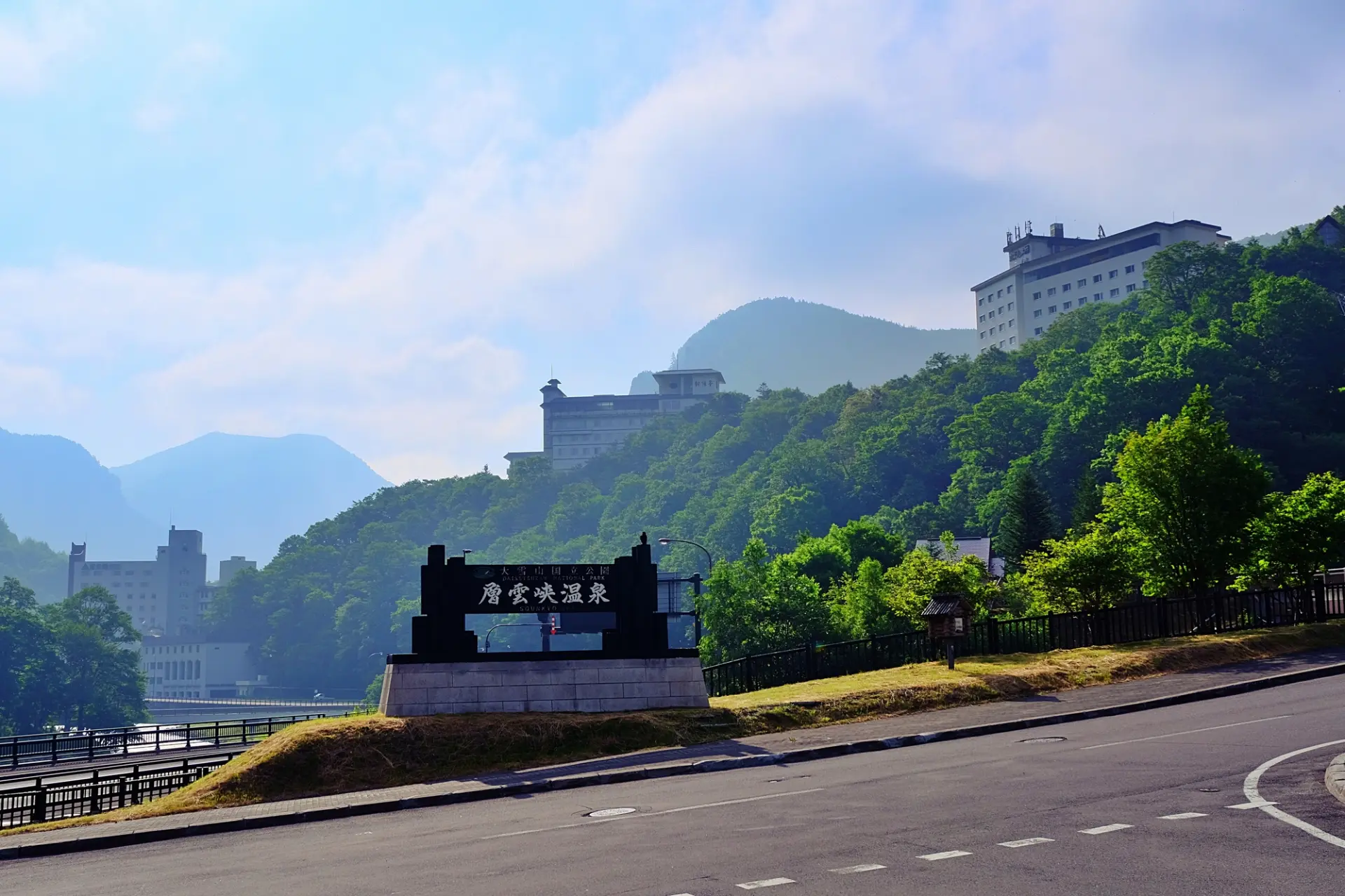
Located within Daisetsuzan National Park, this famous Hokkaido hot spring area sits amid canyon beauty with abundant spring water. Situated at approximately 670 meters elevation, its seasonal natural transformations attract numerous visitors.
After spring snowmelt, fresh greenery and canyon scenery intertwine, presenting a different appearance from winter. Nearby attractions include Ryūsei Falls and Kurodake Ropeway.
Sounkyo Onsen town surrounded by canyons
4. Tokachi-ga-oka Park
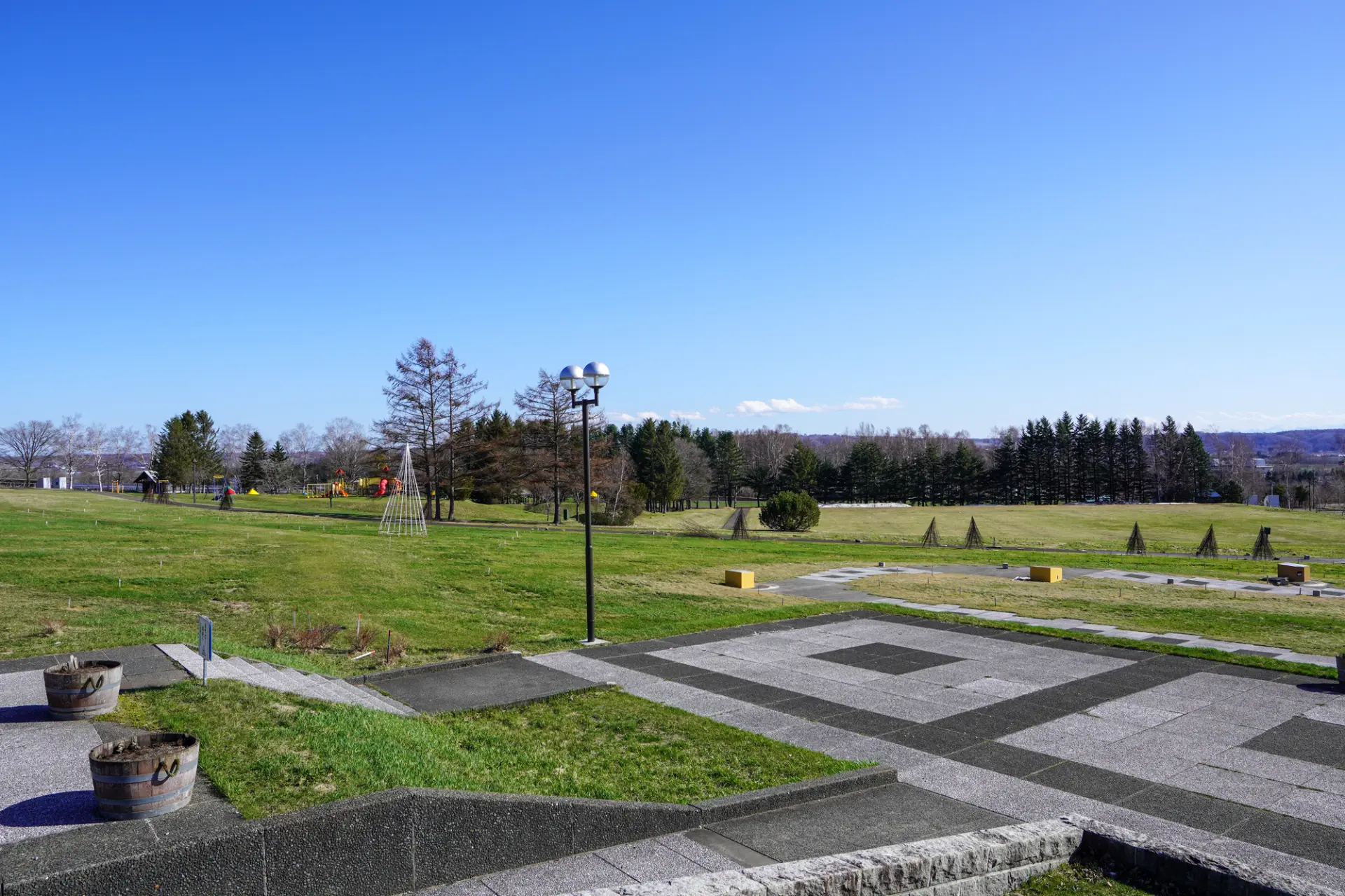
A comprehensive park in the hills near Tokachigawa Onsen. The approximately 10-hectare grounds center on an 18-meter diameter flower clock called "Hana-dokei," surrounded by colorful flowers and spacious lawns.
The park features free footbaths where you can enjoy "Moor Onsen." Climbing a gentle slope from the park leads to Tokachi-ga-oka Park Observatory, offering distant views of Tokachigawa River, Tokachi Plain, and even the Hidaka Mountain Range. The evening sky's color transformations make it popular as a photography spot.
The approximately 10-hectare grounds include lawn plazas and playground equipment
5. Lake Akan (Kushiro City)
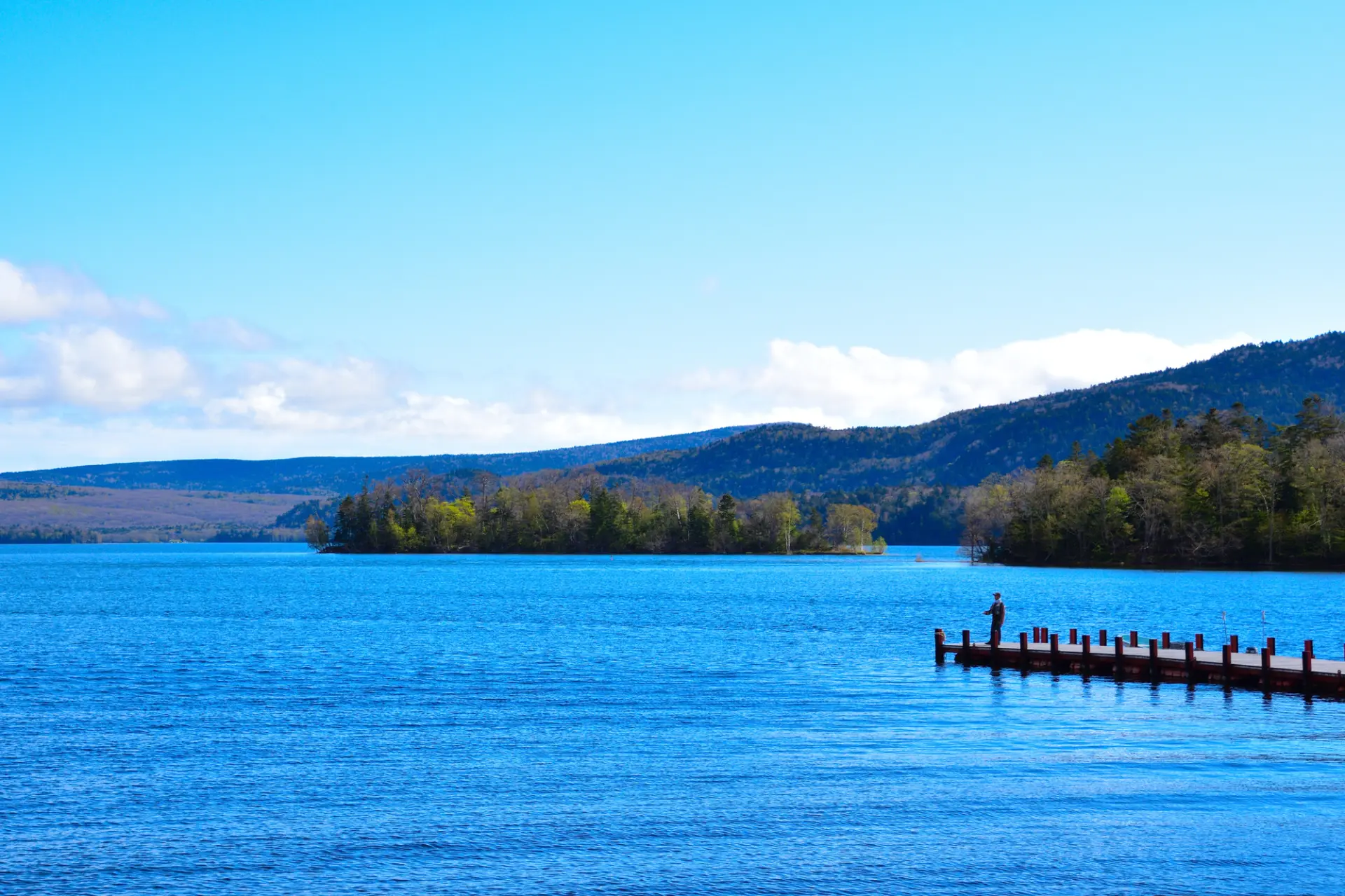
Famous for marimo moss ball habitat, this representative eastern Hokkaido tourist destination lies within Akan Mashu National Park. Walking lakeside trails allows personal experience of Hokkaido's unique mysterious natural landscapes.
As snow melts in spring, waterside scenery gradually transforms, increasing the pleasure of lakeside walks using Akan Onsen town as a base.
Hokkaido's fifth-largest freshwater lake—Lake Akan
6. Jozankei Onsen Town (Sapporo City)
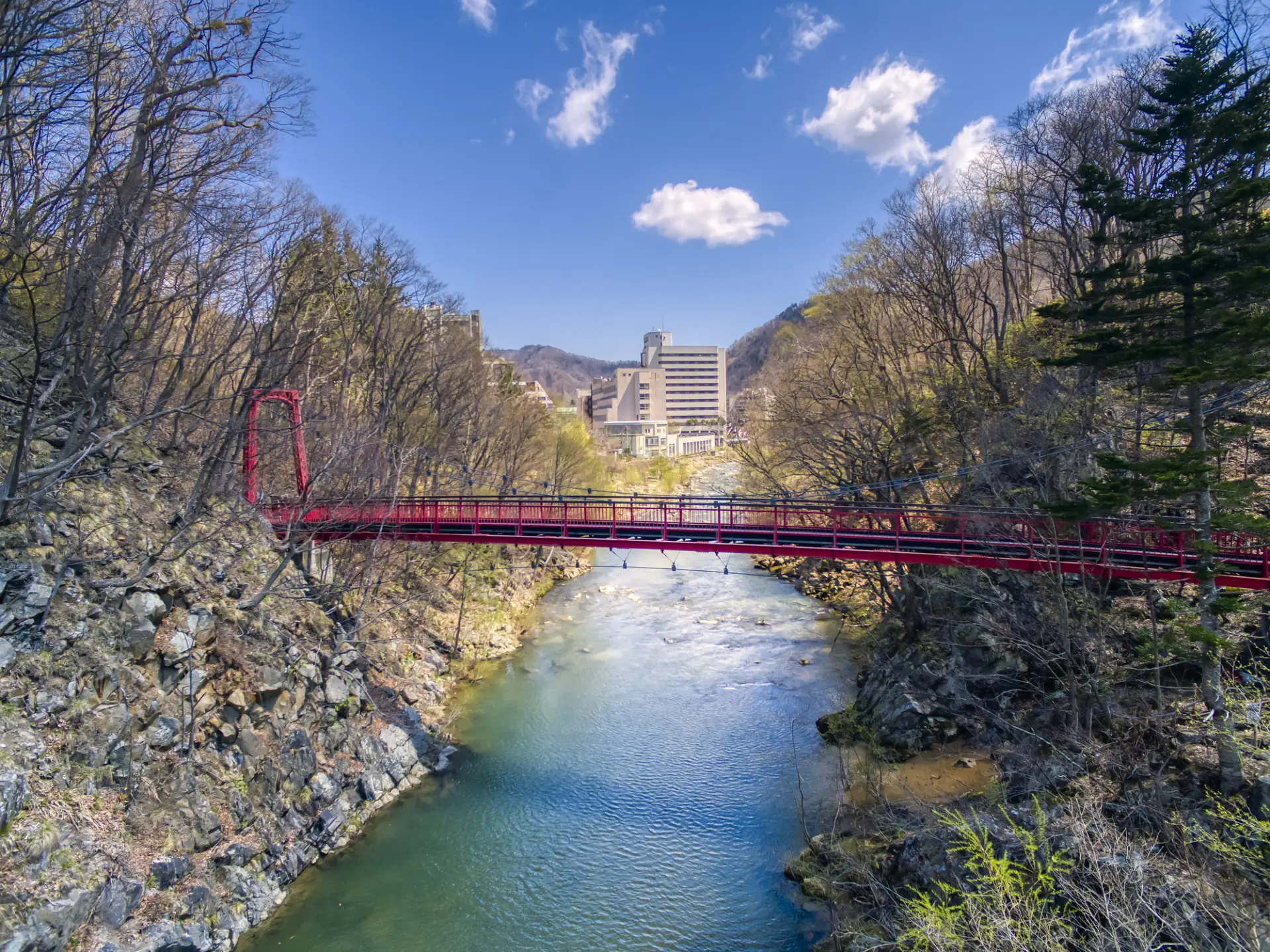
Located in Sapporo City's Minami Ward, this historic hot spring town is often called the "backyard" of Sapporo metropolis. Situated within Shikotsu-Toya National Park, the hot spring town extends along the river, dotted with footbath and handbath facilities.
As the long winter nears its end, riverside scenery gradually softens. After warming up in hot springs, strolling the streets allows close feeling of seasonal transitions.
Hot spring town extending along eroded riverbanks of Shiroiiwa River and Toyohira River
7. Yunokawa Onsen (Hakodate)
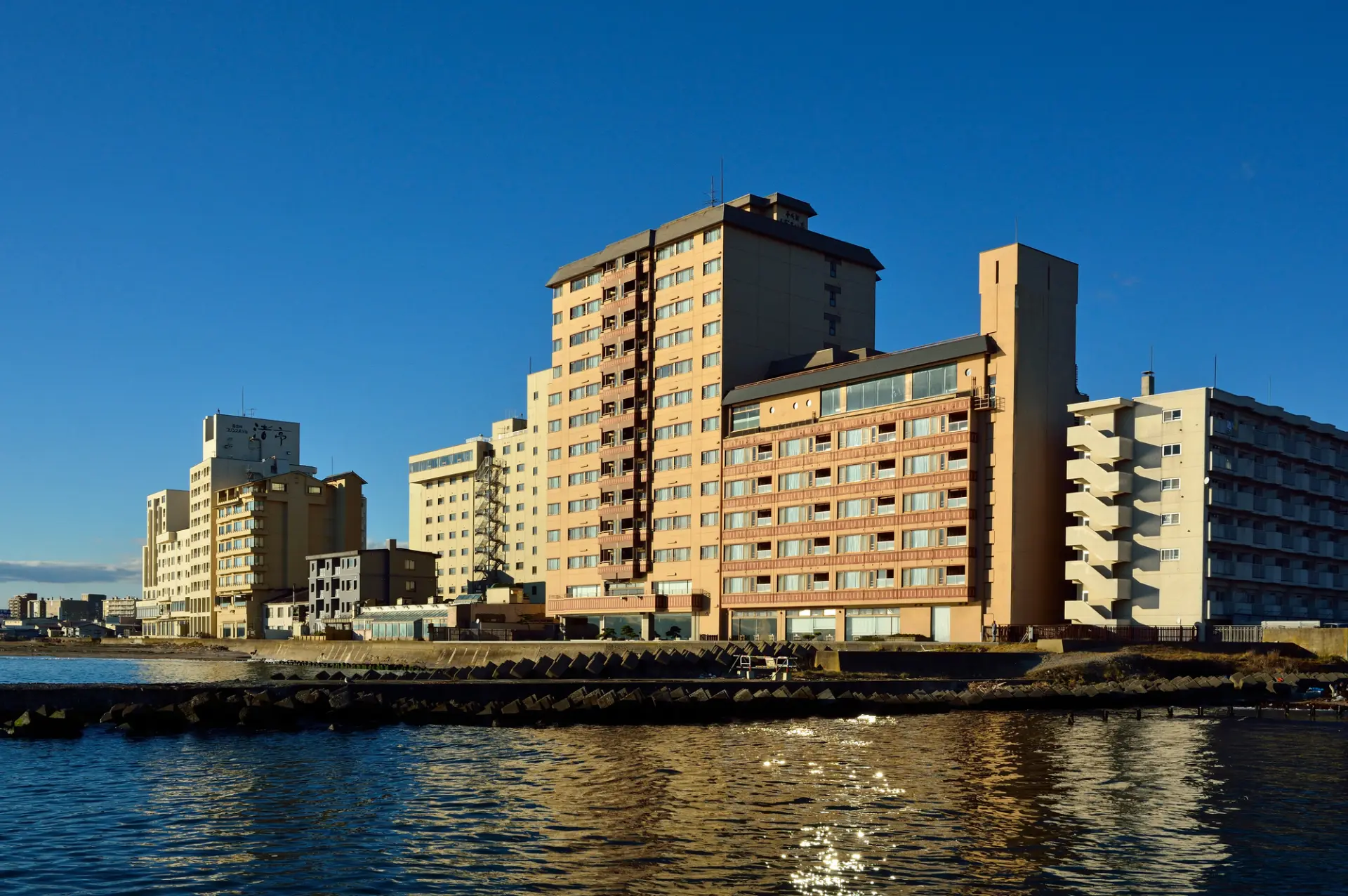
"Yunokawa Onsen," attracting approximately 1.35 million annual visitors, ranks among Hokkaido's three major hot spring resorts. As a hot spring town distributed within Hakodate City, it boasts a long history with numerous accommodations and dining establishments forming a large-scale hot spring destination.
Close to cherry blossom spot Goryōkaku, it's easy to incorporate hot spring town stays into Hakodate sightseeing itineraries.
Approximately 5 minutes by car from Hakodate Airport, a historic hot spring town extending along the coast
3 Spring Festivals You Can't Miss
Hokkaido's various regions hold night cherry blossom illuminations, cherry blossom avenue festivals, and lakeside fireworks welcoming the long-awaited spring.
As the cherry blossom front advances northward from southern Hokkaido, viewing spots shift, with the charm of encountering region-specific spring landscapes.
Below are springtime Hokkaido-specific events worth visiting during your journey.
1. Asahiyama Park Night Cherry Blossom Festival
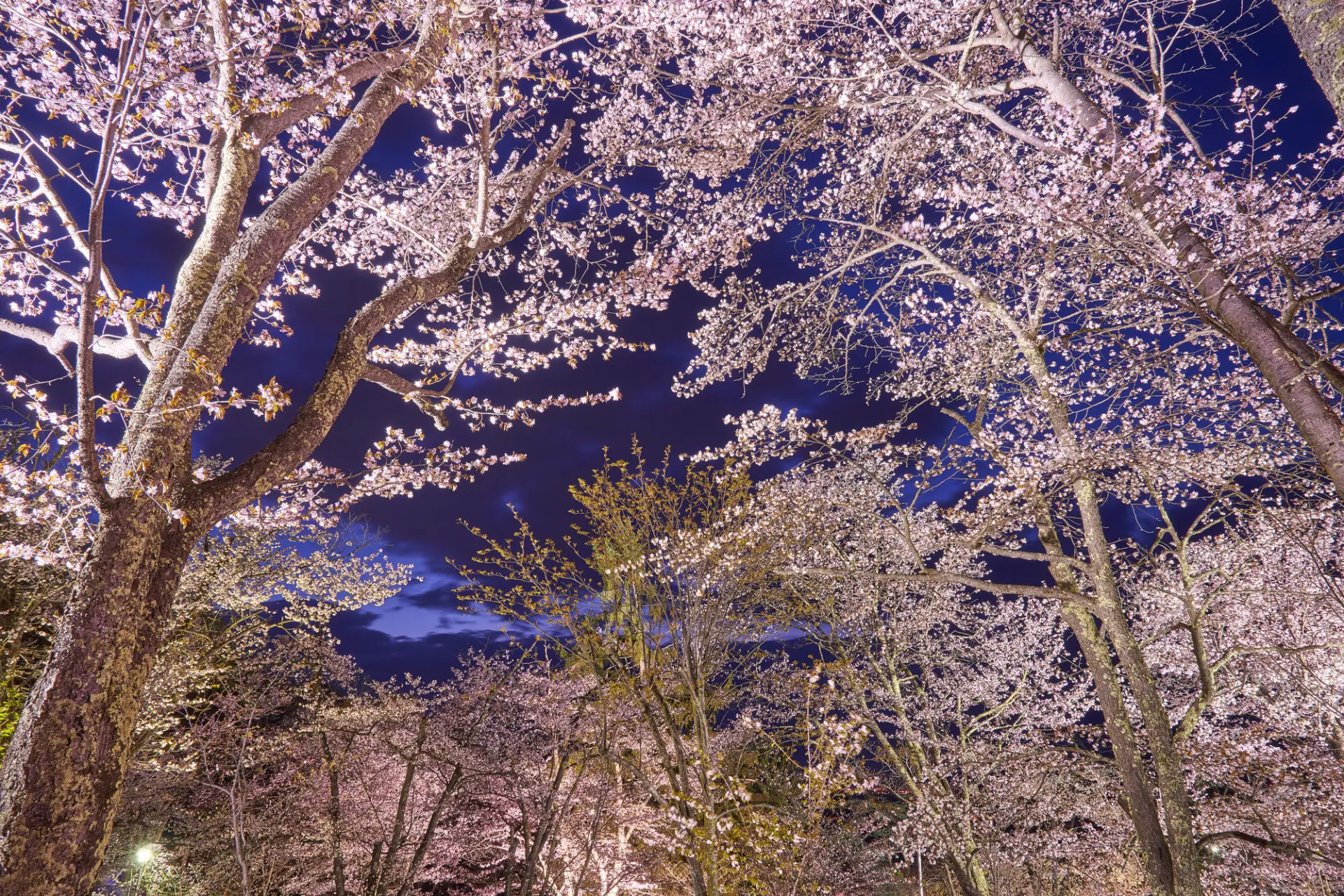
A nature-rich park at Mt. Asahiyama's foot. Sitting at approximately 295 meters elevation, it overlooks Asahikawa city streets and surrounding mountains, also famous for preserving natural beautiful forests.
In spring, approximately 3,500 Ezoyama cherry trees bloom, making it a renowned flower-viewing spot attracting many visitors. The "Asahiyama Park Night Cherry Blossom Festival," held during peak bloom, offers different charms from daytime.
Illuminated cherry blossoms make the nighttime park especially enchanting
2. Shizunai Cherry Blossom Festival
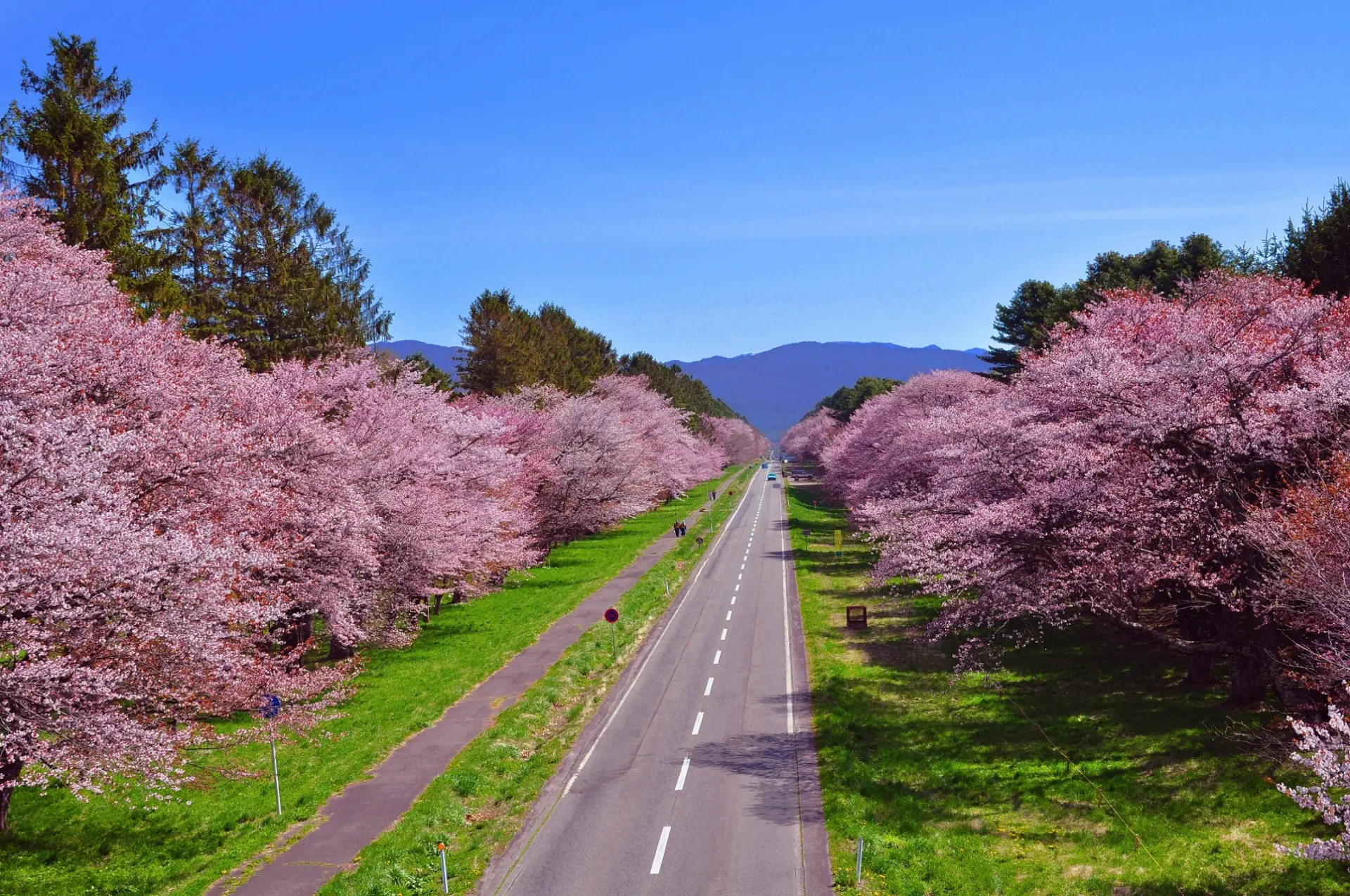
"Shizunai Nijukken Road Cherry Tree Avenue" extends approximately 7 kilometers along a straight road from Shinhidaka Town's Shizunai Taihara to Shizunai Misono. Called "Japan's Number One Cherry Tree Avenue," it features approximately 2,000 trees, primarily Ezoyama cherries, and is selected among "Japan's 100 Famous Cherry Blossom Spots."
During the "Shizunai Cherry Blossom Festival" held at peak bloom, the entire avenue fills with lively, gorgeous atmosphere, allowing enjoyment of cherry blossom scenery at Hokkaido scale.
Spring event held at "Shizunai Nijukken Road Cherry Tree Avenue"
3. Lake Toya Long-Run Fireworks Festival
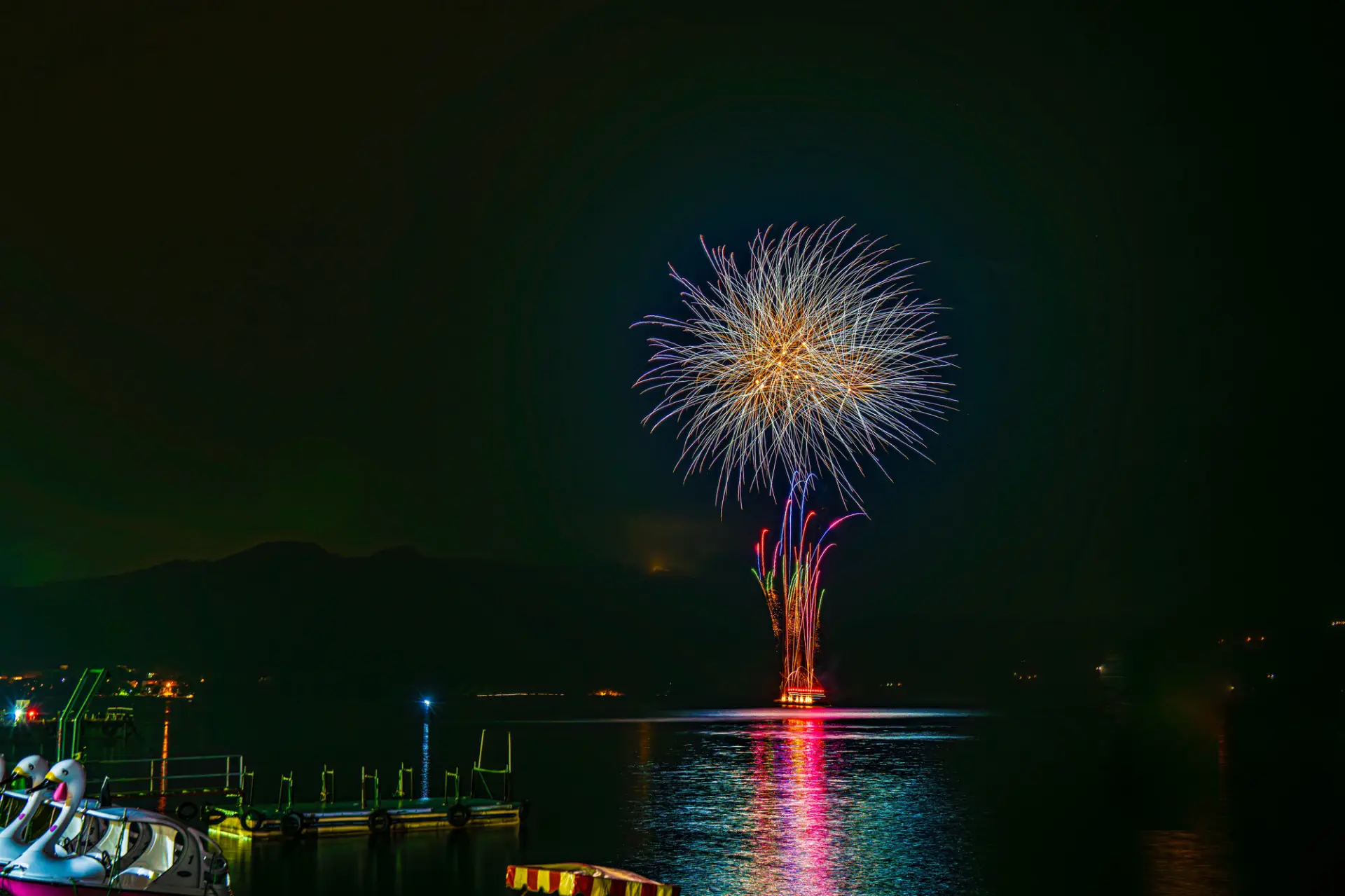
A fireworks festival held at Lake Tōya Onsen. Running for six months annually from late April, fireworks paint Lake Tōya's night sky.
Fireworks can be viewed from anywhere around Lake Tōya. Staying at Lake Tōya Onsen accommodations allows watching magnificent fireworks from guest rooms or open-air baths, experiencing luxurious moments.
As spring inaugurates the fireworks season, Lake Tōya's nightscape becomes especially brilliant.
Fireworks launched nightly for approximately 20 minutes starting from 8:45 PM
5 Recommended Restaurants
During hot spring town strolls or port town sightseeing breaks, savor flavors unique to Hokkaido. From local burgers, farm desserts, and hot spring town street food to deeply rooted home-style dishes, regional flavors add more pleasure to your journey.
Food moments enjoyed alongside spring scenery will surely leave warm afterglows in your Hokkaido trip.
1. Lucky Pierrot Bay Area Main Store
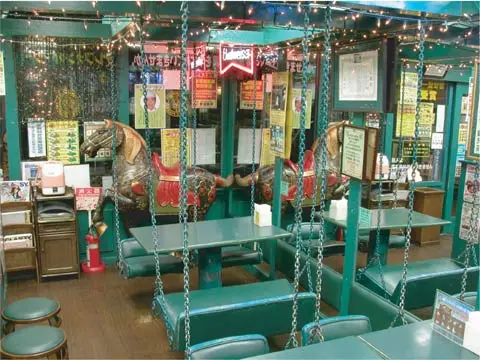
The original location of this popular burger chain founded in 1987, now operating 17 stores centered in Hakodate City. Besides classic flavors, over 10 distinctive original burgers are available. Made to order, patties stay hot and juicy while vegetables maintain crisp freshness.
Located in port town Hakodate's tourist area, perfect for visiting during bay area walks.
Interior features swing seats and carousel decorations creating nostalgic atmosphere
2. Soup Curry HLAHAL
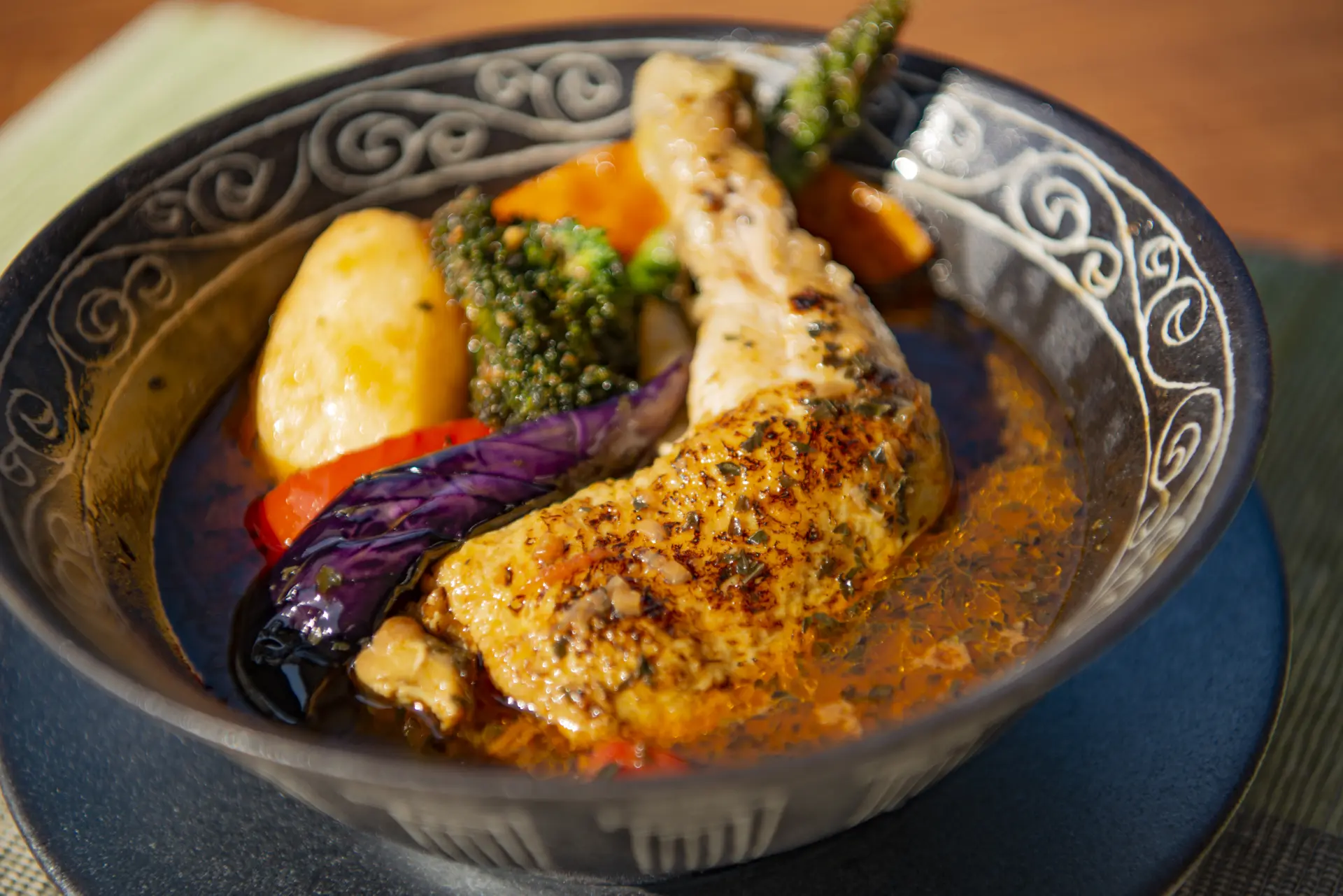
A soup curry specialty restaurant in Lake Tōya Onsen town. Broth seasoned with multiple spices offers layered flavors—refreshing on entry yet lingering rich aftertaste.
The calm interior atmosphere welcomes solo diners. Viewing Lake Tōya from window seats while dining adds to the appeal. Perfect location for visiting during hot spring town strolls, spending pleasant dining time accompanied by lakeside scenery.
Taste soup curry featuring primarily Hokkaido-produced ingredients
3. Onsen Ichiba (Noboribetsu Onsen)
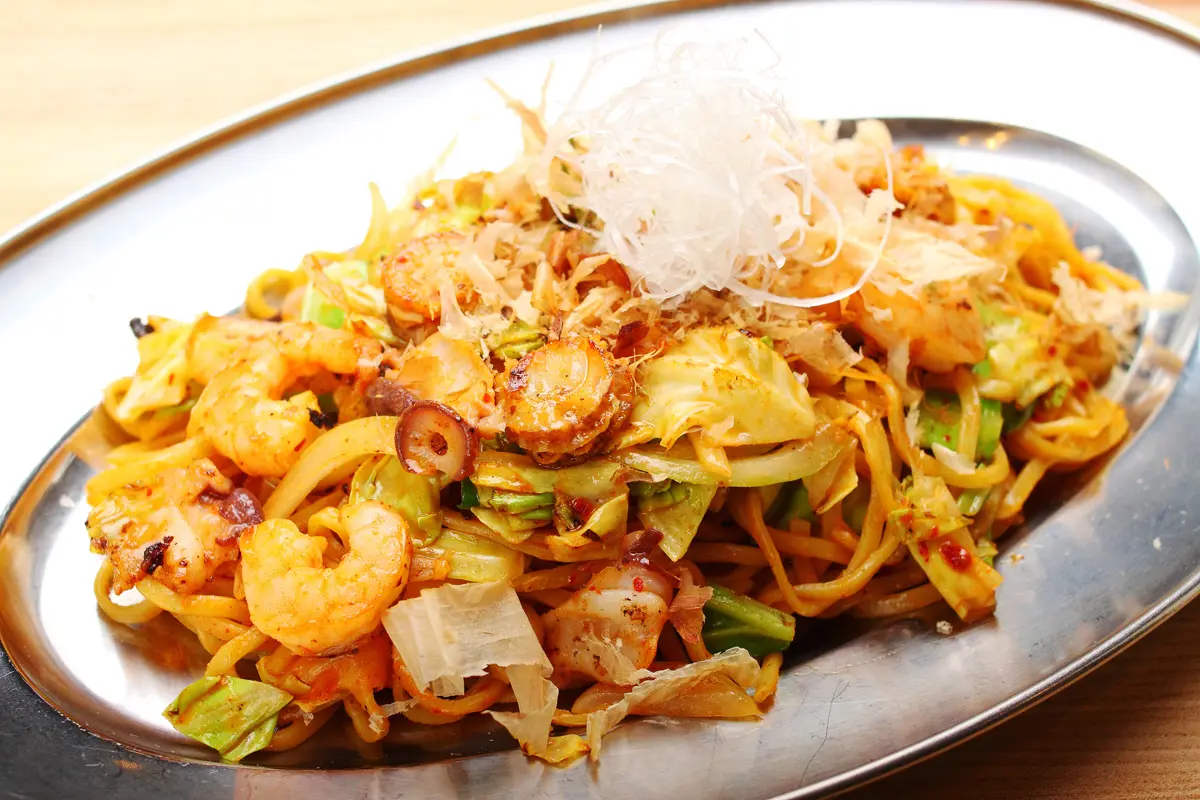
Located in "Gokuraku Shōtengai" at central Noboribetsu Onsen town, this popular seafood destination opened in 1999.
Originally a fish shop wholesaling to local accommodations, it's now a popular base for enjoying fresh seafood caught from Noboribetsu Port and nearby waters, attracting many tourists.
Besides offering filleted-to-order fish and various seafood dishes, taste Noboribetsu-specific local cuisine.
Noboribetsu local dish "Noboribetsu Enma Yakisoba"
4. BLACK MOUNTAIN COFFEE by Columbia
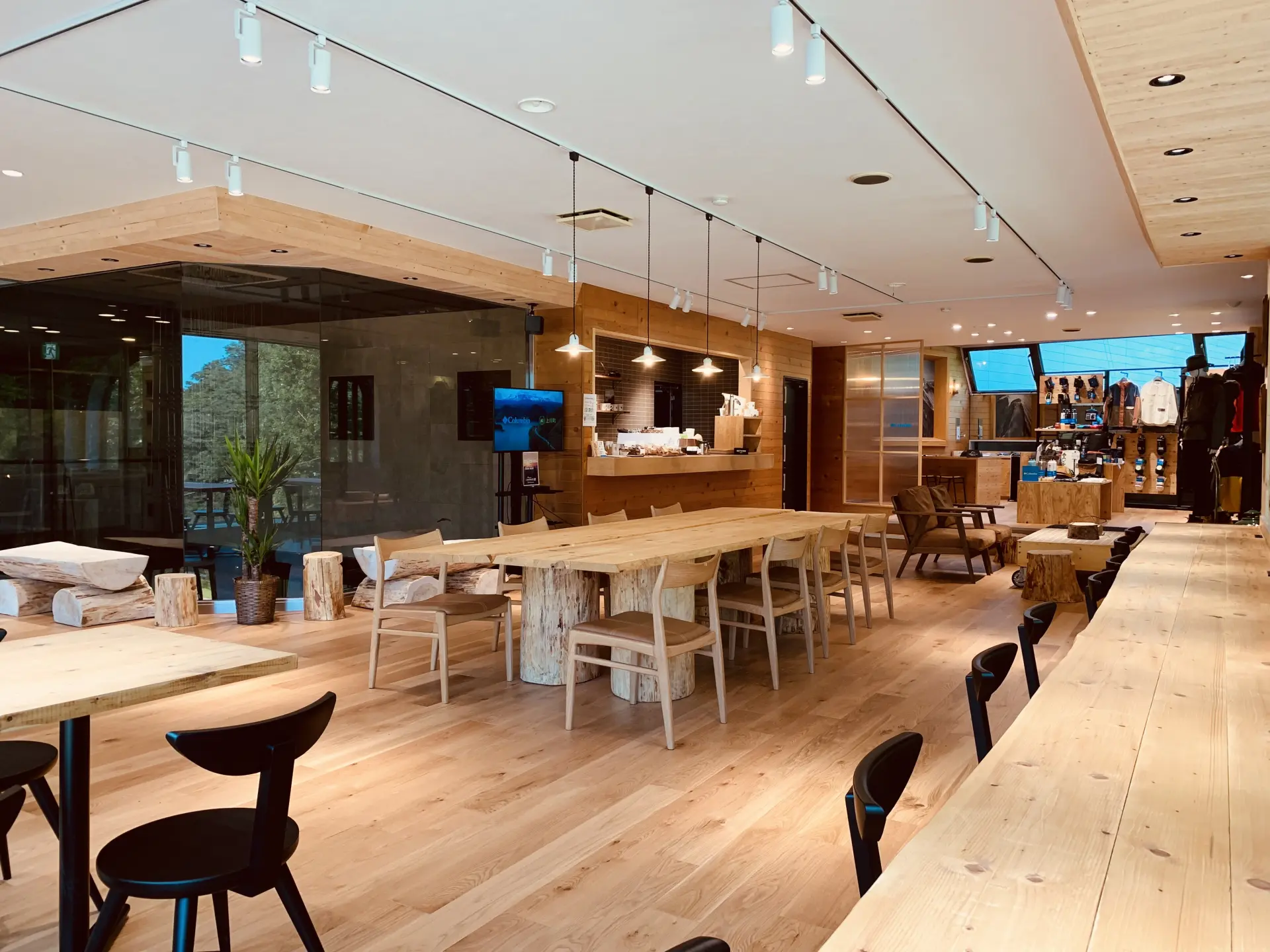
Located in central Hokkaido's mountainous area within Japan's largest national park, Daisetsuzan, this café sits inside Kurodake Ropeway's base station.
Convenient for before or after ropeway rides or during Sounkyo area strolls, easily enjoy coffee-centered beverages. Takeout options available, suitable for use while traveling.
Also features "Columbia Field Store," combining shop and café
5. Taisetsu Ji Beer Kan

Designed with white symbolizing ice and snow and brown representing earth, "Taisetsu Ji Beer Kan" lets travelers feel Hokkaido's natural landscape. This food culture transmission base cultivated with Asahikawa's quality ingredients and Daisetsuzan's pure water offers multiple original and craft beers, plus locally-produced specialty beverages.
The venue also provides dishes using Hokkaido seafood and mountain delicacies, plus Genghis Khan and other Hokkaido cuisine, enjoyable paired with beer.
Taste five craft beers including "TAISETSU PILSNER"
3 Perfect Accommodation Options
For enjoying spring sightseeing and natural site tours, accommodation serving as journey bases proves crucial. In Hokkaido with scattered hot spring areas, staying at scenic lakeside or valley-side lodgings reduces travel burden, allowing leisurely immersion in spring scenery.
Below are comfortable accommodations perfect for spring travel, combining sightseeing and hot springs.
1. The Windsor Hotel Toya Resort & Spa
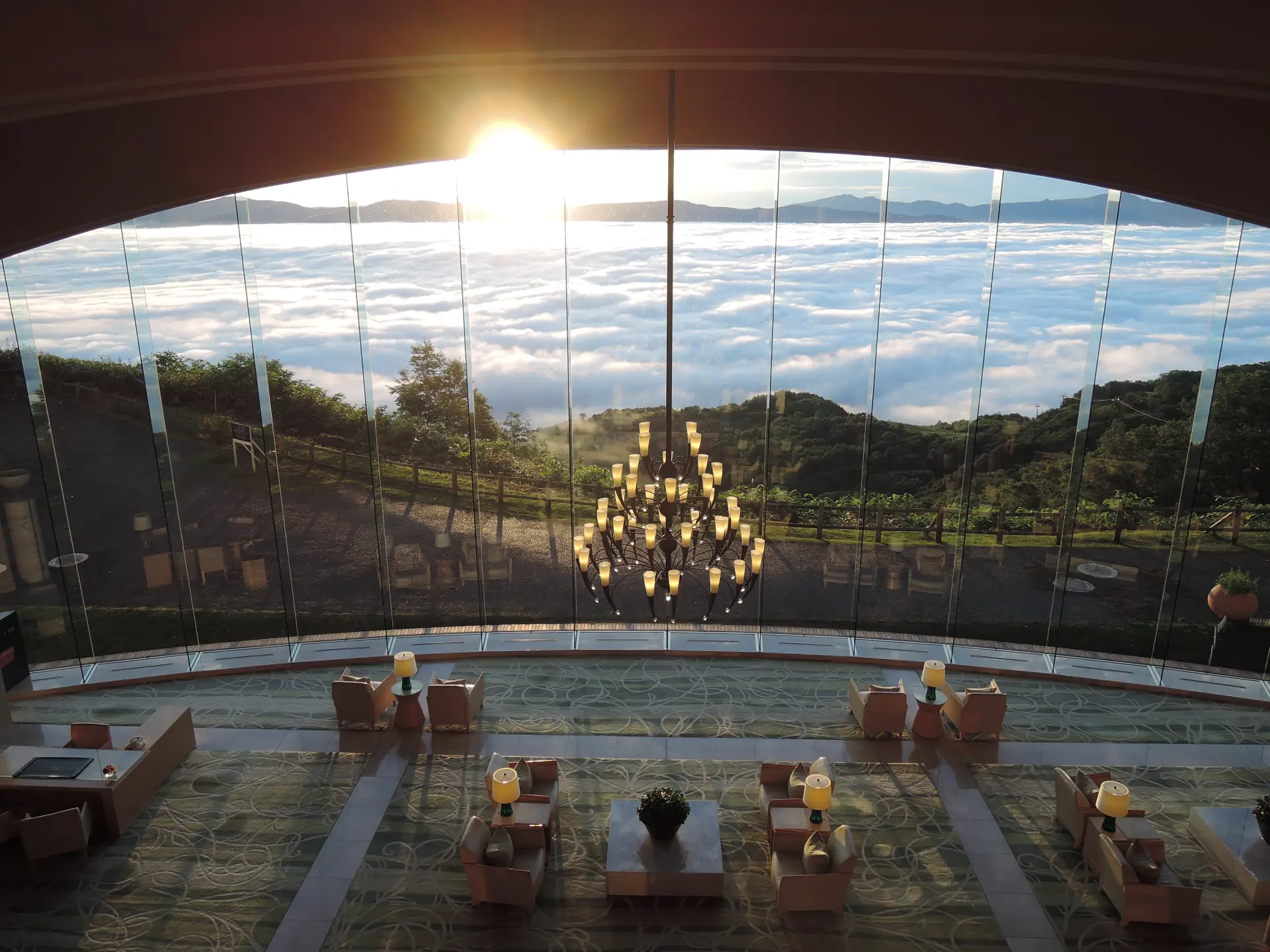
A luxury resort hotel that served as the Tōyako Summit venue. Situated at approximately 625 meters elevation, the main lobby's huge windows offer sweeping views of Lake Tōya and Tōya area's magnificent nature.
At sukiya-style hot spring "Sansen," enjoy bathing while viewing gardens, spending leisurely time amid post-snowmelt spring scenery.
Main lobby offers sweeping natural landscape views
2. Akan Yuku no Sato Tsuruga
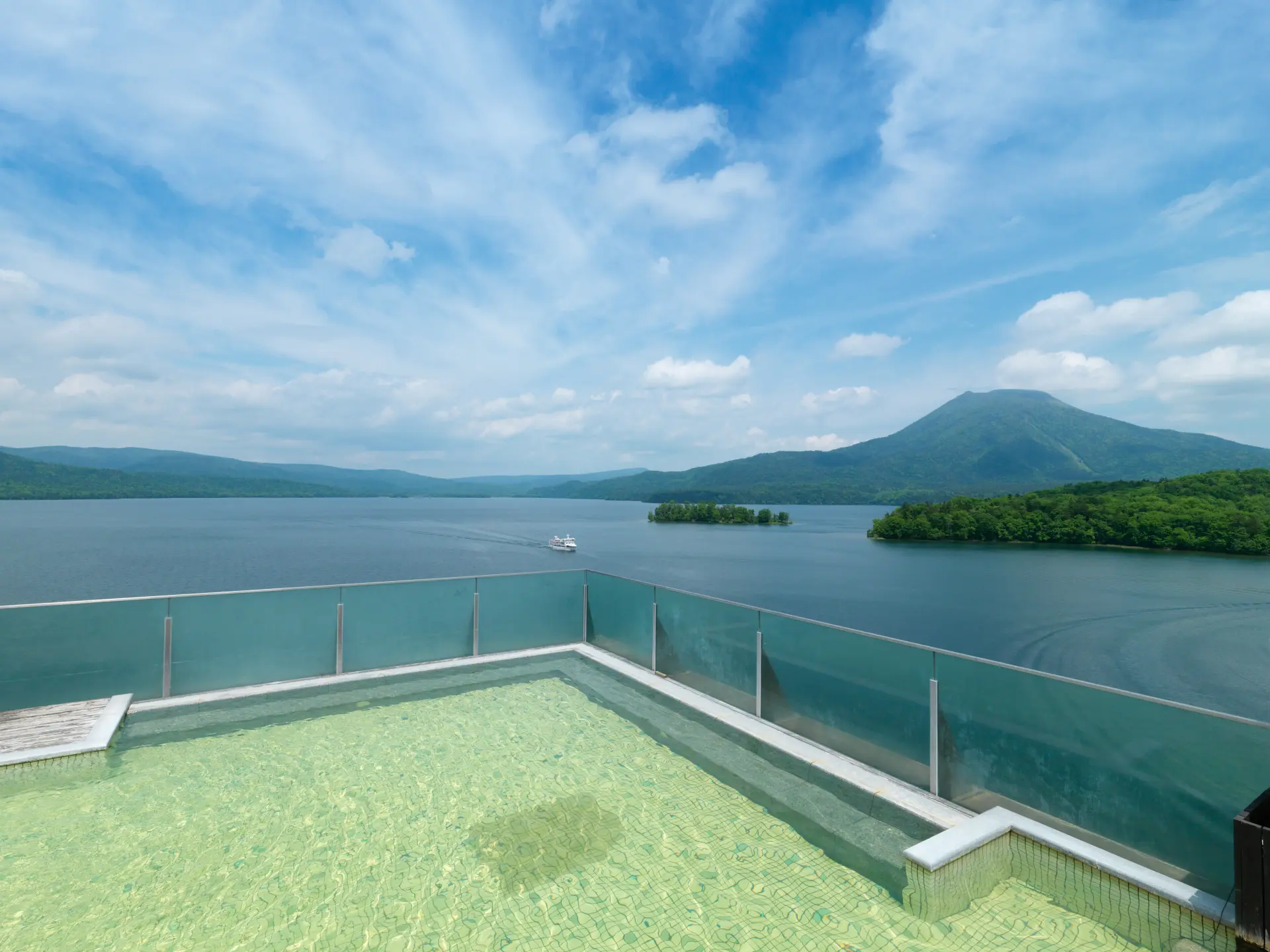
A resort hotel on the southern shore of Hokkaido's fifth-largest freshwater lake and representative eastern Hokkaido destination, Lake Akan.
Features scenic baths, open-air baths, and sky open-air baths overlooking Lake Akan and Mt. Oakan, allowing bathing time surrounded by lakeside scenery. The facility incorporates Ainu cultural design and displays, offering accommodation experiencing both hot springs and extraordinary atmosphere.
Sky open-air baths also offer Lake Akan views
3. Sounkyo Choyotei
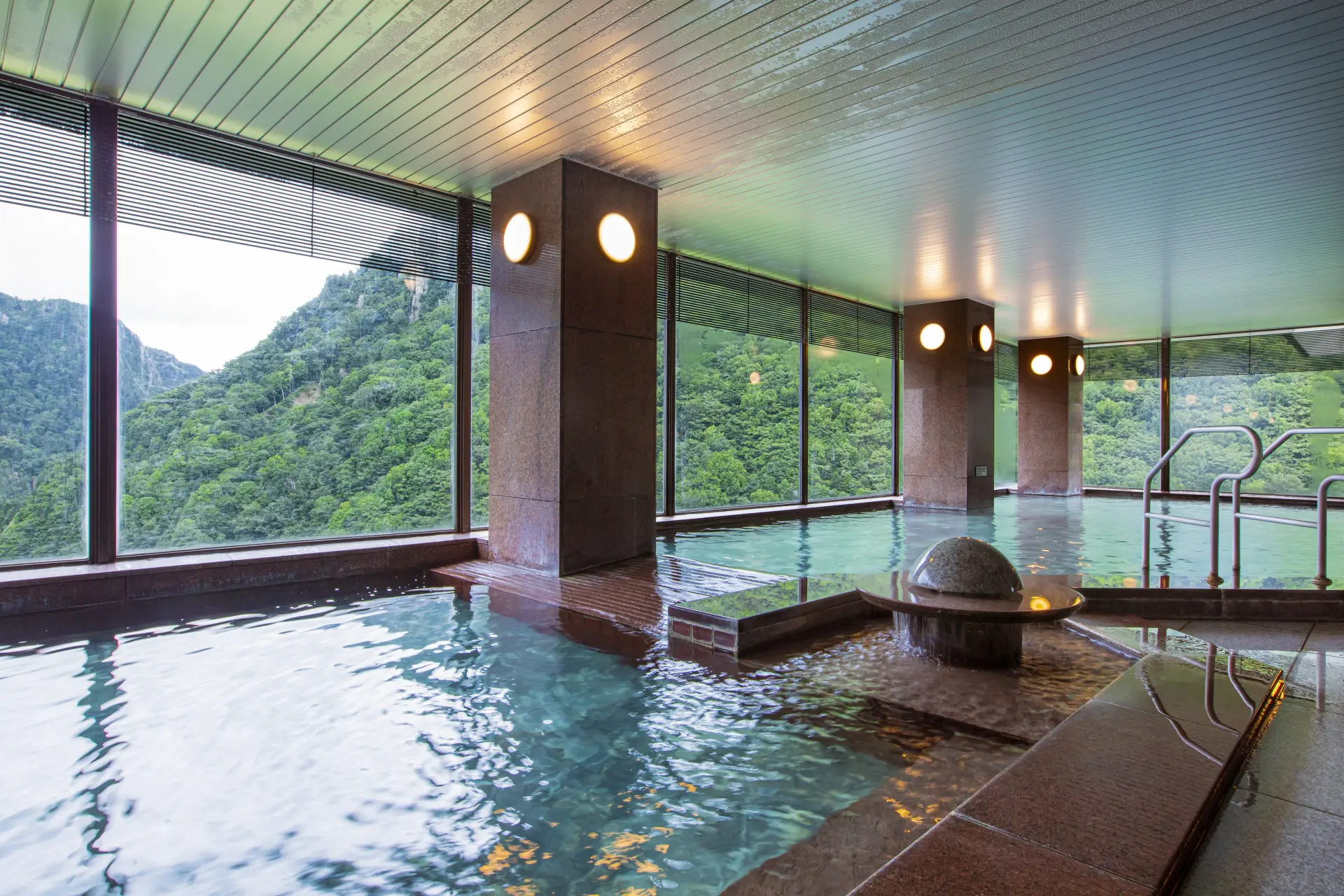
A hot spring ryokan featuring scenic baths offering canyon views. The top floor houses "Kurodake" observation bath and "Chōyōzan" sky open-air bath, allowing canyon views through large windows and close observation of Mt. Chōyōzan ridgeline and columnar joint rock walls from open-air baths.
As snow melts in spring, leisurely soaking in hot springs while viewing gradually changing valley scenery feels especially comfortable.
Observation bath allowing canyon views while bathing
2-Day Spring Itinerary
Embark on a two-day, one-night journey feeling spring gently spreading along Lake Tōya's shore, reflecting residual snow mountains. Whether lakeside drives, leisurely farm time, or hot spring soaking, encounter this season's unique tranquil scenery.
Hokkaido's regions span considerable distances—renting cars allows touring spring scenery at your own pace.
Day 1:
- New Chitose Airport → Rent car, depart toward Lake Tōya → Lake Tōya Onsen lakeside walk → Lake Tōya area lunch → Tour lakeside observation spots → Check-in at "The Windsor Hotel Toya Resort & Spa" → Evening "Lake Tōya Long-Run Fireworks Festival"
Day 2:
- Depart hotel → Lakeside drive around Lake Tōya → "Lake Tōya Lake Hill Farm" farm desserts → Move to Noboribetsu → "Noboribetsu Jigokudani" walk → "Onsen Ichiba" Noboribetsu cuisine lunch
Spring Weather & Packing Tips
Average Spring Temperatures
Spring arrives late in Hokkaido among all Japan. March averages approximately 1°C, retaining winter chill. Even in April, averages reach only about 7°C, with daytime often feeling somewhat cold. Entering May, temperatures finally rise to around 13°C, with various regions gradually displaying spring-like scenery.
However, temperature differences between southern and northern Hokkaido remain extreme. Prepare outerwear handling early-morning and evening low temperatures, plus convenient layering for outdoor temperature adjustments for safer journeys.
| Month | Temperature |
|---|---|
| March | 1.1°C |
| April | 7.3°C |
| May | 13.0°C |
Clothing Recommendations
Hokkaido spring often feels colder than calendar expectations, with March through April continuing winter-like cold.
March: Difficult warmth requires thick layering with sweaters and long sleeves under coats. Some areas' mornings/evenings approach freezing—prepare gloves and scarves.
April: Not suitable for light clothing like mainland Honshu. Thin down or windproof jackets make lakeside or park walks more comfortable.
May: Finally feels spring warmth, but strong winds or higher elevations prove colder than expected. Pack easily adjustable light down or padded jackets.
When visiting cherry blossom spots or outdoor activities, sunny versus shaded areas show significant temperature differences. Onion-style layering proves especially practical for Hokkaido spring.
Frequently Asked Questions
Q: When is the best cherry blossom viewing period in Hokkaido?
A: Varies greatly by region. Generally, southern Hokkaido (Donan) blooms late April to early May, central/eastern Hokkaido (Doō/Dotō) early to mid-May. Hokkaido's significant climate variations mean the cherry blossom front advances slowly northward. Check blooming information for your itinerary in advance.
Q: Are Hokkaido spring mornings and evenings cold?
A: March-April remain winter-cold; even May can see single-digit temperatures mornings/evenings. Thin down or windproof jackets prove useful. Inland or higher-elevation areas benefit from slightly warmer outerwear.
Q: Does Hokkaido spring still have snow?
A: Many areas retain snow through March, sometimes visible roadside. April sees decreased urban snow, but cold mornings/evenings may make wet roads slippery. By cherry blossom season (late April-May), major cities rarely show snow.
Q: Is Sapporo walkable in spring?
A: Through April's snowmelt period, roads stay wetter, improving by May. Most tourist sites feature paved surfaces—comfortable walking shoes suffice. Since lakeside or windy areas are possible, carrying windproof jackets provides security.
Conclusion
From hot spring areas to lakeside scenery, spring Hokkaido displays nature's expressions gradually transforming everywhere. Encountering landscapes where residual snow traces and new seasonal colors interweave allows feeling the earth slowly awakening—spring's unique atmosphere.
Visit Hokkaido this season to experience the earth reviving after enduring winter's cold, embarking on a spring journey. The article below compiles comprehensive travel information including Hokkaido's representative classic tourist spots and cuisine—please reference it as well.
Source: Good Luck Trip Japan
Translated and formatted for international travelers
Last Updated: April 2026