Nagoya 2-Day 1-Night Itinerary Guide
Nagoya has grown into one of Japan's leading manufacturing cities, renowned for its unique food culture and lively streetscapes. Beyond the iconic Nagoya Castle with its famous golden shachihoko (golden tiger-fish roof ornaments) and Atsuta Shrine — home to one of the Imperial Regalia's "Three Sacred Treasures" — the city is packed with attractions of all sizes waiting to be explored.
This guide presents a recommended 2-day 1-night itinerary: spend Day 1 savoring Nagoya's legendary cuisine while strolling through bustling neighborhoods, then explore castles, gardens, and the city's rich historical culture on Day 2.
If you're planning a trip to Nagoya, be sure to read through to the end!
Day 1 — Nagoya Cuisine & City Strolling
Your journey begins at JR Nagoya Station. Walk through the skyscraper-lined station area and stroll about 15 minutes to the green oasis of Noritake Garden, a place where you can enjoy a relaxed pace right in the heart of the bustling city.
Strolling Through Noritake Garden: Nagoya's Manufacturing Heritage
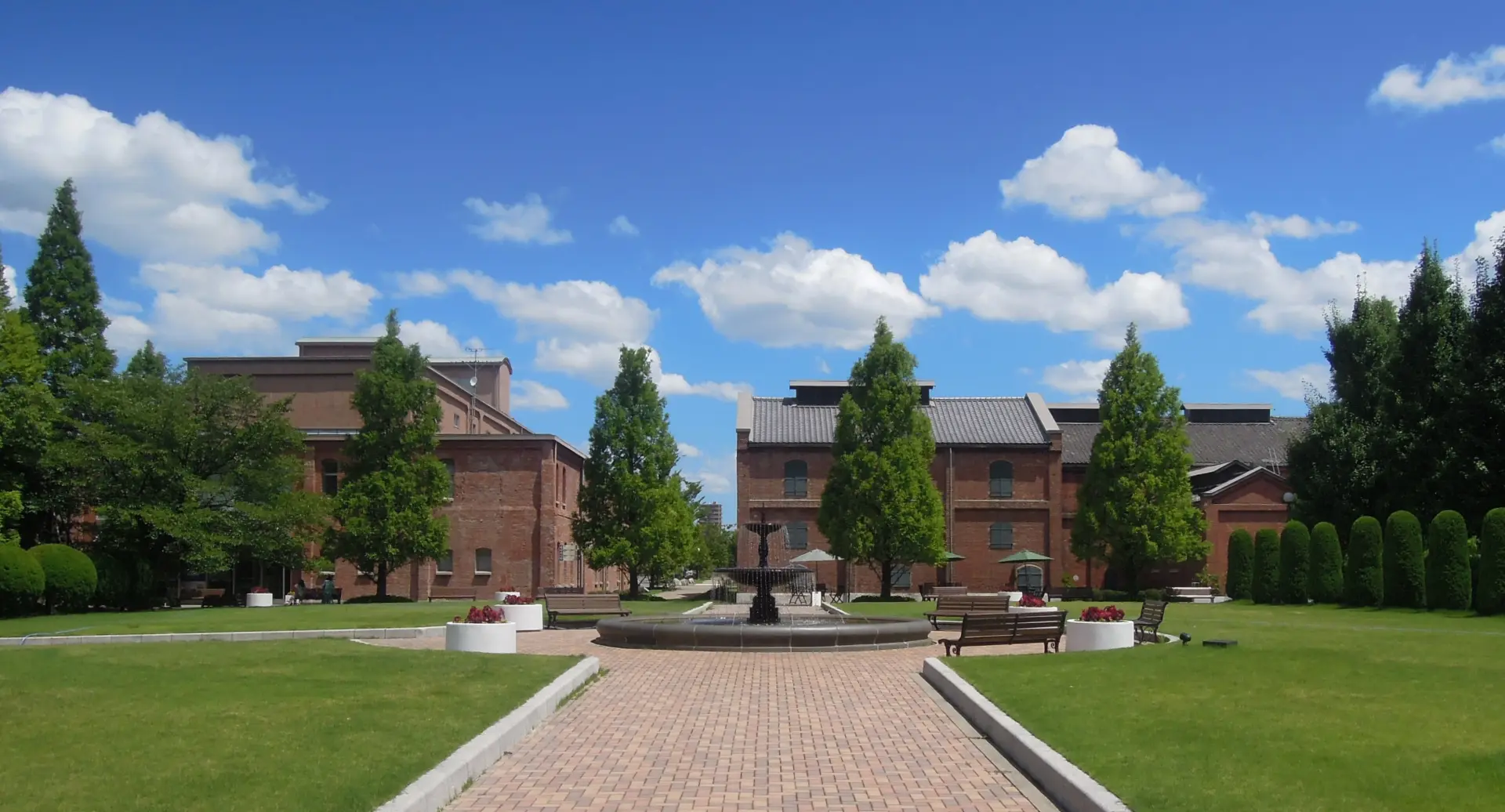
Your first destination is Noritake Garden, famed as the birthplace of the world-renowned Western tableware brand.
The grounds feature shops, cafés, restaurants, and museums — a space where you can experience both the history and present of Nagoya's manufacturing legacy.
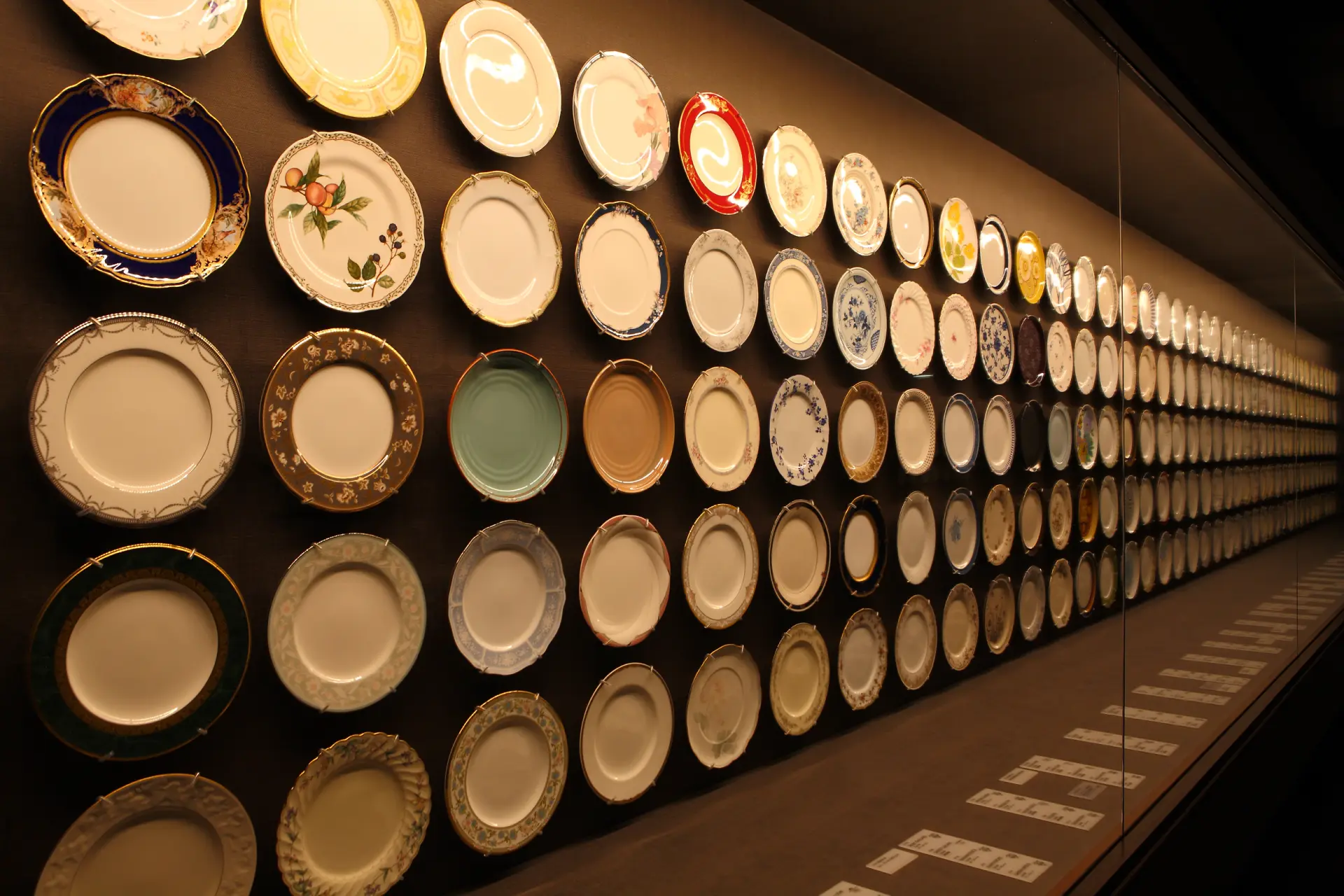
The red-brick building constructed in 1904 was the first factory of Nippon Toki Gomei Kaisha (now Noritake Co.), symbolizing the dawn of Western tableware manufacturing in Japan. At the Craft Center's Noritake Museum, you can admire precious works like "Classic Noritake," observe bone china production processes, and watch artisan painters at work — experiencing both past and present craftsmanship up close.
After your stroll, the shop is a great place to pick up tableware, kitchenware, or accessories as travel souvenirs.
Lunch at MARUYA Honten: Nagoya's Famous Hitsumabushi (Eel Rice Three Ways)
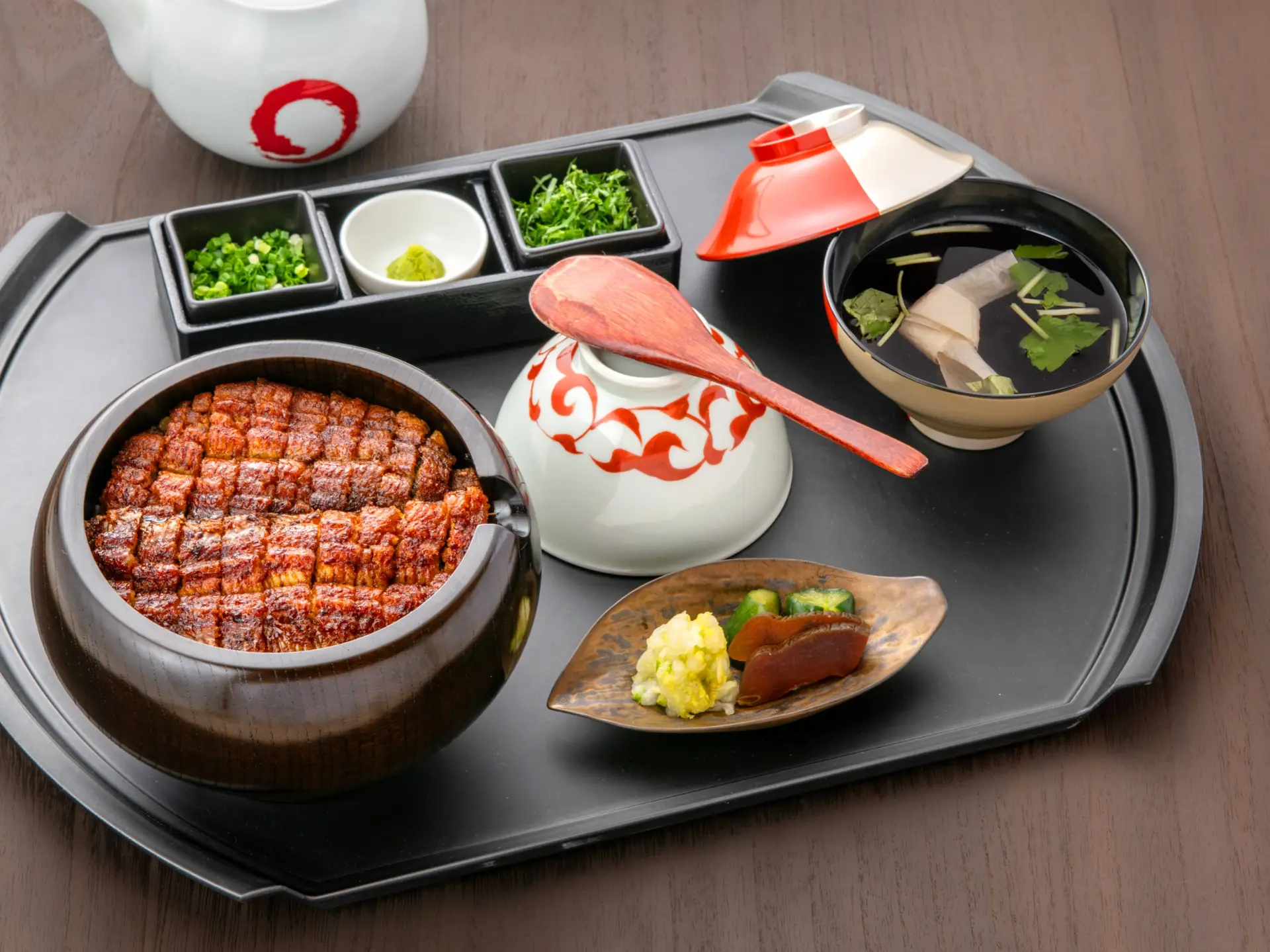
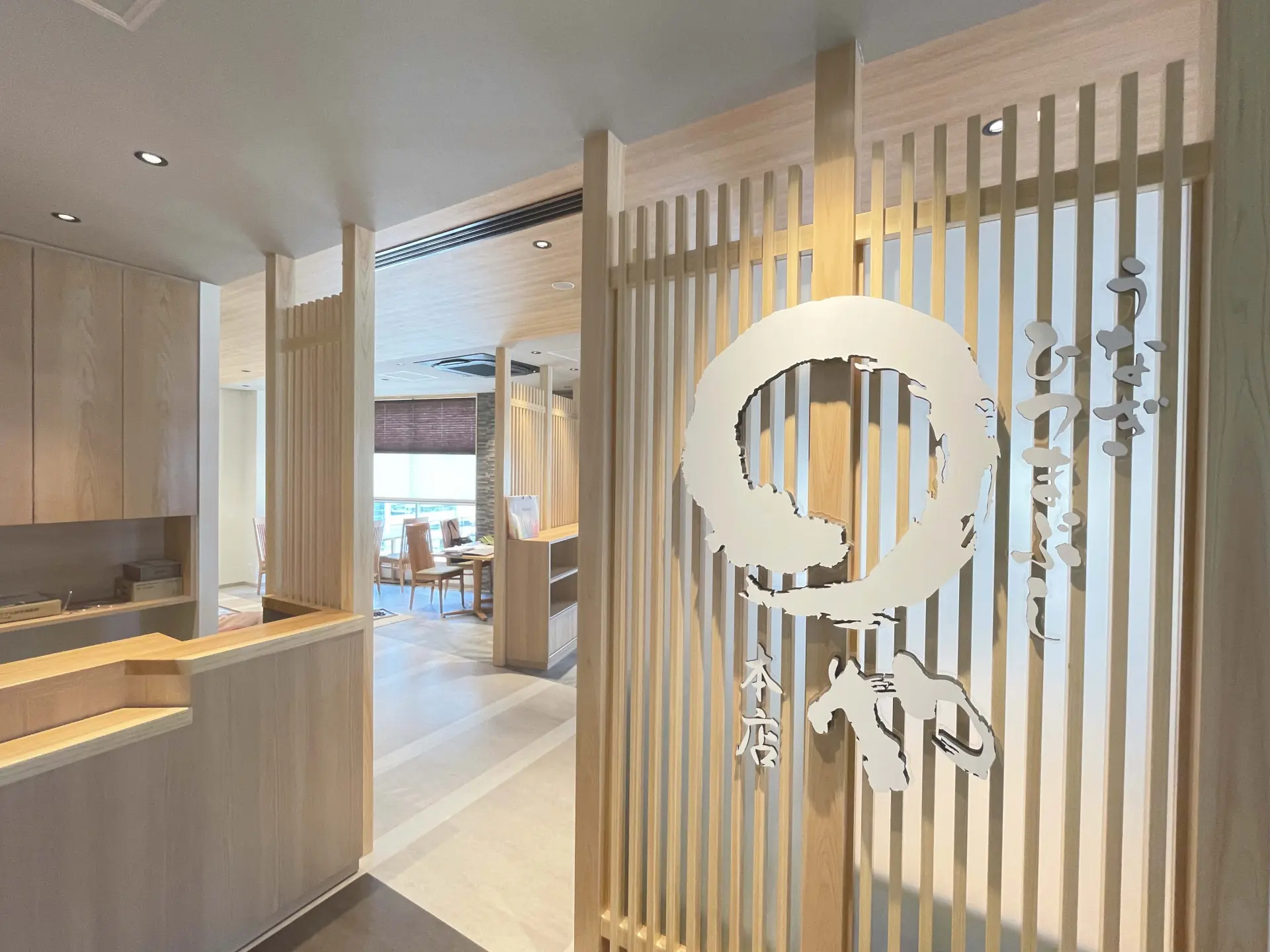
After exploring Nagoya's manufacturing heritage, walk about 15 minutes to MARUYA Honten Meieki 3-chome. This eel restaurant specializing in hitsumabushi (eel rice three ways) is conveniently close to Nagoya Station — perfect for lunch.
The eel is grilled over binchotan charcoal to aromatic perfection, served over 100% Japanese rice as their signature hitsumabushi. The sweet sauce, prepared with traditional tamari soy sauce, beautifully complements the eel's natural umami.
Enjoy the three-stage eating experience: first taste the eel with plain rice, then add condiments for a different flavor, and finally pour dashi broth over it for a tea-rice style finish.
Treat yourself to a proper lunch with one of Nagoya's most iconic dishes.
Visiting Osu Kannon Temple
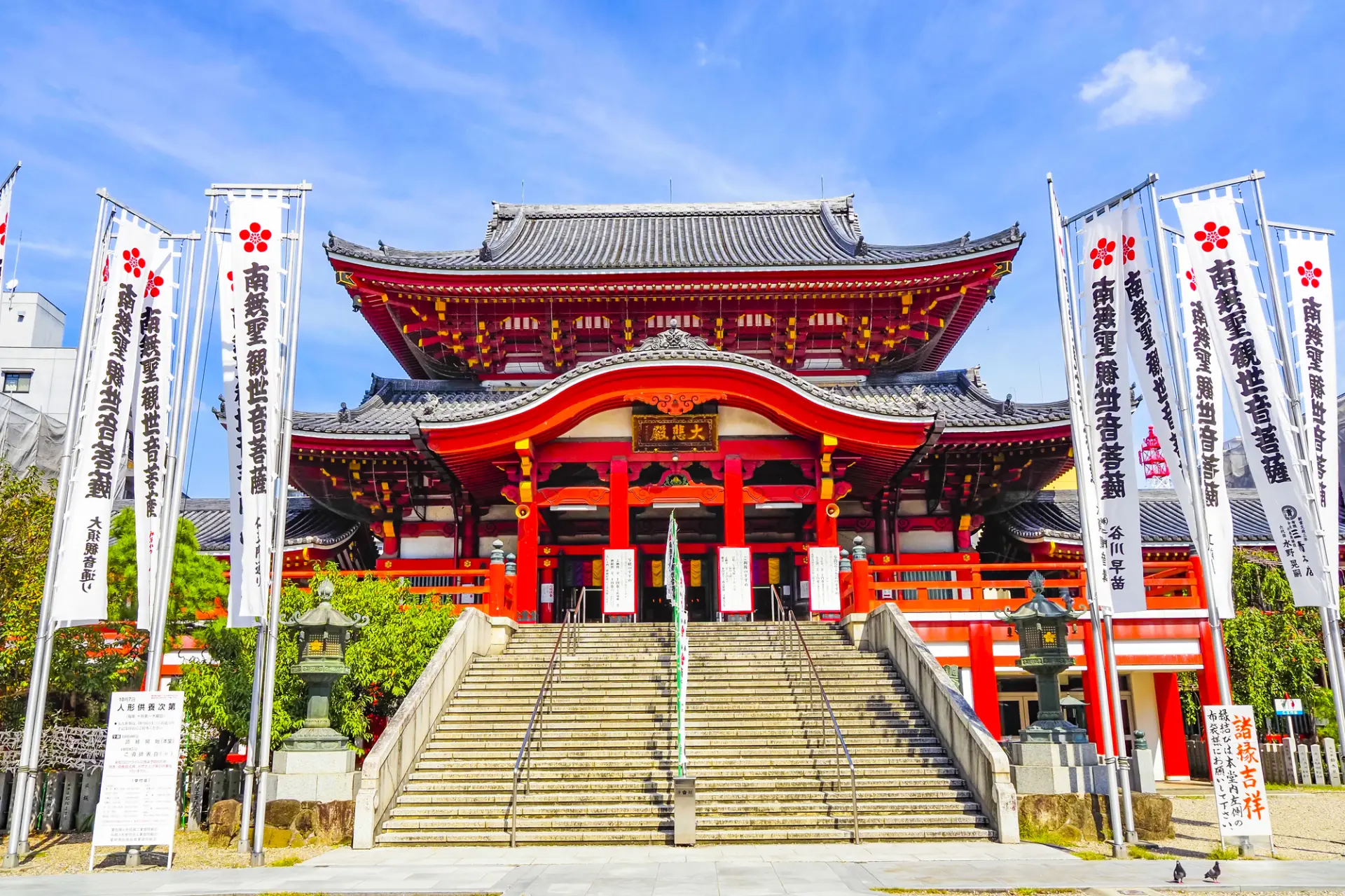
After enjoying Nagoya cuisine, take the subway from Nagoya Station to Osu Kannon Station to visit this historic temple standing at the heart of the shopping district.
This Shingon sect temple was relocated to its current site by order of Tokugawa Ieyasu. Its principal deity, Sho Kannon, together with Tokyo's Asakusa Kannon and Mie's Tsu Kannon, is known as one of the "Three Great Kannon of Japan."
Pass through the Niomon gate flanked by powerful Nio guardian statues, enter the grounds, and pay your respects at the main hall.
Exploring Osu Shopping Street: Nagoya's Liveliest District
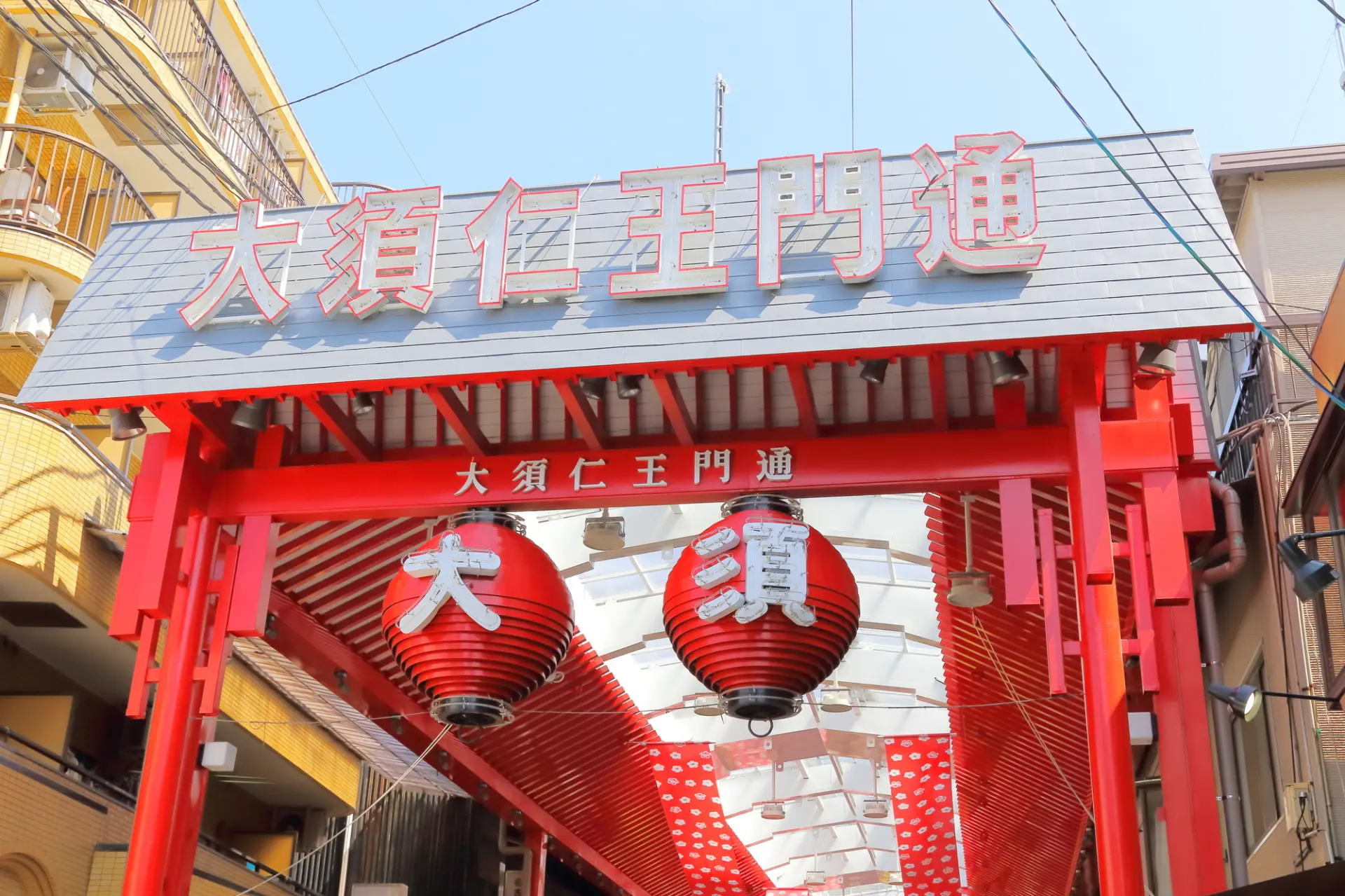
After visiting the temple, head to Osu Shopping Street just east of the temple grounds.
Osu Shopping Street is Nagoya's largest shopping district, situated within the area bounded by Wakamiya Odori and Fushimi-dori. Approximately 1,200 shops and facilities — restaurants, vintage clothing stores, variety shops, and electronics retailers — line the streets, creating an energetic atmosphere just by walking through.
In this neighborhood where long-established and trendy new shops coexist, young street-food enthusiasts and shoppers create a lively scene. Sample trending foods, pop into shops that catch your eye, and enjoy a relaxed strolling experience.
Sweet Break at Osu Tokugawa-an
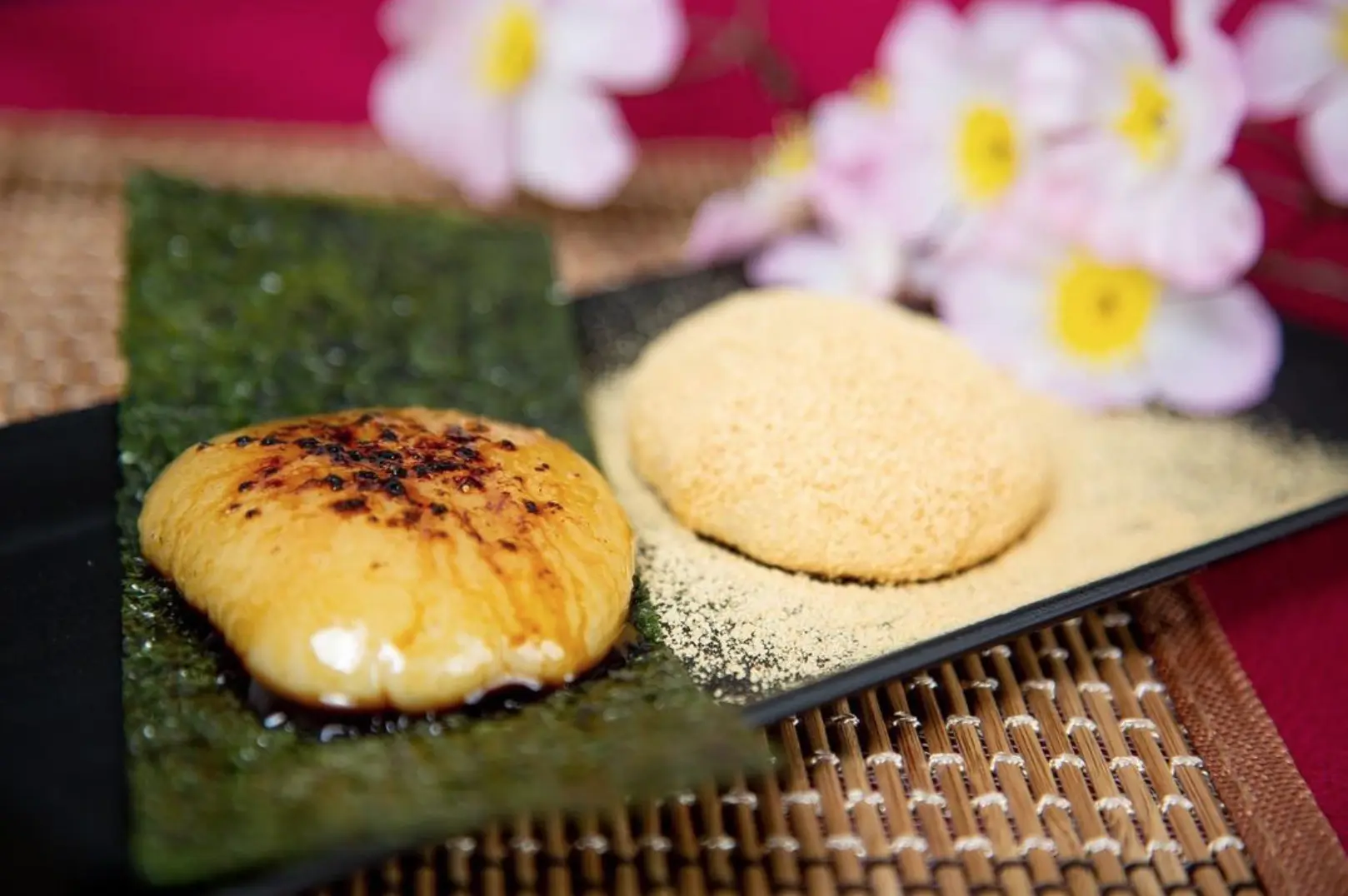
When your feet need a rest, stop by Osu Tokugawa-an. This sweets shop in the historically Tokugawa-connected Osu area serves freshly pounded mochi.
The made-to-order mochi is soft and wonderfully chewy. Beyond the daily limited 10-serving options of tsubuan (chunky) and koshian (smooth) red bean, there's also isobe-yaki, grated daikon soy sauce mochi, and more. Mix and match flavors to enjoy these freshly made treats as a perfect walking snack.
Feeling the Energy of Sakae at SUNSHINE Sakae
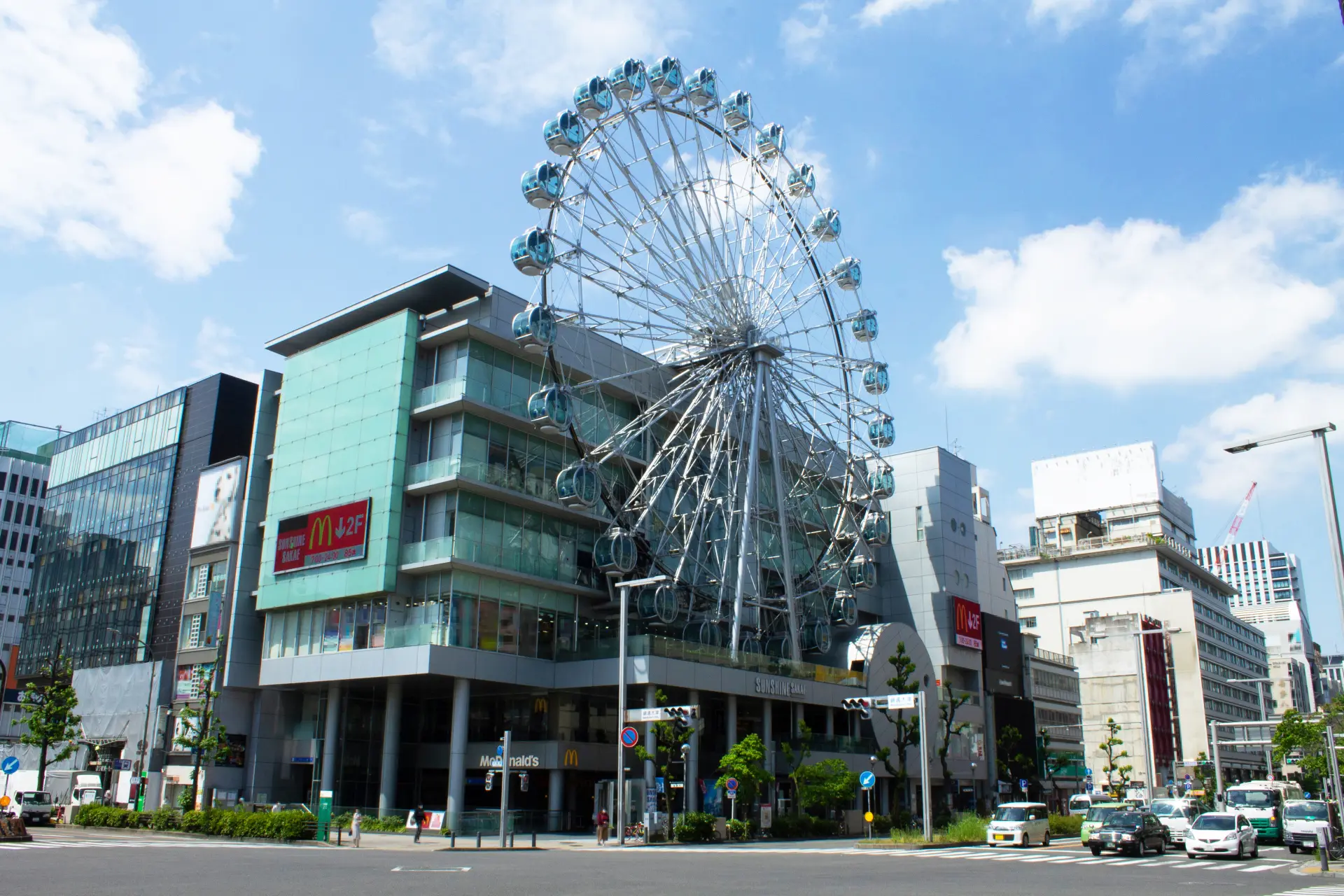
After exploring Nagoya's biggest shopping street, return to Osu Kannon Station and take the subway to Sakae Station, then walk to nearby SUNSHINE Sakae.
The Ferris wheel "Sky-Boat" mounted on the exterior wall is an eye-catching Sakae landmark. Ride the transparent cabin for city panoramas from approximately 52 meters above ground.
The nighttime views are especially enchanting when Chubu Electric Power MIRAI TOWER and Oasis 21 light up. The building houses cafés, shops, and entertainment facilities — a lively place to experience the vitality of Sakae.
Evening Stroll at Hisaya Odori Park
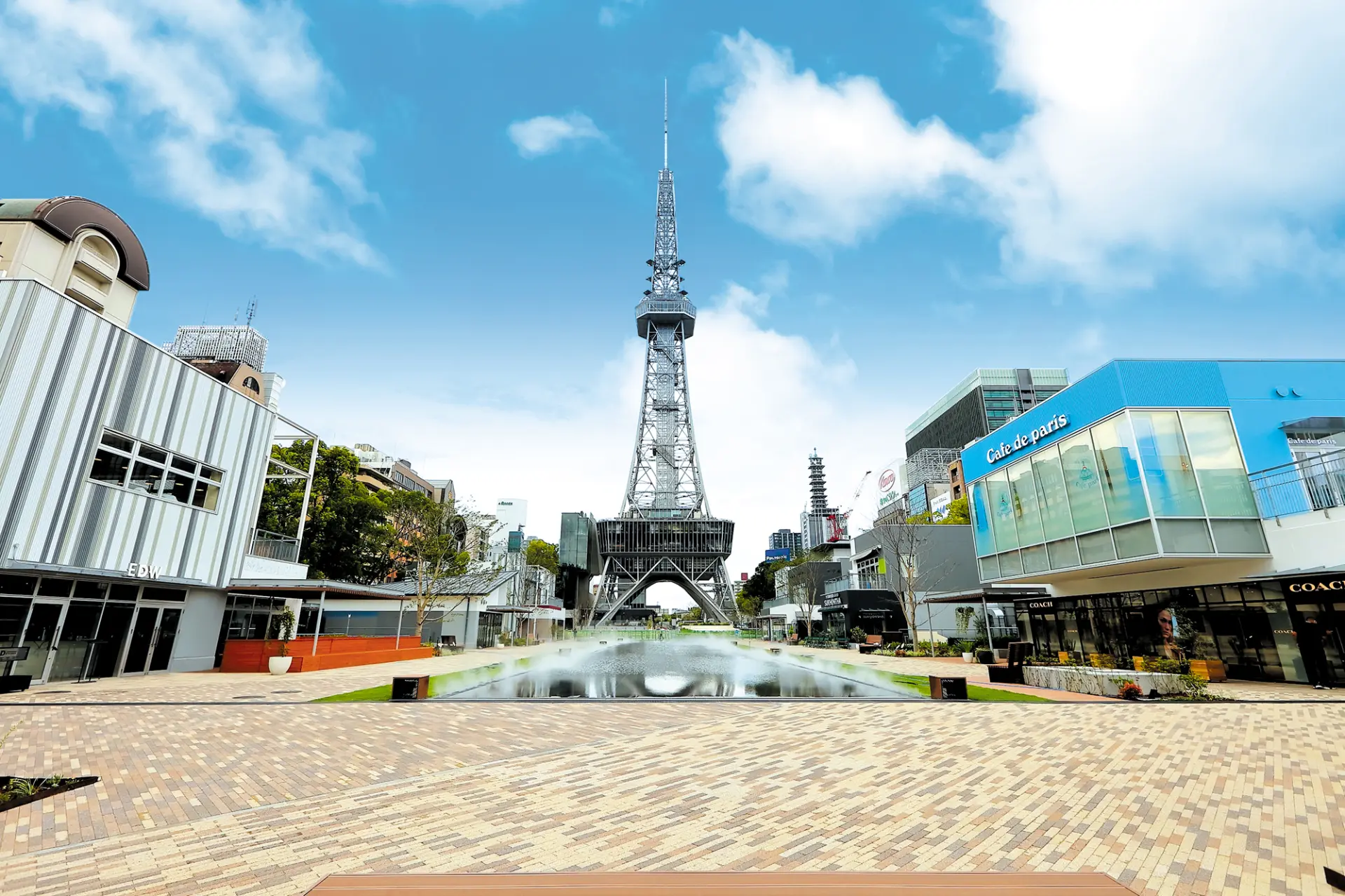
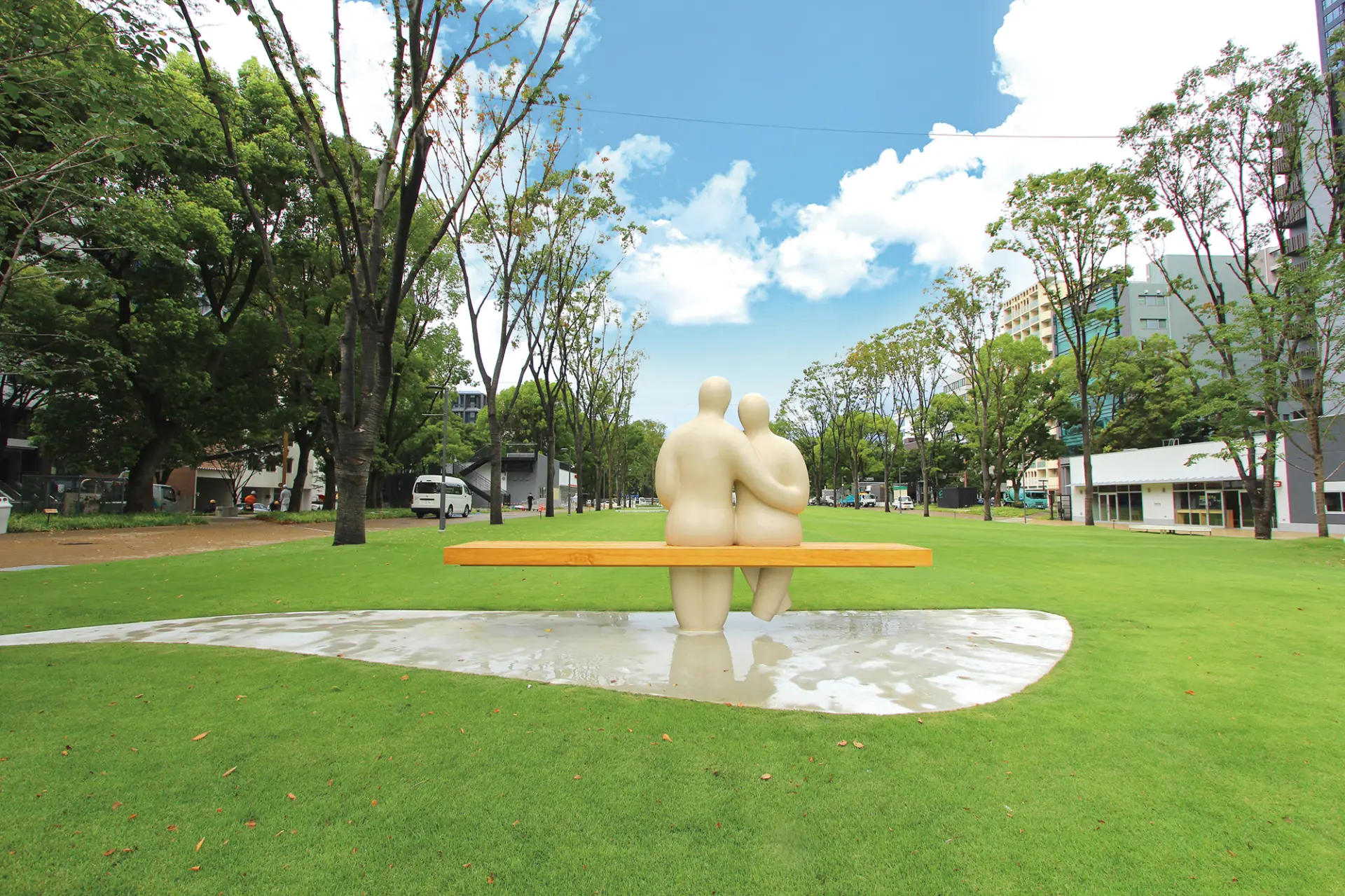
Next, walk about 5 minutes to Hisaya Odori Park, a roughly 1-kilometer urban park stretching north to south along the central green belt of Hisaya Odori.
The park features lawn plazas and tree-lined paths, providing a sense of openness even in the city center. With restaurants and shops scattered throughout, you can enjoy both urban energy and greenery.
At the area near the base of Chubu Electric Power MIRAI TOWER, the tower's reflection in the water pool makes for a perfect photo opportunity. Enjoy a pre-dinner stroll while snapping some shots.
Dinner at Sekai no Yamachan: Nagoya's Famous Chicken Wings
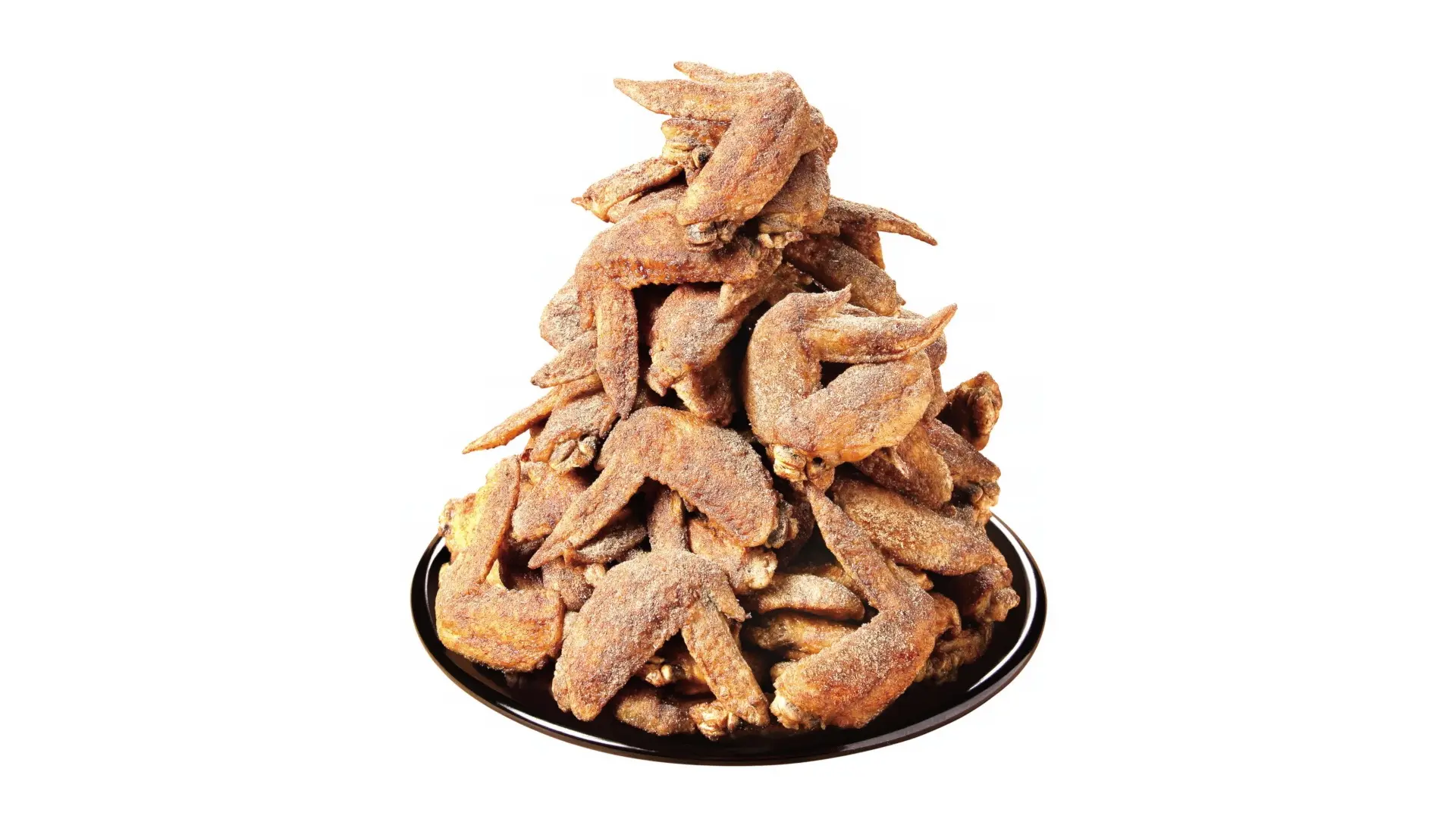
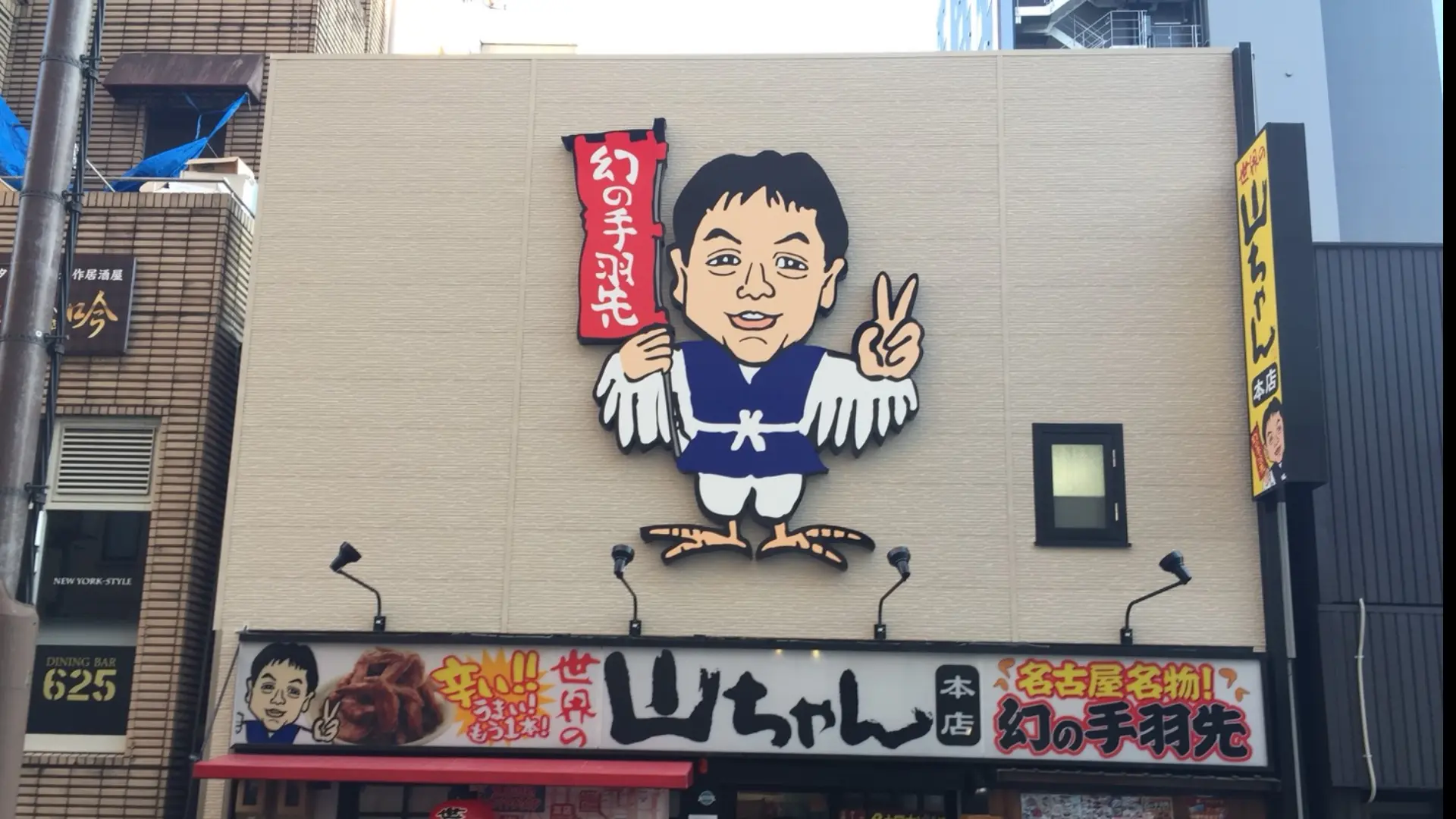
Time for the eagerly awaited dinner! Walk about 10 minutes from Hisaya Odori Park to Sekai no Yamachan Honten.
Their signature "Fantasy Chicken Wings" (Maboroshi no Tebasaki) are deep-fried and coated in a secret sauce with a peppery kick. Crispy on the outside, juicy on the inside — they're impossible to stop eating and pair perfectly with beer. Enjoy a Nagoya-style evening in this energetic establishment.
Beyond the wings, you can also try other Nagoya favorites like dote-ni (miso-stewed offal), miso kushikatsu (deep-fried pork skewers with miso), and more — all in one sitting.
Night Views from Chubu Electric Power MIRAI TOWER
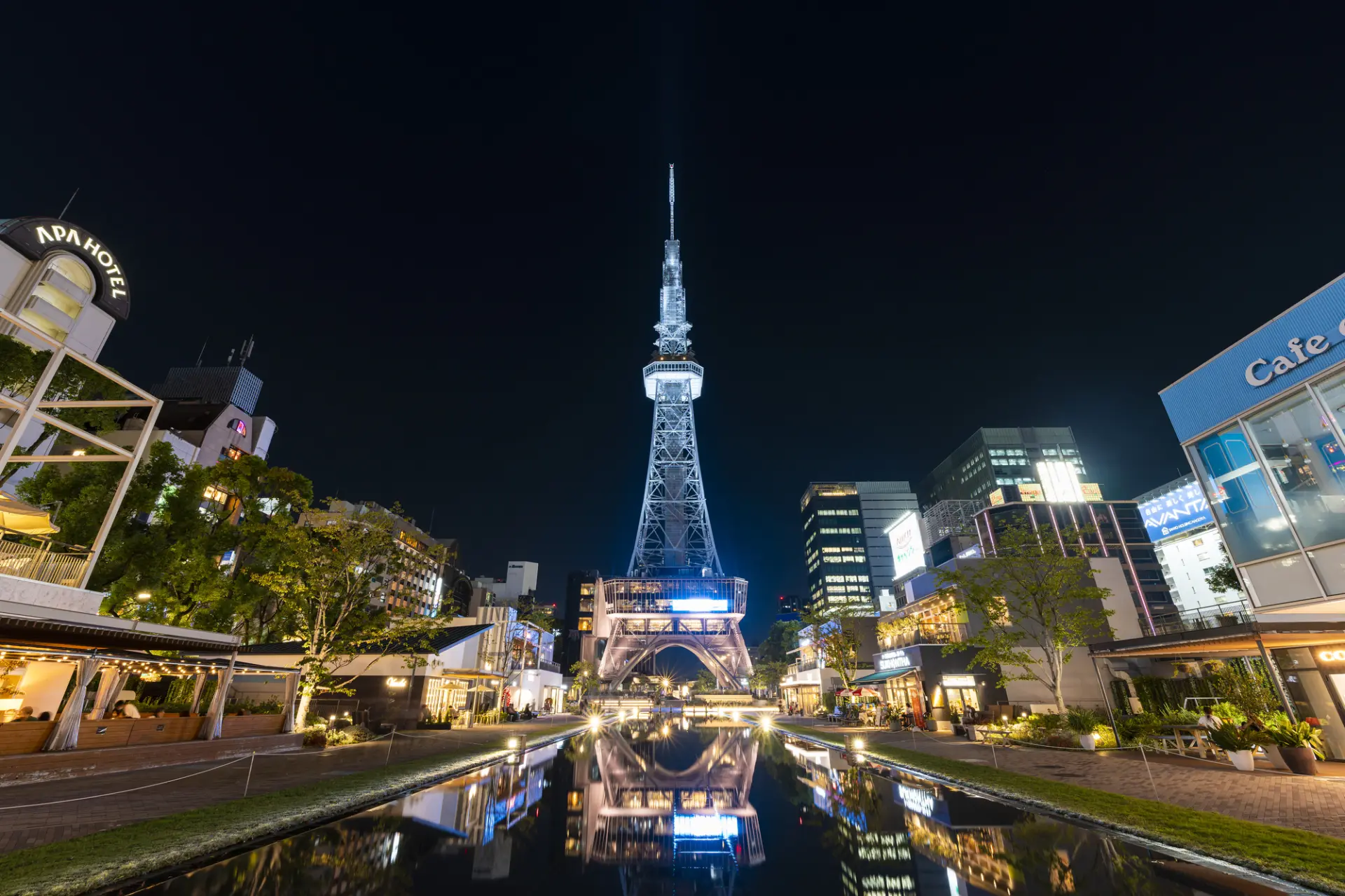
After enjoying local cuisine, take an evening stroll and head to Chubu Electric Power MIRAI TOWER, Nagoya's landmark tower originally built as "Nagoya TV Tower."
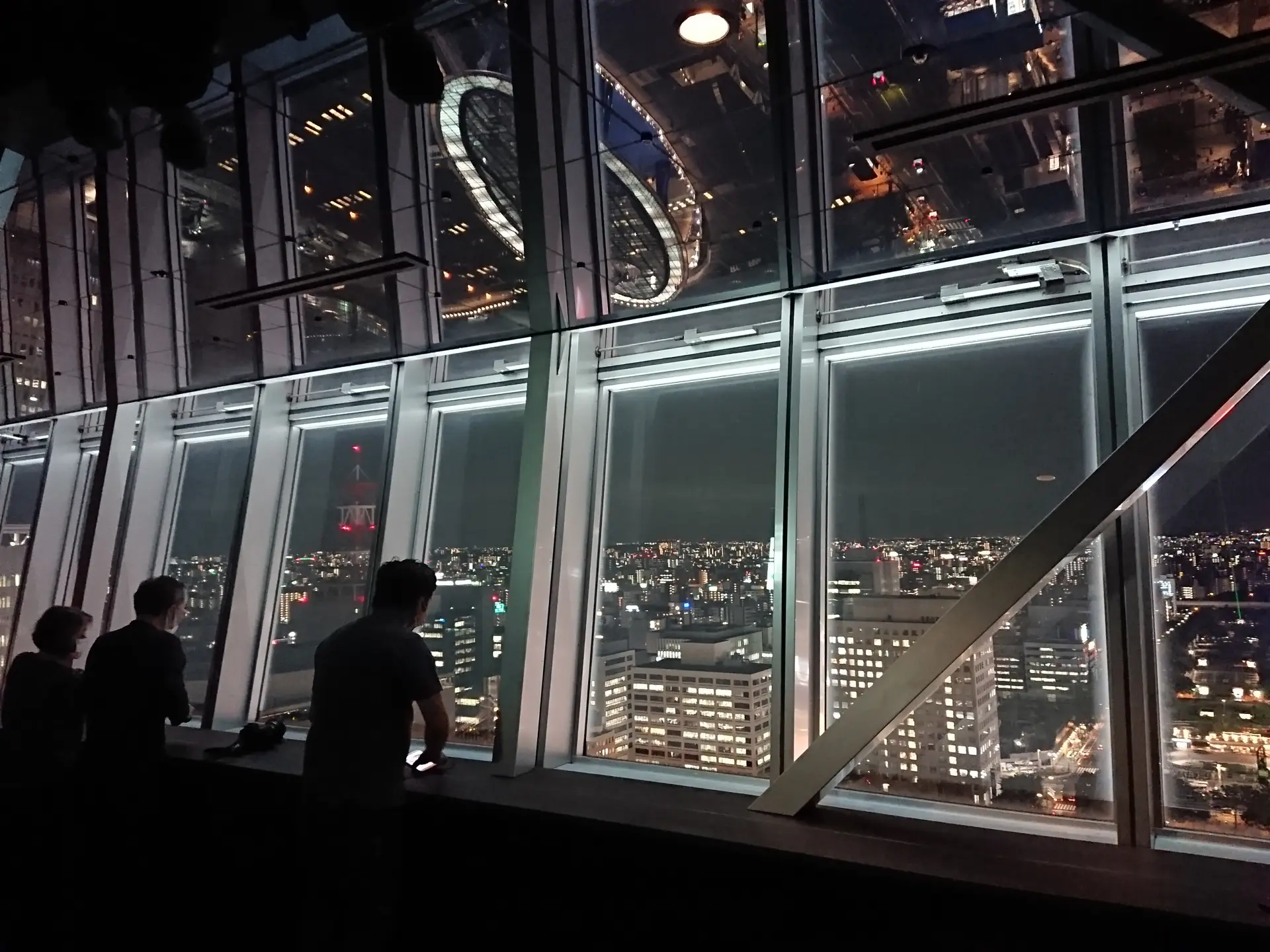
From the indoor observation deck "Sky Deck" at 90 meters, you can enjoy sparkling city panoramas. The night scenery reflected in the mirrored ceiling and floor creates a dreamlike space. The outdoor observation deck "Sky Balcony" at 100 meters lets you feel the evening breeze and take in views without glass barriers — a unique experience only available here.
Check-in: Tennen Onsen Nishiki Shachi no Yu Dormy Inn PREMIUM Nagoya Sakae
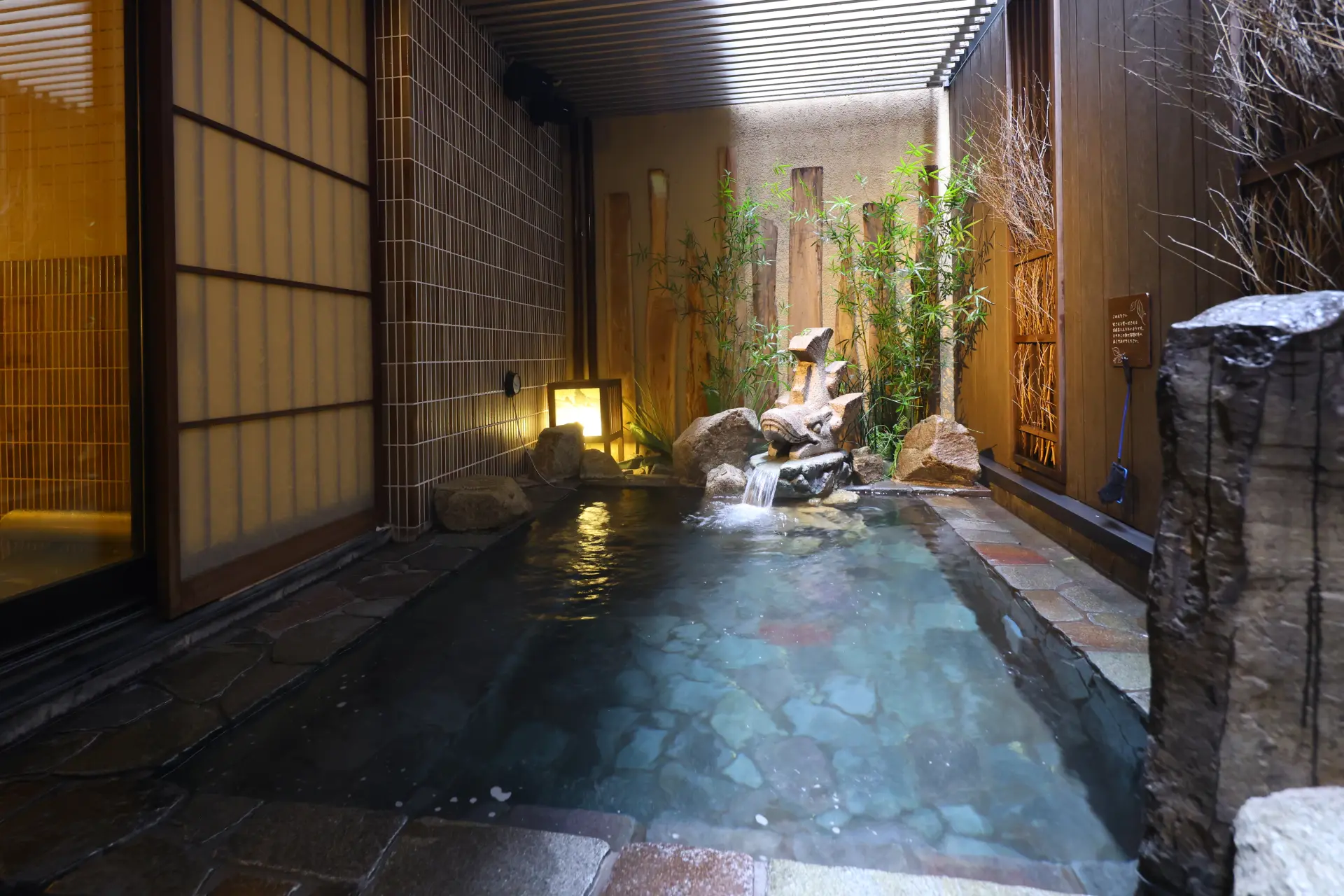
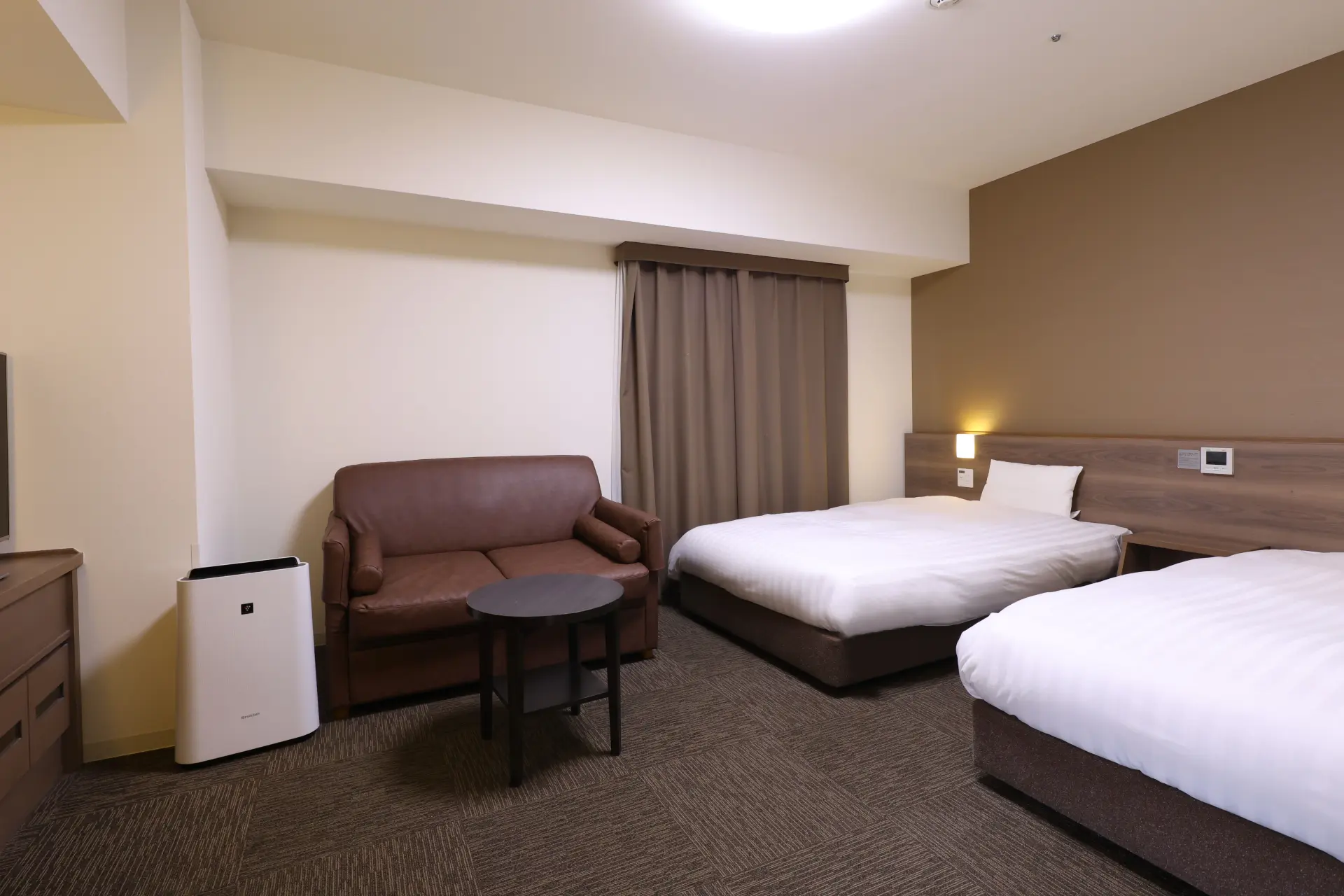
Savoring the afterglow of the night views, walk about 12 minutes to check in at Tennen Onsen Nishiki Shachi no Yu Dormy Inn PREMIUM Nagoya Sakae.
Soak in the natural hot spring bath filled with alkaline spring water transported from Gifu Prefecture. The facility also features an outdoor bath and sauna — perfect for easing the fatigue of a full day of walking.
The Japanese-Western buffet breakfast is another highlight, offering Nagoya specialties like hitsumabushi, dote-ni made with red miso, and kishimen noodles.
With breakfast to look forward to, end Day 1 on a perfect note.
Day 2 — Exploring Nagoya's History & Souvenir Shopping
Start Day 2 with the hotel's Japanese-Western buffet breakfast, check out, then take the subway from Fushimi Station to Nagoya Castle Station. Walk about 5 minutes to Nagoya Castle.
Nagoya Castle: Experiencing History Through the Tenshu & Honmaru Palace
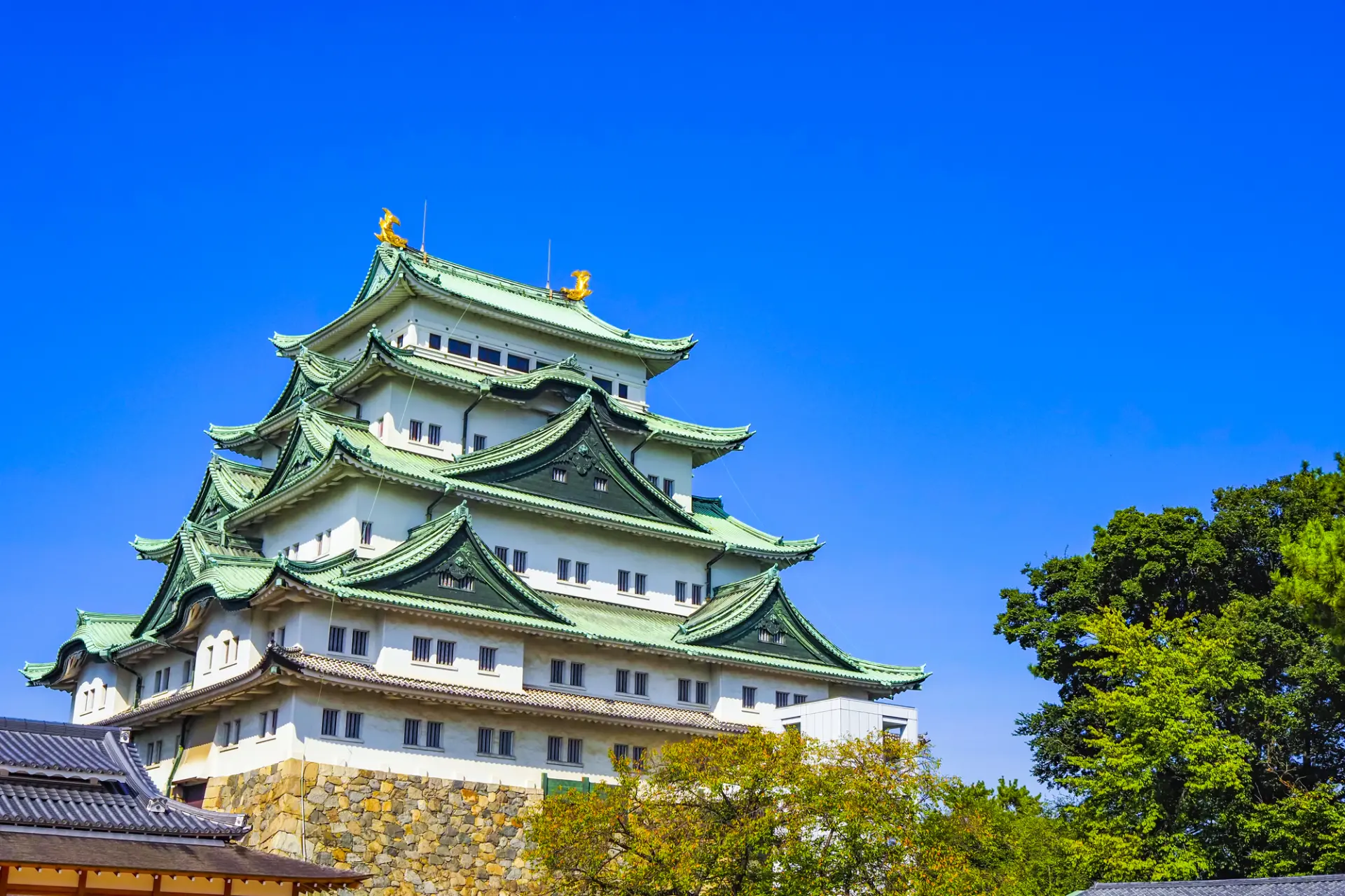
Built by order of Tokugawa Ieyasu, Nagoya Castle is one of Japan's largest castles. Atop the five-tiered tenshu (keep), a pair of magnificent golden shachihoko gleam with golden scales, serving as Nagoya's iconic symbol.
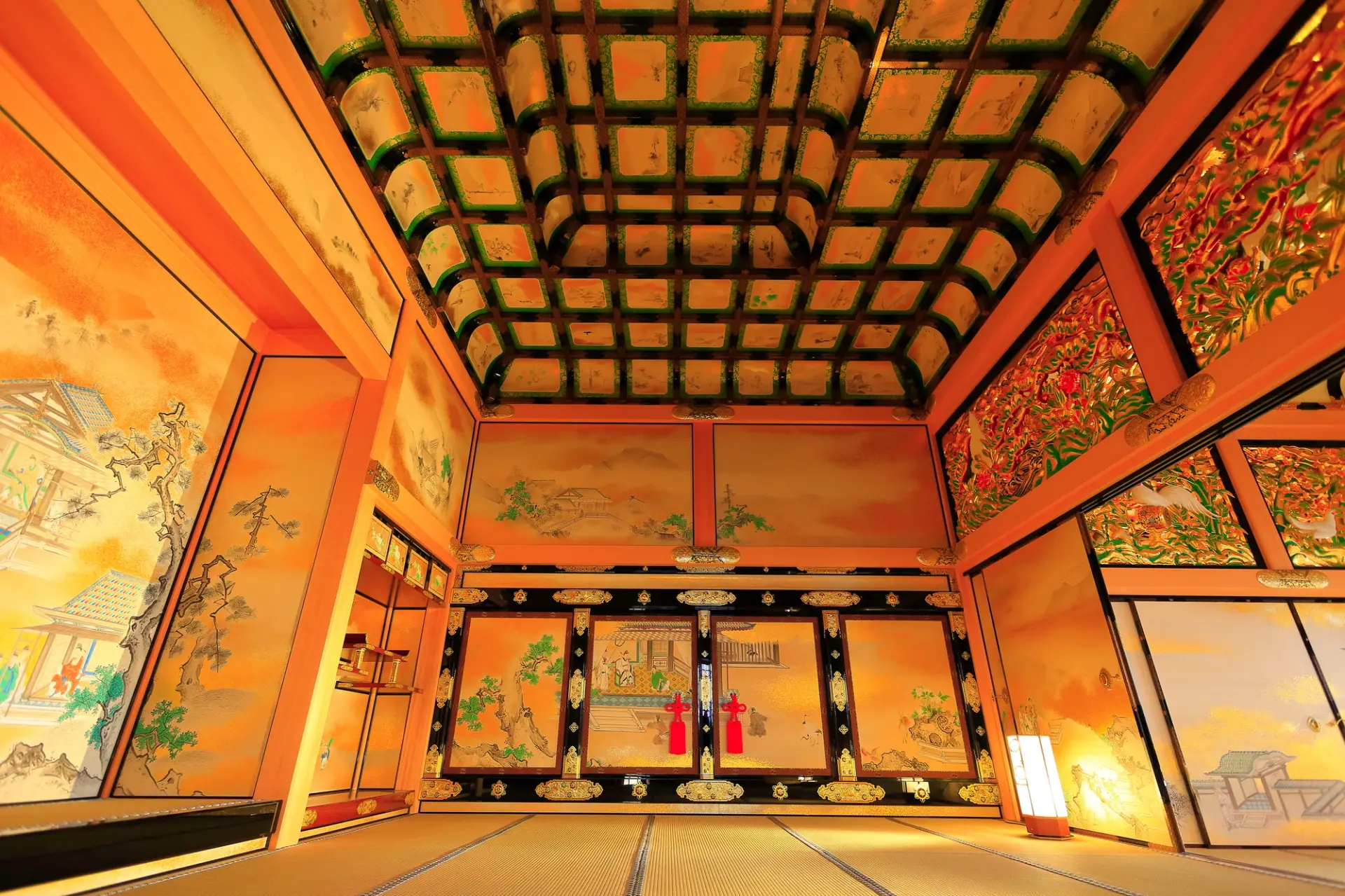
Wander the vast castle grounds imagining Edo-period life, then visit the Honmaru Palace, originally built in 1615 as the feudal lord's residence and political center.
Destroyed during the war and faithfully reconstructed in wood, you can now admire the lavish interior spaces decorated with stunning fusuma paintings. The Kano school's resplendent gold-leaf paintings that unfold across room after room are particularly breathtaking.
Early Lunch at Kinshachi Yokocho
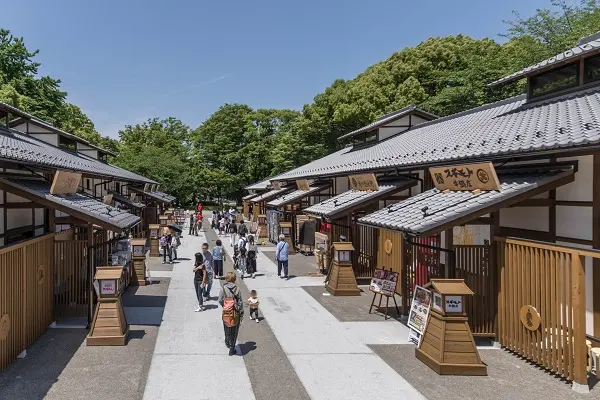
After exploring Nagoya Castle, head directly to Kinshachi Yokocho at the castle's base — a gourmet spot assembling Nagoya's finest restaurants, perfect for an early lunch.
The area is divided into the "Yoshinao Zone" near the main gate and the "Muneharu Zone" near the east gate. Classic Nagoya dishes like miso katsu, miso nikomi udon, and hitsumabushi are concentrated in the Yoshinao Zone.
Stroll through the castle-town-inspired streetscape while choosing a restaurant to enjoy Nagoya cuisine one more time.
Tokugawa Garden: Tranquil Time Among Seasonal Scenery
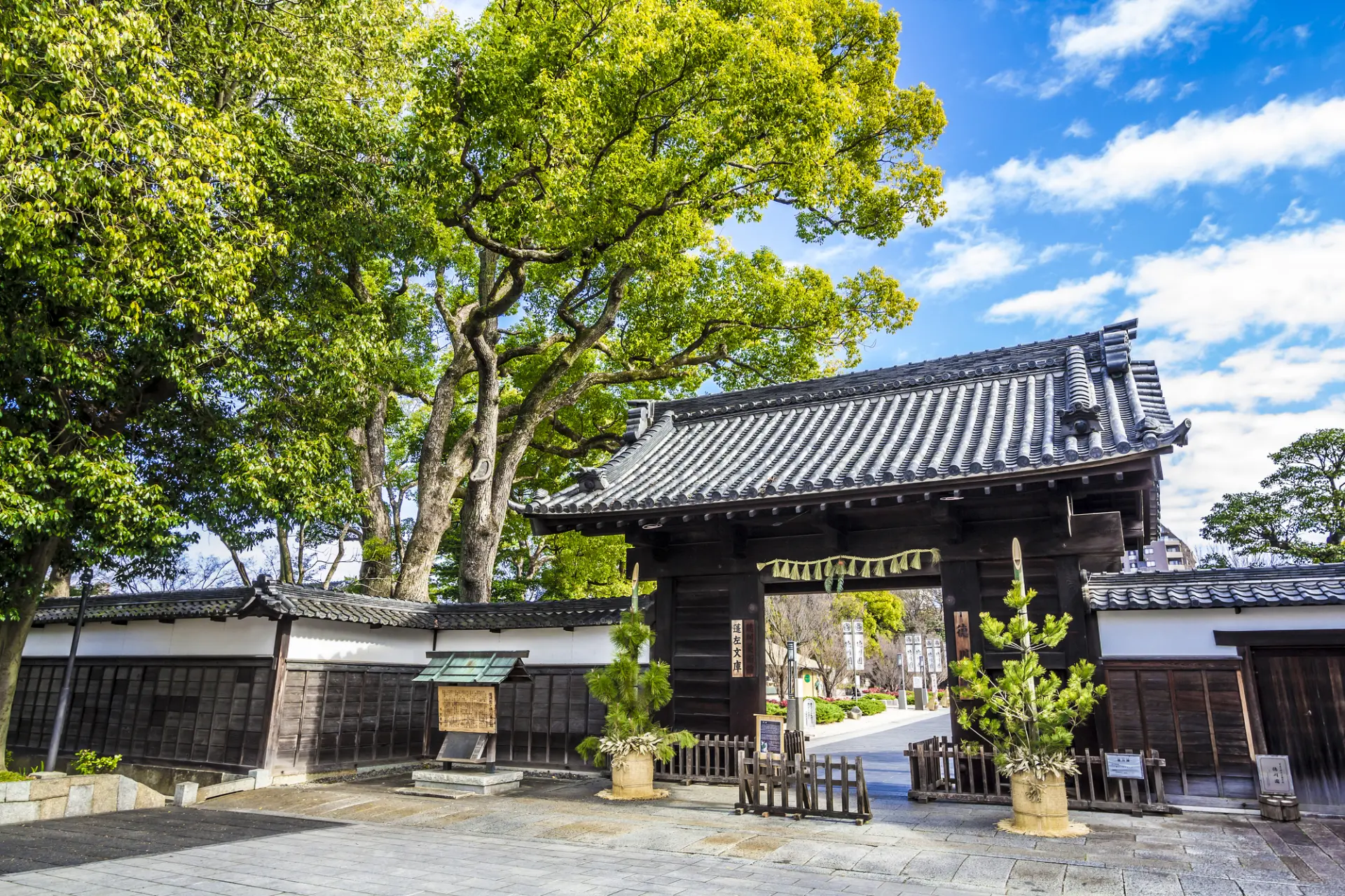
After lunch at Kinshachi Yokocho, take the subway to Ozone Station and walk about 15 minutes to Tokugawa Garden, a Japanese garden deeply connected to the Owari Tokugawa clan.
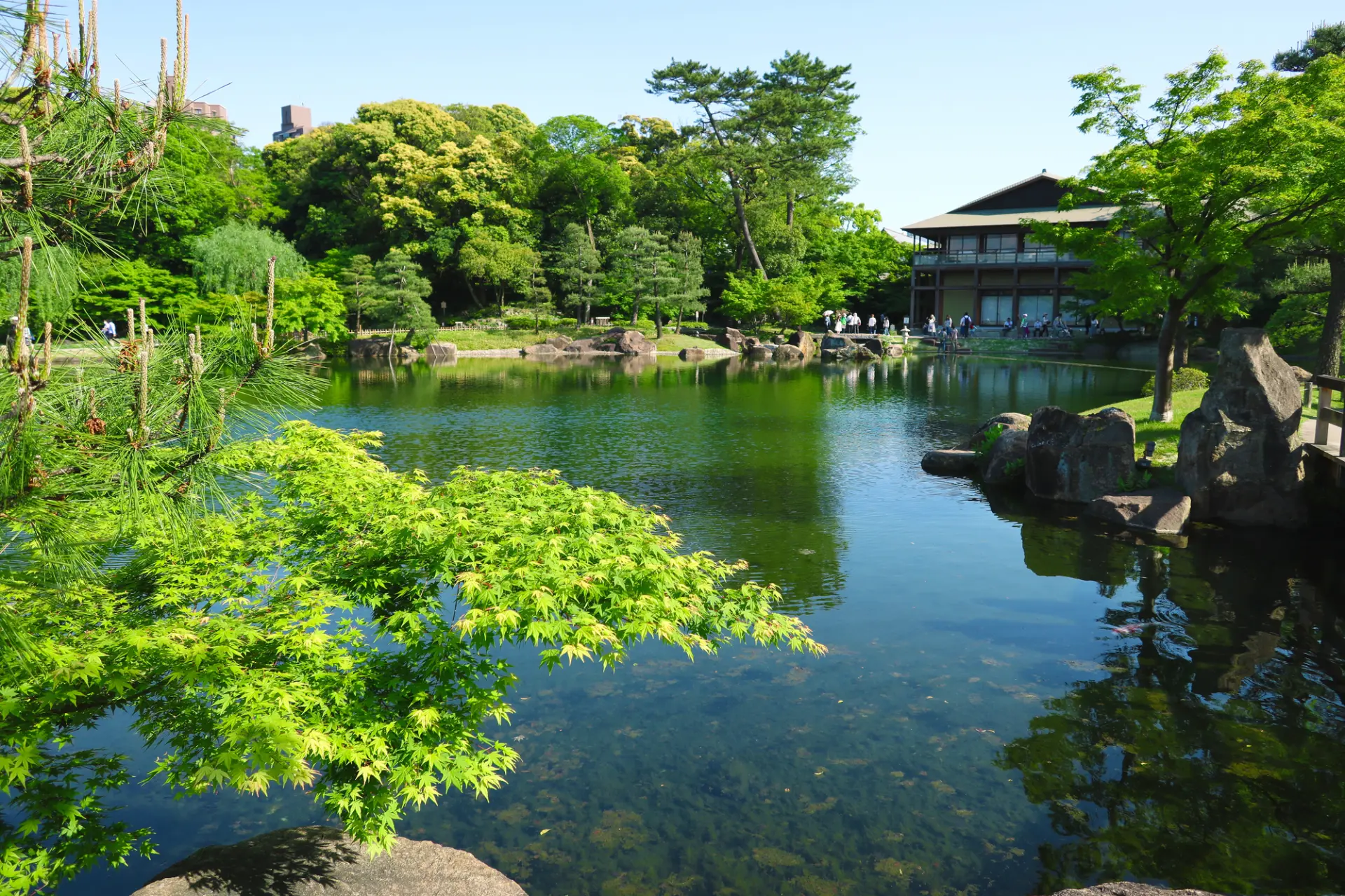
This pond-strolling garden (chisen kaiyushiki) follows the style of Edo-period daimyo gardens. As you walk the paths, the scenery transforms with every step. Waterfalls flowing into ponds evoke Japan's natural landscapes in miniature, with the dramatic terrain creating dynamic, engaging views.
Stroll leisurely along the pond, watch colorful koi glide through the water, and enjoy seasonal flowers — spending peaceful moments in an atmosphere completely different from the bustling city.
Souvenir Shopping at JR Central Towers
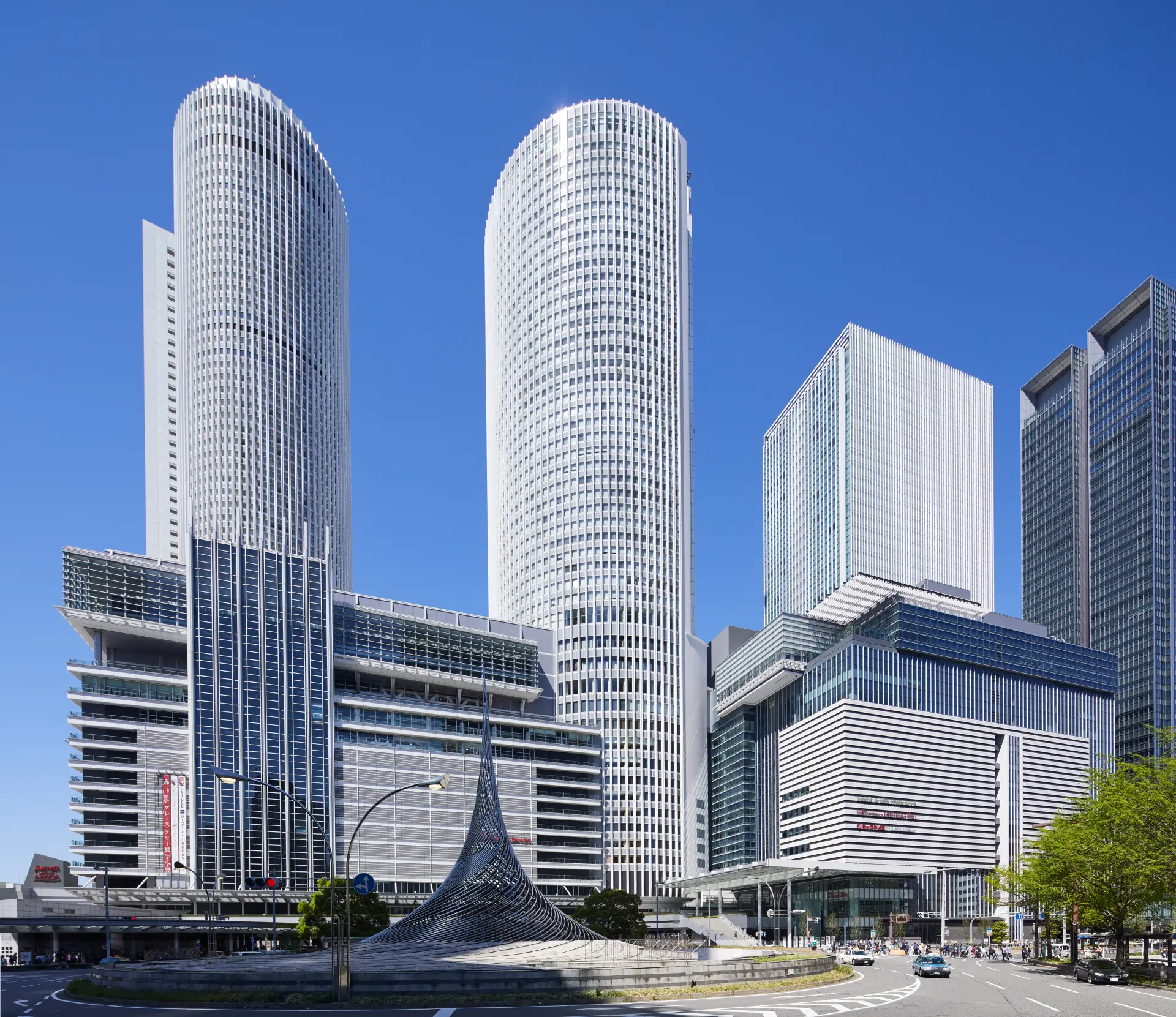
After Tokugawa Garden, take the JR Chuo Line from Ozone Station back to Nagoya Station and browse JR Central Towers, directly connected to the station, for souvenirs.
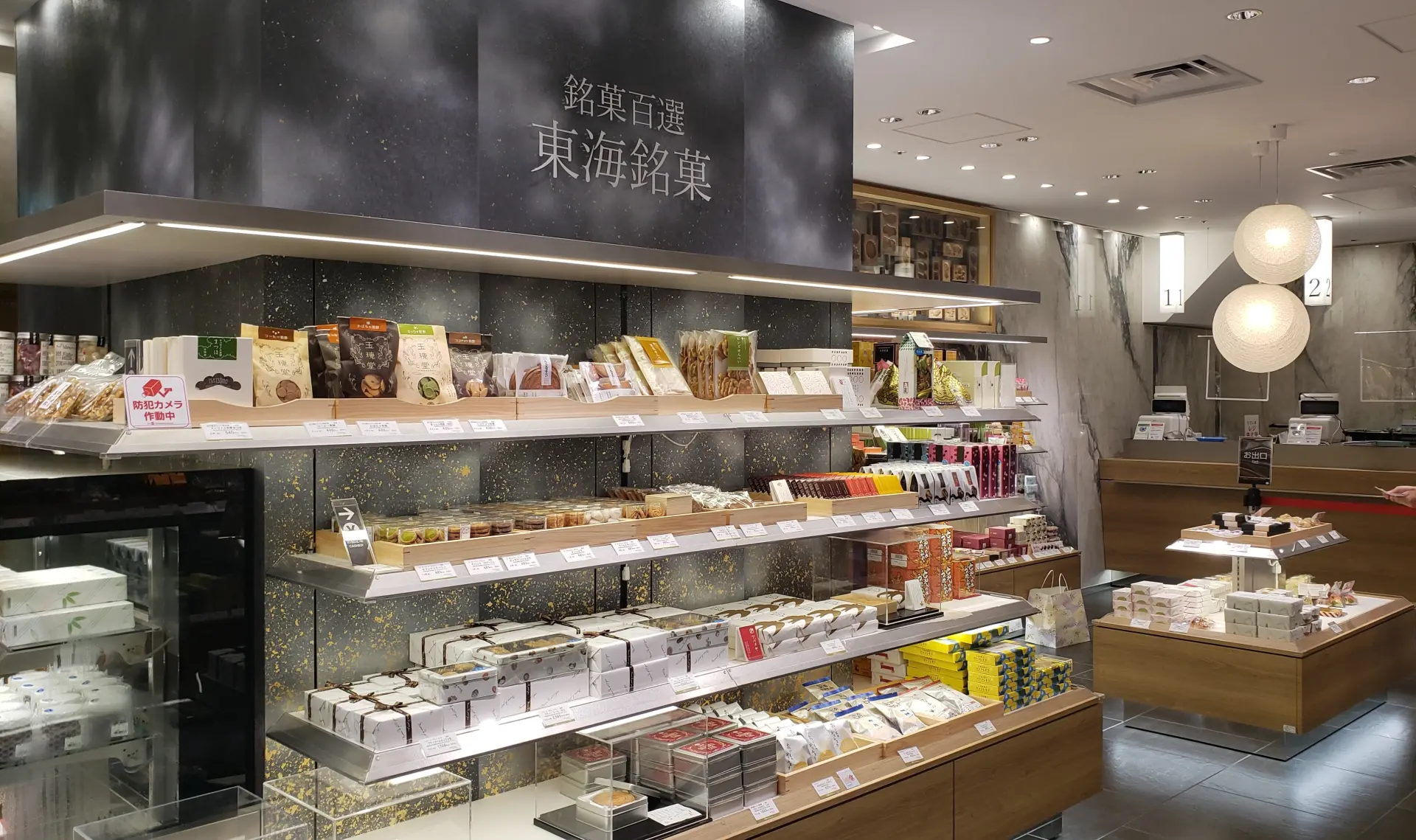
The complex houses the "JR Nagoya Takashimaya" department store, food halls, and various shops, with an extensive selection of Tokai region sweets and popular confections. The basement floors offer a comprehensive collection of local souvenirs — easy to visit before boarding your return Shinkansen.
If time permits, enjoy a rest at a high-floor café with scenic views. End your 2-day trip on a perfect note amid Nagoya's characteristically vibrant atmosphere.
2-Day 1-Night Itinerary at a Glance
Day 1
| Time | Spot | Getting There |
|---|---|---|
| 10:00 | Nagoya Station | — |
| 10:30 | Noritake Garden | ~15 min walk |
| 12:00 | MARUYA Honten Meieki 3-chome | ~15 min walk |
| 13:30 | Osu Kannon | Walk + subway (~12 min) |
| 14:00 | Osu Shopping Street | Adjacent |
| — | Osu Tokugawa-an | Within the area |
| 16:30 | SUNSHINE Sakae | Subway (~10 min) + walk |
| 17:40 | Hisaya Odori Park | ~5 min walk |
| 18:20 | Sekai no Yamachan Honten | ~10 min walk |
| 20:00 | Chubu Electric Power MIRAI TOWER | ~10 min walk |
| 21:00 | Dormy Inn PREMIUM Nagoya Sakae | ~12 min walk |
Day 2
| Time | Spot | Getting There |
|---|---|---|
| 9:00 | Depart hotel | — |
| 9:30 | Nagoya Castle | Subway + ~5 min walk |
| 11:15 | Kinshachi Yokocho | Walk |
| 13:30 | Tokugawa Garden | Subway + ~15 min walk |
| 15:30 | JR Central Towers | JR Chuo Line (~14 min) |
Conclusion
This guide has covered a recommended 2-day 1-night Nagoya itinerary in detail.
Day 1 takes you from Osu Shopping Street to the Sakae area, enjoying a Ferris wheel, night views, and Nagoya's famous fried chicken wings — experiencing the vibrant urban atmosphere and enjoying a wonderful Nagoya evening. Day 2 visits Nagoya Castle, Kinshachi Yokocho, and Tokugawa Garden for a peaceful journey through the history and culture tied to the Owari Tokugawa clan.
Nagoya's charm lies in the ease of exploring numerous spots for history, cuisine, and nature — all connected by convenient city transportation. Beyond this itinerary, notable attractions like Atsuta Shrine and the historic streets of Arimatsu are scattered throughout the city. If you have an extra day, we recommend taking a direct bus from Nagoya Station for a full day at Ghibli Park.