Yamagata Murayama Area: The Perfect 3-Night 4-Day Itinerary — Yamadera, Zao & Ginzan Onsen
The Murayama area sits at the heart of Yamagata Prefecture, comprising 7 cities and 7 towns.
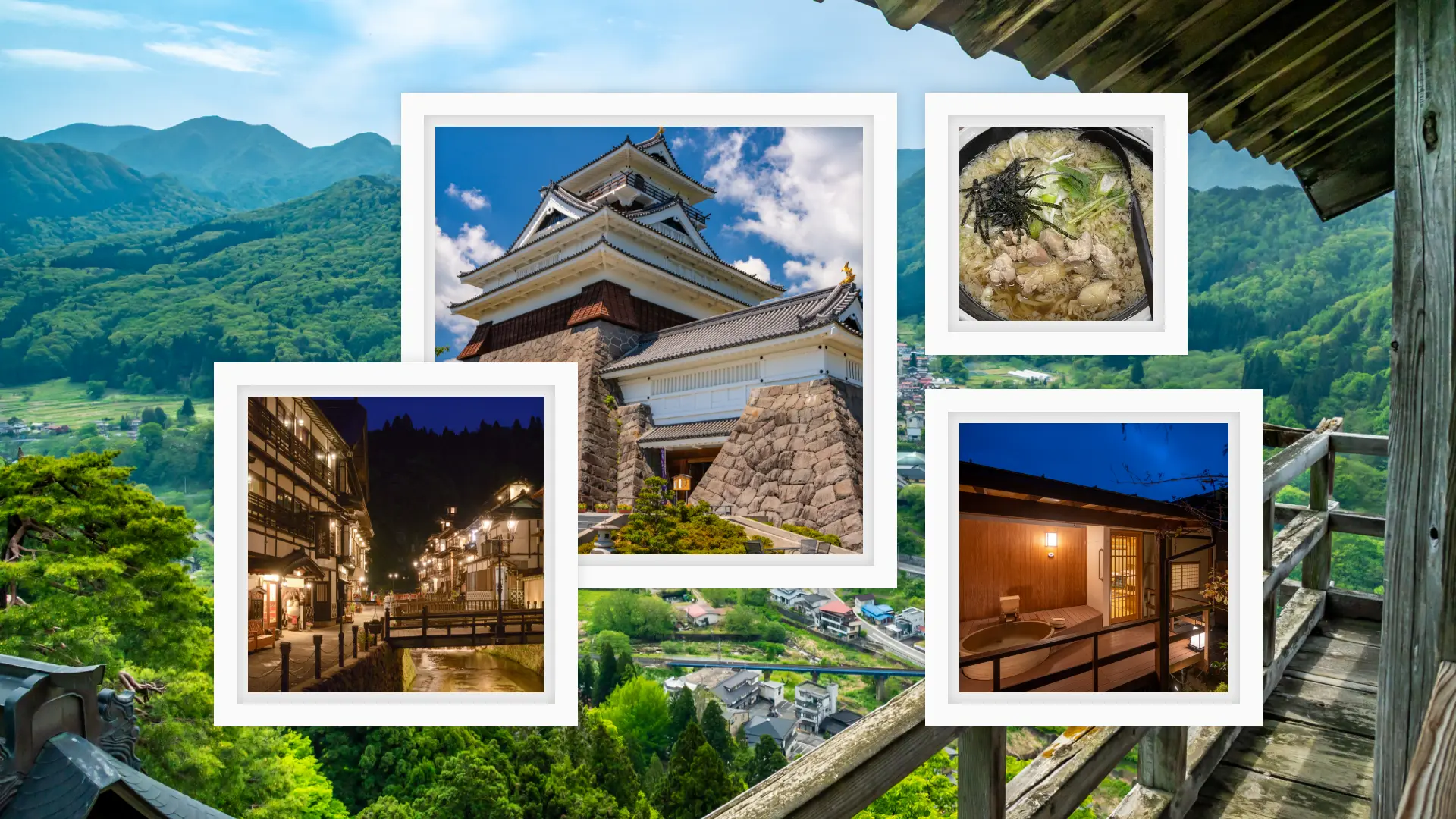
Yamagata's three most popular destinations — Ginzan Onsen, Yamadera, and Zao — are all located here. A single visit to the Murayama area lets you experience the very best of what Yamagata has to offer.
This guide presents a classic 3-night, 4-day itinerary covering all the major highlights while savoring local cuisine and immersing yourself in regional culture.
What is the Murayama Area?
The Murayama area features numerous popular destinations: Ginzan Onsen (Obanazawa City), Yamadera (Yamagata City), Zao (Yamagata City), Tendo City (famous for hot springs and shogi chess), and Kaminoyama Castle (Kaminoyama City).
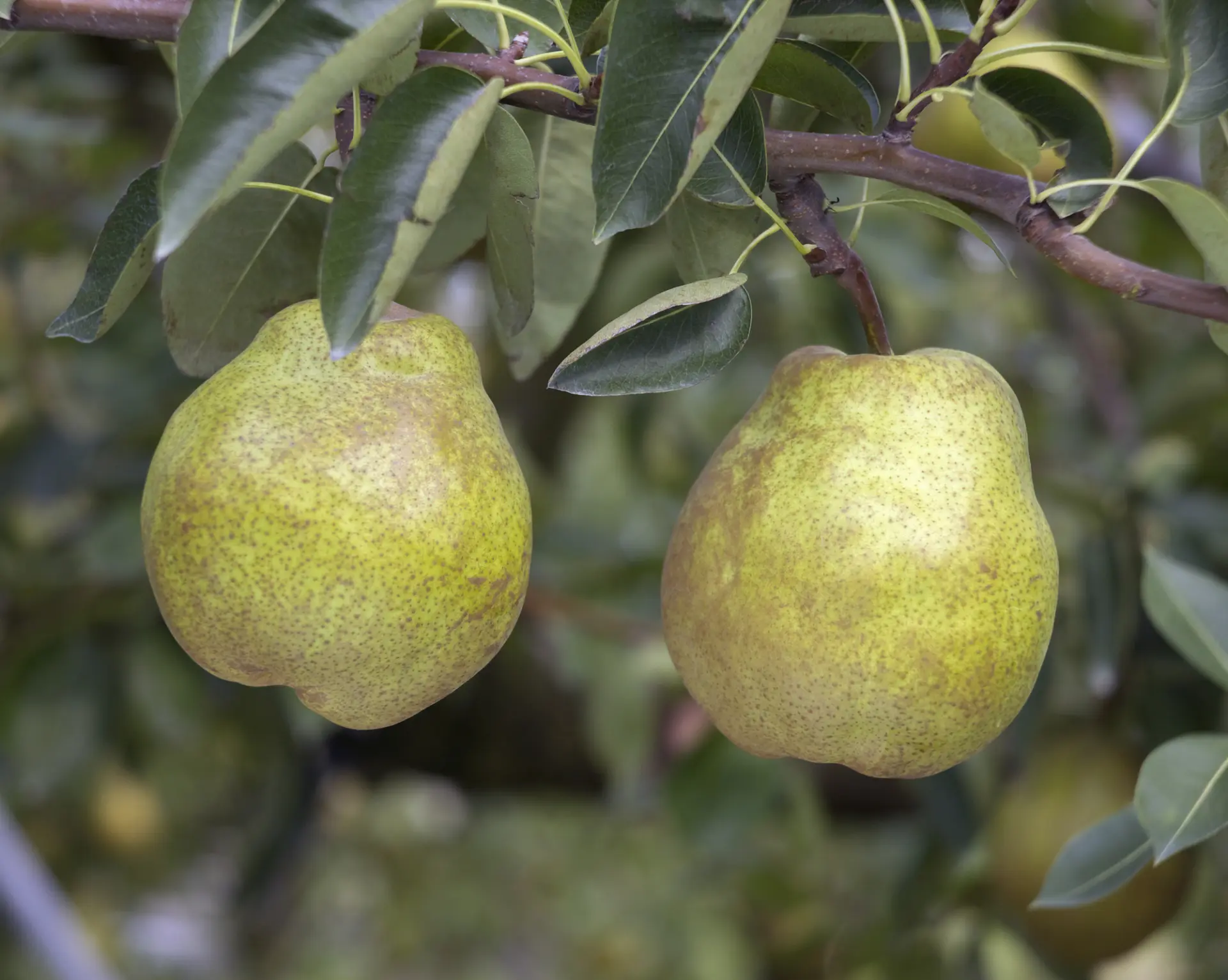
The broad Yamagata Basin at the area's center creates significant temperature differences between day and night, making it ideal for growing fruit and rice. Yamagata Prefecture already ranks among Japan's top fruit producers, and the Murayama area boasts particularly high output — truly a "Fruit Kingdom."
Beyond fruit, buckwheat (soba) production is also significant (4th nationally). The region around Murayama City, Obanazawa City, and Oishida Town is known as "Yamagata's Three Great Soba Roads."
Local specialties include imoni (taro stew) — an essential autumn comfort food — and cold ramen, refreshing even in summer's heat.
When is the Best Time to Visit?
The Murayama area has four distinct seasons with dramatically changing scenery — from winter's silver-white wonderland, spring cherry blossoms, early summer's verdant rice paddies and mountains, through deep summer greens, to autumn's fiery foliage.
The best season truly depends on what you're looking for.
For Yamagata cuisine, early summer through autumn's fruit season is ideal. For flower viewing, spring is most enchanting. For ink-wash-painting-like serene landscapes, winter is incomparable.
Spring Arrives About 2 Weeks Later Than Kanto
Yamagata's spring arrives considerably later than the Kanto region — typically about two weeks behind.
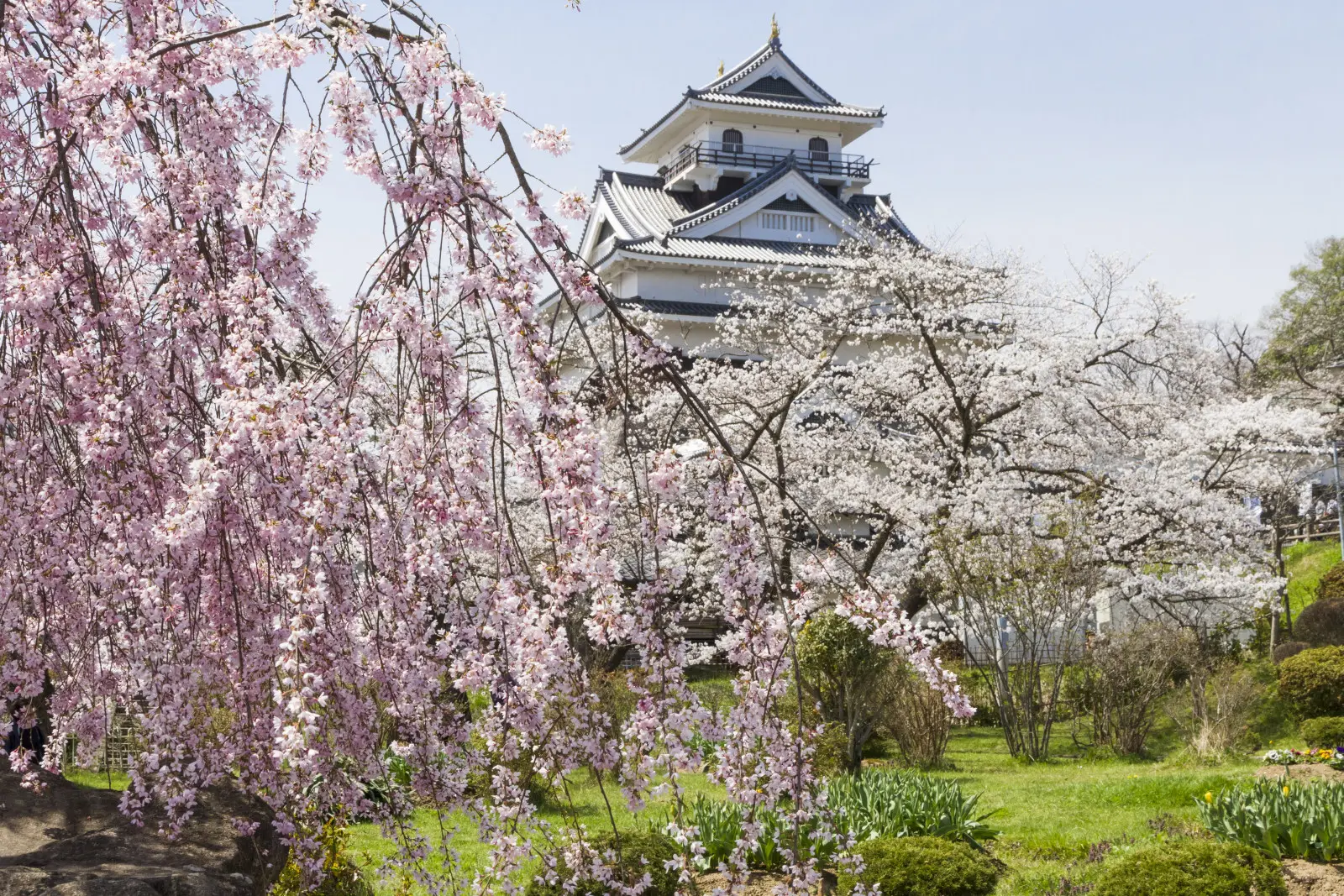
Somei Yoshino and weeping cherry trees usually reach peak bloom in mid-April.
Many cherry blossom spots are within walking distance of train stations, making access convenient.
Tendo City hosts the famous "Human Shogi" festival, where people dressed in samurai armor and kimono become living chess pieces on a giant board — a truly spectacular sight.
Rainy Season is Prime Cherry Season
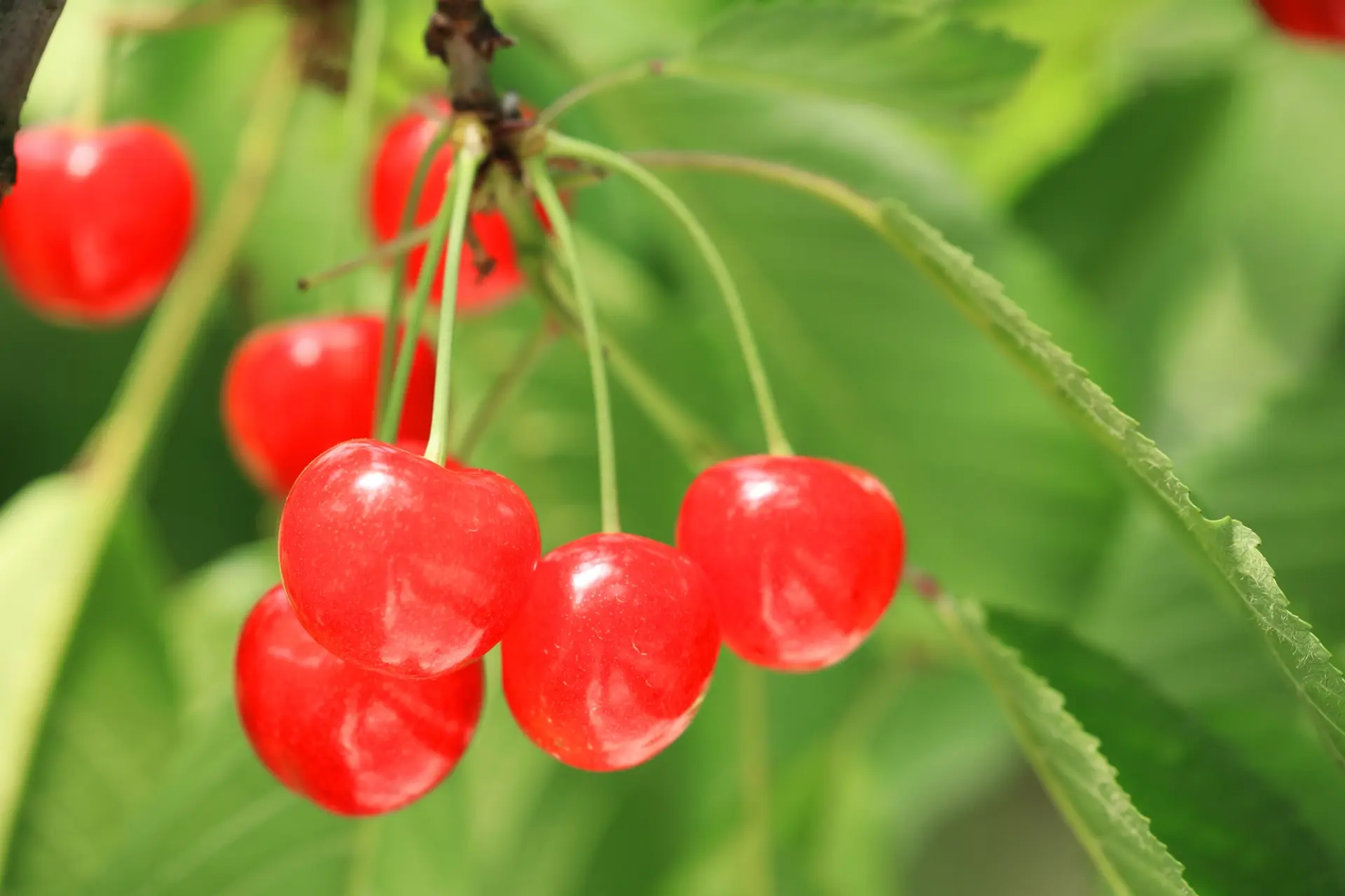
The typically dreary rainy season of June–July is actually peak cherry (sakuranbo) harvest time in Yamagata, drawing many visitors.
Hot Summers are Festival Season
While summers here are relatively hot for northern Japan (Yamagata held Japan's highest temperature record until 2007), tropical nights are rare and evenings cool to comfortable temperatures.
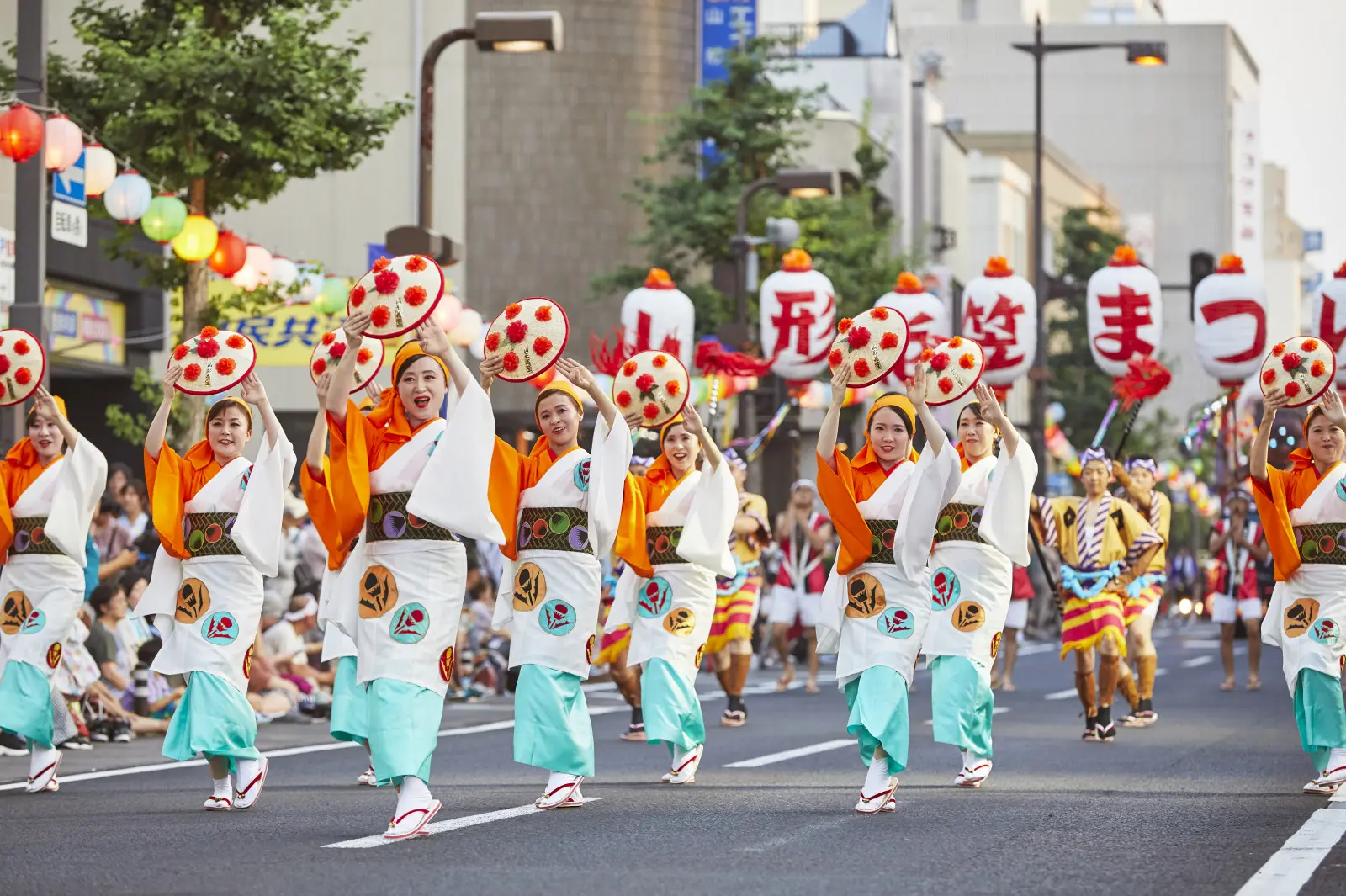
Yamagata City hosts the Hanagasa Festival, and summer festivals and fireworks happen throughout the region — the liveliest season of the year.
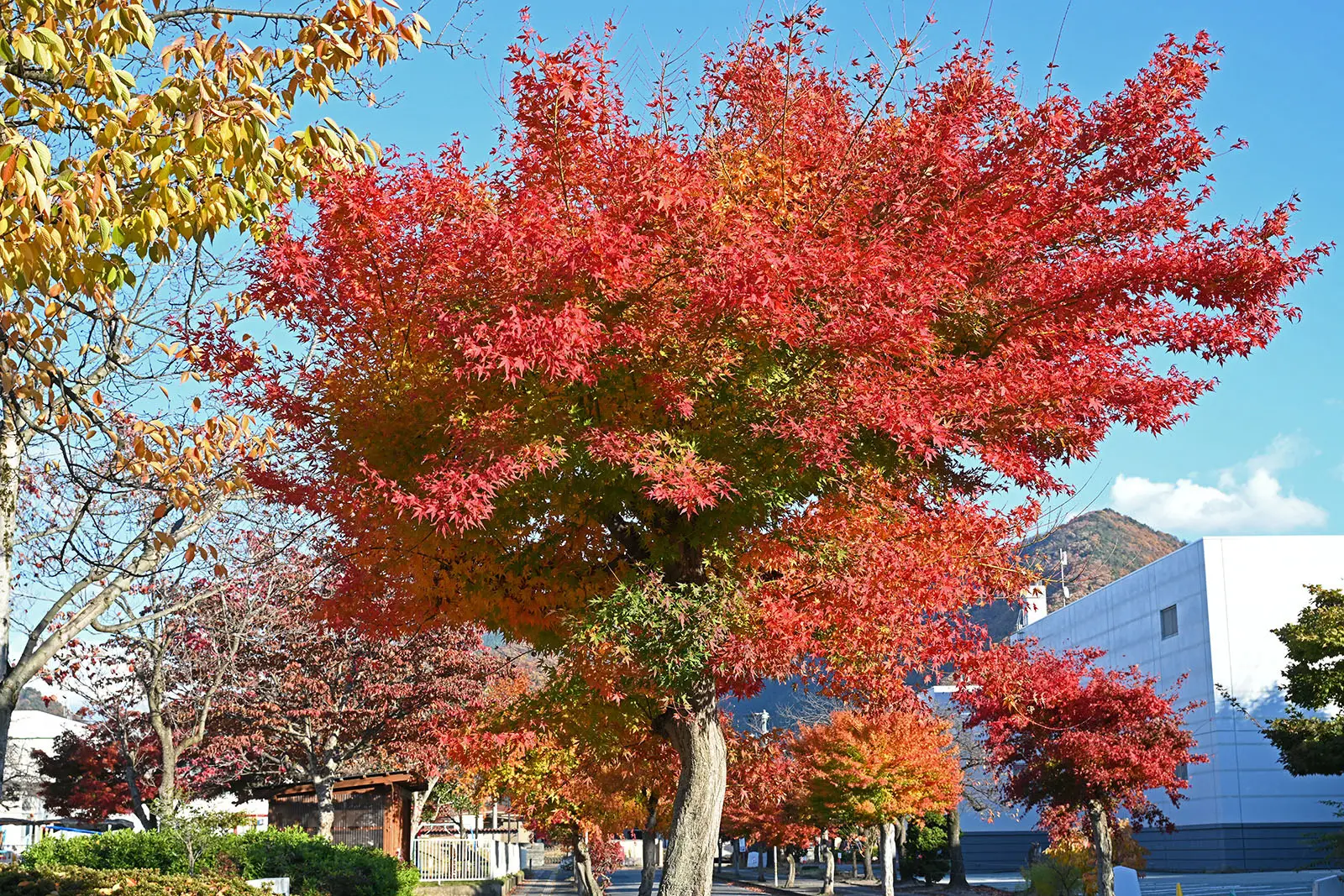
Autumn Foliage Arrives Early
Autumn colors come early to the Murayama area. Zao reaches peak foliage by mid-October, while lowland areas show their best colors in early November.
Western pears, grapes, and apples are also in season, and imoni stew parties are in full swing.
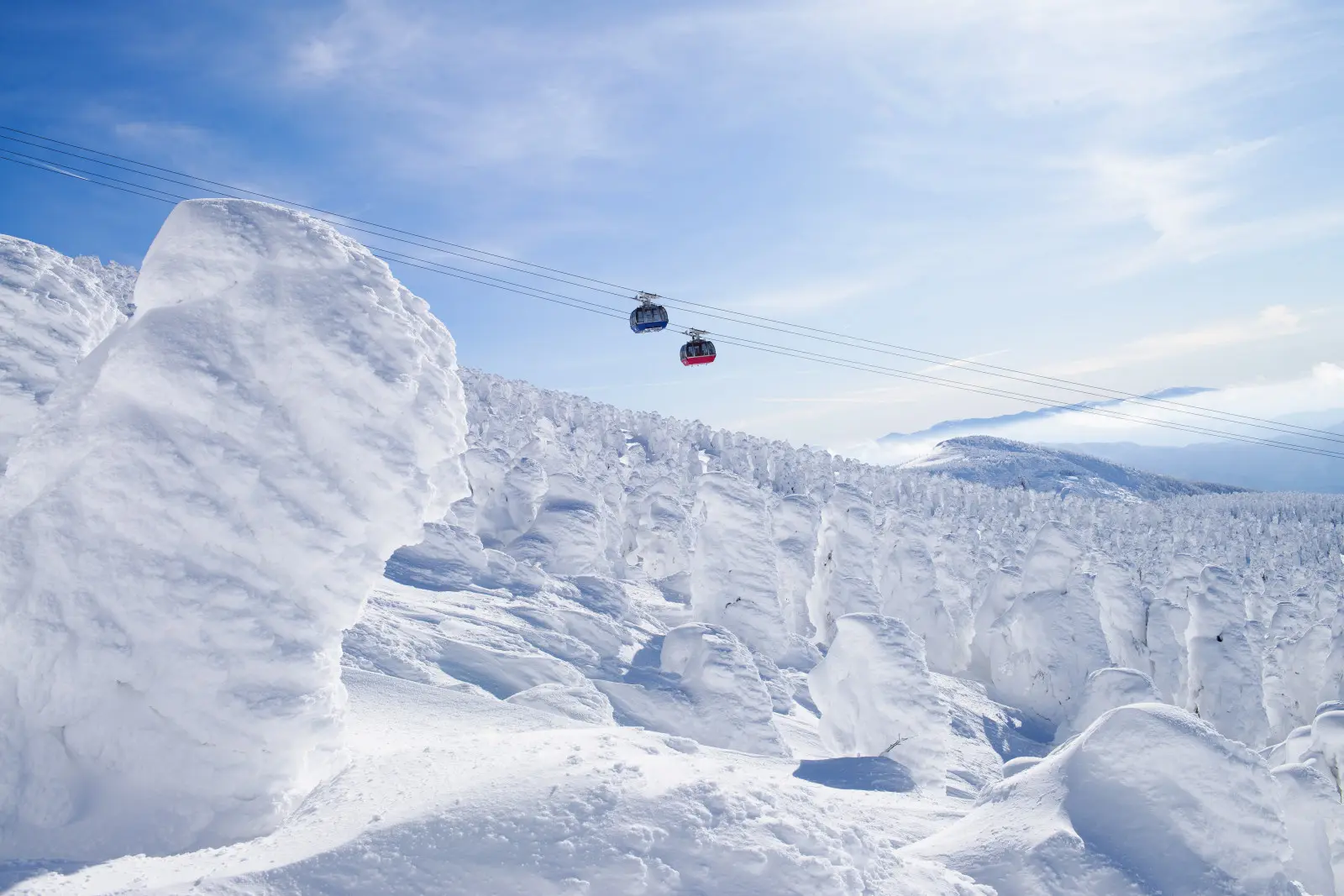
Central Areas See Less Snow, But East & North Are Heavy Snow Zones
The Murayama area's central belt from Kaminoyama to Higashine City receives relatively little snow thanks to the Asahi mountain range to the west, making travel manageable.
However, Oishida Town and Obanazawa City (home of Ginzan Onsen) regularly see snowfall exceeding 1 meter, while Nishikawa Town has recorded over 4 meters.
Winter high temperatures hover around 5°C, with lows sometimes dropping to nearly -10°C. If visiting during the January–February juhyo (snow monster) viewing season, pack plenty of warm clothing.
3-Night 4-Day Murayama Itinerary
This sample itinerary visits Zao, Yamadera, and Ginzan Onsen while deeply experiencing Yamagata's charms.
Some attractions and shops have regular closing days, so the itinerary is designed so that departing on a Monday, Wednesday, or Friday ensures most experiences are available.
This itinerary assumes rental car travel, with generous driving time estimates for comfortable scheduling.
Day 1 — Kaminoyama Castle & Zao
Day 1 starts in Kaminoyama City. Rental car shops are available right outside Kaminoyama Onsen Station — rent and go immediately. But since you're here, a morning stroll to soak in the local atmosphere is recommended.
The afternoon heads to Zao — one of this trip's three highlights. Ride the ropeway, drive to Okama crater lake, and enjoy an onsen before dinner.
Kaminoyama Castle
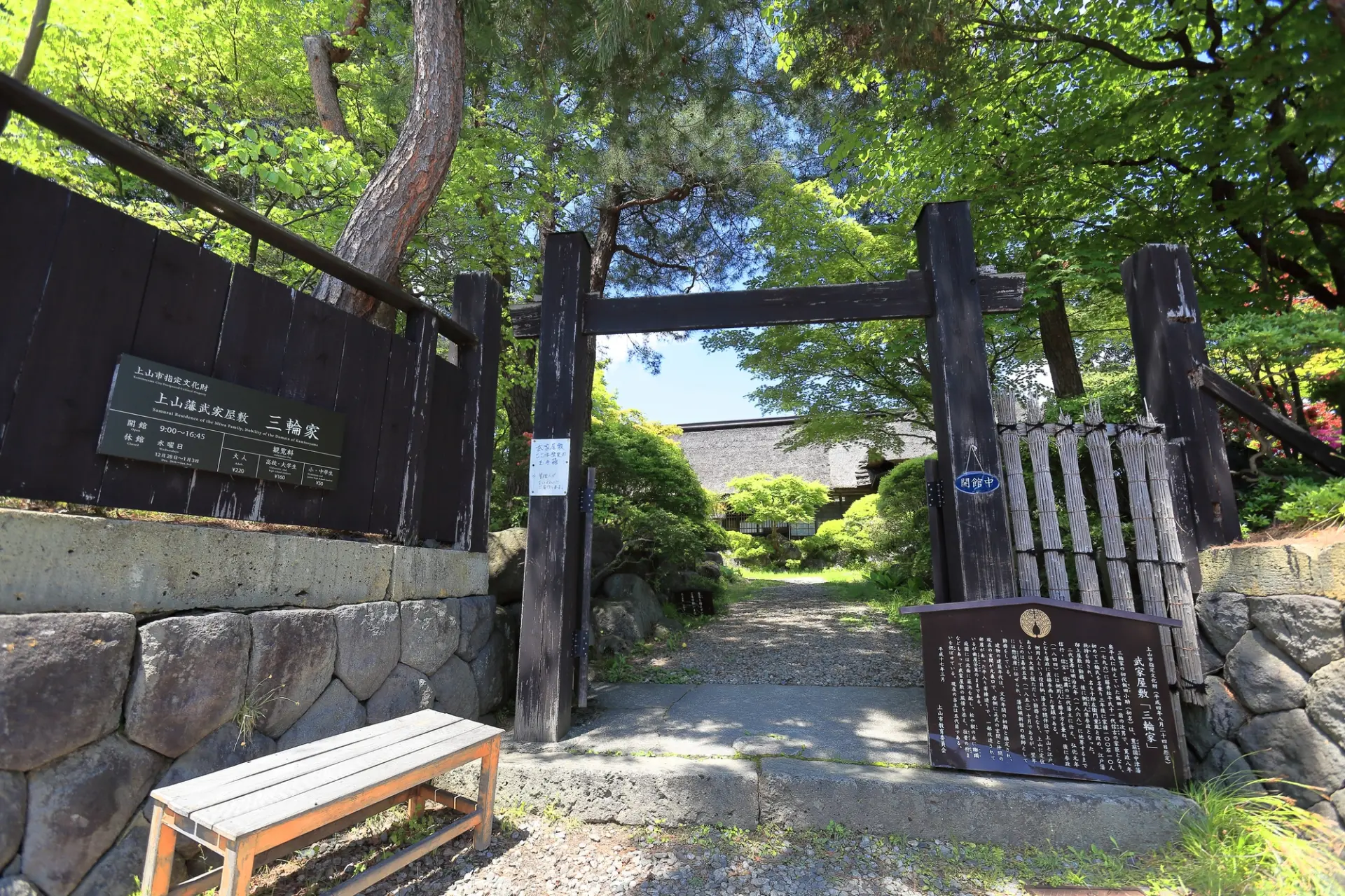
Once called the "Jewel of Ushu" and nicknamed "Tsukioka Castle," this fortress served as the southernmost stronghold of the Mogami clan. After the Mogami were stripped of their domains, it became the seat of successive feudal lords.
Demolished by shogunate order in 1692, the three-story keep was reconstructed in 1982 and reopened as a local history museum. The castle grounds are beautiful in every season, with sweeping views of Kaminoyama city and the Zao mountain range from the keep.
Samurai Residence (Miwa Family)
North of Kaminoyama Castle, four samurai residences stand side by side — the Morimoto, Miwa, Yamada, and former Sogabe families. All over 200 years old, these were homes of warriors who held important positions.
The L-shaped "magari-ya" architecture served both residential and defensive purposes. The Miwa residence is open for interior viewing with detailed explanations, offering a window into samurai life of the era.
Narasuke-juku Tanno Konnyaku — Konnyaku Bansho
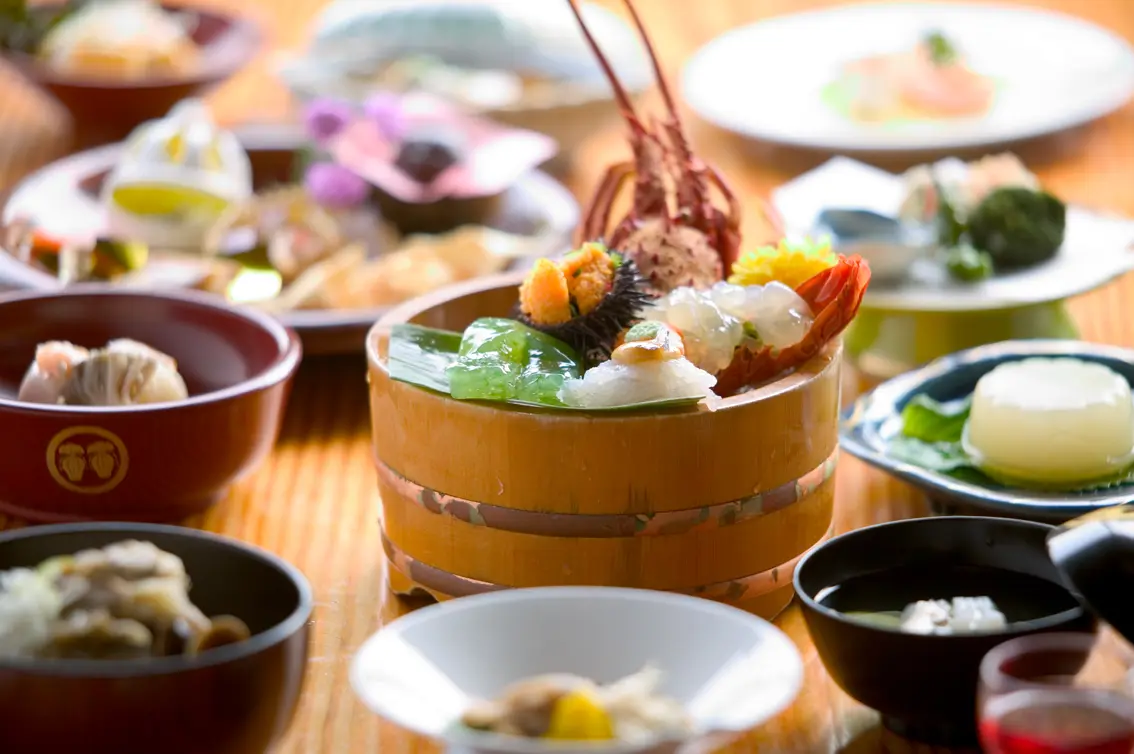
A unique restaurant serving konnyaku (konjac) kaiseki cuisine. Some dishes are so cleverly prepared that you'd never guess they're made from konnyaku without being told — a chance to discover the deep culinary potential of this humble ingredient.
The souvenir section offers a rich selection of products with free samples before purchase — a hit with visitors.
Zao Ropeway
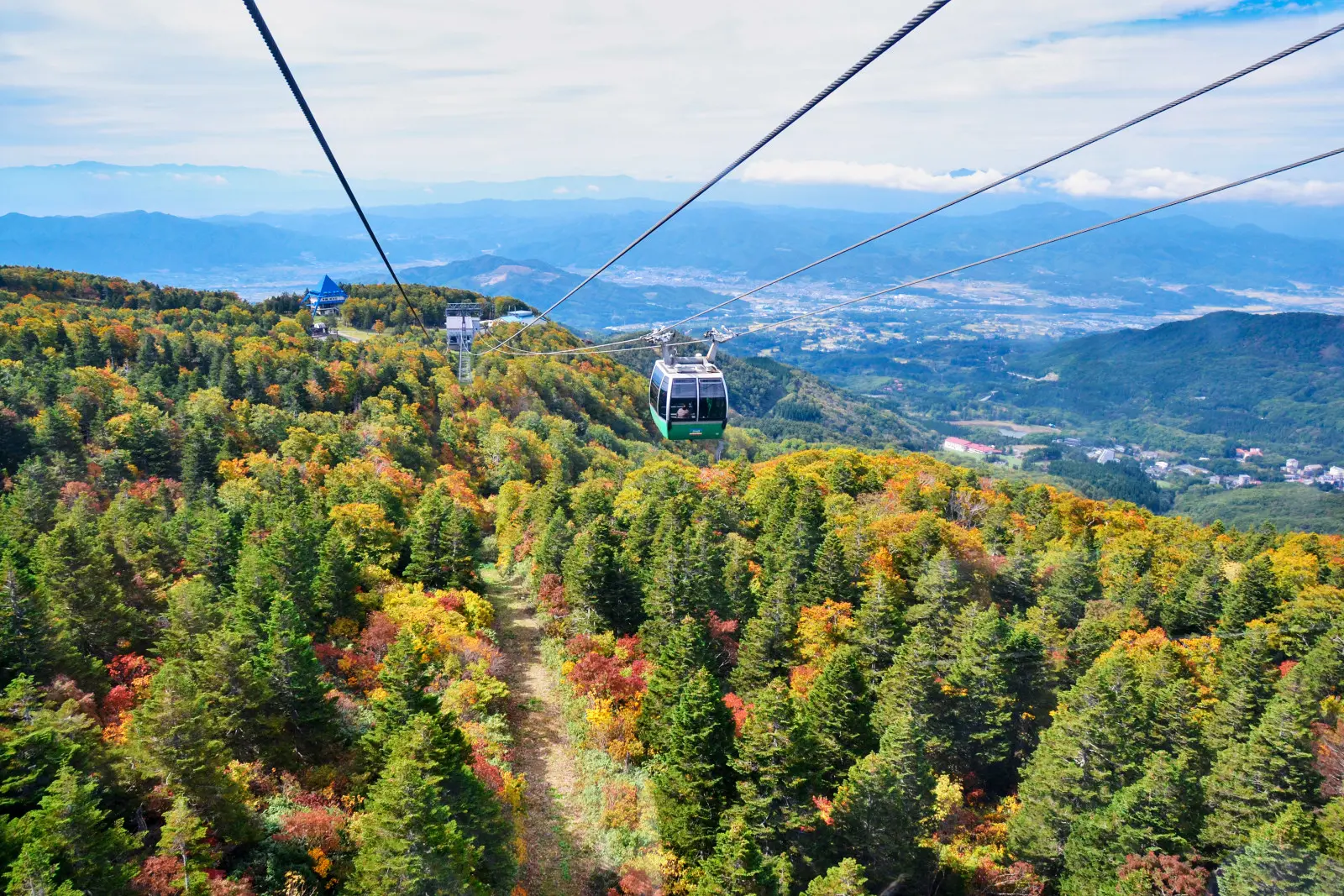
Travel from Juhyo Kogen Station (1,331m) to Jizo Sancho Station (1,661m) via ropeway. The zone around the summit is a field of juhyo (snow monsters), making this a popular year-round route.
Beyond winter's famous snow monsters, autumn foliage along this route is equally spectacular.
Okama Crater Lake (Five-Color Lake)
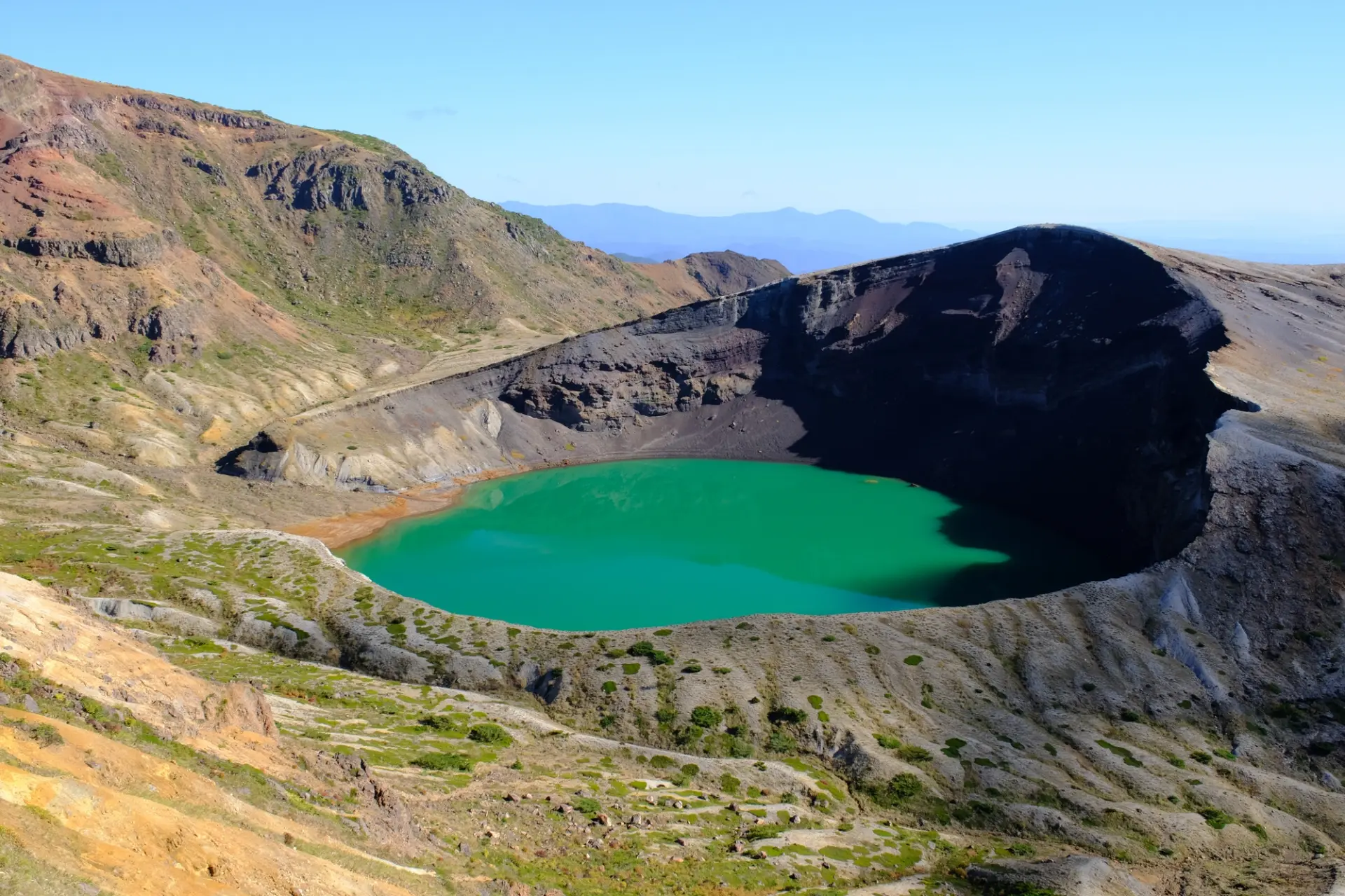
The signature summer landscape of Zao. Accessible via the Zao Echo Line toll road (open late April through early November) and the Zao High Line to the observation deck.
This volcanic crater lake changes color depending on weather conditions, earning the nickname "Five-Color Lake." The viewing point is at high altitude with strong winds — even in summer, bring a long-sleeved jacket.
Zao Onsen
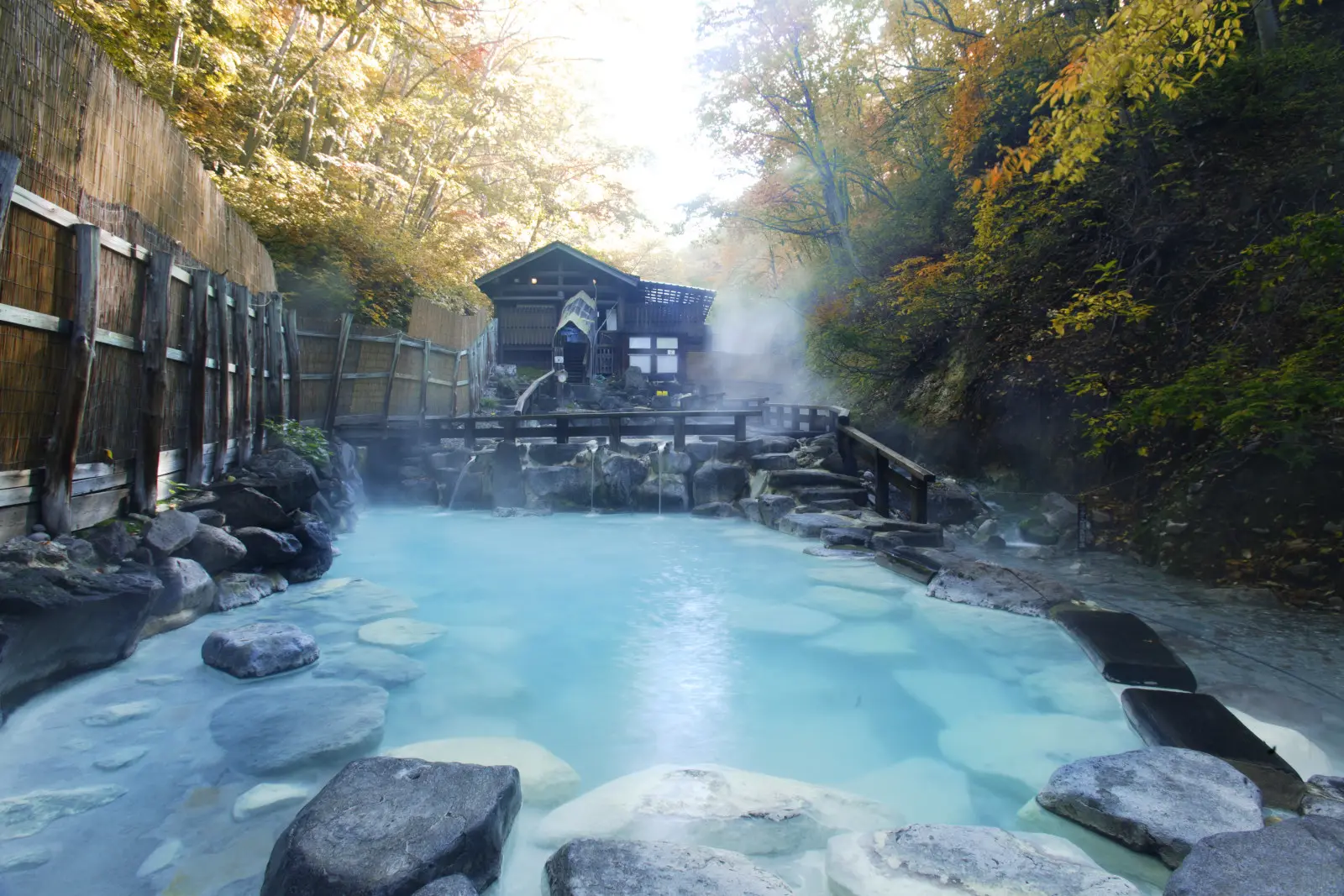
A hot spring area with approximately 1,900 years of history, famed for its strongly acidic sulfur springs. Said to be effective for wounds, skin conditions, muscle pain, joint pain, and poor circulation.
The area features 3 public baths, 4 foot baths, and 5 day-trip onsen facilities. For day visits, the Zao Onsen Dai-Rotenburo (large outdoor bath) beside the stream is especially recommended.
Open extended hours until 21:00 on Saturdays, pre-holidays, and during Obon (June–mid-October; closed late November–mid-April).
Day 1 Schedule
| Time | Duration | Activity / Transport |
|---|---|---|
| 9:00 | — | Depart Kaminoyama Onsen Station |
| — | — | Store luggage at station |
| 9:15 | 35 min | Kaminoyama Castle (~11 min walk) |
| 9:55 | 20 min | Samurai Residences — Miwa Family (~6 min walk) |
| 10:30 | — | Return to station, pick up luggage, rent car |
| 10:50 | — | Depart station |
| 11:05 | 60 min | Lunch at Konnyaku Bansho (~15 min drive) |
| 13:00 | — | Zao Ropeway base station (~50 min drive) |
| 13:10 | 15 min | Juhyo Kogen Station |
| 13:40 | 20 min | Jizo Sancho Station |
| 14:30 | — | Return to base station |
| 15:15 | 20 min | Okama Crater Lake (~45 min drive) |
| 16:20 | 50 min | Zao Onsen Dai-Rotenburo (~45 min drive) |
| 17:15 | — | Check in at Zao Onsen hotel |
Day 2 — Yamadera & Tendo
Day 2 visits Yamadera — another of this trip's three highlights. With over 1,000 stone steps to climb, pick up some warabi-mochi sweets for energy along the way.
The afternoon heads to Tendo for local cuisine and a shogi piece painting experience. Don't forget to soak in the onsen to ease those post-climb muscles.
Yamadera (Hoju-san Risshaku-ji)
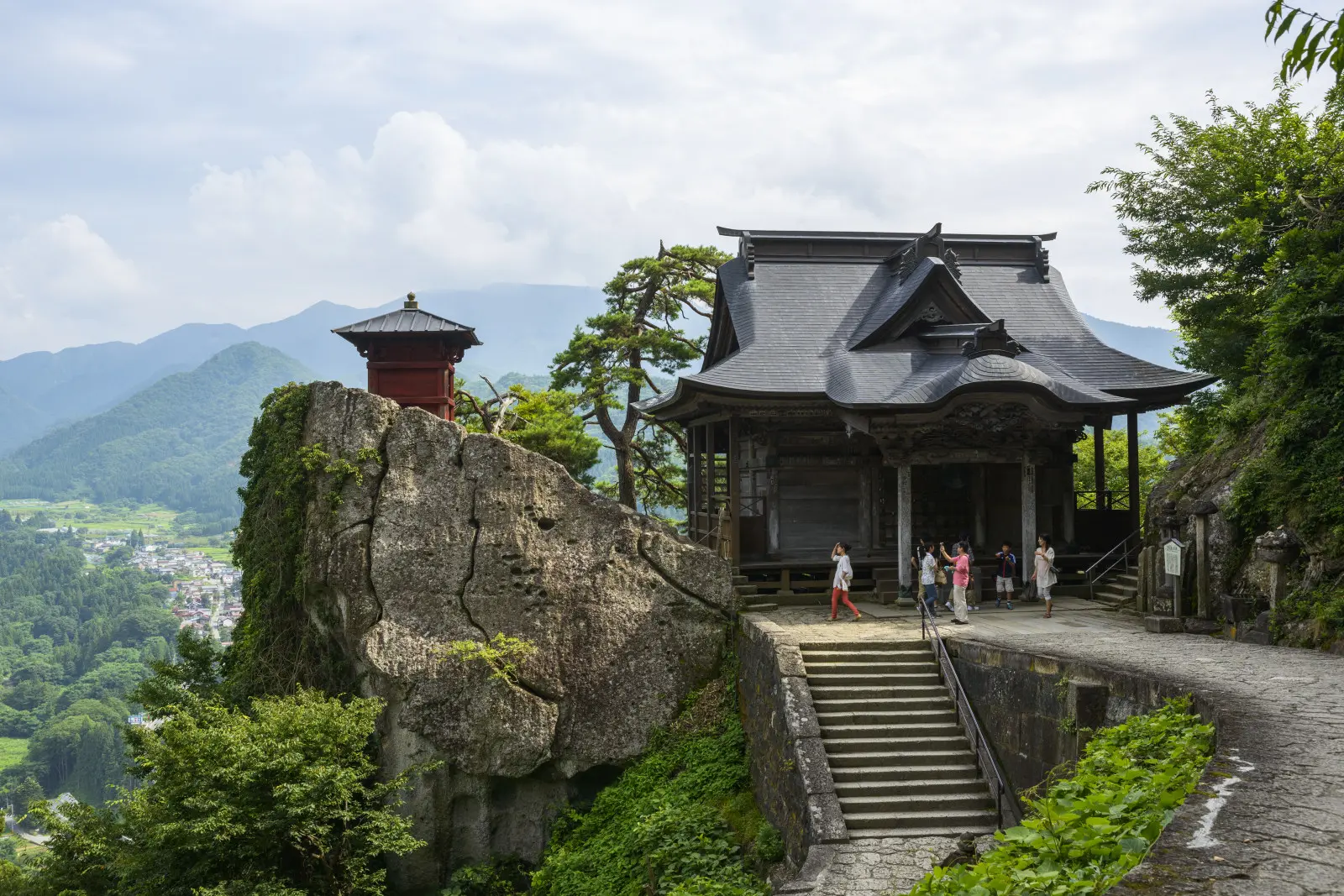
Founded in 860 by Jikaku Daishi Ennin, the third head priest of the Tendai sect, this is one of Tohoku's most iconic sacred mountains — also immortalized in the haiku poetry of Matsuo Basho.
The entire mountain serves as a place of ascetic training and worship. Reaching Oku-no-in (formally called Nyohodo) requires climbing 1,015 stone steps. The views from Godaido hall near the top are absolutely breathtaking.
Teuchi Suisha Ki-Soba
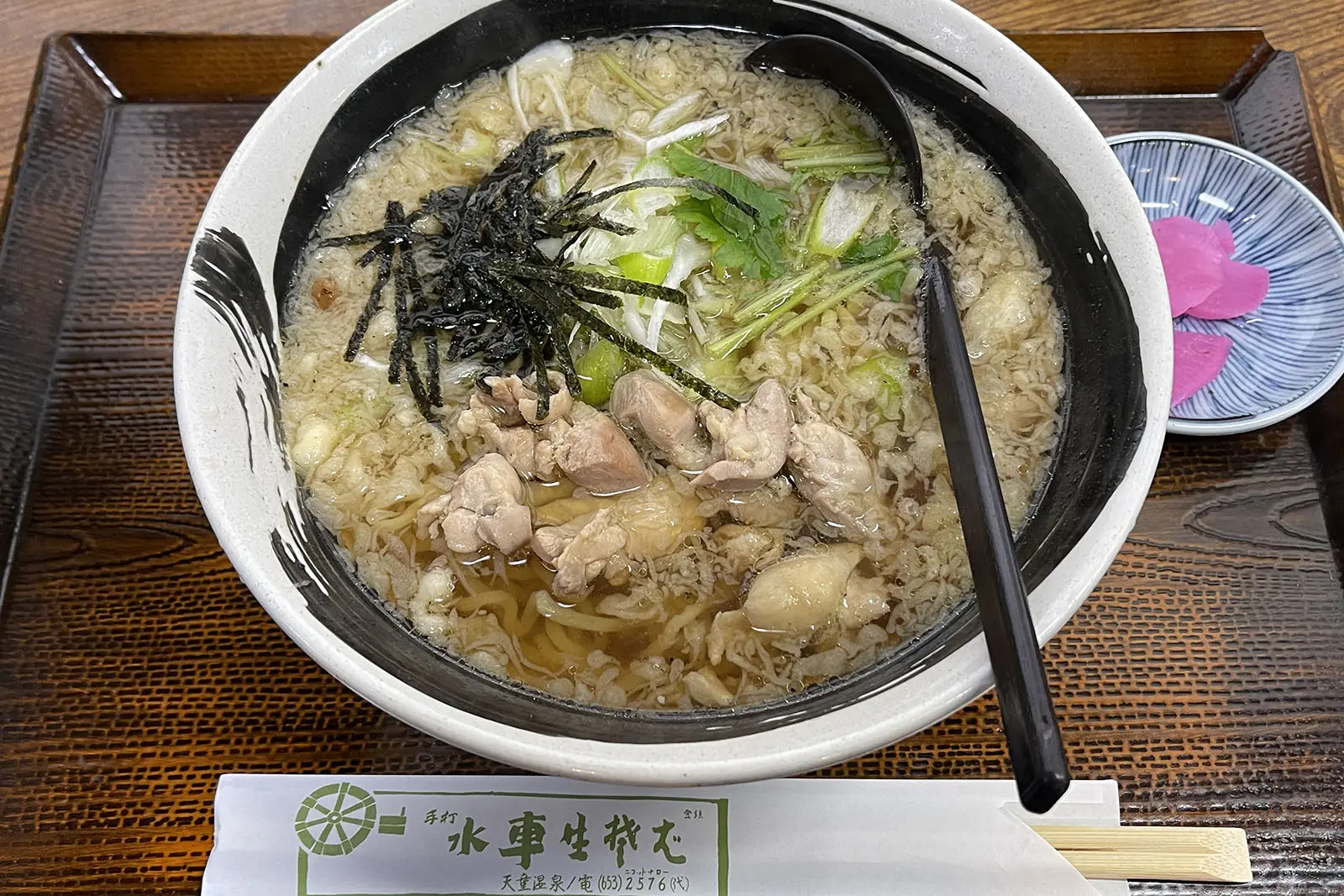
A soba restaurant founded in 1861 with over 160 years of history. A water wheel at the entrance powers the grinding of buckwheat flour, producing pure 100% buckwheat soba with exceptional flavor.
Originally a staff meal, their ramen-style "Tori-Chuka" has also become a signature dish. Chinese noodles in a pure Japanese-style clear broth, topped with chicken, tempura crumbs, and nori seaweed, with a peppery kick that's addictive. Off-menu but available: large portions upon request.
Shogi Mura Tendo Tower
A commercial complex combining souvenir shops, restaurants, and gardens.
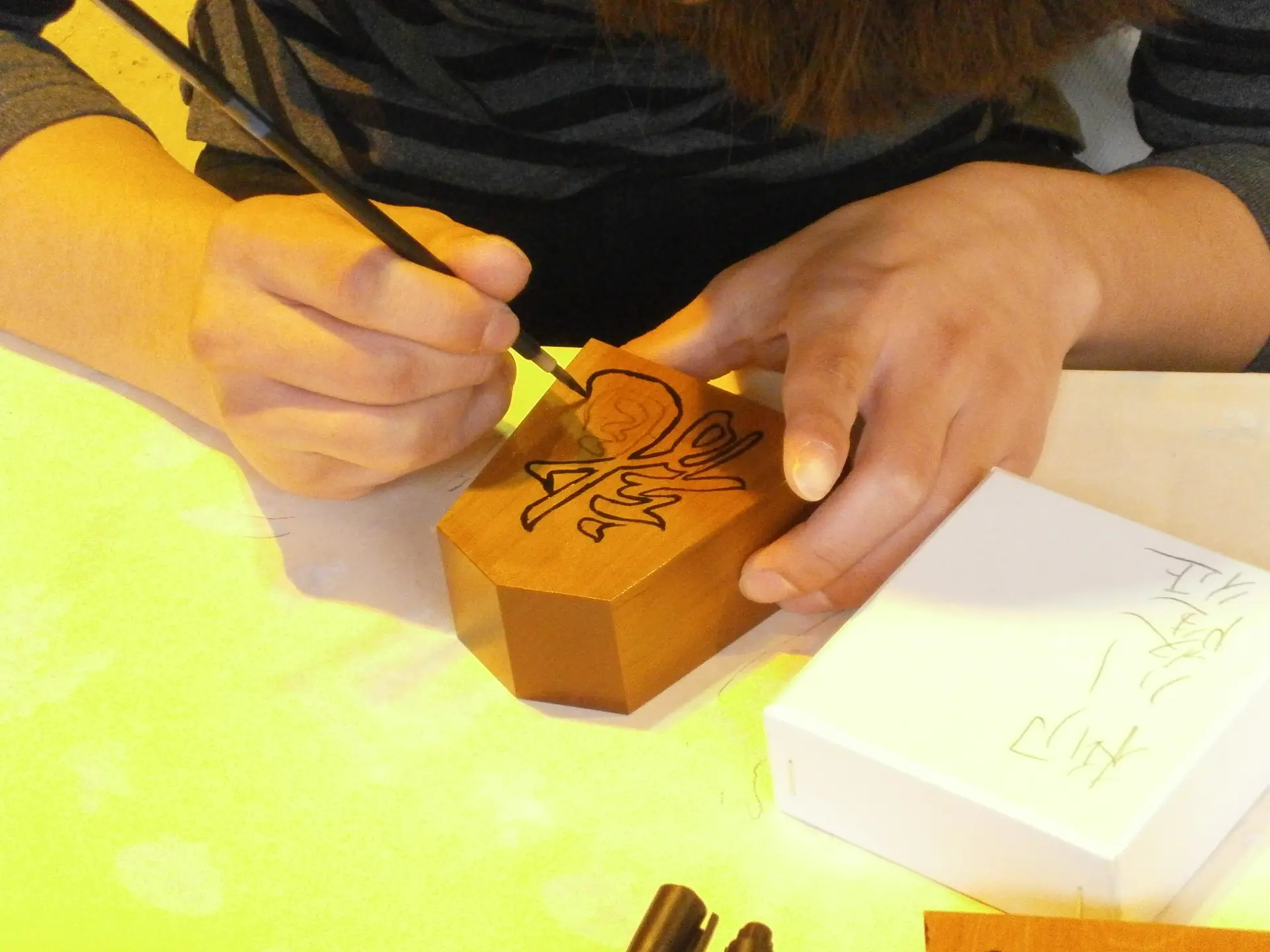
Experience soba-making, benibana (safflower) dyeing, shogi piece calligraphy and carving, and more. The "Shokoma" experience, where you write a single character of your choice on a shogi piece, takes about 40 minutes and is highly recommended.
Hohoemino Sorayubune Tsuruya
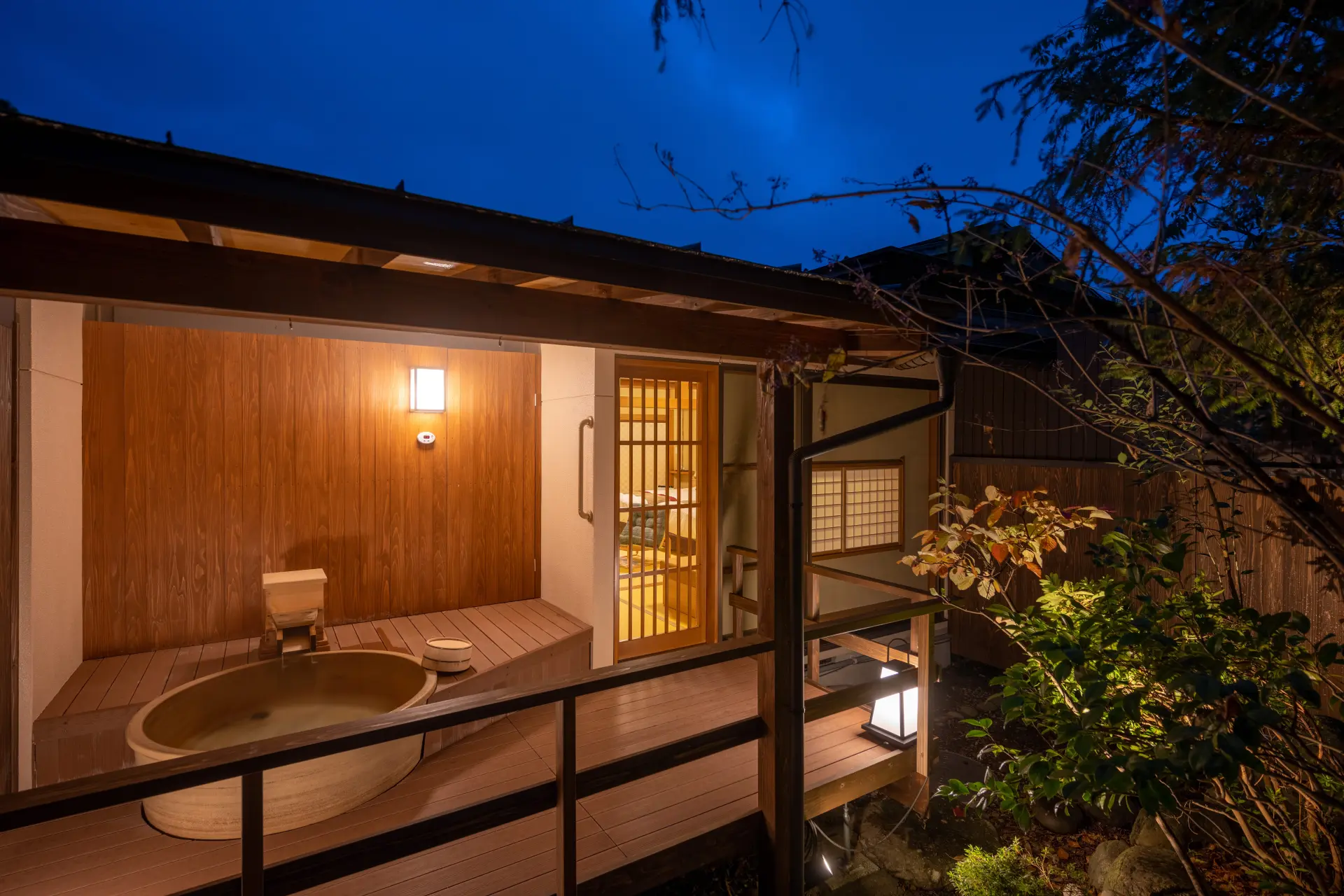
This onsen ryokan features tatami-mat flooring throughout (including the bath areas) and Tendo woodcraft furniture, where you can gaze at the courtyard garden while relaxing.
Rooms range from Japanese-modern twin beds to spacious suites with private open-air baths (some semi-open-air) fed directly from the source. Both the cuisine and hospitality receive consistently high praise from guests — a truly serene and comfortable onsen experience.
Day 2 Schedule
| Time | Duration | Activity / Transport |
|---|---|---|
| 9:00 | — | Depart Zao Onsen |
| 10:15 | 10 min | Sweets at Koshikake-an (~75 min drive) |
| 10:50 | 100 min | Yamadera (Risshaku-ji) (~25 min drive) |
| 13:00 | 50 min | Lunch at Teuchi Suisha Ki-Soba (~25 min drive) |
| 14:10 | — | Shogi Mura Tendo Tower (~10 min drive) |
| 14:30 | 40 min | Shokoma calligraphy experience |
| 15:25 | — | Check in at Tsuruya (~15 min drive) |
| — | — | Stroll the onsen town |
Day 3 — Yamagata City to Ginzan Onsen & Iaido Experience
Day 3 stays at Ginzan Onsen — the final highlight of this trip. The morning explores Yamagata City, while the afternoon features a samurai culture experience for a truly fulfilling day.
Yamagata Prefectural Local Museum "Bunshokan"
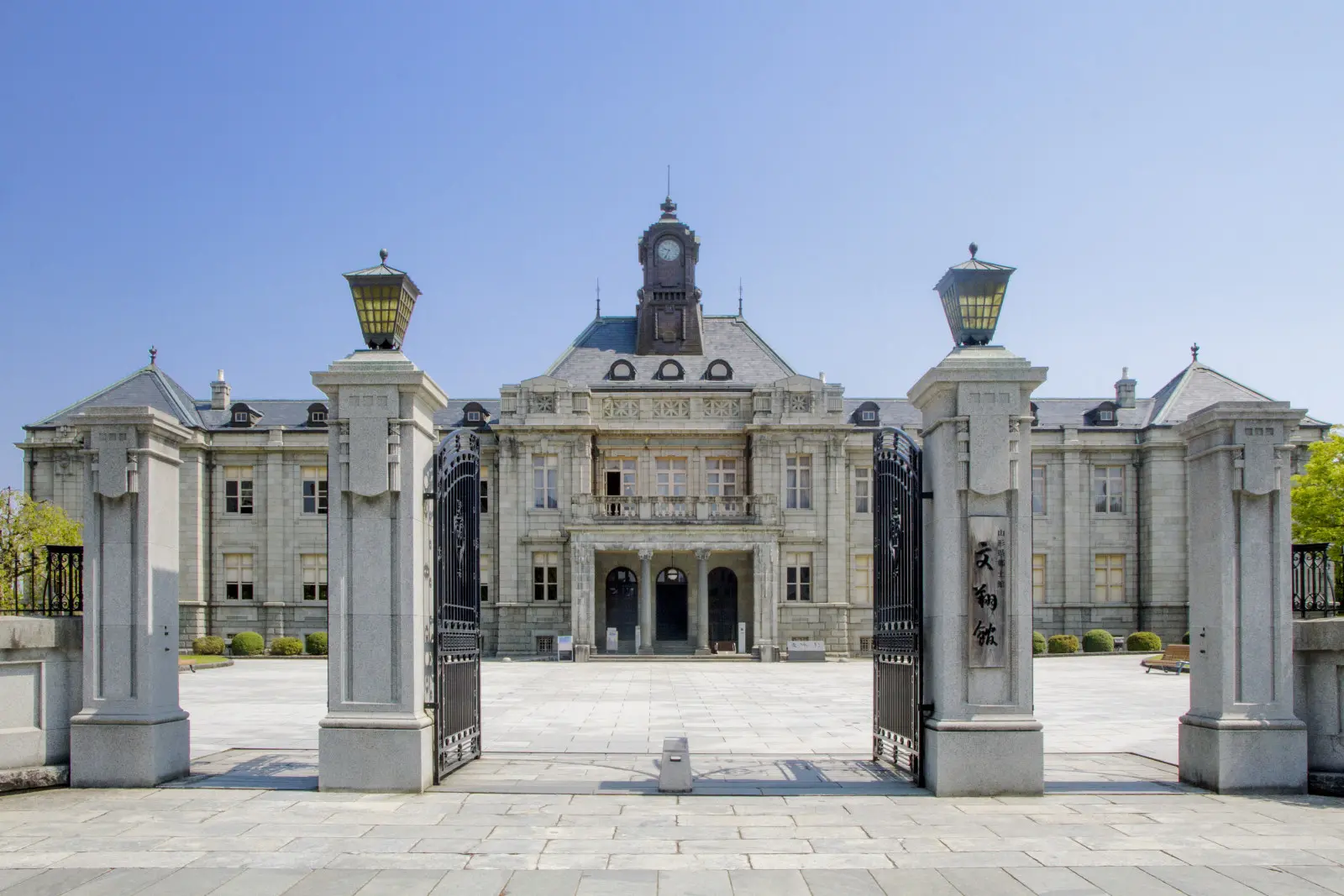
Built in 1916 (Taisho 5), this building served as the Yamagata Prefectural Government Office and Assembly Hall until 1975. Designated a National Important Cultural Property in 1984, it opened to the public as "Bunshokan" in 1995.
The imposing brick exterior has been carefully restored, with curtains, carpets, and wallpaper inside faithfully recreating the original atmosphere.
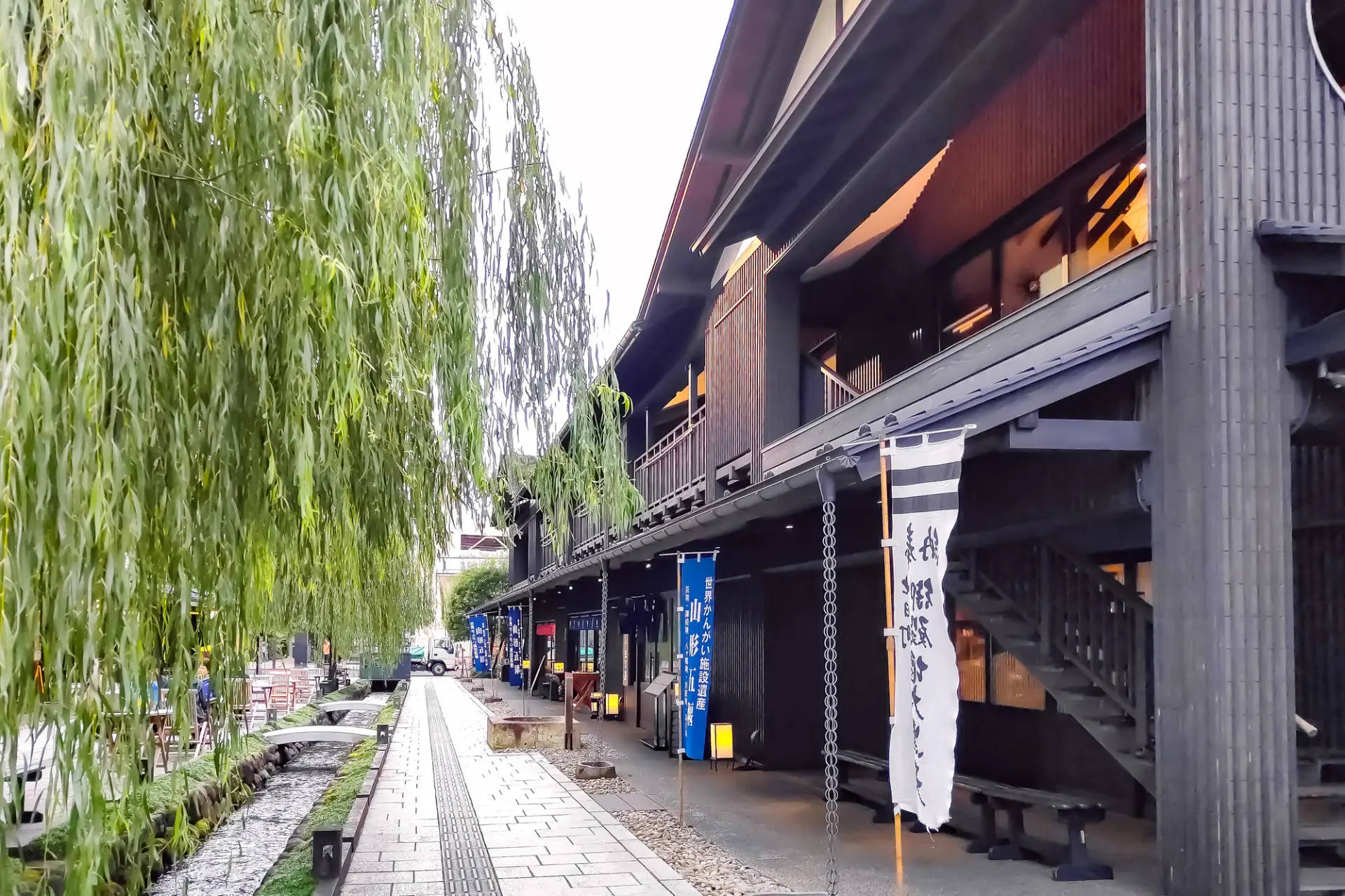
Gotenzeki Canal
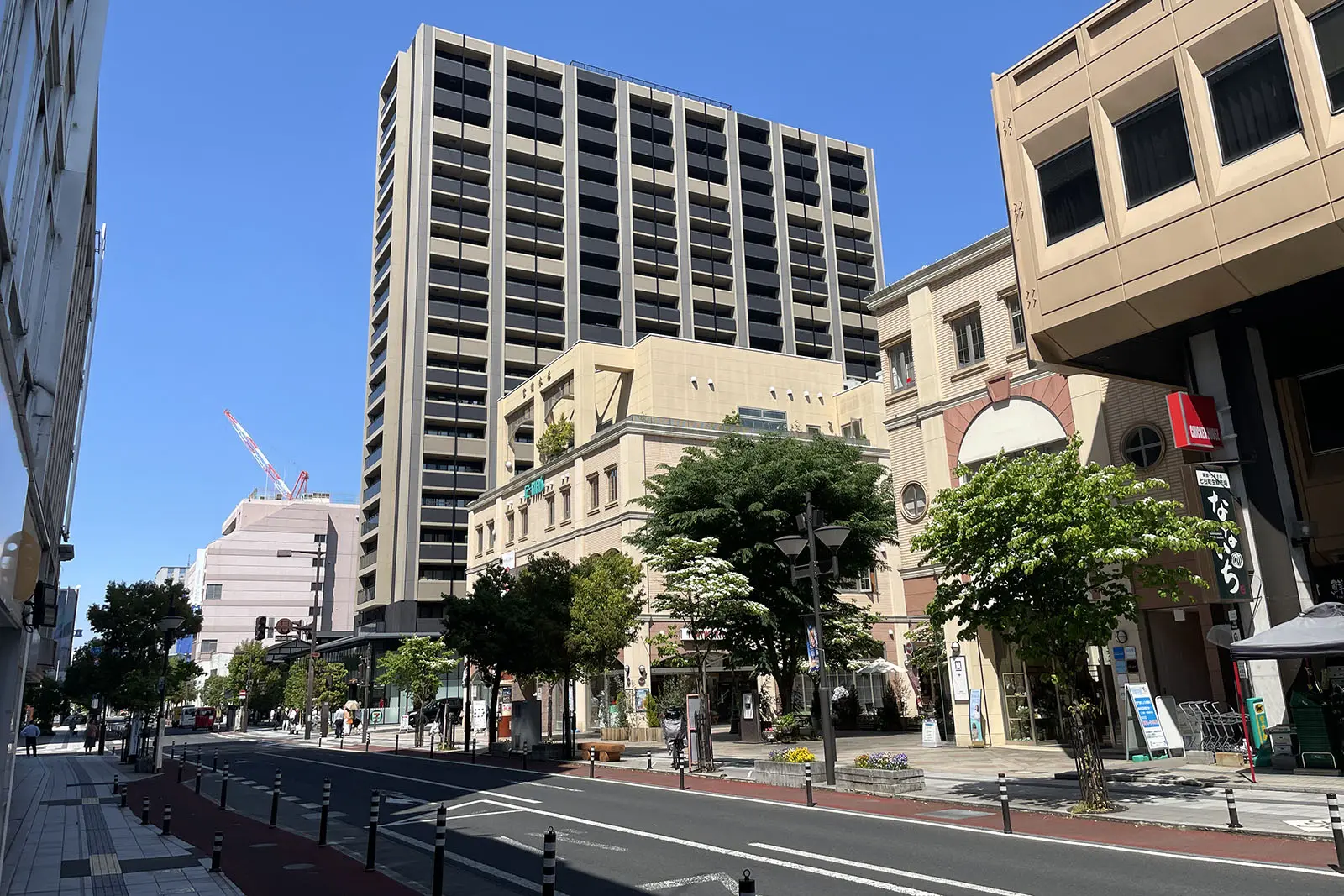
Located along Yamagata City's commercial street "Nanokamachi," this is one of five waterways built to supply the castle town and farmland, restored to its former beauty.
Named "Gotenzeki" because it once channeled water to the castle moat, the canal is now lined with weeping willows and wooden buildings housing restaurants and shops — a charming, atmospheric quarter.
Kanazawa-ya Beef Restaurant
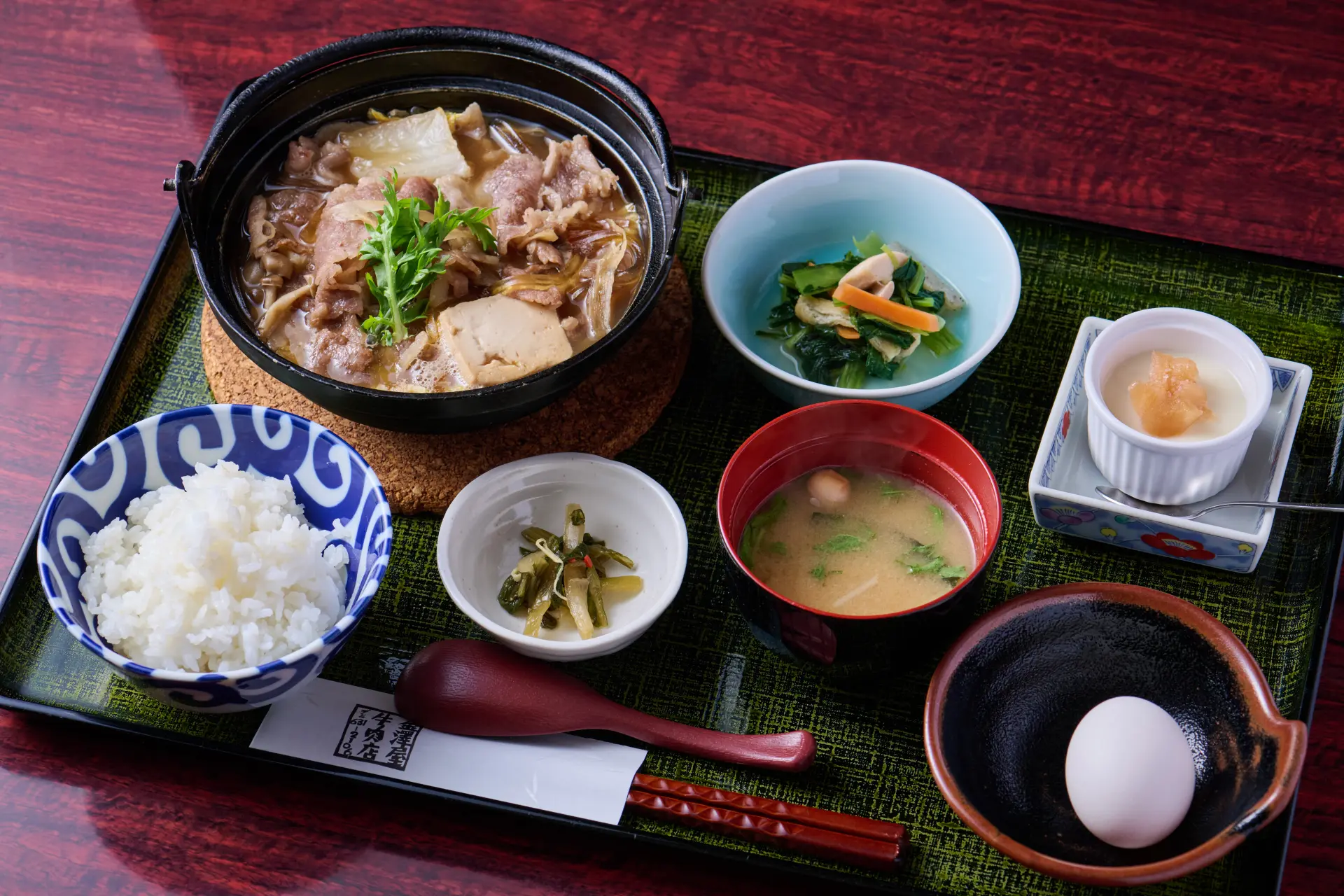
A restaurant run by a butcher shop founded in 1893. The adjacent meat shop sells cuts, bento boxes, and prepared foods.
With meticulous attention from purchasing to cutting, you can enjoy sukiyaki, shabu-shabu, steak, and more — experiencing the full flavor of Yamagata beef through set menus. Lunch options include beef pot, steak donburi, and hamburg steak.
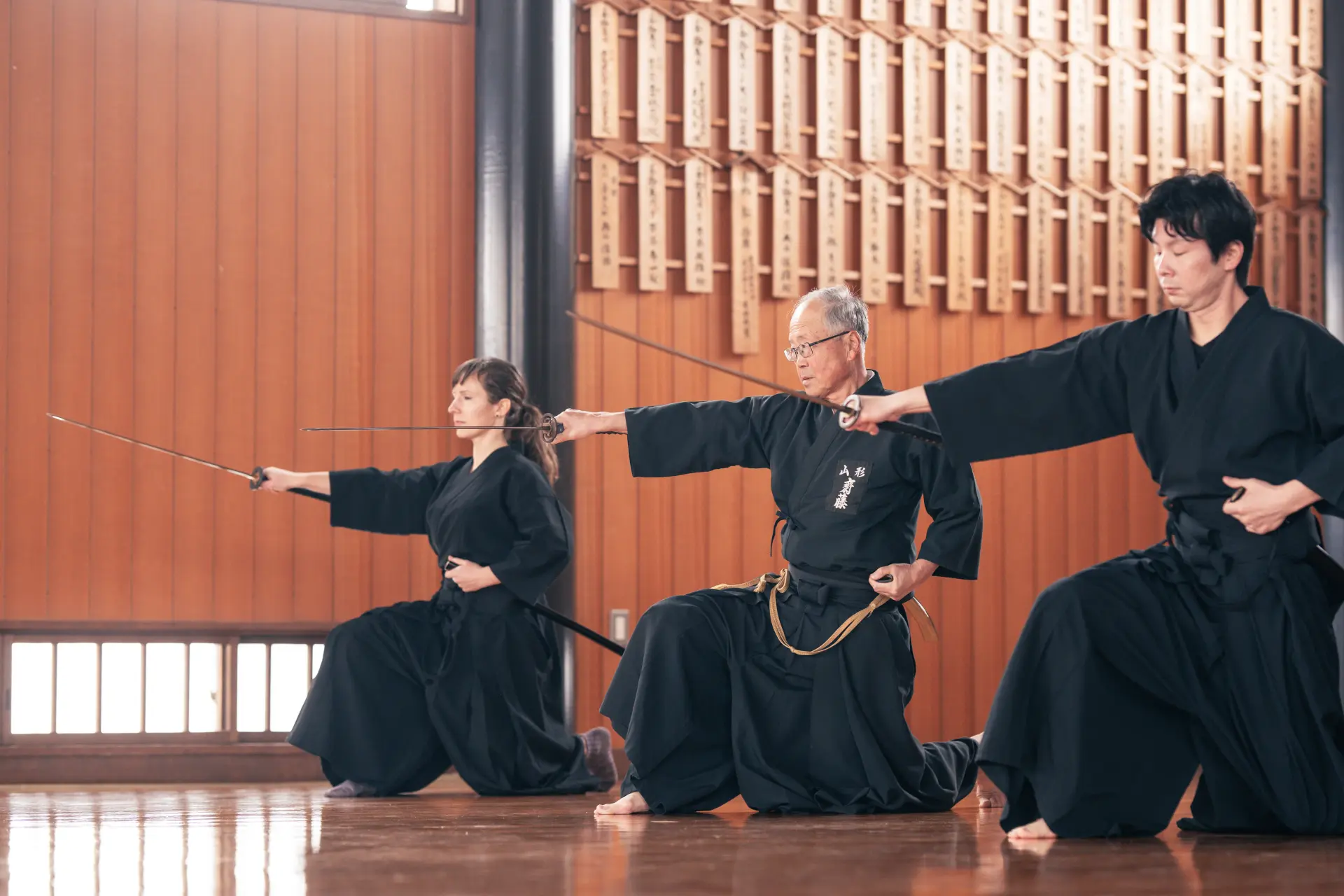
Hayashizaki Iai Shrine — "Iai Battojutsu Samurai Experience"
Japan's only "Iai Shrine," dedicated to Hayashizaki Jinsuke Shigenobu — born in Murayama and revered as the founder of Iaido — making this the birthplace of Iaido.
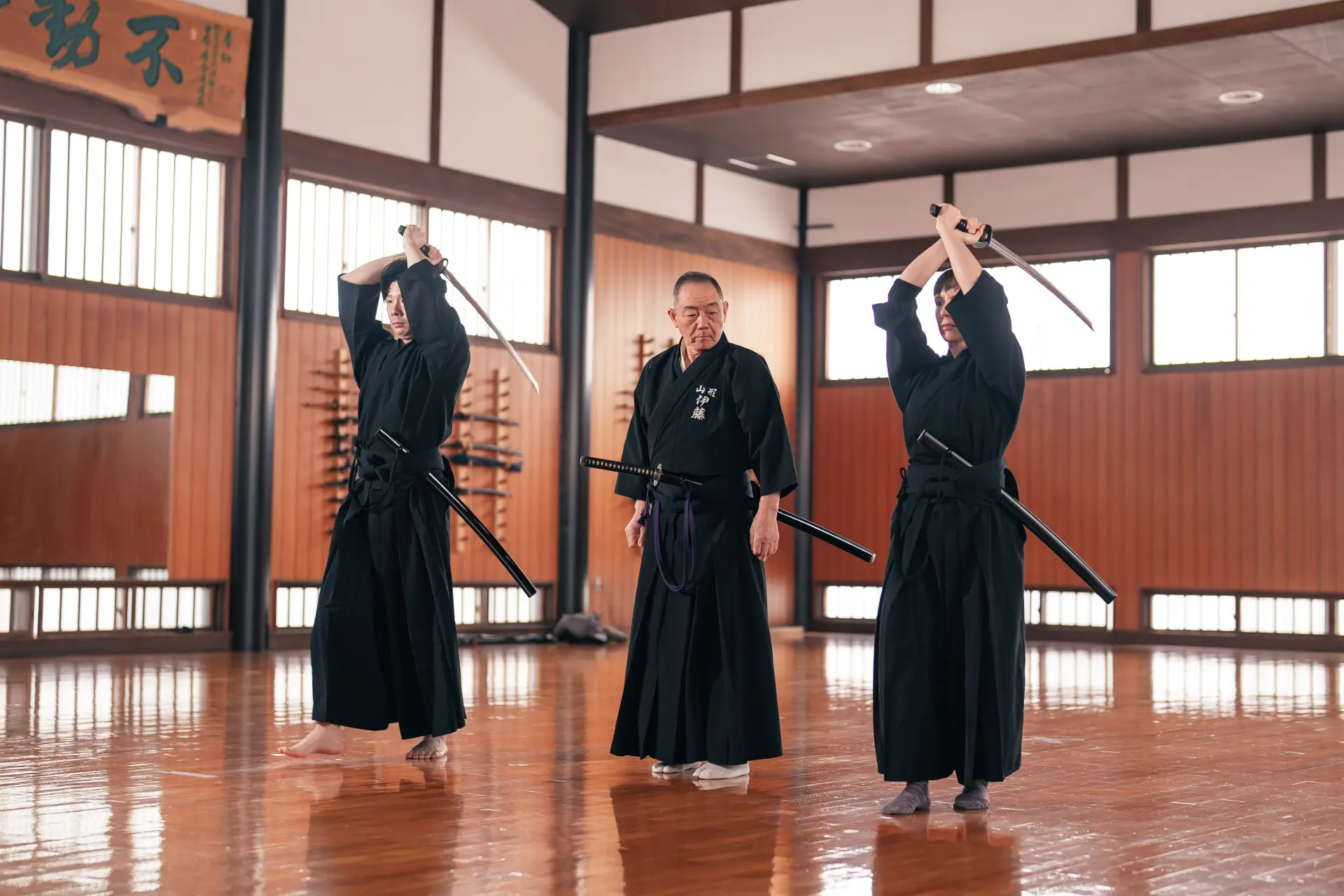
Iaido is a sword art of pre-emptive quick-draw from the sheathed position, emphasizing etiquette and spiritual discipline. The experience teaches basic manners and the foundational form "Shohatto," training mental focus and composure.
The approximately 2-hour course has participants don traditional training garb to learn forms, etiquette, and the samurai spirit. You'll also witness a master's "tameshi-giri" (test cut) using a real sword to slice through tatami targets.
Ginzan Onsen
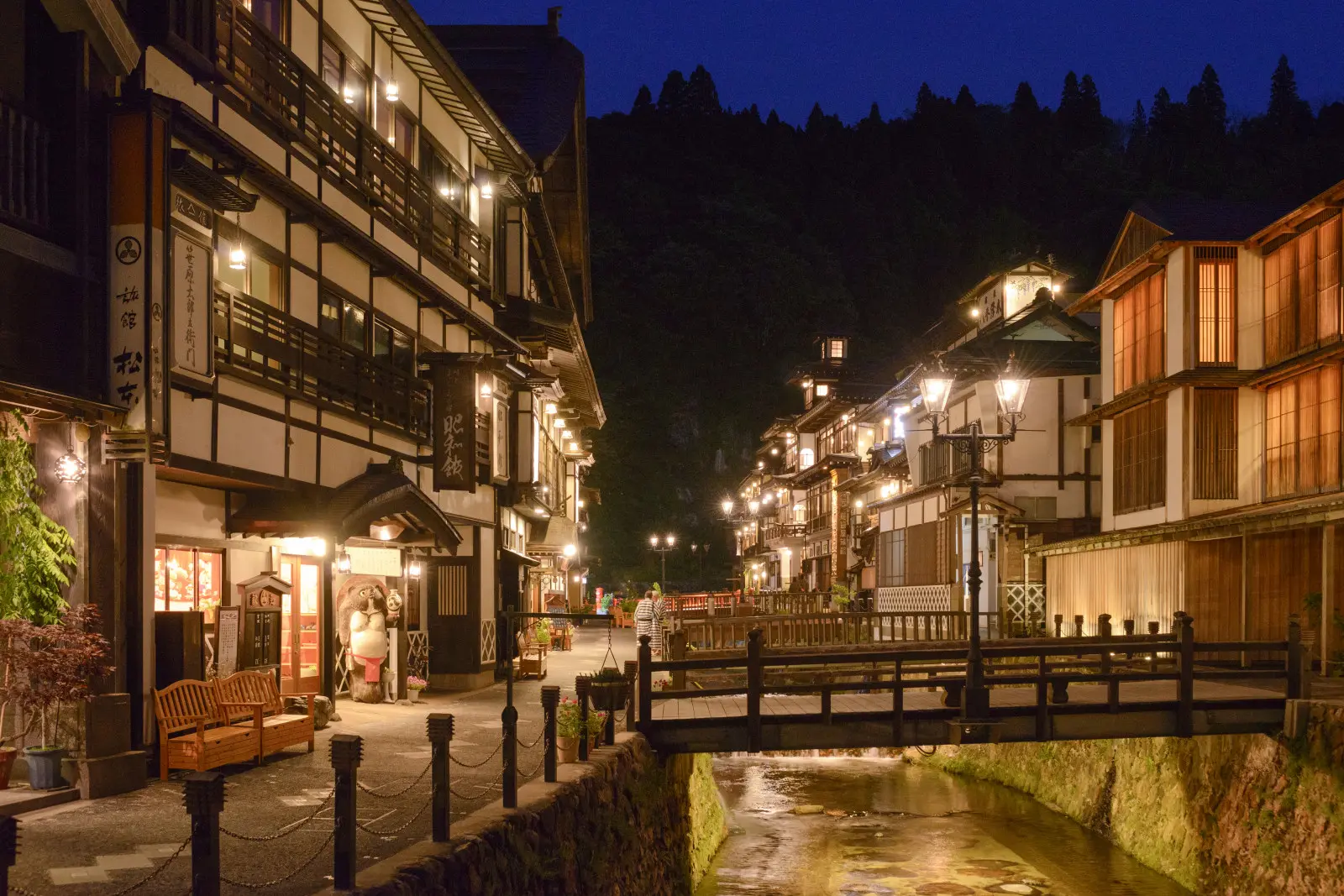
Taisho-era ryokan line both sides of the hot spring street, with gas lamps lighting the night to create the nostalgic atmosphere known as "Taisho Romance" — one of Japan's most beloved onsen towns.
While winter visits are most popular, summer temperatures here are cooler than surrounding areas, making it an excellent retreat from the heat.
Day 3 Schedule
| Time | Duration | Activity / Transport |
|---|---|---|
| 9:15 | — | Depart Tsuruya |
| 10:00 | 40 min | Bunshokan (~35 min drive) |
| 10:50 | 30 min | Gotenzeki Canal (~6 min walk) |
| 11:30 | 50 min | Lunch at Kanazawa-ya (~8 min walk + drive to parking) |
| 13:30 | 120 min | Hayashizaki Iai Shrine experience (~60 min drive) |
| 15:45 | — | Depart shrine |
| 16:30 | — | Arrive at Ginzan Onsen (~45 min drive) |
| 16:45 | — | Check in at ryokan |
| — | — | Enjoy Ginzan Onsen's sunset and evening scenery |
Day 4 — Morning Walk at Ginzan Onsen, Oishida Cuisine & Yamagata Sake
The final day leisurely explores Ginzan Onsen, then indulges in Yamagata's local cuisine.
Head to Oishida Town — home to one of "Yamagata's Three Great Soba Roads" — for soba and dango dessert. Back in Yamagata City, sample local sake and wine before heading home.
Morning Walk at Ginzan Onsen
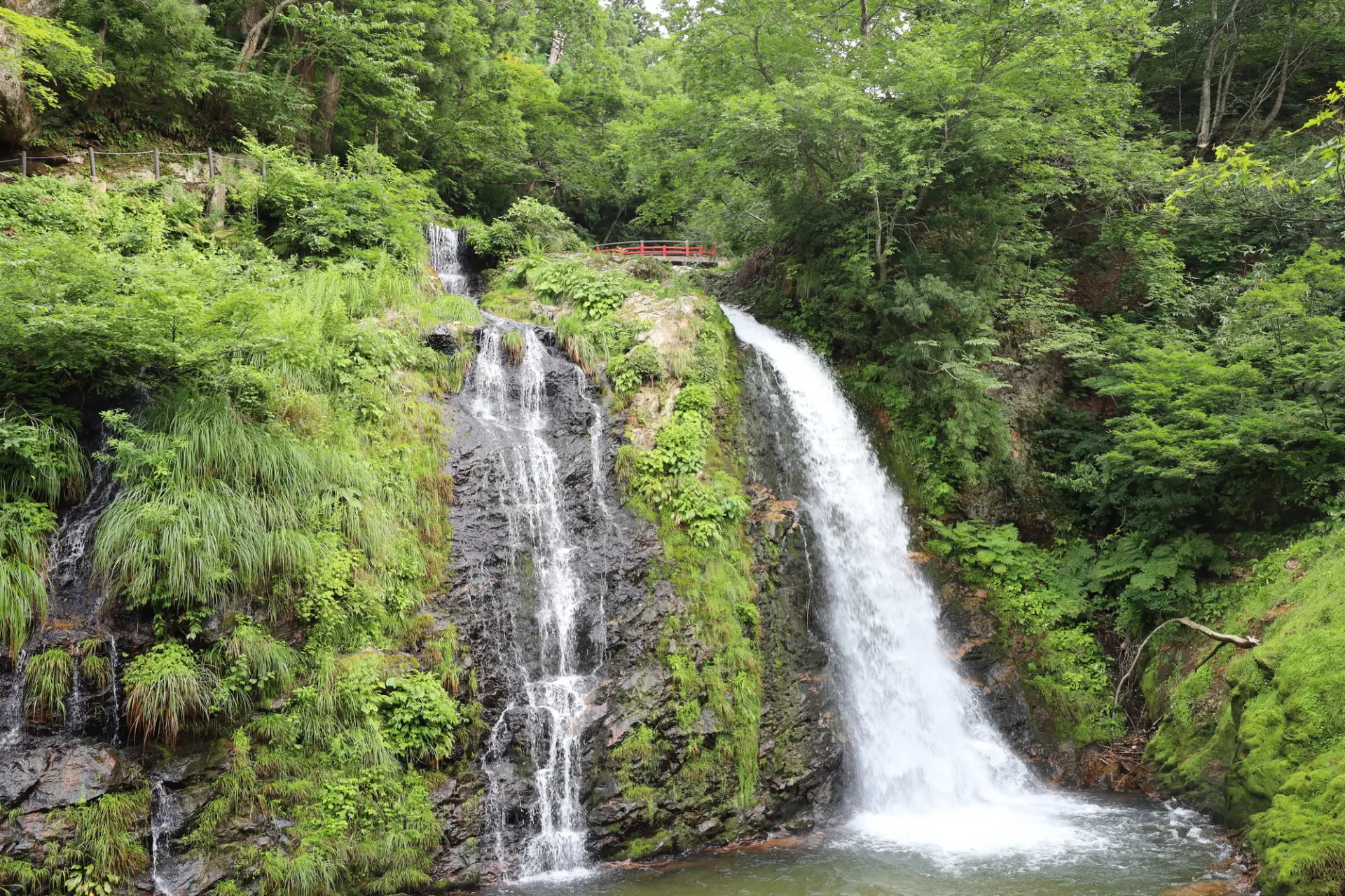
Beyond the ryokan-lined onsen street, deeper areas hold many hidden gems worth discovering on a leisurely stroll.
Notable spots include the dramatic Shirogane Falls (22-meter drop), "Natsu-shirazu" (a cave that blows cool air like natural air conditioning even in midsummer), and the Nobezawa Silver Mine Tunnel (a historic mine open for tours).
Soba Midori
A soba restaurant about 12 minutes on foot from JR Oishida Station, open only on weekdays.
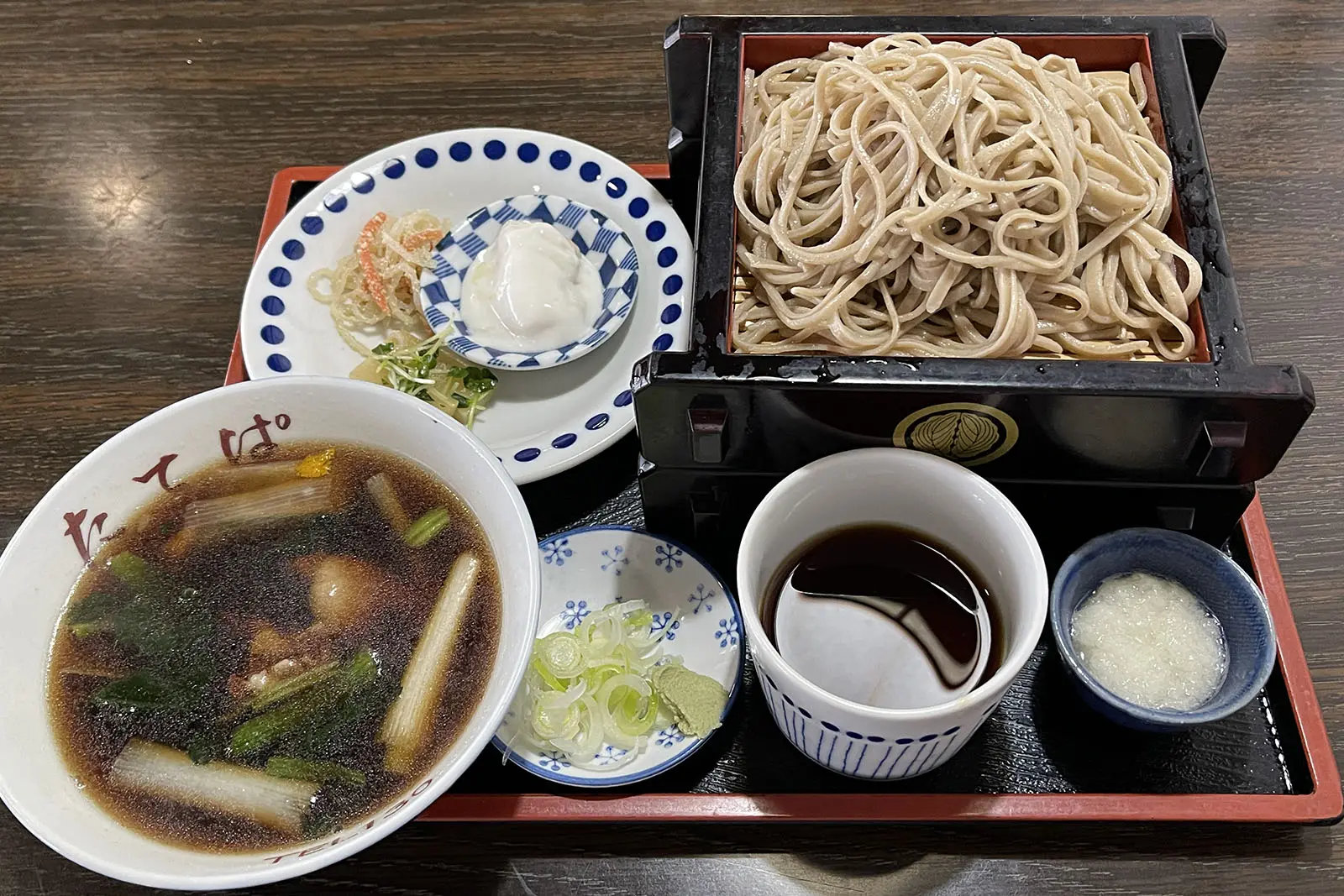
The recommended dish is "Kamo Seiro" (duck dipping soba), enjoyed with two different dipping sauces. Start without any condiments — taste the soba's clean flavor and aroma with the cold dipping sauce first. The warm sauce uses rich-flavored Yamagata duck, adding depth and umami. Not listed on the menu, but large portions are available upon request.
Mogami-gawa Senbon Dango
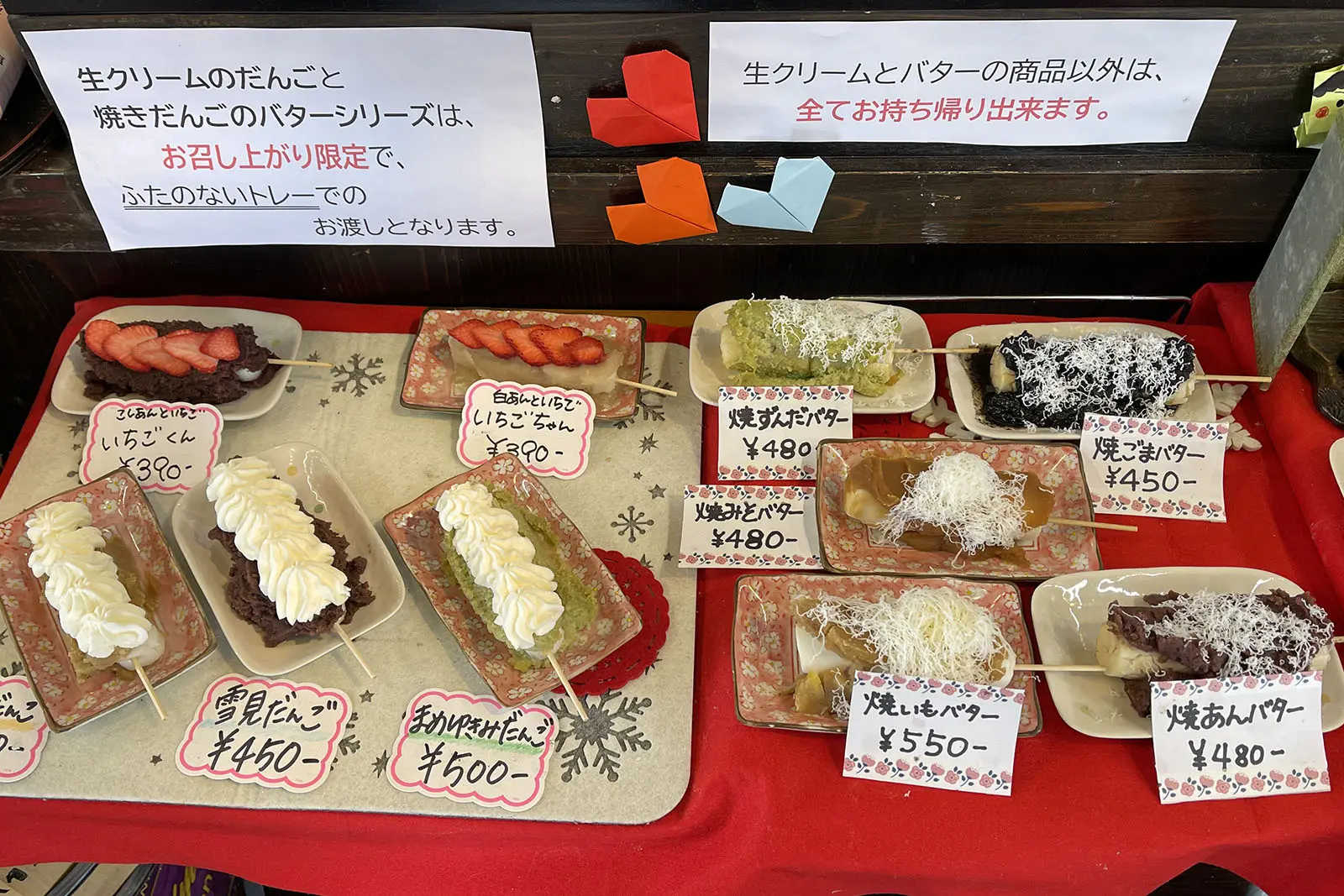
A dango specialist that uses absolutely no additives. Because they insist on freshness, these are same-day treats only.
Freshly made dango are soft and fluffy, with a texture and flavor completely different from ordinary dango — silky smooth and impossible to stop eating. Even for takeout, the generous piles of red bean topping are thoroughly satisfying.
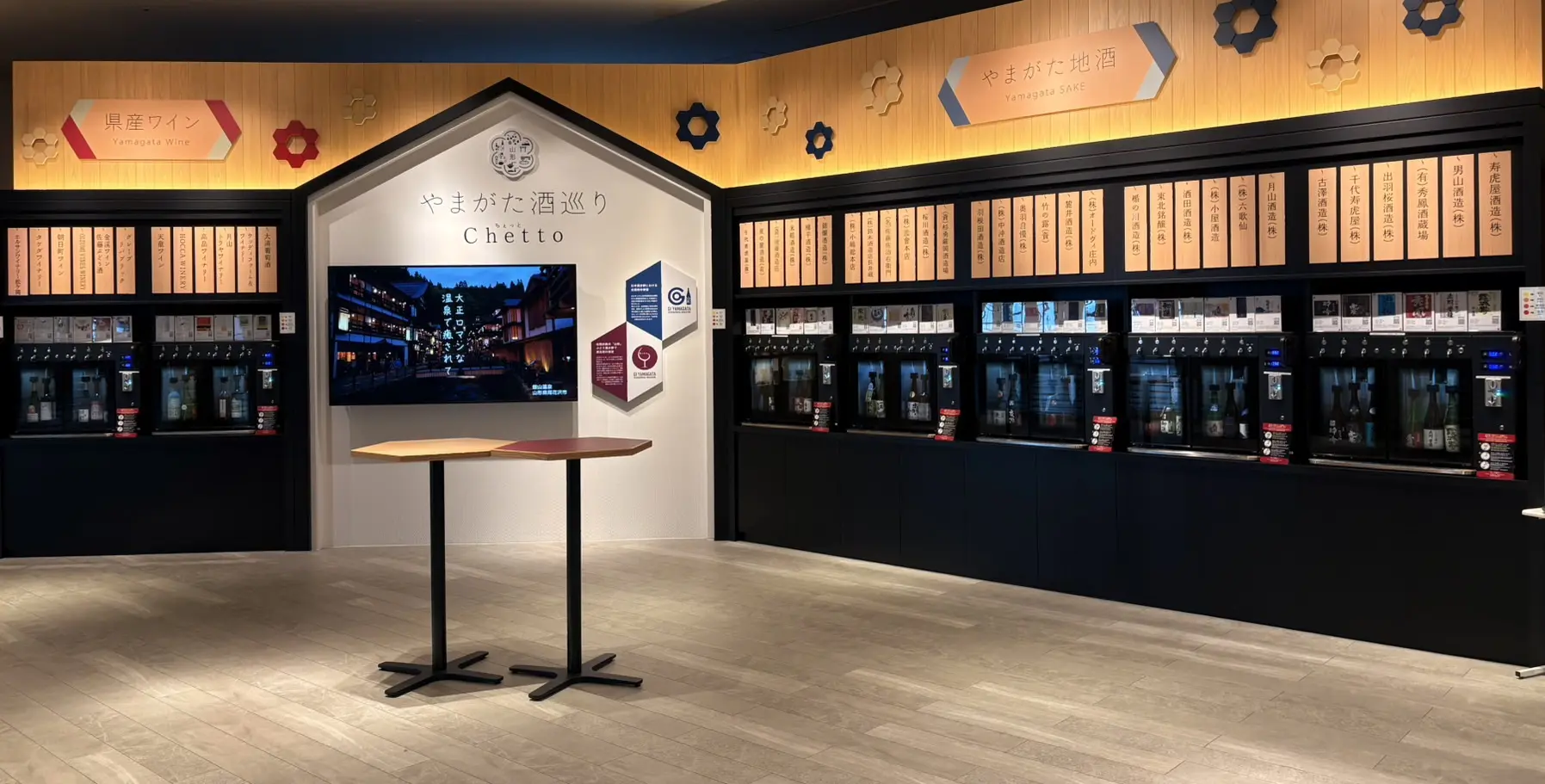
Yamagata Sake Tour "Chetto"
A sake tasting space inside the "Yamagata Tourism Information Center" on the 1st floor of Kasumijo Central, west of Yamagata Station.
"Chetto" means "just a little" in Yamagata dialect — try small pours from multiple breweries at once. There are always 42 varieties available (including 12 wines), with pricing at 3 glasses for ¥500 or 6 glasses for ¥1,000.
Day 4 Schedule
| Time | Duration | Activity / Transport |
|---|---|---|
| 9:00 | 90 min | Ginzan Onsen morning walk (Shirogane Falls, mine tunnel, etc.) |
| 10:40 | — | Depart Ginzan Onsen |
| 11:15 | 50 min | Lunch at Soba Midori (~35 min drive) |
| 12:10 | 30 min | Mogami-gawa Senbon Dango (~2 min drive) |
| 13:45 | — | Return rental car at Yamagata Station (~65 min drive via expressway) |
| 14:00 | 40 min | Yamagata Sake Tour "Chetto" |
| — | 50 min | Souvenir shopping at Yamagata Station |
| 15:46 | — | Board Yamagata Shinkansen Tsubasa 148 |
| 18:36 | — | Arrive at Tokyo Station |
Driving Tips for Yamagata
Traffic in the Murayama area is generally light, making driving relatively relaxing. Local drivers have good road manners and commonly observe the "yield to pedestrians at crosswalks" rule.
Pedestrians also tend to assume cars will stop, so when you see someone waiting to cross, be sure to slow down and stop.
The road to Nanokamachi Shopping Street in Yamagata City has about 960 meters of one-way traffic. If coming from Tendo, parking at the prefectural lot east of Bunshokan and walking is more convenient.
During rush hour (7:30–9:00), Route 13 into Yamagata City and downtown roads may see congestion.
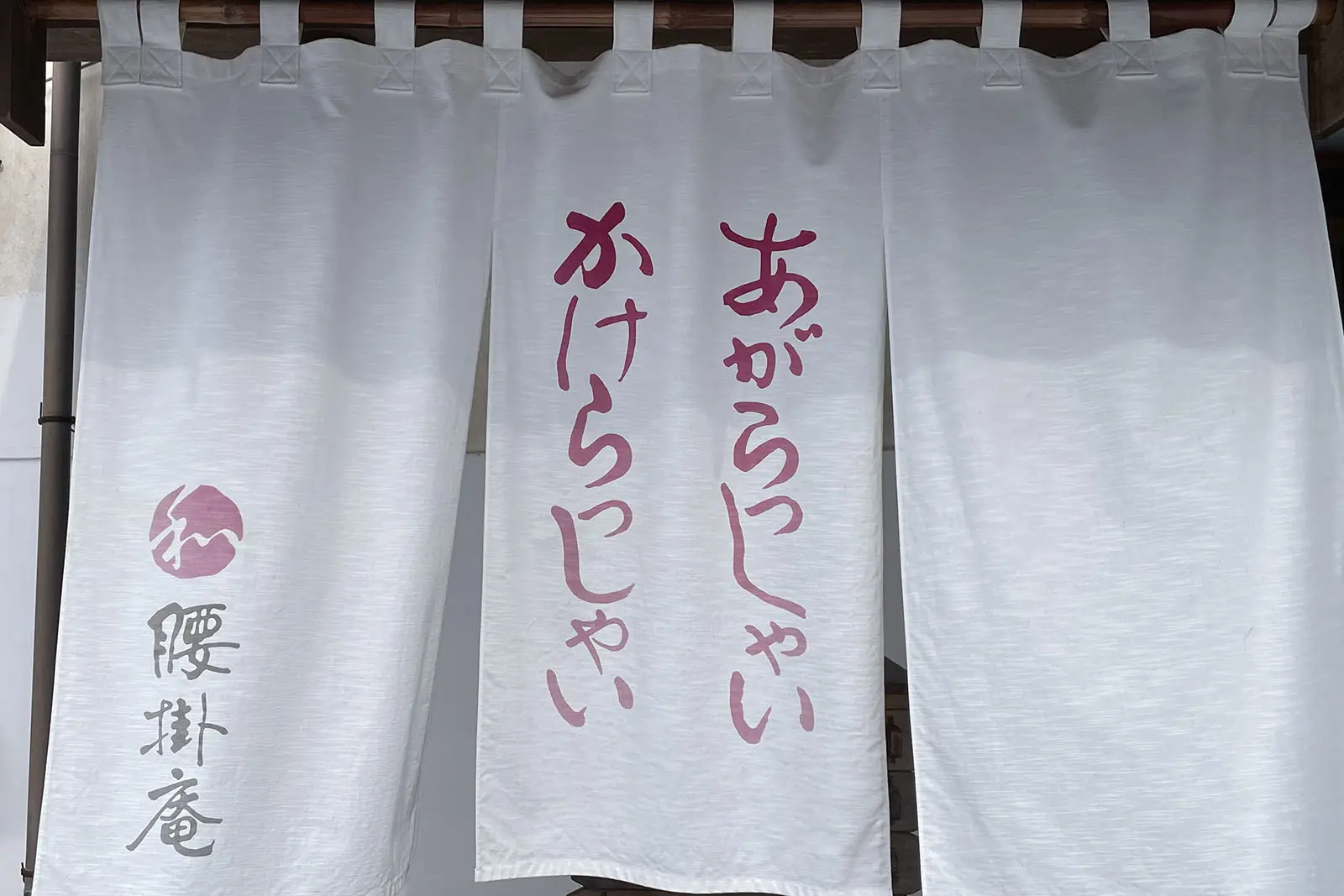
Fun Yamagata Dialect Mini-Lesson!
Yamagata dialect is part of the broader Tohoku dialect family, but includes many expressions unique to the region. Even within the same city, different areas may use different vocabulary — showcasing its wonderful diversity.
Here are some Yamagata dialect expressions rarely heard elsewhere in Japan:
- んだ (n-da) = "Yeah" / "That's right"
- はらくっつい (ha-ra-ku-ttu-i) = "I'm so full"
One fun aspect of Yamagata dialect: you can have a complete conversation with just single characters! For example, "け (ke)" "く (ku)" forms a full exchange (meaning "Eat this" → "I'll eat it").
Useful Yamagata phrases travelers can use:
- おばんです (o-ban-de-su) = "Good evening"
- ありがどさま (a-ri-ga-do-sa-ma) = "Thank you"
- さすけね (sa-su-ke-ne) = "No problem" / "Don't worry"
The phrase "sasukene" not only means "it's fine on my end" but also carries a warm, reassuring nuance of "please don't worry."
FAQ
Q: How do I get from Tokyo to Yamagata? A: Take the Yamagata Shinkansen from Tokyo Station or Ueno Station, or fly JAL from Haneda Airport (~1 hour). The airport is in Higashine City, so the Shinkansen is more convenient if starting from Yamagata City.
Q: Any clothing tips for visiting Yamagata? A: Spring and autumn temperatures drop earlier than Kanto — bring an extra warm layer. In winter, full cold-weather gear is essential (thermal innerwear, down jacket, snow boots).
Q: What are the local specialties? A: The signature dish is imoni (taro stew) — autumn even brings outdoor "imoni-kai" parties. Soba and ramen shops abound, beloved by locals and tourists alike. Yamagata is also a major fruit producer: cherries, peaches, Western pears, and apples are all famous.
Q: What can I do in Yamagata during winter? A: Skiing and snowboarding at Zao are highly recommended. Zao's snow monsters (juhyo) peak from late January to February — stunning even for non-skiers. Beautiful snow scenery in the lowlands makes winter city strolling enjoyable too.
Conclusion
Yamagata was selected by National Geographic as one of the "25 Must-Visit Travel Destinations for 2026."
The ability to learn about culture, savor cuisine, enjoy hot springs, and connect with nature — all in a tranquil setting — is exactly why Yamagata received such high acclaim. The Murayama area lets you experience all of this in one trip.
Conveniently accessible from Tokyo via Shinkansen or air, the Murayama area is rich in attractions and delicious food. The itinerary presented here is just a taste — there's so much more to discover. If time allows, stay a few extra days to fully absorb Yamagata's tourism charm.