Seville Travel Guide 2026: Alcázar, Santa Cruz, Plaza de España & a Smart 2-Day Itinerary
Published: June 2, 2026
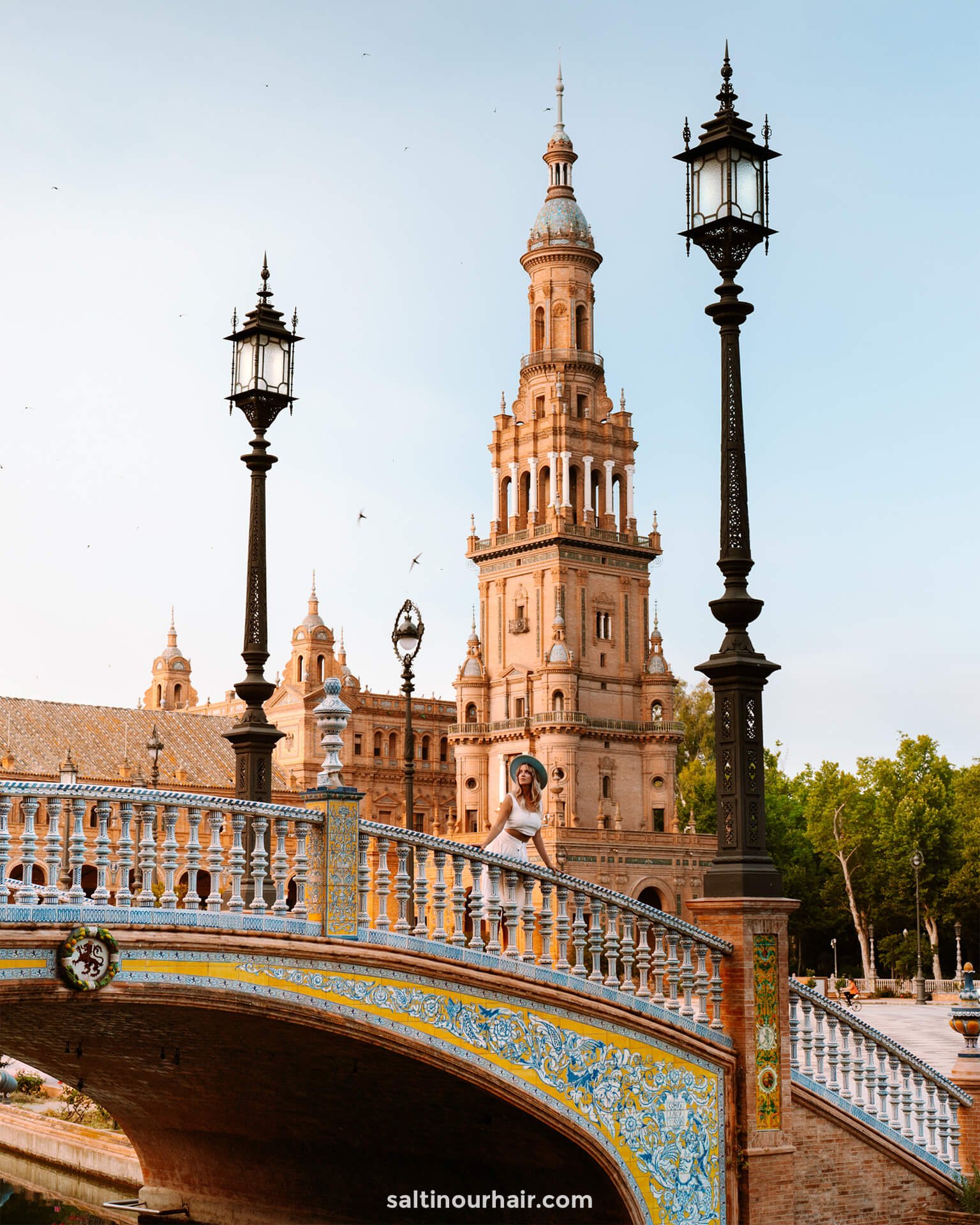
Seville is one of the easiest European cities to love fast. It gives you Moorish palaces, orange-scented courtyards, flamenco energy, rooftop sunsets, and excellent tapas without the sprawl or stress of a mega-capital. For first-time visitors, the real magic is how walkable the center feels: you can move from the Alcázar to Santa Cruz, the cathedral, the riverfront, and Triana in a single day without turning the trip into a transport puzzle.
This guide focuses on the version of Seville that works best for travelers in 2026: smart timing for the heat, the can’t-miss landmarks, where to stay, what to eat, and how to structure a practical 2-day trip.
Essential Info
| Category | Details |
|---|---|
| Country | Spain |
| Region | Andalusia |
| Airport | Seville Airport (SVQ) |
| Best Time | March-May, October-November |
| Ideal Stay | 2-3 days |
| Daily Budget | €75-160 mid-range |
| Getting Around | Mostly on foot; tram, bus, bike, and taxis for longer hops |
Good to know: Seville is compact, but summer heat is serious. Build your sightseeing around early mornings, long shaded lunches, and sunset hours.
Why Visit Seville?
Seville stands out because it feels rich without feeling overwhelming.
- Historic depth — Roman, Islamic, Jewish, and Christian layers all show up in the streetscape
- Big-icon landmarks — the Alcázar, cathedral, Giralda, and Plaza de España all genuinely deliver
- Neighborhood character — Santa Cruz and Triana feel distinct, not interchangeable
- Strong food value — tapas culture makes it easy to eat well without overplanning
- Excellent city-break scale — enough for 2-3 memorable days, not so much that you leave exhausted
If Madrid feels more metropolitan and Barcelona more design-forward, Seville is the most atmospheric of the three.
Top Things to Do in Seville
1. Real Alcázar
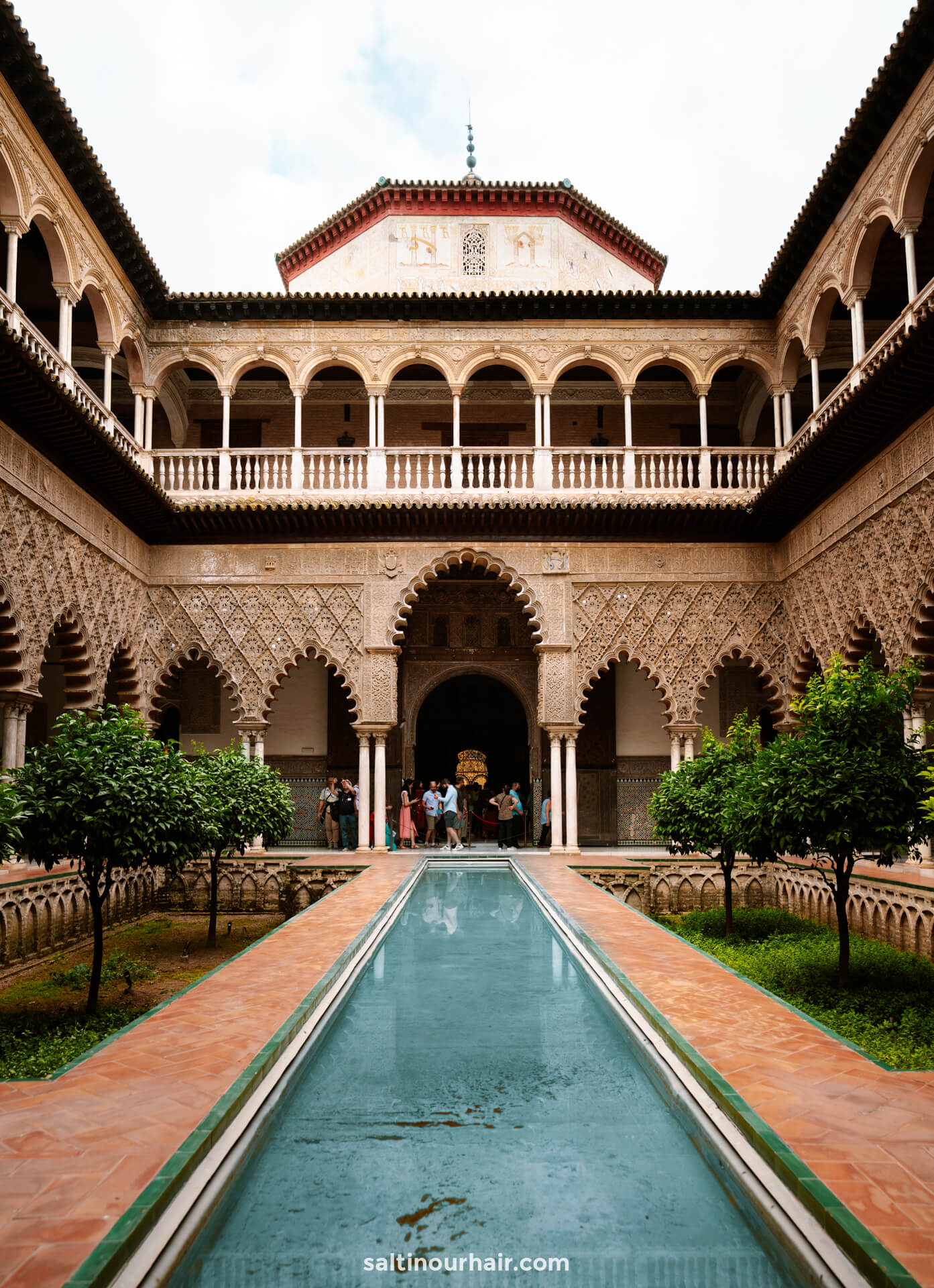
The Real Alcázar is Seville’s headline sight and it earns that status. The blend of Mudéjar courtyards, carved arches, tilework, gardens, and intimate palace spaces gives the city its strongest visual identity.
Why it matters:
- It is one of Europe’s most impressive palace complexes
- The gardens are as memorable as the interiors
- It gives you the clearest sense of Seville’s Islamic and royal heritage
Smart visit strategy:
- Book ahead for an early slot
- Give it 2-3 hours, not a rushed one-hour stop
- Pair it with Santa Cruz right after, since they connect naturally
Traveler tip: If you only pay for one major monument in Seville, make it this one.
2. Seville Cathedral + La Giralda
The cathedral is enormous, dramatic, and historically important, but the real first-timer move is combining the interior with the climb up La Giralda. Unlike many European bell towers, the ascent is done mostly by ramps, which makes it more approachable than it sounds.
Highlights:
- Vast Gothic interior
- Christopher Columbus tomb monument
- Panoramic city views from La Giralda
- Strong context for Seville’s religious and imperial history
Best timing: go early, especially in warmer months. The city is better from above before the midday glare and crowds build.
3. Wander Santa Cruz
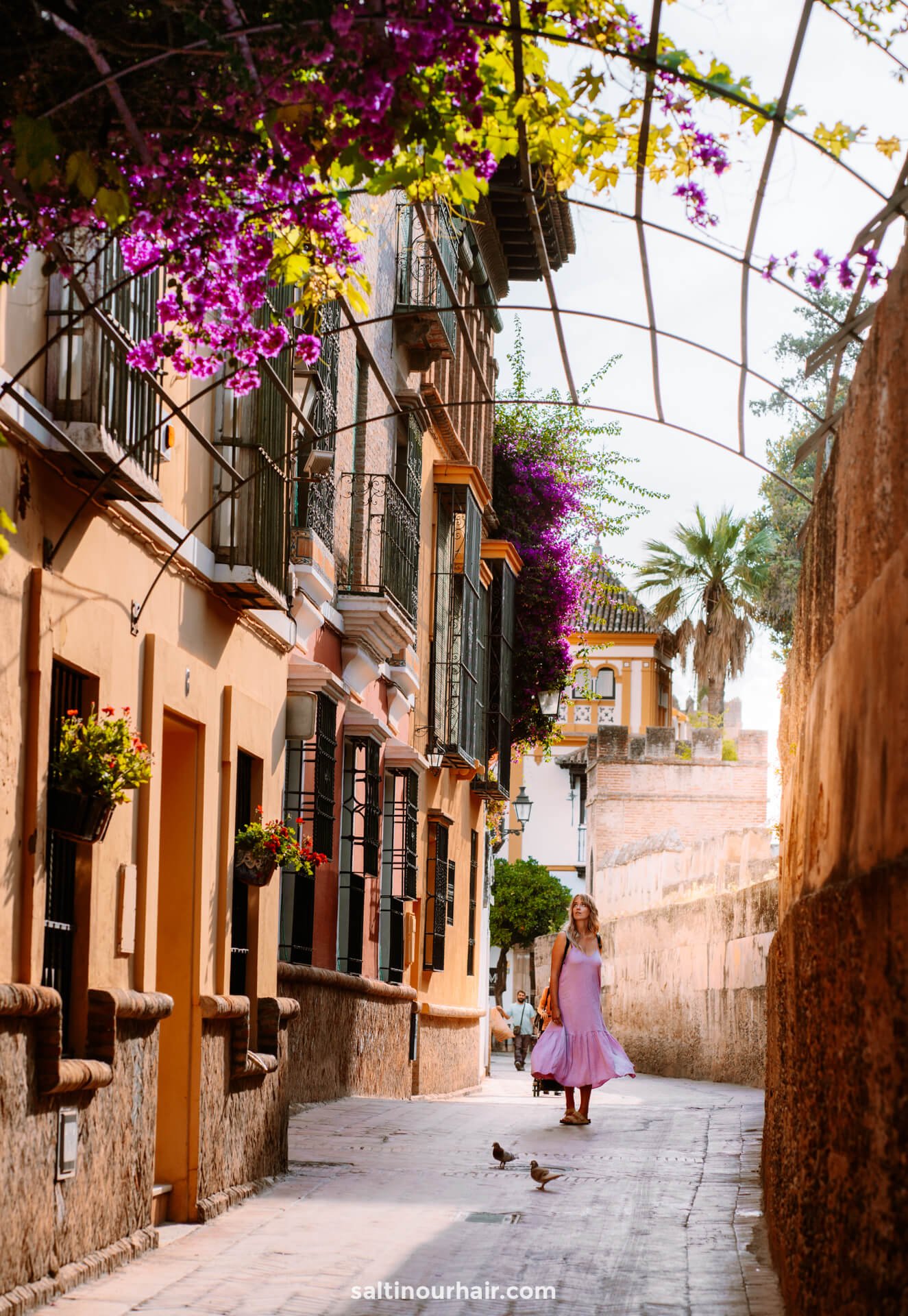
Santa Cruz is the part of Seville that makes people slow down. You are not here to “cover” it efficiently; you are here to drift through narrow lanes, hidden patios, small plazas, and photogenic corners that feel cinematic without trying too hard.
Best for:
- Morning walks before the crowds arrive
- Boutique-hotel atmosphere
- Casual wine and tapas stops
- Low-stakes, high-reward wandering
What to know: Santa Cruz is central and beautiful, but also one of the most visitor-heavy parts of Seville. Stay alert for overpriced terrace menus directly beside the biggest sights.
4. Plaza de España + María Luisa Park
Plaza de España is one of the city’s big visual payoffs: tiled alcoves, bridges, curved façades, and a scale that feels theatrical in the best way. Right beside it, María Luisa Park gives you shade, slower pacing, and breathing room.
Why this stop works so well:
- It is one of the city’s most photogenic spaces
- It balances Seville’s denser old-town streets with a more open landscape
- It is excellent at golden hour, when the stone and tile start to glow
Best timing: early morning or late afternoon. Midday in peak heat can be punishing.
5. Las Setas de Sevilla
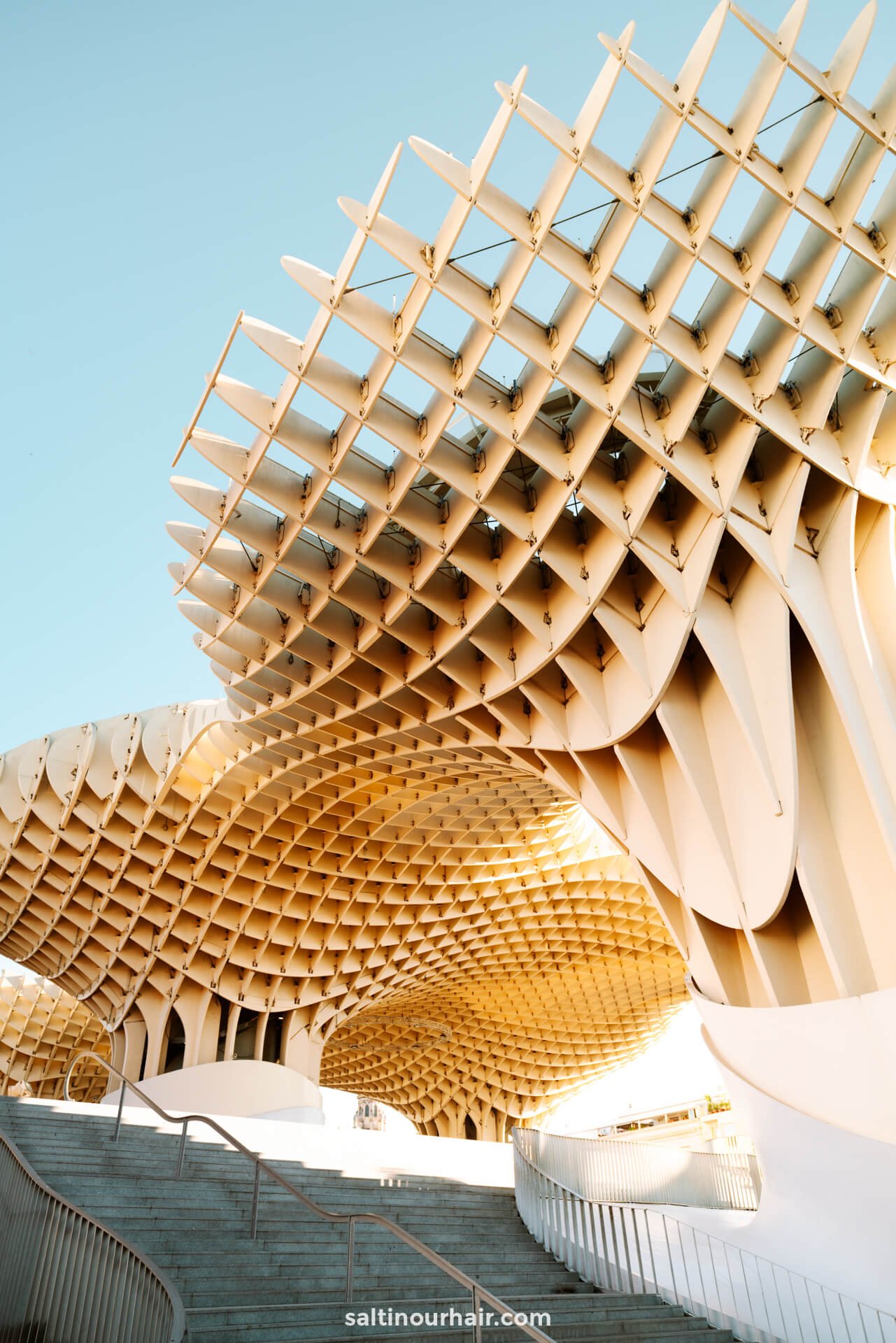
Metropol Parasol, usually called Las Setas, adds a modern counterpoint to all the historic weight. The structure is divisive to some locals, but for travelers it offers one of the best sunset viewpoints in the city.
Why go:
- Elevated city views without a huge time commitment
- Strong contrast between old Seville and newer design
- Great pre-dinner or sunset stop
Best move: do the cathedral earlier in the day, then save Las Setas for evening light.
6. Cross into Triana
Triana gives Seville a different mood: less polished, more local, more river-facing, and strongly tied to ceramics and flamenco culture. Even if you only spend a few hours here, it changes your sense of the city.
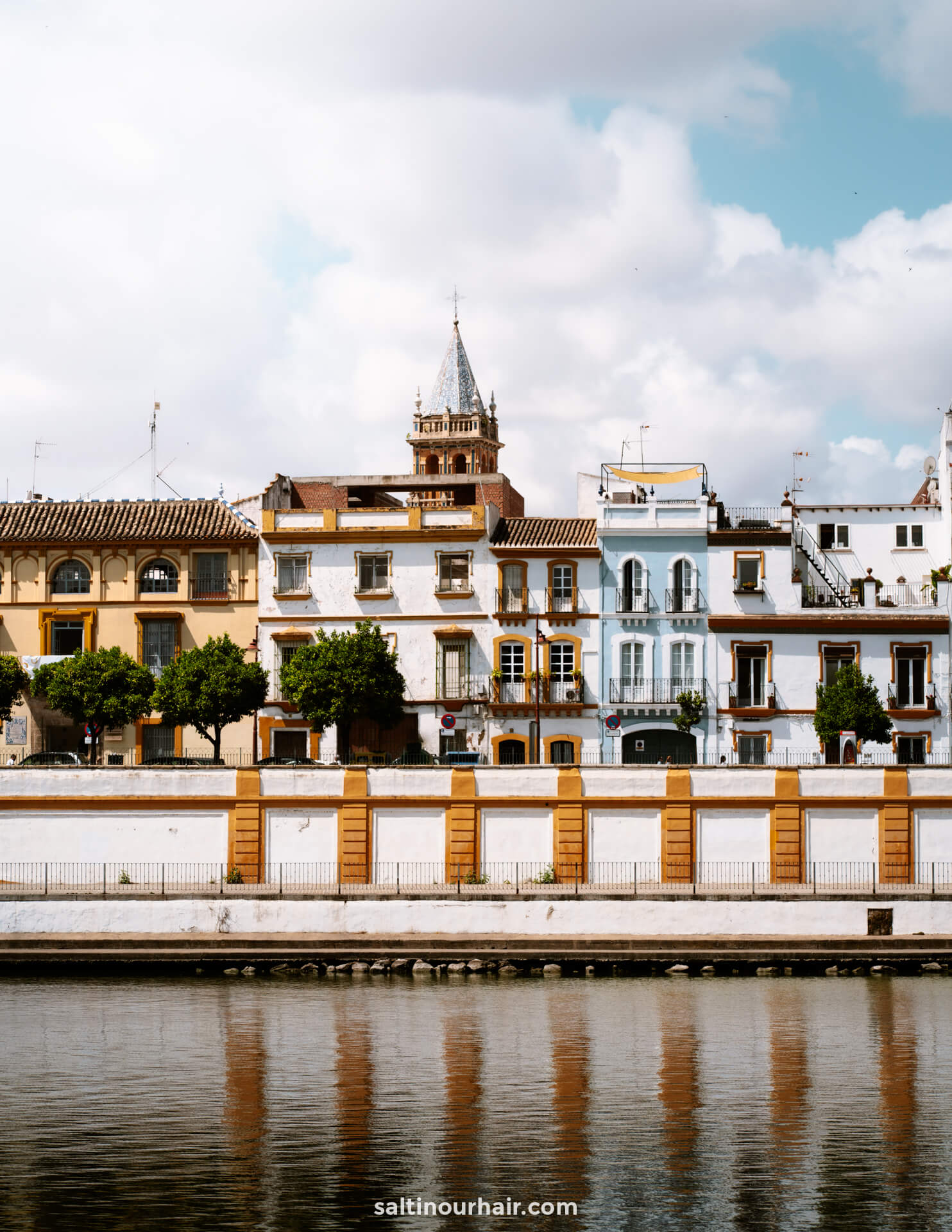
What to do in Triana:
- Walk the riverfront at sunset
- Browse ceramic shops
- Eat a longer, more relaxed tapas meal
- See a flamenco show if that is on your list
Good pairing: combine Triana with the river promenade and a slow evening rather than trying to treat it like a checklist neighborhood.
A Smart 2-Day Seville Itinerary
Day 1: The Grand Icons
- Start at Real Alcázar
- Continue into Santa Cruz for a slow late morning walk
- Visit Seville Cathedral + La Giralda
- Take a shaded lunch break
- Head to Plaza de España and María Luisa Park in the late afternoon
- Finish with dinner and drinks in the historic center
Day 2: Modern Views + Local Texture
- Enjoy a slower breakfast
- Explore smaller corners of the center or a museum stop
- Browse local shops and tilework details around the old town
- Go up to Las Setas in the late afternoon
- Cross to Triana for dinner, ceramics, and evening atmosphere
If You Have 3 Days
Add one of these:
- More museums and churches in the center
- A longer tapas crawl focused on classic Andalusian dishes
- A half-day excursion deeper into Andalusia
What to Eat in Seville
Seville is one of the easiest cities in Spain for casual, satisfying eating. Tapas culture means you can build a meal gradually rather than committing to one big formal reservation every night.
Good things to order
- Jamón ibérico
- Espinacas con garbanzos (spinach with chickpeas)
- Salmorejo
- Croquetas
- Carrillada (slow-cooked pork cheeks)
- Bacalao dishes
- Orange wine or vermouth where available
Food strategy that works
- Eat lighter at lunch if you are sightseeing in the heat
- Save your bigger meal for evening
- Mix classic bars with one more design-forward restaurant or rooftop stop
- In tourist-heavy zones, check whether locals are actually eating there before sitting down
Where to Stay in Seville
Santa Cruz
Best for: first-timers, atmosphere, walkability, boutique stays
You pay a little more for charm and location, but it is hard to beat if you want Seville’s postcard version right outside your door.
Historic Center
Best for: balanced convenience, restaurants, easy access to major sights
A strong all-round choice if you want centrality without being locked into the narrowest lanes.
Triana
Best for: local feel, food, a slightly less tourist-saturated base
Good for repeat visitors or travelers who want evenings with a bit more neighborhood personality.
Summer tip: prioritize air conditioning and, if your budget allows, a small pool or rooftop terrace.
Getting There and Around
Arriving
- Fly into SVQ for the simplest arrival
- You can also combine Seville with broader Andalusia travel via Málaga and train or car connections
Getting around the city
Seville is one of the most walkable city-break destinations in Europe.
- Walking is enough for most first-time itineraries
- Bikes are useful if you like active city exploring
- Taxis / rides are easy for airport transfers or hot afternoons
- Public transport is handy but not essential for a short central stay
Best approach: stay central and reduce transport decisions altogether.
Budget Breakdown
| Travel Style | Daily Budget |
|---|---|
| Budget | €45-75 |
| Mid-range | €75-160 |
| Upscale | €180+ |
Typical costs
- Tapas meal: €12-25 depending on how much you order
- Major monument tickets: usually the biggest sightseeing cost
- Central hotels: better value than Paris, Amsterdam, or Rome, but not “cheap” in peak season
Seville can be very good value if you keep accommodation sensible and lean into tapas instead of formal dining every night.
Best Time to Visit Seville
Best months
- March to May for orange blossom season, lively streets, and better sightseeing weather
- October to November for warm days with less punishing heat
Summer reality
June through August can still be rewarding, but you need to plan for the climate. Afternoon sightseeing becomes much less pleasant when temperatures spike.
Winter upside
Winter is quieter, easier on the budget, and still very workable for a culture-heavy city break.
Practical Tips for First-Time Visitors
✅ Book the Alcázar ahead of time
✅ Sightsee early and late; protect the middle of the day
✅ Wear shoes that handle stone streets well
✅ Don’t over-schedule monuments — Seville is strongest when you leave room to wander
✅ Use Triana for one of your evenings, not just the center
⚠️ Biggest mistake: treating Seville like an all-day, noon-to-5 PM walking city in summer.
FAQ
How many days do I need in Seville?
Two full days is enough for a strong first trip. Three days gives you a much more relaxed pace.
Is Seville expensive?
Not by major Western Europe standards. It is usually better value than Paris, Amsterdam, or Rome, especially for food.
Should I choose Seville, Madrid, or Barcelona?
Choose Seville for atmosphere and romance, Madrid for museums and urban energy, and Barcelona for architecture plus beach access.
Is Seville good for first-time Spain visitors?
Yes. It is compact, memorable, visually distinctive, and easy to enjoy without advanced planning.
You May Also Like
Source: Salt in our Hair Adapted and edited for AirSaver.Online readers.