Berlin Travel Guide 2026: Wall History, Museums, Neighborhoods & a Smart 3-Day Itinerary
Published: May 30, 2026
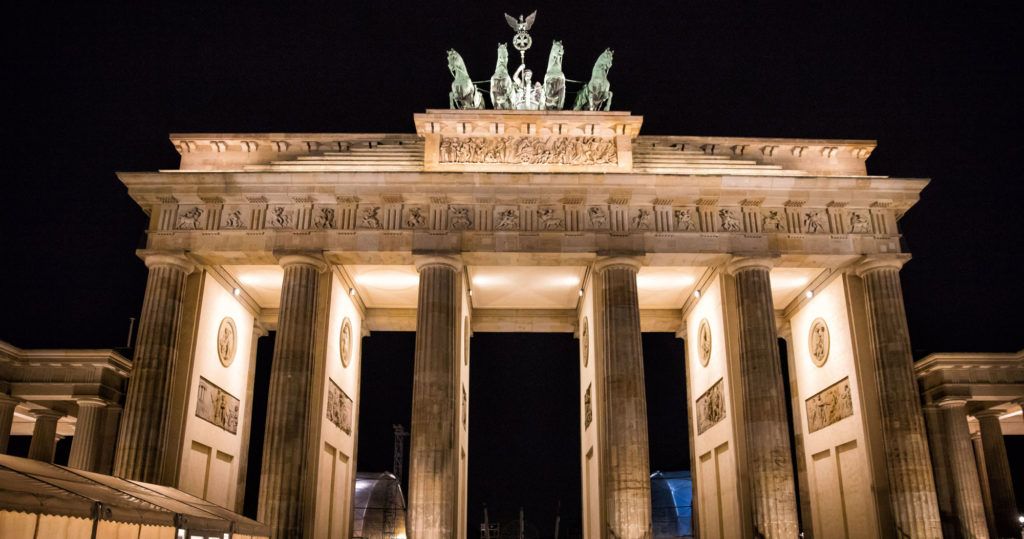
Berlin is one of Europe’s most layered city breaks. It has the headline landmarks first-time visitors expect—Brandenburg Gate, the Reichstag, Museum Island, the Berlin Wall—but the real pull is the contrast. This is a capital where imperial avenues, Cold War scars, giant parks, design-forward districts, and gritty creative neighborhoods all sit inside the same trip.
That mix is exactly why Berlin rewards smart planning. If you treat it like a conventional old-town Europe destination, it can feel scattered. If you organize the trip by district and mood, Berlin becomes one of the continent’s most interesting short breaks: history in the morning, museum time in the afternoon, canal-side brunch or nightlife later, and enough neighborhood variety that the city never feels repetitive.
For most first-time visitors, Berlin works best as a practical 3-day trip. That gives you enough time for the historic core, one deeper museum block, City West, the Wall sites, and at least one more local-feeling day in Kreuzberg, Friedrichshain, or Prenzlauer Berg.
This guide is built for traveler utility: what to prioritize, where to stay, how to move around, what to book ahead, and how to shape a Berlin trip that feels purposeful rather than overwhelming.
Essential Info
| Category | Details |
|---|---|
| Country | Germany |
| Currency | Euro (EUR) |
| Language | German |
| Airport | Berlin Brandenburg Airport (BER) |
| Best Time | May-June and September |
| Ideal Trip Length | 3 full days |
| Best For | History, museums, architecture, nightlife, creative neighborhoods, repeat Europe trips |
| Trip Style | Great for first-timers who want substance, couples, solo travelers, and culture-heavy city breaks |
Good to know: Berlin is large, but the sightseeing is easier than it first looks when you group neighborhoods well. The city also runs on excellent public transport, so you do not need a car.
Why Berlin Is Such a Strong Europe Pick
Berlin is not a polished museum piece. That is part of why it works.
Why travelers keep choosing it:
- The history is unusually visible, from the Wall to major World War II memorial sites
- The city has real neighborhood contrast, so each day can feel different
- Big landmarks and local life coexist well, especially once you move beyond the classic core
- Museum quality is excellent, particularly around Museum Island and the city’s specialist museums
- Public transport is simple and reliable, which lowers the stress level on a short stay
- It often feels better value than Europe’s most expensive capitals, especially for food, transport, and mid-range stays
Berlin is strongest when you do not chase every single sight. Prioritize a few major history anchors, one meaningful museum block, and one day built around neighborhoods and atmosphere.
Best Time to Visit Berlin
| Season | What to Expect |
|---|---|
| Apr-Jun | Mild weather, long days, outdoor cafés and parks coming alive ✅ |
| Jul-Aug | Festivals, open-air energy, warmer weather, busier weekends ⚠️ |
| Sep-Oct | Excellent walking weather, strong museum-and-neighborhood balance ✅ |
| Nov-Mar | Colder, moodier, lower hotel pressure, good for museums and winter markets ✅ |
Best overall months: May, June, and September.
Worth noting: Berlin is a city that benefits from shoulder season. You will do a lot of walking, and the experience is better when temperatures are comfortable. December can also be rewarding if your priority is Christmas markets rather than park-and-neighborhood time.
How Many Days Do You Need?
2 days
Enough for Brandenburg Gate, the Reichstag area, Museum Island, one Wall site, and a strong neighborhood evening. It works, but it will feel selective.
3 days
The sweet spot for most first-time visitors. You can cover the historic core, one deeper west-side or palace day, and one neighborhood-heavy day around the East Side Gallery, Kreuzberg, and Friedrichshain.
4 days+
Best if you want more museum time, slower neighborhood exploration, day trips, or extra space for nightlife and café culture.
Top Experiences in Berlin
1. Start with Brandenburg Gate, the Reichstag, and the Government Quarter
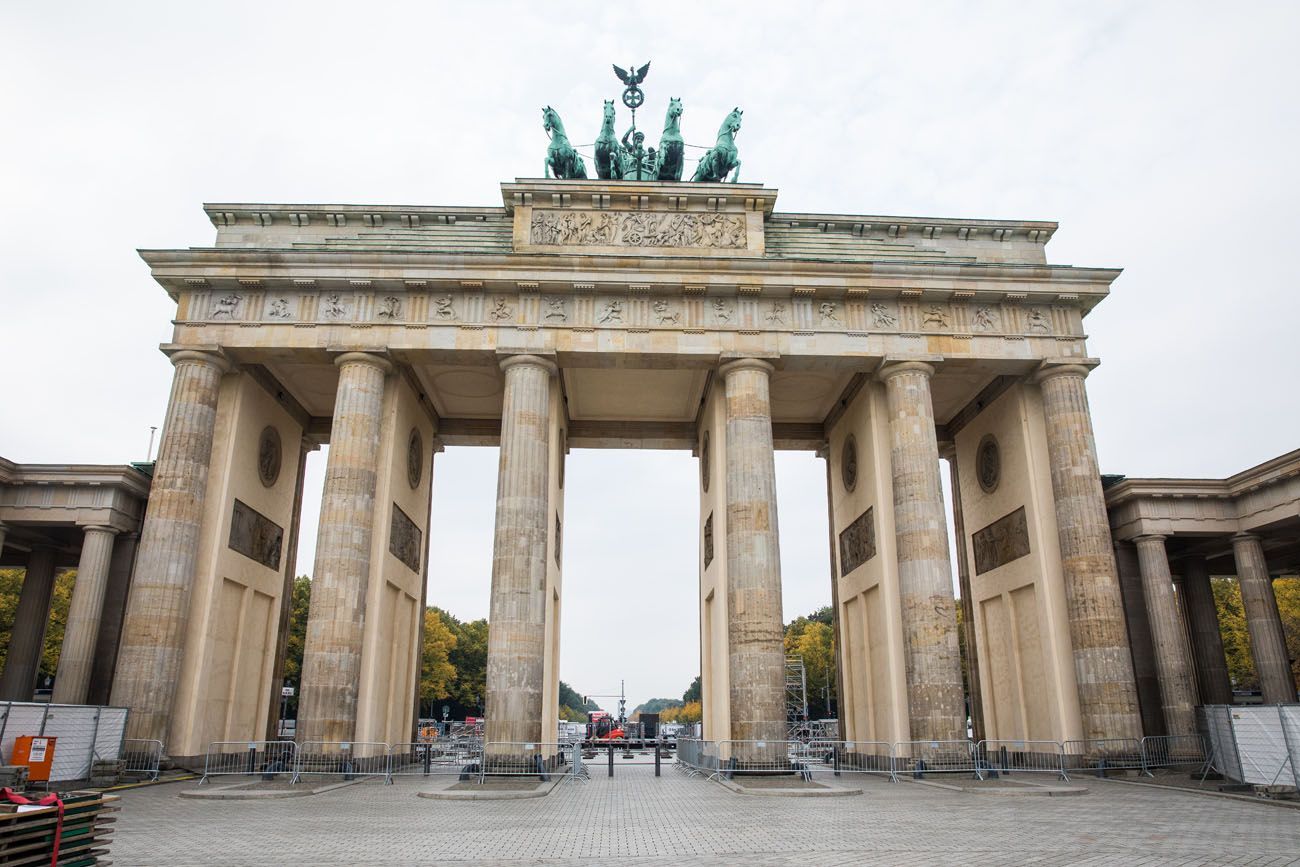
If this is your first trip, begin with Berlin’s symbolic core. Brandenburg Gate still carries enormous emotional weight, not just as the city’s best-known landmark, but as a marker of division, reunification, and modern German identity.
Pair it with the Reichstag and the surrounding government district. That combination gives you the most iconic Berlin start because it blends architecture, politics, and history in one compact zone.
Why this area matters:
- It gives the trip instant orientation
- The symbolism is stronger here than in many European capitals’ main squares
- The Reichstag dome is one of Berlin’s best viewpoint experiences
- It connects easily to the Holocaust Memorial and Tiergarten
Smart planning tip: reserve the Reichstag dome ahead of time if available. It is free, but advance booking makes the day much smoother.
2. Give Museum Island and the Historic Core a Proper Block of Time
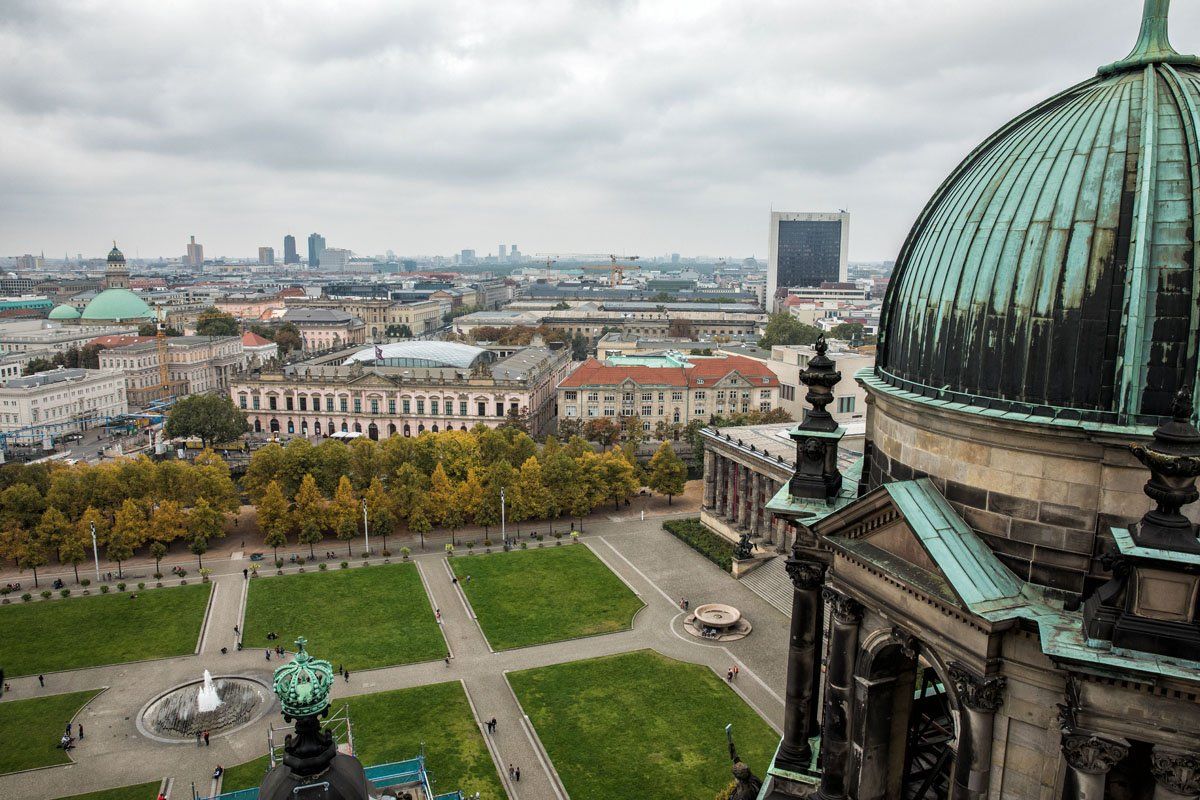
Berlin’s center is not just about state buildings and memorials. The area around Museum Island, Berlin Cathedral, Unter den Linden, Bebelplatz, and the nearby Humboldt Forum gives the city much more elegance than many first-timers expect.
This part of Berlin works especially well because:
- It balances heavy history with grand architecture
- Museum Island is one of Europe’s strongest cultural clusters
- Berlin Cathedral adds one of the city’s best skyline accents
- The whole district is walkable enough to feel coherent on a short trip
If you are not a deep museum traveler, do not try to conquer all five Museum Island institutions. One or two focused visits are usually enough. Art and archaeology lovers can stay much longer, but most first-time visitors will do better by combining one museum with broader city walking.
Important note: the Pergamon Museum’s main building has been under long-term renovation, so double-check current access before building your plan around it.
3. Make Time for the Berlin Wall Story, Not Just a Photo Stop
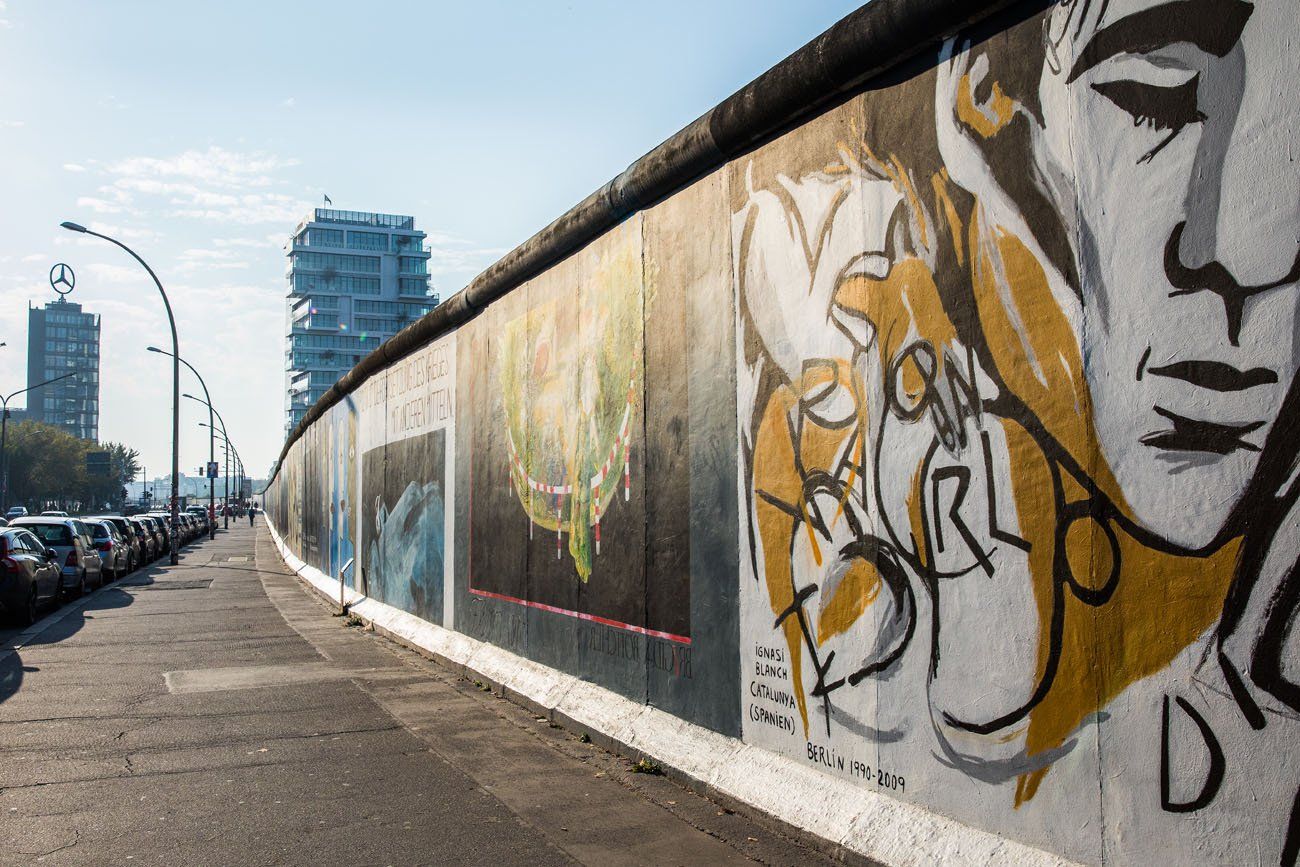
Berlin is one of those cities where historical context dramatically improves the trip. If you only stop briefly at Checkpoint Charlie, you miss the real depth.
The stronger approach is to combine at least two Wall-related experiences:
- Berlin Wall Memorial for the clearest sense of the border system and the so-called death strip
- East Side Gallery for the artistic afterlife of the Wall and a more open, visual experience
- Topography of Terror if you want another major history stop that adds World War II and Nazi-era context
Why this matters:
- The Cold War story is central to Berlin’s identity
- The city makes more sense once you understand what was divided and how
- The Wall sites are among Berlin’s most memorable experiences, not just educational extras
The East Side Gallery works especially well when paired with Friedrichshain and the Oberbaum Bridge area, since that part of the city also gives you a more contemporary Berlin mood.
4. Use Kreuzberg, Friedrichshain, and the Canal Zones to See the City’s Everyday Energy
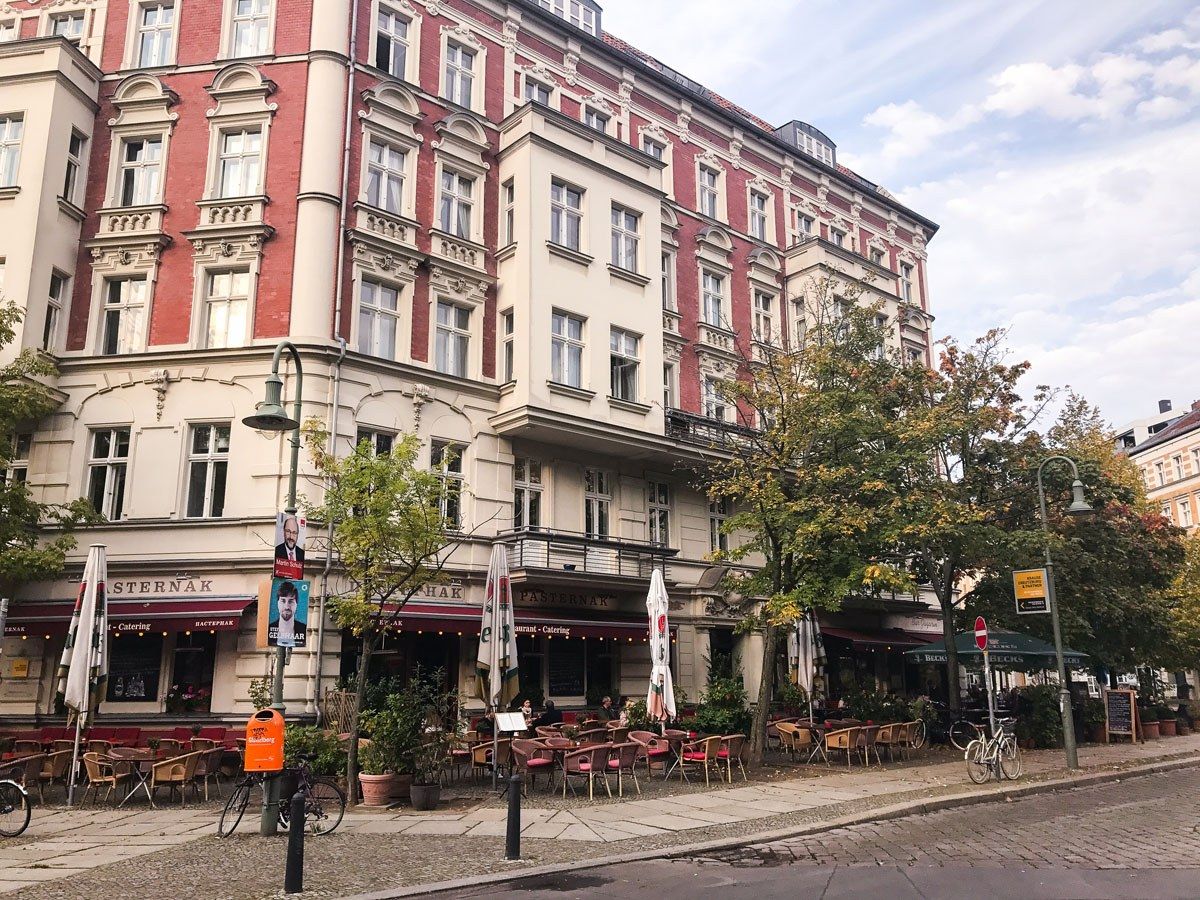
Berlin gets better when you leave the monument belt behind for a few hours. Neighborhood time is not filler here; it is part of the point.
Areas worth prioritizing:
- Kreuzberg for café culture, canals, creative energy, and more relaxed local rhythm
- Friedrichshain for the East Side Gallery, bars, riverside atmosphere, and younger city energy
- Prenzlauer Berg for a calmer, polished, residential version of Berlin with good brunch and street life
- Hackescher Markt / Hackesche Höfe for nightlife, courtyards, and an easier central evening zone
What makes these neighborhoods valuable is that they show Berlin as a lived-in city rather than just a historical capital. Slow brunch, canal walking, courtyard bars, and casual dinner stops often become the most replayable memories from the trip.
5. Add Charlottenburg Palace and City West for a Different Side of Berlin
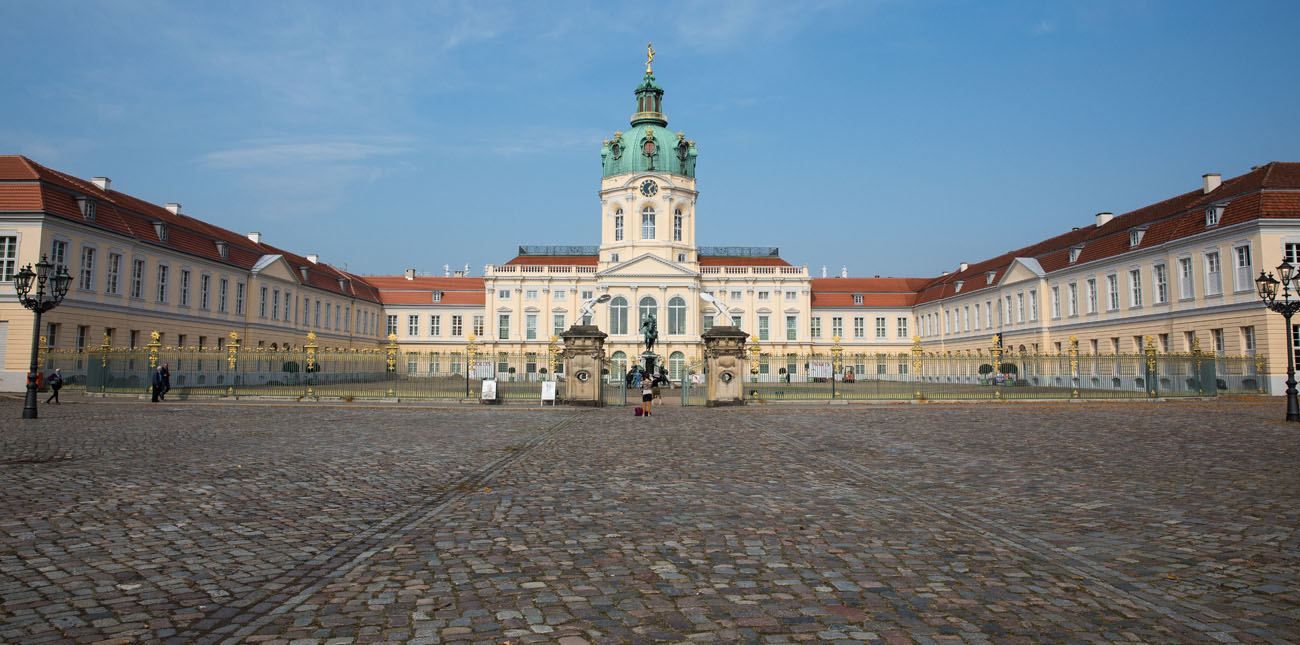
A lot of first-time visitors focus so hard on Mitte and the Wall sites that they miss City West. That would be a mistake.
This side of Berlin gives you:
- Charlottenburg Palace and gardens for a more royal, formal contrast
- Kurfürstendamm and nearby shopping streets for a more classic big-city boulevard feel
- Kaiser Wilhelm Memorial Church as one of Berlin’s most striking war-damaged landmarks
- Zoo / Aquarium / rooftop-bar territory if you want a lighter second-day structure
City West helps the trip feel more rounded. It breaks up the emotional intensity of Berlin’s history-heavy core and shows another layer of the city’s identity.
6. Do Berlin Evenings Properly: Rooftops, Beer Gardens, and Simple Food That Works

Berlin is not a city you should end too early. It has a more relaxed, less formal nightlife rhythm than many classic European capitals.
Good evening moves include:
- A rooftop or panoramic bar near City West or the central districts
- A canal-side dinner in Kreuzberg
- Courtyard drinks around Hackesche Höfe
- A riverside walk after the East Side Gallery area
- A quick currywurst or casual late snack between stops
Berlin food is not the main reason people book the city, but the daily eating rhythm works well. You do not need luxury reservations every night. This is a place where good brunch, casual international food, beer gardens, and one or two intentional dinner stops can carry the whole trip.
Where to Stay in Berlin
| Area | Why Stay Here | Best For |
|---|---|---|
| Mitte | Most practical first-time base for classic sights | First-timers, short trips, museum-heavy stays |
| Prenzlauer Berg | Stylish, calmer, great cafés and brunch energy | Couples, slower travelers, return visitors |
| Kreuzberg | Creative, lively, food-rich, more local nightlife | Younger travelers, food/nightlife-focused trips |
| Friedrichshain | Good for East Side Gallery and bar culture | Social trips, nightlife, repeat visits |
| City West / Charlottenburg | Shopping, wider boulevards, stronger hotel inventory | Comfort-focused travelers, families, premium stays |
Best first-time base
For most visitors, Mitte is the easiest all-round choice. It keeps you close to the historic center, Museum Island, the Brandenburg Gate zone, and strong transport links.
Best-value advice
If Mitte pricing feels high, look just outside the most central blocks rather than going far out. Berlin’s transport is good, but the trip improves a lot when you can walk at least some of your sightseeing days.
What to Eat in Berlin
Berlin is a city where variety matters more than one signature dish.
What to prioritize
- Currywurst for a classic fast local bite
- Doner kebab for one of the city’s everyday staples
- Brunch cafés in Kreuzberg or Prenzlauer Berg
- International food—Berlin does this unusually well
- Beer garden or canal-side dining when the weather is good
Smart food rhythm
- Use breakfast or brunch as a real event one day
- Keep lunch flexible on history-heavy sightseeing days
- Save one evening for a neighborhood dinner rather than a landmark-zone meal
- Do not expect Berlin to behave like Rome or Paris at the table; it is more casual, varied, and mood-driven
How to Get Around Berlin
Berlin is big, but it is easy to navigate once you embrace public transport.
S-Bahn, U-Bahn, tram, and bus
The network is excellent and is the default way to move between districts. This is one of Berlin’s biggest advantages on a short trip.
Berlin WelcomeCard
If you plan to use transport regularly and visit multiple attractions, the Berlin WelcomeCard can be a practical value play because it combines public transport with discounts.
Walking
Walking is great within each district, but Berlin is not a city where you should expect to walk everything end-to-end. Think in neighborhood clusters instead.
Airport logistics
Berlin Brandenburg Airport (BER) is connected to the city by rail, which makes arrival straightforward. This is a major convenience compared with some other European capitals.
Do you need a car?
No. In fact, it usually makes the trip worse. Parking, city-center driving, and Berlin’s environmental rules make public transport the smarter option.
Smart 3-Day Berlin Itinerary
Day 1 — Mitte, Museum Island, Brandenburg Gate, Reichstag
- Start at Alexanderplatz or directly in the historic center
- Visit Berlin Cathedral and walk Museum Island
- Continue along Unter den Linden and through Bebelplatz
- Visit the Holocaust Memorial
- See the Brandenburg Gate
- End with the Reichstag area and evening drinks or dinner near Hackescher Markt
Day 2 — City West and Charlottenburg
- Tour Charlottenburg Palace and gardens
- Move toward Kurfürstendamm for lunch or shopping
- See the Kaiser Wilhelm Memorial Church
- Add Zoo / Aquarium or a slower boulevard afternoon if that fits your style
- End with a rooftop or panoramic bar in City West
Day 3 — Wall History, Kreuzberg, Friedrichshain
- Start with the Berlin Wall Memorial or Topography of Terror
- Shift into Kreuzberg for brunch or canal-side café time
- Walk toward the Oberbaum Bridge and East Side Gallery
- Explore Friedrichshain or the riverside area at a slower pace
- Finish with dinner, drinks, or a final casual Berlin evening
If you only have 2 days
Keep Day 1 and Day 3, then borrow only your favorite pieces from Day 2. Berlin is better when it stays selective.
Sample Budget
| Travel Style | Daily Budget |
|---|---|
| Budget | €85-130 |
| Mid-range | €160-260 |
| Comfort / Premium | €320+ |
What drives costs in Berlin
- Hotel location, especially in Mitte
- Last-minute bookings during major events or summer weekends
- Museum admissions and tours
- Rooftop bars, nightlife, and longer dinner-and-drinks evenings
Berlin often feels better value than Western Europe’s most expensive capitals, but central hotels can still climb fast when demand is high.
Practical Tips
✅ Book the Reichstag ahead if slots are available
✅ Organize the city by districts, not by random attraction order
✅ Use public transport confidently—Berlin is built for it
✅ Balance history-heavy stops with neighborhood time
✅ Check museum closures and renovation status before you go
⚠️ Good to remember:
- Berlin is spread out, so overpacking one day can backfire
- Checkpoint Charlie is more symbolic than essential compared with stronger Wall sites
- Some major museums and domes work better with advance booking
- Accommodation may include a city tax, so factor that into the total price
FAQ
Is Berlin worth it for first-time Europe travelers?
Yes—especially if you want a city with more depth and contrast than a purely postcard-style destination.
How many days do I need in Berlin?
Three full days is ideal for a first trip. Two works if you stay focused.
Is Berlin expensive?
It can be, but it often feels more manageable than London, Paris, or Amsterdam, especially for transport and casual dining.
Should I stay in Mitte?
For a first trip, yes. It is the easiest base for the core attractions and transport.
What should I prioritize first?
Brandenburg Gate, the Reichstag area, Museum Island, one strong Berlin Wall site, and one neighborhood-focused afternoon or evening.
You May Also Like
Final Take
Berlin is not a city that wins people over through one single perfect postcard. It wins through accumulation: meaningful history, strong museums, neighborhoods with real personality, excellent transport, and a sense that every district tells a slightly different story.
For most travelers, the smartest formula is simple: stay central, group the city by area, do the history properly, and leave enough room for café culture and neighborhood time. That is when Berlin stops feeling like a long checklist of historical sites and starts feeling like one of Europe’s most rewarding capitals.
Sources: Earth Trekkers — Best Things to Do in Berlin: From the Berlin Wall to Hidden Gems; visitBerlin — 3 days in Berlin; visitBerlin — Travelling to Berlin; visitBerlin — Travel planning; visitBerlin — Top sights in Berlin
Adapted and reformatted for AirSaver.Online with original source images.