Vienna Travel Guide 2026: Imperial Palaces, Café Culture, Museums & a Smart 2-Day Itinerary
Published: May 22, 2026
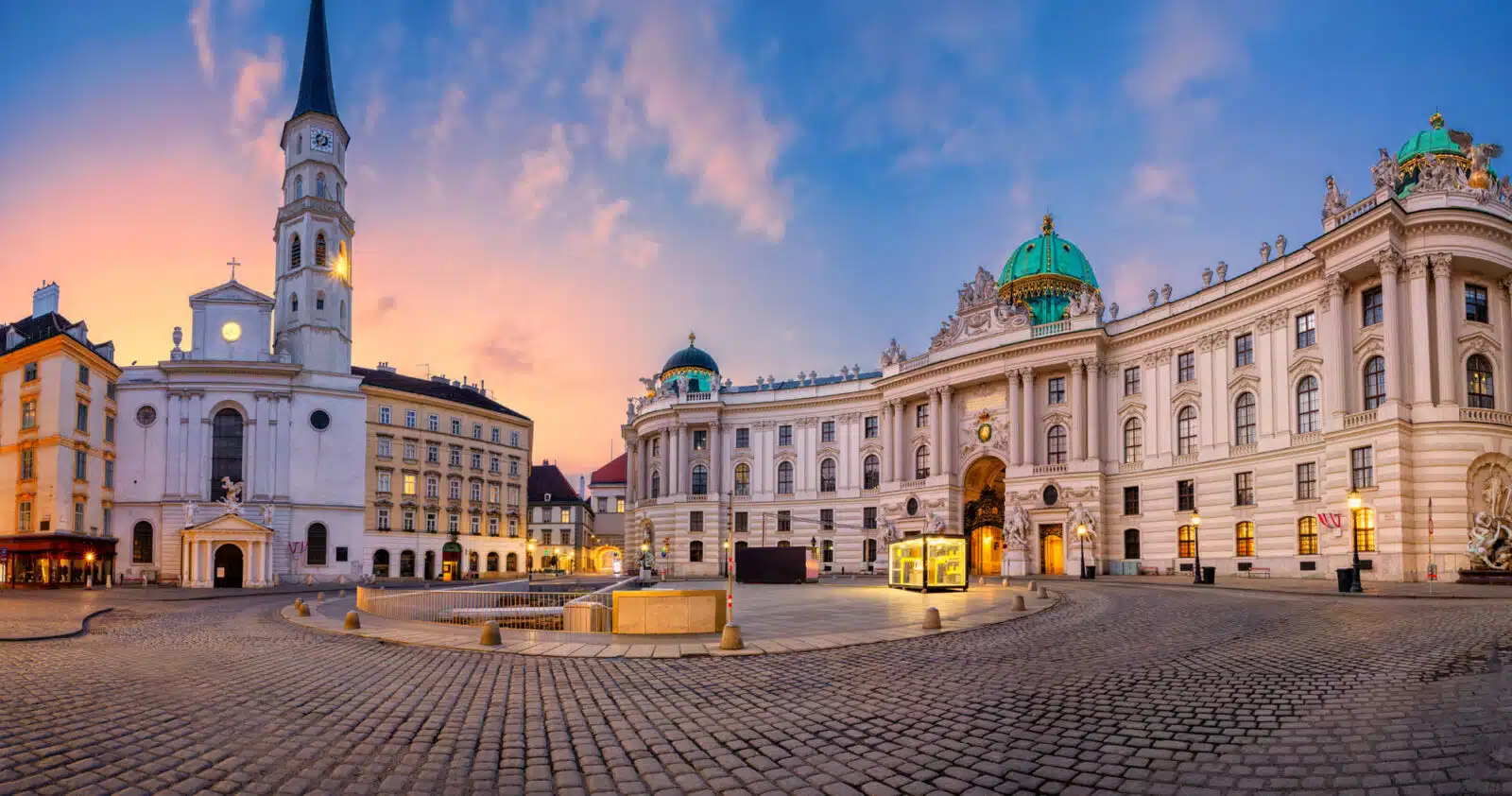
Vienna is one of Europe’s easiest major capitals to recommend to first-time visitors. It gives you grand architecture, refined café culture, heavyweight museums, excellent public transport, and a city center that feels elegant rather than chaotic. You can spend the morning in an imperial palace, the afternoon in a museum or coffee house, and the evening walking illuminated streets around the Ringstrasse without ever feeling like logistics are fighting you.
What makes Vienna especially strong is balance. It has real cultural depth, but it is also practical. The old town is compact, the metro and trams are easy to use, and the headline sights are close enough that a short trip still feels satisfying. This is not a city that only works for art historians or classical music fans. It also works for couples, food travelers, stylish city-break planners, and anyone who wants a polished Europe trip with very little friction.
This guide is built for practical planning: what to prioritize, how many days you need, where to stay, what to eat, how to move around efficiently, and how to shape a first Vienna trip that feels rich instead of rushed.
Essential Info
| Category | Details |
|---|---|
| Country | Austria |
| Currency | Euro (EUR) |
| Language | German |
| Airport | Vienna International Airport (VIE) |
| Best Time | April-May and September-December |
| Ideal Trip Length | 2 full days |
| Best For | Culture, museums, palaces, cafés, elegant city breaks |
| Trip Style | Excellent for first-time independent travel |
Good to know: Vienna feels more manageable than many big European capitals. If you stay central and group your sightseeing by neighborhood, a first trip can be smooth even on a short schedule.
Why Vienna Is Such a Strong Europe Pick
Vienna works especially well when you want a European capital with real substance but not too much stress.
Why travelers love it:
- The historic core is highly walkable and easy to understand
- Imperial sights feel genuinely world-class rather than just famous on paper
- Café culture is part of the trip, not a side activity
- Public transport is excellent, especially for Schönbrunn and Belvedere
- The city looks expensive, but the experience feels efficient because so much is concentrated in a compact area
- It works year-round, whether you want spring sunshine, museum weather, or Christmas-market atmosphere
Vienna is at its best when you mix palace time, slow coffee breaks, one or two major museums, evening walks, and just enough structure to avoid museum overload.
Best Time to Visit Vienna
| Season | What to Expect |
|---|---|
| Apr-May | Mild weather, gardens waking up, strong sightseeing conditions ✅ |
| Jun-Aug | Warmest season, longer days, busier atmosphere |
| Sep-Oct | Pleasant temperatures, great walking weather, slightly calmer feel ✅ |
| Nov-Dec | Colder, moodier, festive markets, cozy café season ✅ |
| Jan-Mar | Quiet and more wintry, good for museums and lower crowds |
Best overall months: May and September for classic city-breaking weather.
Best festive window: late November through December if Christmas markets are part of the goal.
Vienna is one of those cities where winter can still be a strong choice because café culture, concerts, museums, and market squares keep the trip feeling full even in colder weather.
How Many Days Do You Need?
2 days
This is the sweet spot for most first-time visitors. You can cover the old town, one major palace, several landmark interiors, a few café stops, and one museum-heavy block without turning the trip into a sprint.
3 days
Best if you want a more relaxed pace, extra museum time, a concert, deeper food stops, or an easy day trip.
1 day
Possible, but Vienna deserves more than a checklist stop. With only one day, focus on the old town, St. Stephen’s Cathedral, Hofburg area, one café, and a Ringstrasse walk.
Top Experiences in Vienna
1. Walk the Historic Heart of Vienna
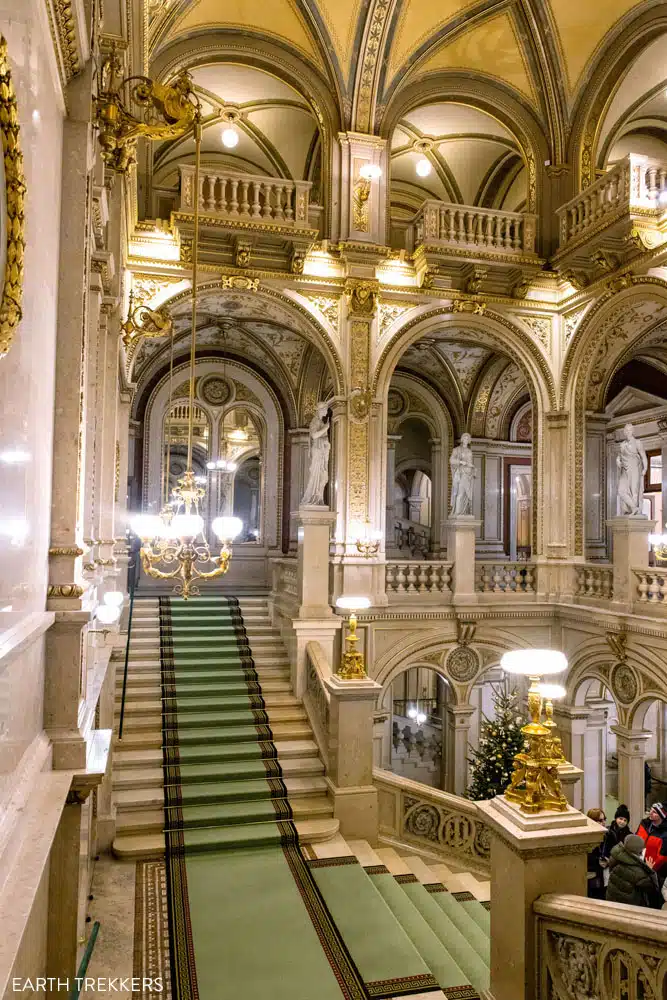
Vienna’s old center is the reason the city works so well for short trips. The Innere Stadt gives you grand streets, elegant façades, church spires, luxury storefronts, and enough café options to let the day breathe between attractions.
Why it matters:
- It is the best way to feel Vienna’s overall character
- Many of the headline sights sit within a manageable walking zone
- It rewards slow wandering, not just monument chasing
Don’t miss:
- Graben
- Kohlmarkt
- Vienna State Opera exterior
- Ringstrasse views
- Smaller side streets between cathedral, Hofburg, and café zones
2. St. Stephen’s Cathedral
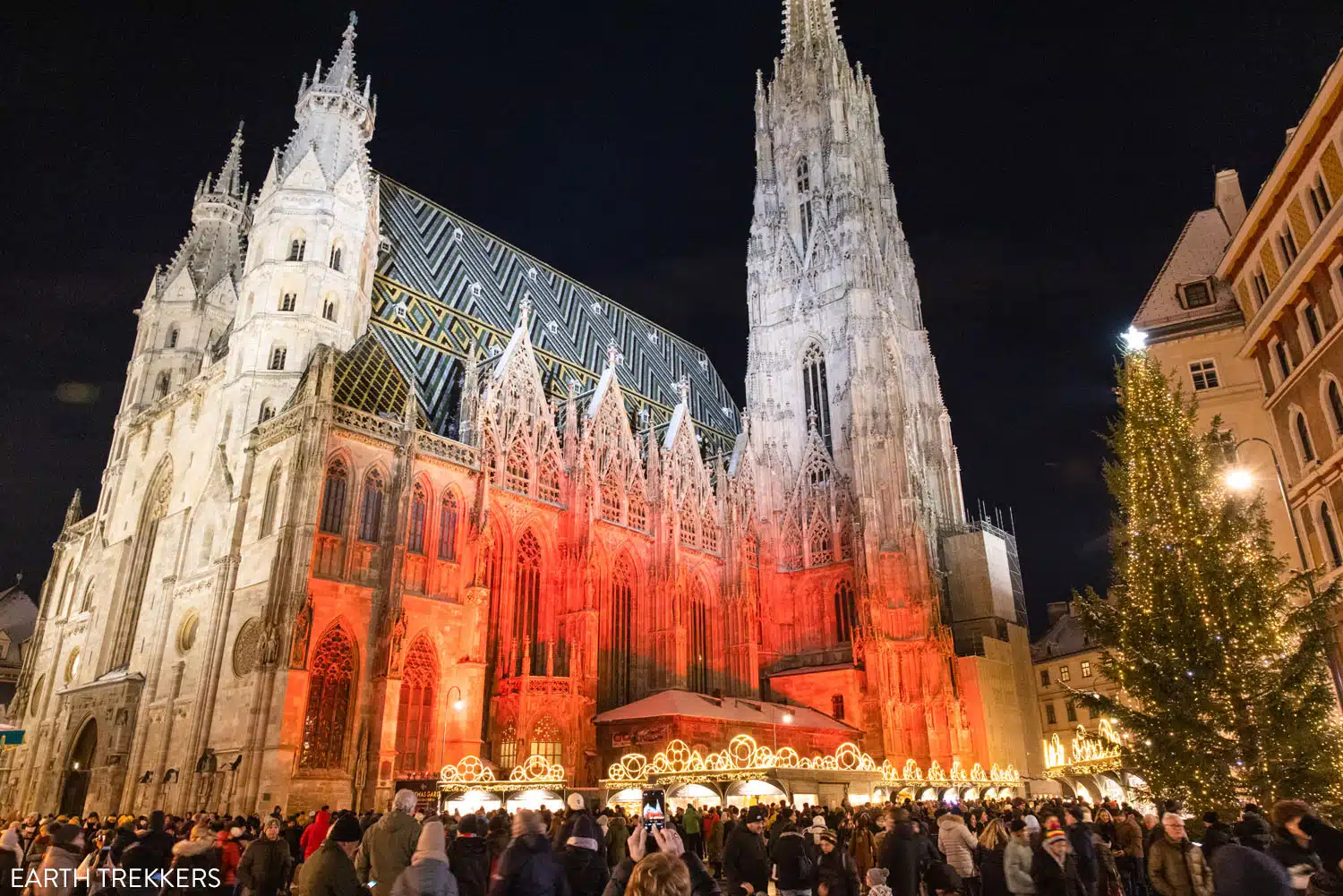
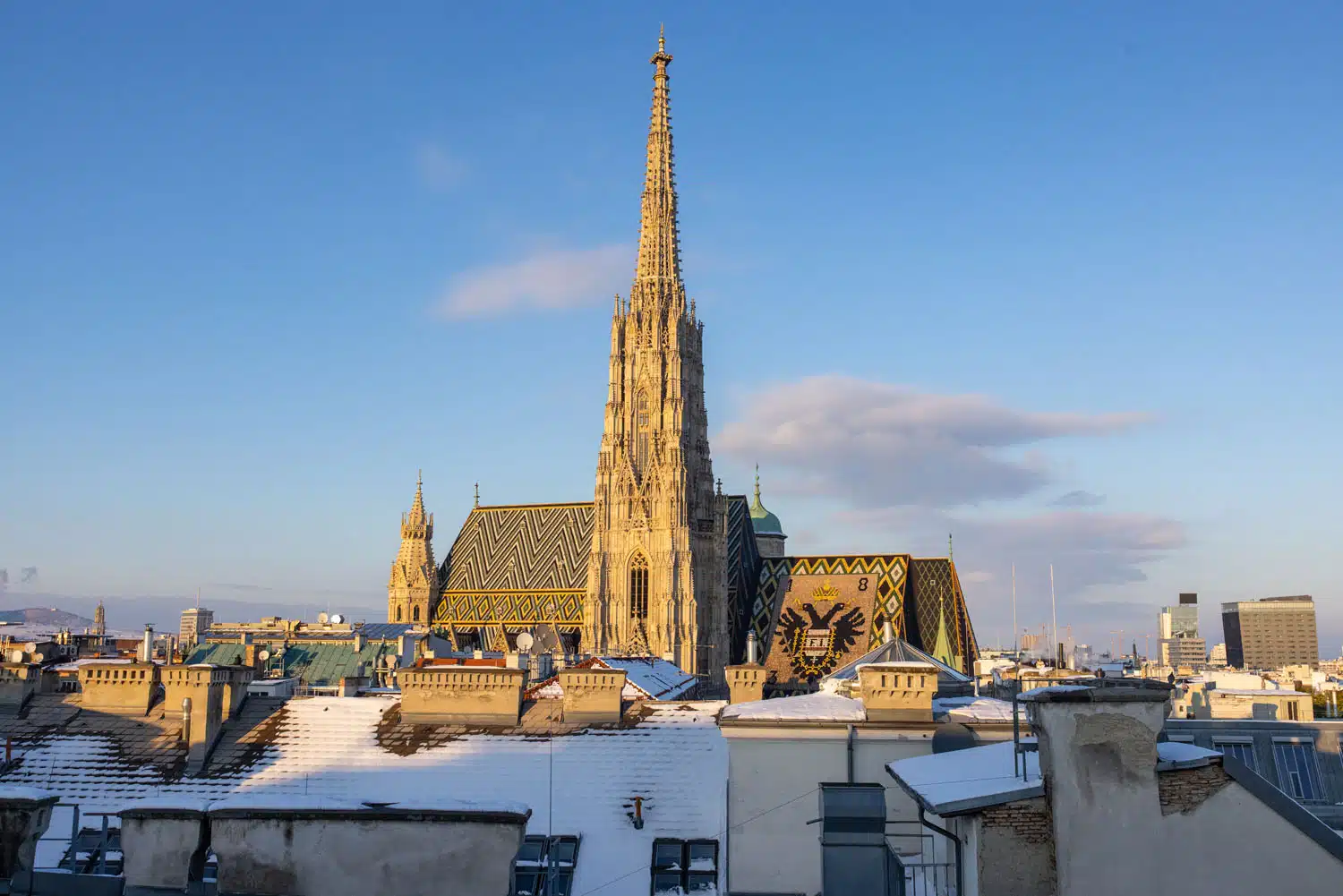
St. Stephen’s Cathedral is one of Vienna’s most important anchor sights and a smart place to orient your first day. It sits right in the center of the city and connects naturally to shopping streets, cafés, and the wider historic core.
Why go:
- Major architectural landmark in the heart of town
- Easy to pair with walking routes and food stops
- Strong view potential if you climb for a city overview
If you only do one church in Vienna, this is the obvious choice.
3. Hofburg Palace & the Imperial Story
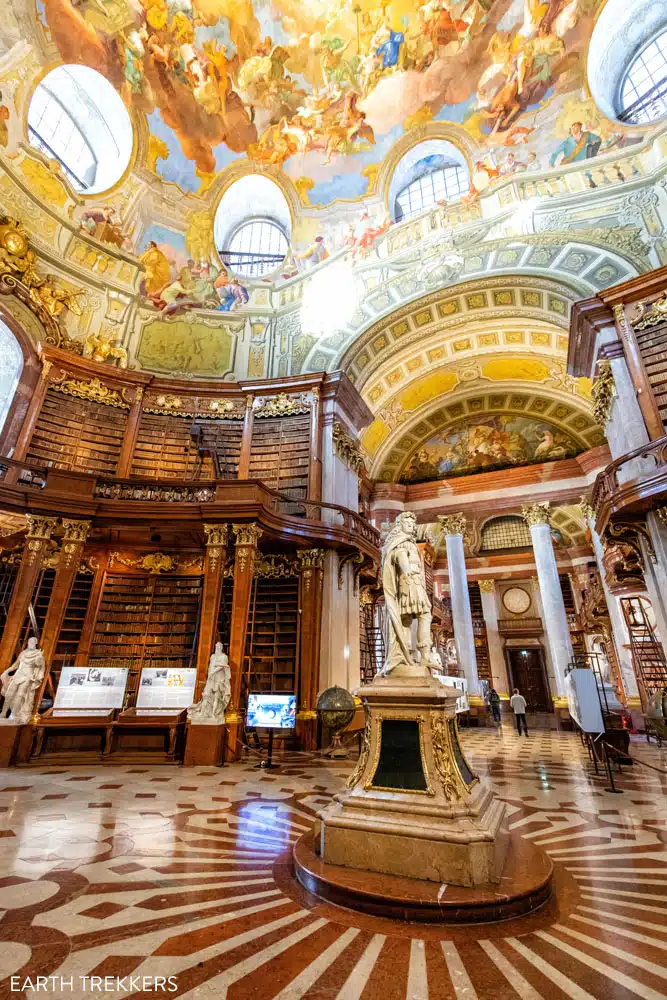
The Hofburg area is where Vienna becomes more than just pretty streets. This former imperial complex explains the Habsburg scale of the city and gives first-timers a better sense of why Vienna feels so grand.
What makes the area worth prioritizing:
- Imperial Apartments and palace context
- Austrian National Library for one of the city’s most photogenic interiors
- Spanish Riding School and treasury options nearby
- Strong connection between history, architecture, and atmosphere
Smart strategy: don’t try to do every Hofburg attraction in one visit. Pick one or two highlights and keep the rest of your day balanced.
4. Schönbrunn Palace
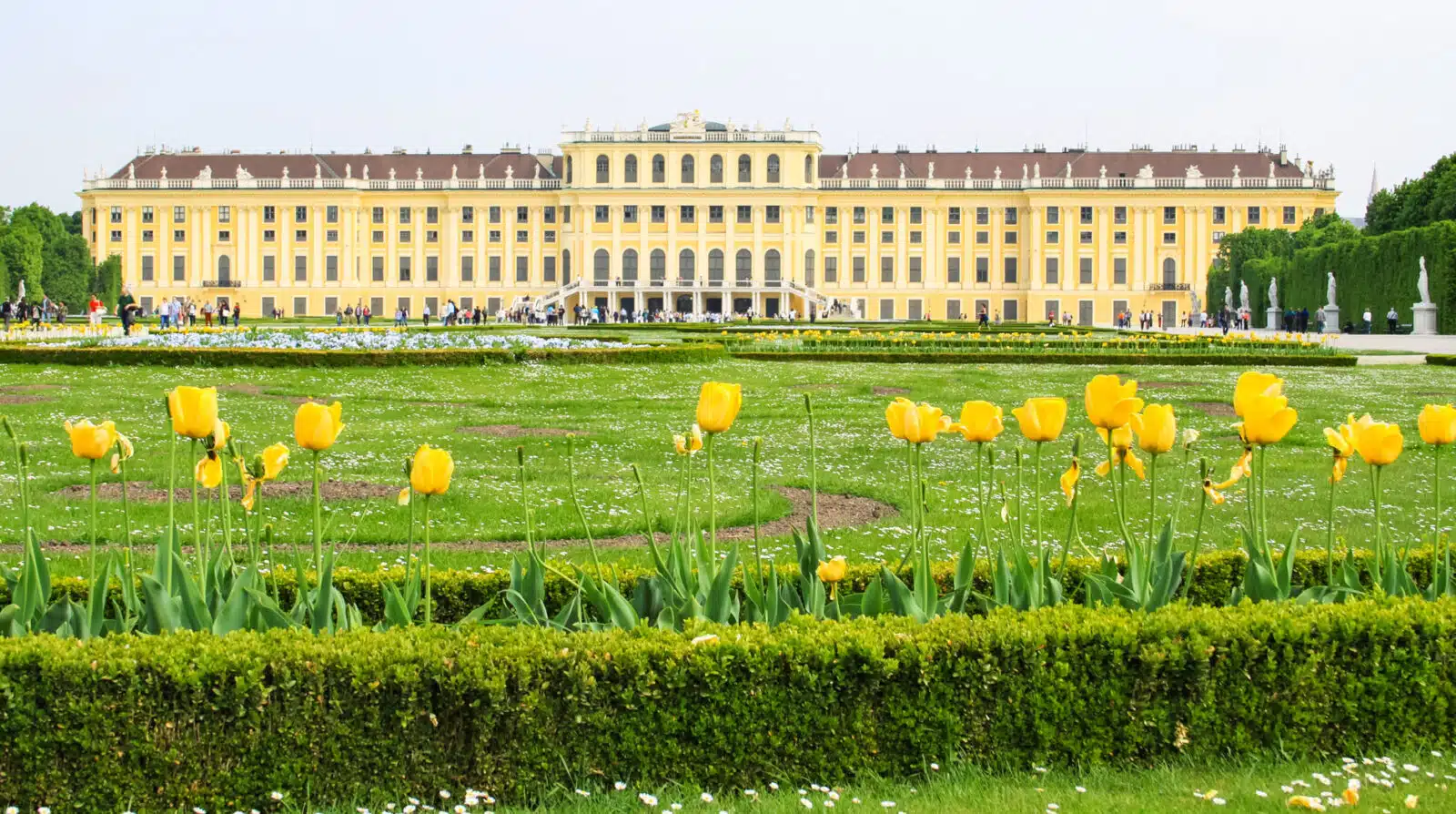
Schönbrunn is the palace most first-time visitors should prioritize if they want one major imperial showpiece. The palace, gardens, and elevated views from the Gloriette make it feel much bigger and more complete than a quick interior-only visit.
Why it works so well:
- Signature Habsburg sight with real visual impact
- Easy metro access from the center
- Good mix of interiors, formal gardens, and open-air walking
- Better sense of imperial lifestyle than a rushed checklist stop elsewhere
Best approach: go in the morning, then return to the center for a slower lunch and a lighter afternoon.
5. Belvedere Palace
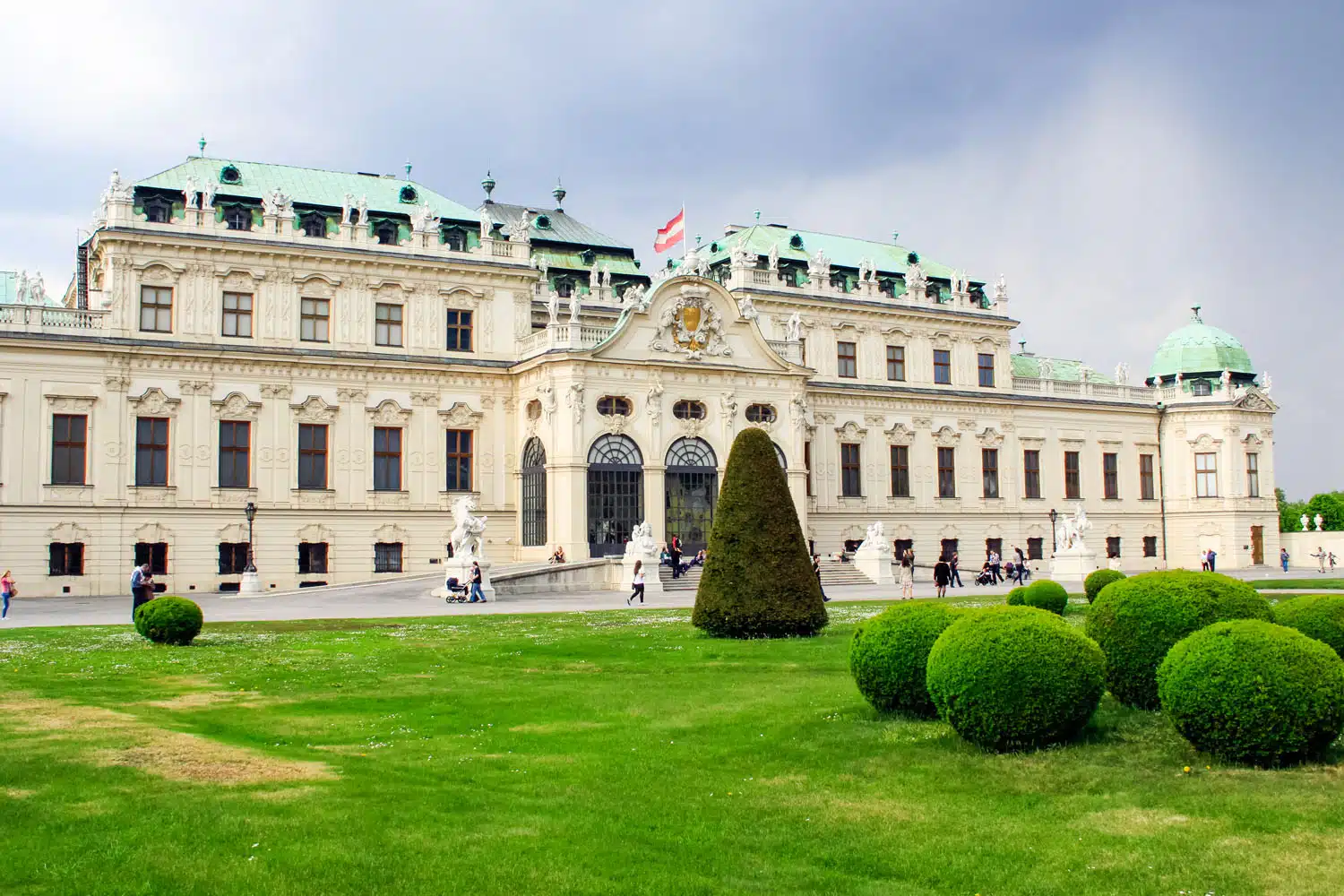
Belvedere is the smartest museum-palace combination for travelers who want beauty without feeling buried in options. You get a stately setting, landscaped grounds, and one of Vienna’s most famous art collections, including Klimt’s The Kiss.
Best for:
- Art lovers who want one major gallery stop
- Travelers who prefer a palace with strong visual payoff
- People looking for a lighter cultural block than an all-day museum marathon
If your trip includes only one art-heavy stop, Belvedere is often the most satisfying first pick.
6. Viennese Café Culture
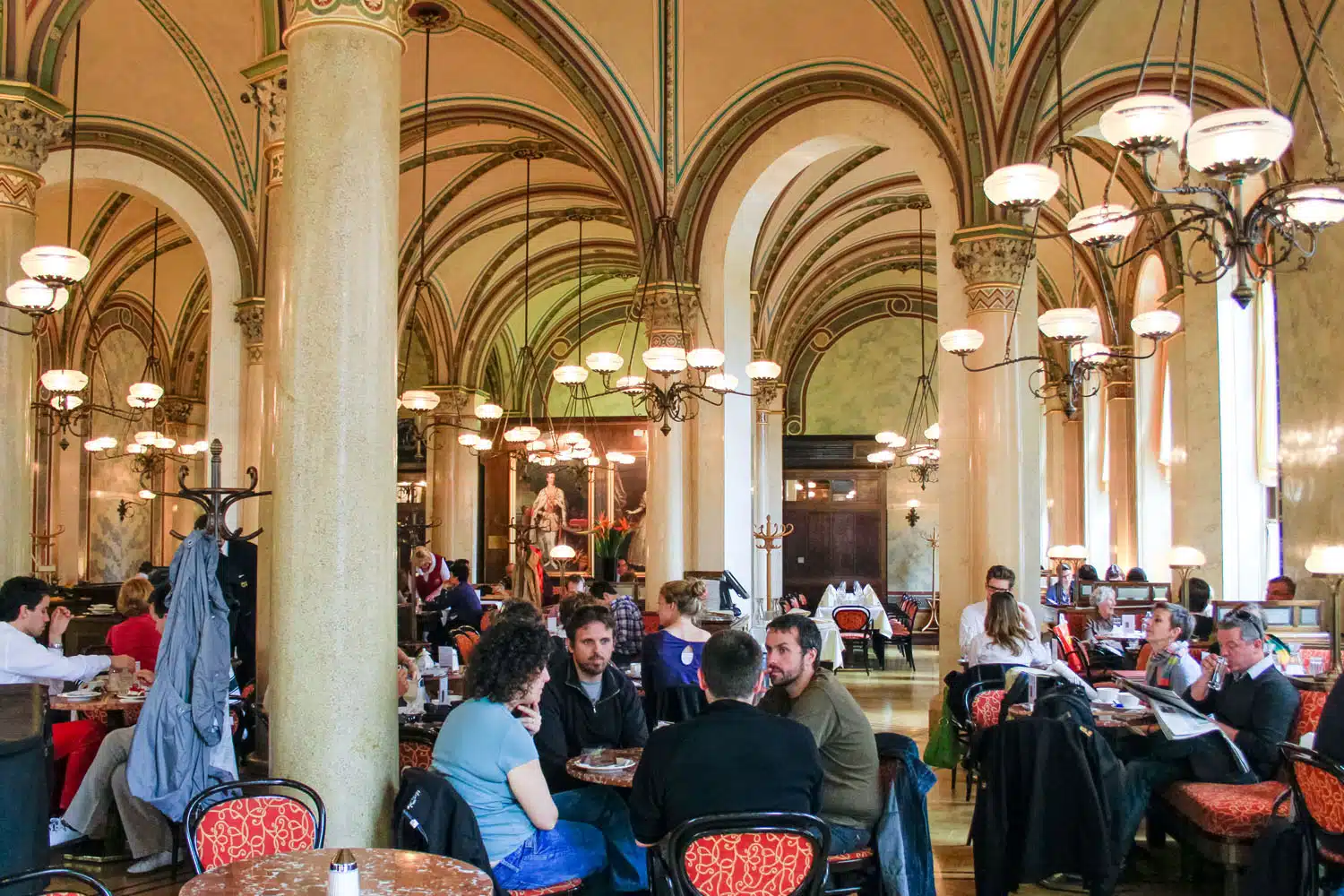
Vienna is not a city where coffee is just a caffeine stop. The café tradition is part ritual, part design experience, part social rhythm. It is one of the clearest reasons Vienna feels different from other capital-city breaks.
Classic names to know:
- Café Central for grandeur and old-world atmosphere
- Café Sacher for the famous cake connection
- Demel for pastry culture and old-school elegance
What to try:
- Sacher torte
- Pastries and tortes
- Melange or classic coffee drinks
- A long breakfast or late-afternoon pause instead of grab-and-go coffee
Vienna rewards travelers who schedule time to sit, not just time to see.
Where to Stay in Vienna
| Area | Why Stay Here | Best For |
|---|---|---|
| Innere Stadt | Most central, best atmosphere, easy walking access | First-timers, short trips |
| Near Stephansplatz | Strong location for transport and old-town exploration | Convenience-focused travelers |
| Ringstrasse / Opera area | Elegant, connected, good for museums and upscale stays | Couples, premium city breaks |
| MuseumQuartier / Spittelberg | Trendier feel with strong food and culture access | Repeat visitors, slower travelers |
| Westbahnhof area | Better value and still well connected by metro | Budget-conscious travelers |
Best first-time base
If this is your first trip, stay as central as your budget allows. Vienna becomes dramatically easier and more enjoyable when you can walk to breakfast, your first landmark, and your evening dinner zone.
Best-value strategy
If central luxury pricing feels high, stay just outside the historic core near a reliable metro stop rather than far away. Vienna’s transport is good enough that you do not need to overpay for every room night.
What to Eat in Vienna
Vienna’s food scene is more satisfying than many travelers expect. It is not only about pastry and nostalgia. The city does casual local food, classic coffee houses, polished dining rooms, and solid modern restaurants very well.
What to try
- Wiener schnitzel
- Goulash
- Sausages from a Würstelstand
- Sacher torte
- Pastries and coffee-house breakfasts
Good food rhythm for a short trip
- Start one day with a formal café breakfast
- Keep one lunch lighter and faster between palace visits
- Use a sausage stand or casual meal when your sightseeing schedule is packed
- Save one dinner for a more memorable setting or rooftop view
Useful names from the source
- Onyx for a high-view dining experience near St. Stephen’s Cathedral
- Puerstner for traditional Austrian dishes
- SKY @ STEFFL for rooftop views and drinks
Vienna is a city where one elegant coffee break can improve the whole day more than squeezing in an extra attraction.
How to Get Around Vienna
Vienna is one of Europe’s most user-friendly capitals for first-time visitors.
Walking
The historic center is highly walkable, and many core sights connect naturally on foot.
Metro
Use the metro for longer hops and especially for reaching Schönbrunn efficiently.
Tram
The Ringstrasse tram routes are both practical and scenic. Even if you are not chasing transport nostalgia, riding the tram is an easy way to understand the city’s structure.
Taxi / rideshare
Useful late at night or when crossing wider gaps, but most first-time trips do not need many rides if you stay central.
Vienna City Card
If you expect to use public transport frequently, the Vienna City Card can be worth considering. Its biggest benefit is convenience, with attraction discounts as a secondary bonus.
Smart 2-Day Vienna Itinerary
Day 1 — Historic Core, Hofburg & Café Time
- Start at St. Stephen’s Cathedral
- Walk Graben and Kohlmarkt
- Explore the Hofburg area
- Choose one major imperial interior, ideally the Austrian National Library or palace apartments
- Break for a proper café stop
- End with an Opera / Ringstrasse / central old-town evening walk
Day 2 — Schönbrunn, Belvedere & a Strong Finish
- Go early to Schönbrunn Palace
- Return to the center for lunch
- Spend the afternoon at Belvedere Palace or another major museum
- Use late afternoon for shopping streets, pastries, or a slower coffee break
- End with rooftop drinks, a concert, or an elegant dinner
If you have a third day
Use it for one of these:
- Deeper museum time
- A Danube-side or Prater detour
- Christmas markets in winter
- A day trip to Bratislava
Day Trips from Vienna
Vienna is a strong base city, but it also connects well to several easy add-ons.
Bratislava
The smartest short day trip. It is compact, colorful, and close enough to feel worthwhile without overwhelming the schedule.
Hallstatt
Beautiful and famous, but better for travelers who truly want a long scenic day and do not mind heavier transit time.
Salzburg
Stronger than Hallstatt for travelers who want a bigger city experience, but it deserves more time than a rushed half-day.
Best first add-on: Bratislava, because the payoff-to-effort ratio is excellent.
Sample Budget
| Travel Style | Daily Budget |
|---|---|
| Budget | €80-120 |
| Mid-range | €150-250 |
| Comfort / Premium | €300+ |
Why Vienna feels manageable
- You can do a lot on foot in the center
- Public transport is efficient and not stressful to use
- A short trip still feels complete without constant taxis or day tours
- Café culture gives you strong “experience value” even between paid attractions
Best ways to save money
- Stay slightly outside the core but near metro lines
- Choose one or two paid interiors rather than every possible palace ticket
- Use cafés strategically instead of expensive sit-down meals every time
- Walk the center instead of overusing taxis
Practical Tips
✅ Group your sightseeing by area instead of zigzagging across the city
✅ Book palace or major interior tickets ahead in busy months
✅ Give café time real space in the itinerary
✅ Use the metro for Schönbrunn rather than wasting energy on complicated routing
✅ If you visit in December, lean into markets and evening atmosphere, not just museums
⚠️ Main mistake: treating Vienna like a place where you must see everything indoors. The city works better when you combine interiors with walks, streets, and slow breaks.
FAQ
Is Vienna worth visiting for first-time Europe travelers?
Yes. It is elegant, easy to navigate, historically rich, and very forgiving for short trips.
How many days do I need in Vienna?
Two full days is the sweet spot for a first trip. Three is better if you want a more relaxed pace or a day trip.
Is Vienna expensive?
It can be, especially for central hotels and premium dining, but the city is efficient enough that short trips still feel high-value.
What should I prioritize first?
St. Stephen’s Cathedral, the old town, Hofburg, Schönbrunn, one café experience, and either Belvedere or another major museum.
Is Vienna walkable?
Very much so in the core. Walking plus metro is the best combination.
You May Also Like
Final Take
Vienna is one of Europe’s most polished first-timer cities because it does not force you to choose between beauty and convenience. You get imperial scale, famous art, serious history, and some of the continent’s best café culture in a capital that remains calm, legible, and rewarding on foot.
For most travelers, the winning formula is simple: base yourself centrally, give one day to the historic core, one day to Schönbrunn and a major museum, and leave enough room for pastry, coffee, and evening light on elegant streets.
That is when Vienna stops feeling formal and starts feeling addictive.
Source: Earth Trekkers — How to Plan a Trip to Vienna: A Guide for First Timers