Paris Travel Guide 2026: Eiffel Tower, Louvre, Seine Walks & a Smart 3-Day Itinerary
Published: May 29, 2026
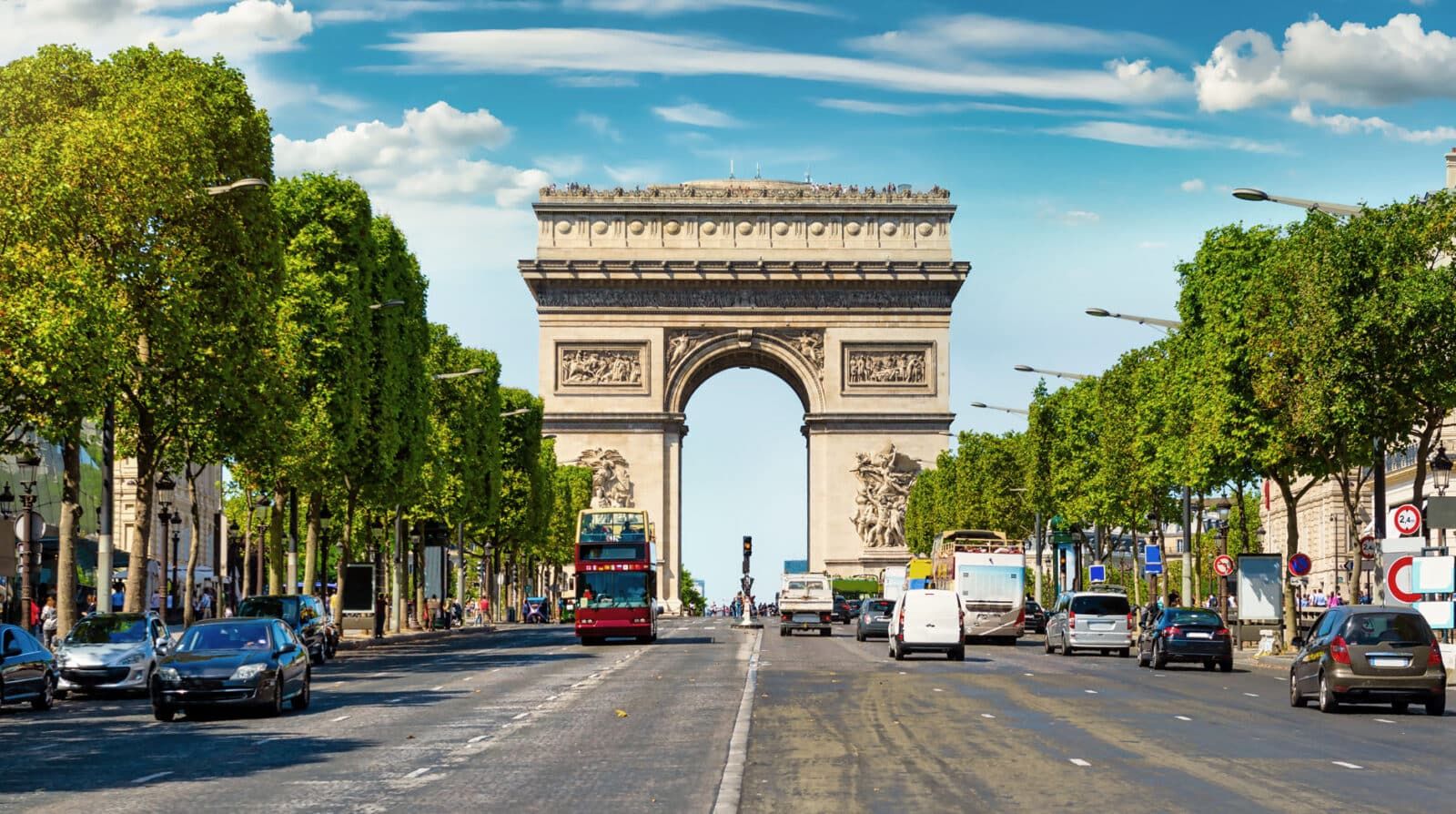
Paris is one of those cities that can easily collapse into cliché if you plan it badly. Yes, the icons are real—the Eiffel Tower, the Louvre, the Seine, Montmartre, café terraces—but the city only feels magical when the trip has rhythm. That means pairing the headline sights with neighborhood walking, building around museum timing, staying central enough to move mostly on foot, and leaving room for long lunches or late rooftop views.
For first-time visitors, Paris works best as a smart 3-day city break. That gives you enough time for the big monuments, one deep museum day, one historic-center day, and either Versailles or a slower neighborhood-focused final day. Try to do everything in 48 hours and the city can feel like a queue. Give it a little structure and it becomes one of Europe’s strongest short trips.
This guide is built for traveler utility: what to prioritize, how many days you need, where to stay, how to get around, what to book ahead, and how to shape a first Paris trip that feels polished instead of frantic.
Essential Info
| Category | Details |
|---|---|
| Country | France |
| Currency | Euro (EUR) |
| Language | French |
| Airports | Charles de Gaulle (CDG) and Orly (ORY) |
| Best Time | April-May and September-October |
| Ideal Trip Length | 3 full days |
| Best For | Art, architecture, food, romantic city breaks, first-time Europe trips |
| Trip Style | Great for couples, solo travelers, culture-first trips, and classic Europe itineraries |
Good to know: Paris rewards early starts, advance reservations, and a central hotel base. The city is highly walkable in the core, but the experience gets much easier when you book timed entries and avoid zigzagging across town.
Why Paris Is Still Worth It
Paris is not underrated and it does not need a hard sell. The real question is whether it still delivers at first-trip level in 2026. The answer is yes—if you approach it intelligently.
Why Paris remains such a strong destination:
- The landmark density is exceptional for a short city break
- The neighborhoods feel distinct, so the trip has texture beyond monuments
- Museums are world-class, but you can balance them with river walks and café time
- Public transport is excellent, which reduces friction if you stay central
- It scales well from a 2-day highlight trip to a longer France itinerary
- The food-and-evening culture is part of the destination, not just a side benefit
Paris is best when you think in zones and moods rather than treating it like a race between attractions.
Best Time to Visit Paris
| Season | What to Expect |
|---|---|
| Apr-May | Mild weather, longer days, gardens waking up, strong sightseeing balance ✅ |
| Jun-Aug | Long daylight and lively energy, but heavier crowds and higher prices ⚠️ |
| Sep-Oct | Excellent walking weather, slightly softer crowd pressure, great all-round choice ✅ |
| Nov-Mar | Cooler, moodier, often cheaper, still rewarding for museums and cafés ✅ |
Best overall months: April, May, September, and October.
When to be careful: Peak summer can still be wonderful, but Paris becomes more expensive, more crowded, and less forgiving if you have not booked headline sights early.
How Many Days Do You Need?
2 days
Enough for the Eiffel Tower, the Louvre or Musée d’Orsay, the historic center, Montmartre, and one good evening. It works, but it will feel packed.
3 days
The sweet spot for most first-time visitors. You can cover the core icons, explore central neighborhoods properly, and still fit in either Versailles or a more relaxed final day.
4 days+
Best if you want multiple museums without fatigue, more shopping and food time, or extra side trips.
Top Experiences in Paris
1. Start with the Eiffel Tower, But Do It Strategically
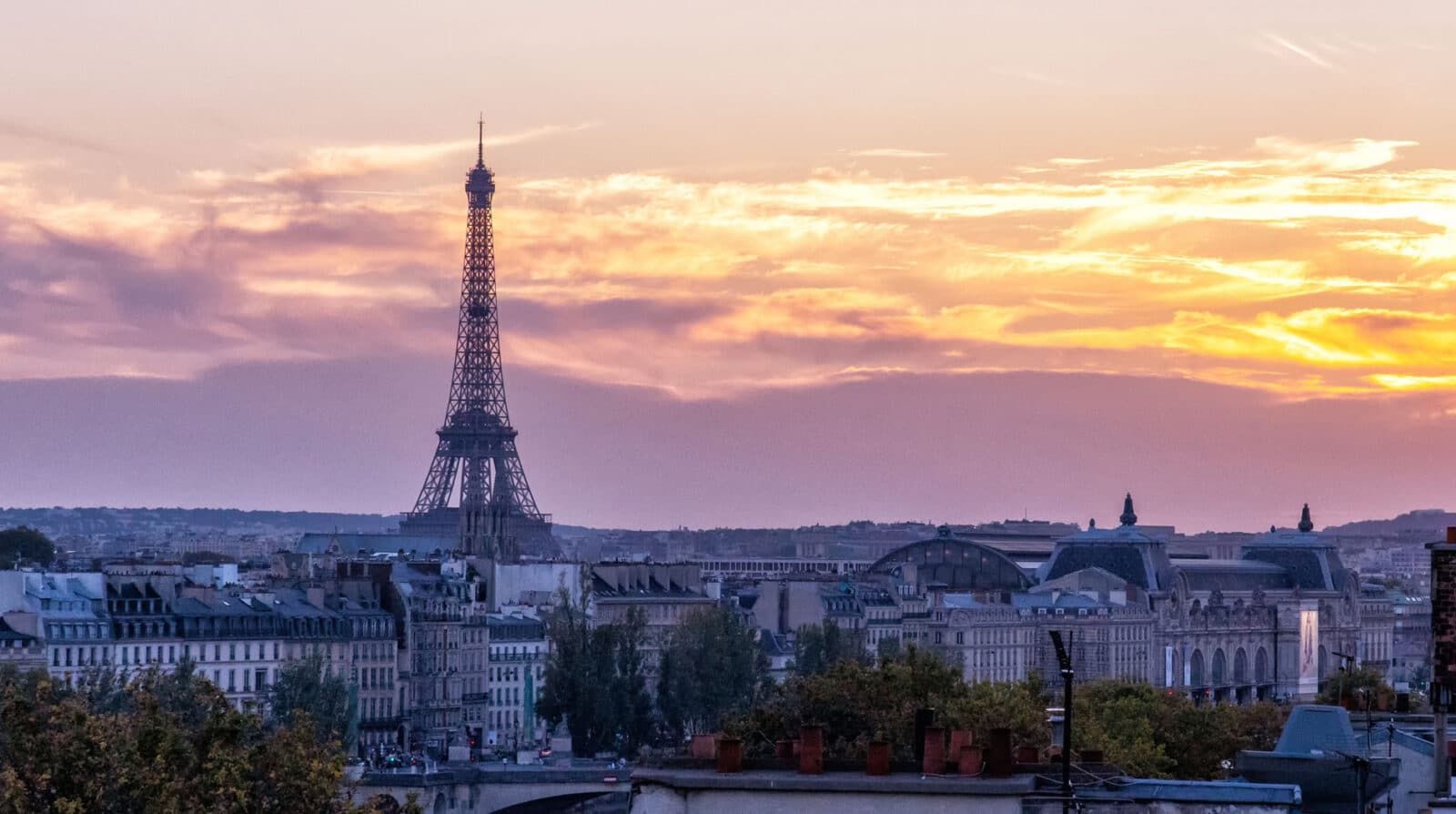
The Eiffel Tower is still the emotional anchor for a first Paris trip. Even travelers who think they are above iconic landmarks usually end up loving it once they are there.
What makes it worth prioritizing:
- It gives the trip its instant Paris feeling
- The surrounding zone is highly photogenic
- The tower works well as a morning anchor for a smart Day 1 route
- Views from above help the city make sense geographically
The real key is timing. Book in advance, go early if possible, and avoid building your day around an uncertain same-day queue. Pair it with Trocadéro, Champ de Mars, or a nearby picnic-style lunch rather than treating it as a standalone checkpoint.
Smart planning tip: if summit tickets are gone, the lower viewing levels still give you a strong experience without wrecking the day.
2. Build One Day Around the Louvre, Tuileries, Champs-Élysées, and Arc de Triomphe
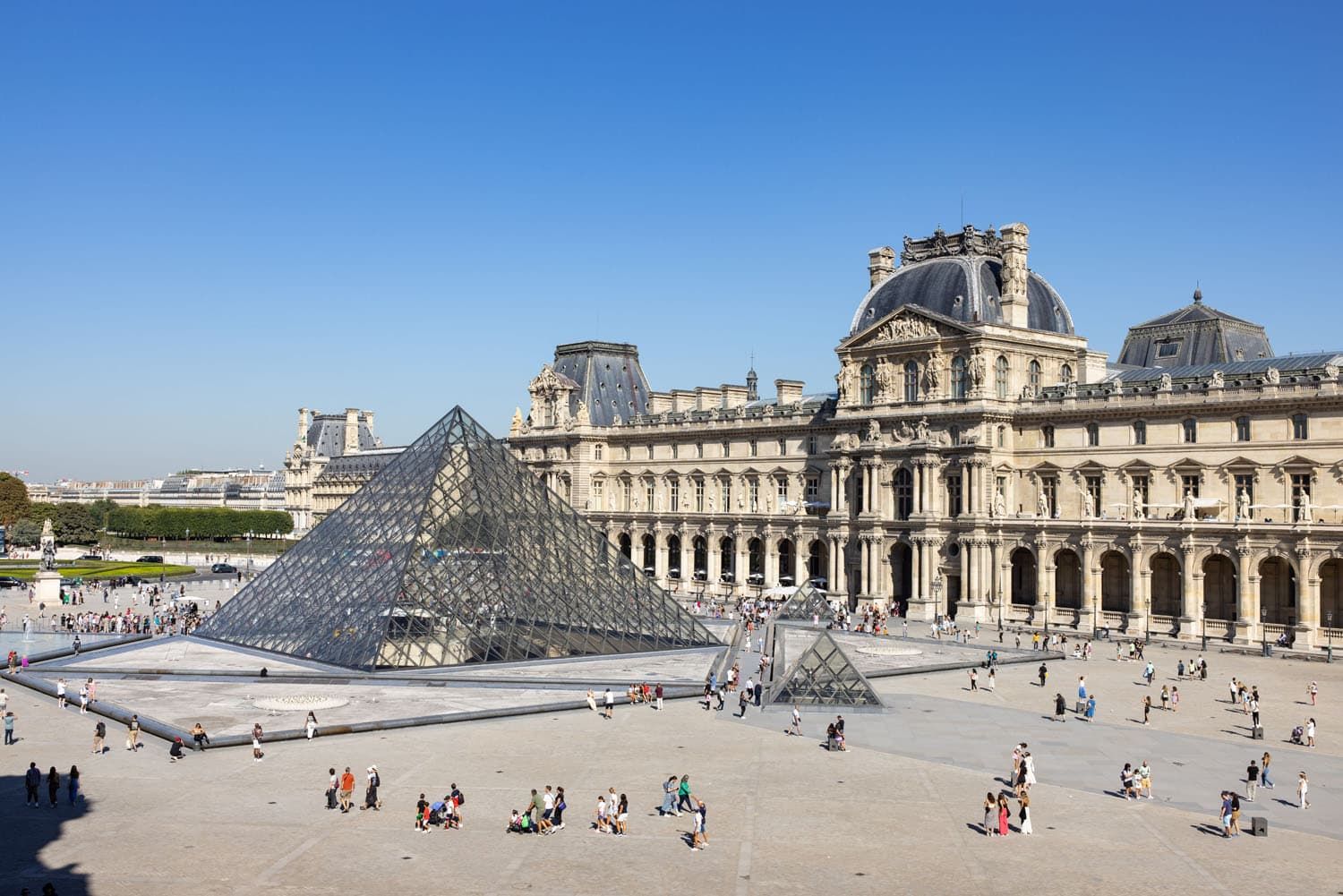
Paris becomes much easier when you group its major Right Bank icons together. The Louvre, Tuileries, Place de la Concorde, Champs-Élysées, and Arc de Triomphe create a natural first-timer corridor.
Why this route works so well:
- The transitions feel elegant and logical
- You can mix museum time with outdoor walking
- It balances culture, architecture, and classic boulevard energy
- It ends strongly with elevated city views from the Arc de Triomphe
The Louvre deserves real selectivity. Do not try to conquer it. Pick a few priority wings or masterworks and accept that the goal is a memorable visit, not total coverage.
Best strategy: reserve Louvre tickets in advance, go in with a plan, and keep enough energy for the late-afternoon boulevard walk toward the Arc.
3. Give the Historic Center of Paris Its Own Proper Block of Time
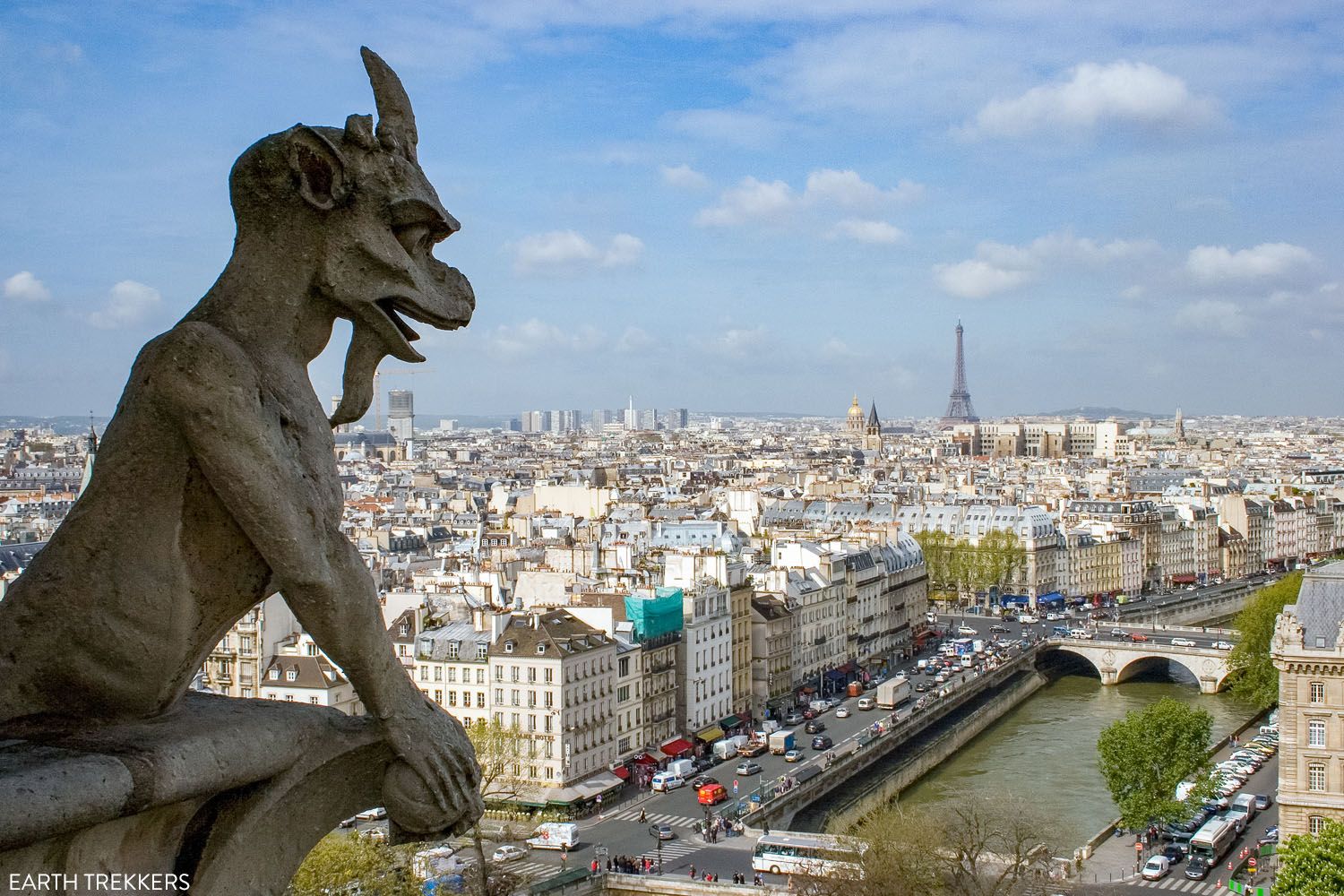
The historic core around Île de la Cité, Notre Dame, Sainte-Chapelle, and the Seine is where Paris shifts from monumental to atmospheric. It is also where many first-timers accidentally rush.
This area matters because:
- It gives you old Paris texture, not just monumental scale
- Notre Dame and Sainte-Chapelle are stronger in context, when visited as part of the wider zone
- Seine-side walking is one of the city’s most enjoyable free experiences
- It connects naturally to the Latin Quarter or Saint-Germain
If you only photograph the cathedral and move on, you miss the point. The islands, bridges, embankments, and side streets are part of the reward.
Best approach: use this area for a slower day—cathedral zone in the morning, river walking and lunch in the middle of the day, then a museum or neighborhood shift later.
4. Save One Evening for Montmartre and Sacré-Cœur
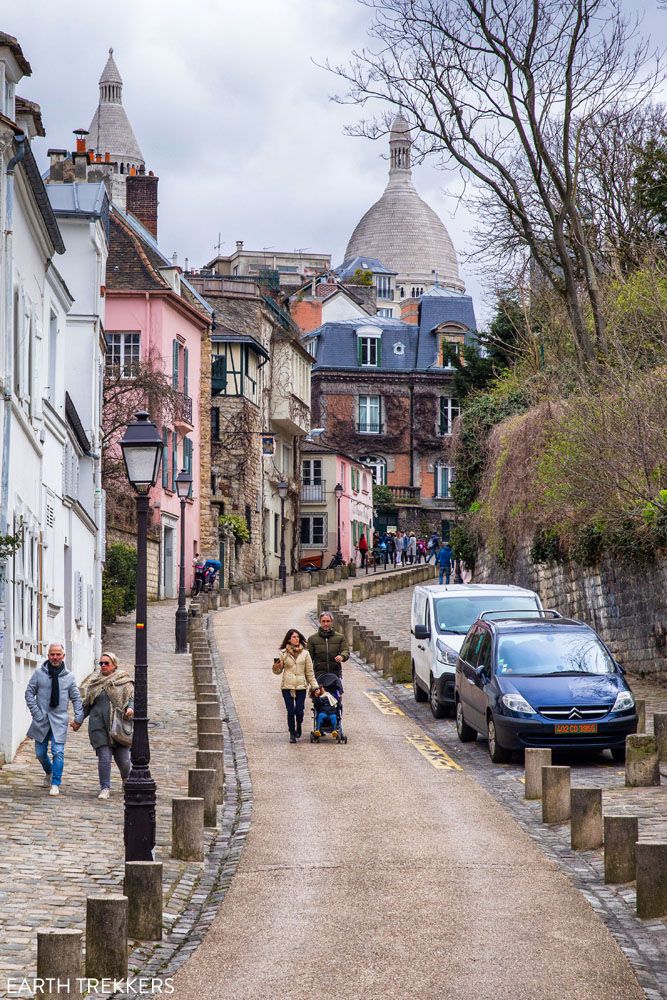
Montmartre gives Paris some of its most cinematic street atmosphere: hilltop views, stairways, village-style corners, café life, and one of the city’s best late-day moods.
Why it belongs on a first trip:
- It feels visually different from the central monument belt
- Sacré-Cœur gives you a dramatic city panorama
- It works beautifully in the evening light
- It adds neighborhood character after heavier museum time
Montmartre is strongest when you wander a bit beyond the biggest photo stops. Stay for dinner, a glass of wine, or a slower post-sunset walk instead of leaving the second you tick off Sacré-Cœur.
5. Lean Into the Paris Evening Rhythm: Rooftops, River Walks, and Long Dinners
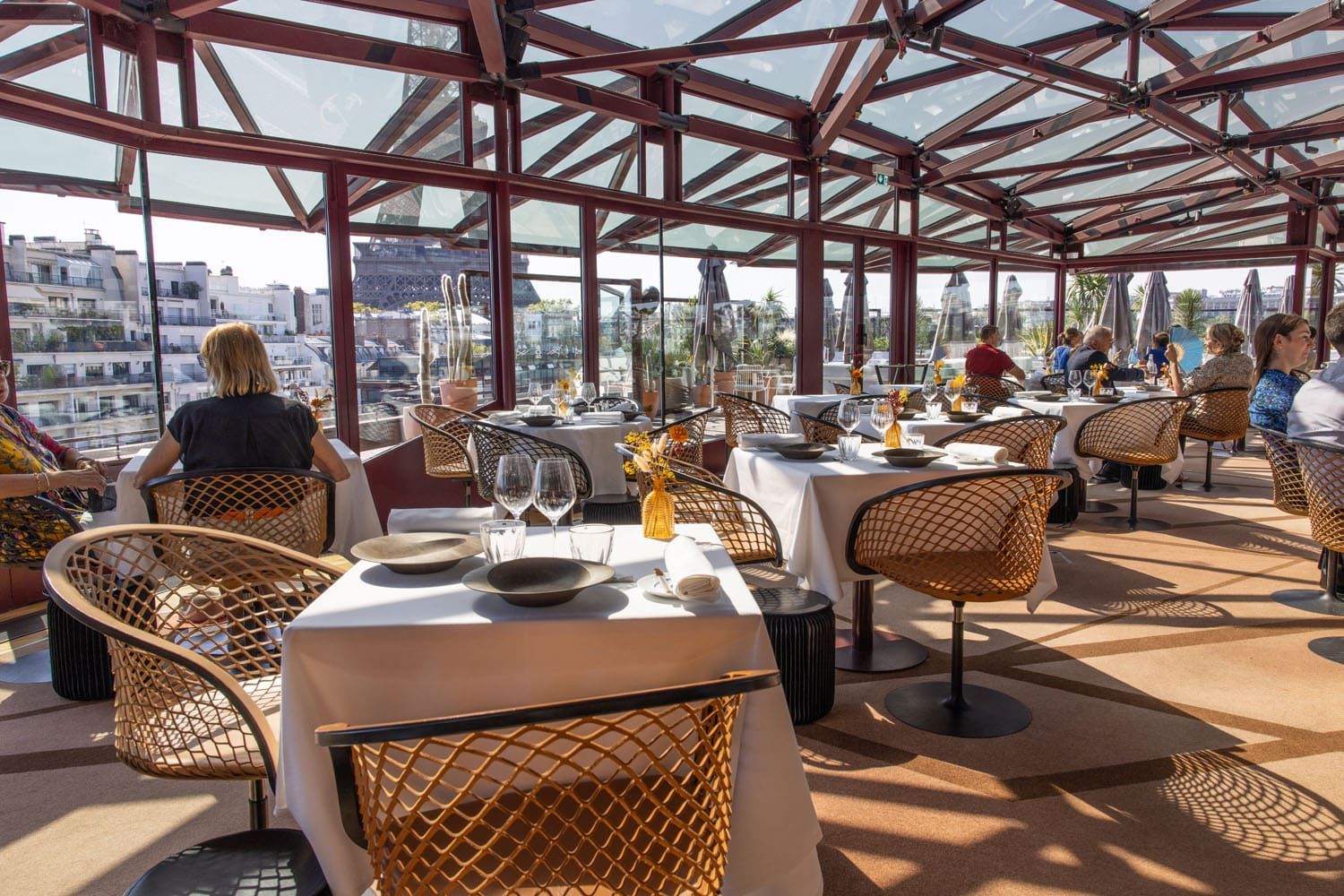
Paris is not a city to finish by 7 p.m. Some of its best energy arrives after the museum hours end.
What to prioritize at night:
- A rooftop bar or restaurant with skyline views
- A Seine walk or river cruise if you want a classic first-time experience
- A long dinner in a neighborhood that still feels lively after dark
- A final late stop in Le Marais, Saint-Germain, or Montmartre
This is where Paris starts to feel less like a sightseeing itinerary and more like a real trip.
6. Use Day 3 for Versailles or a Slower Paris Finish
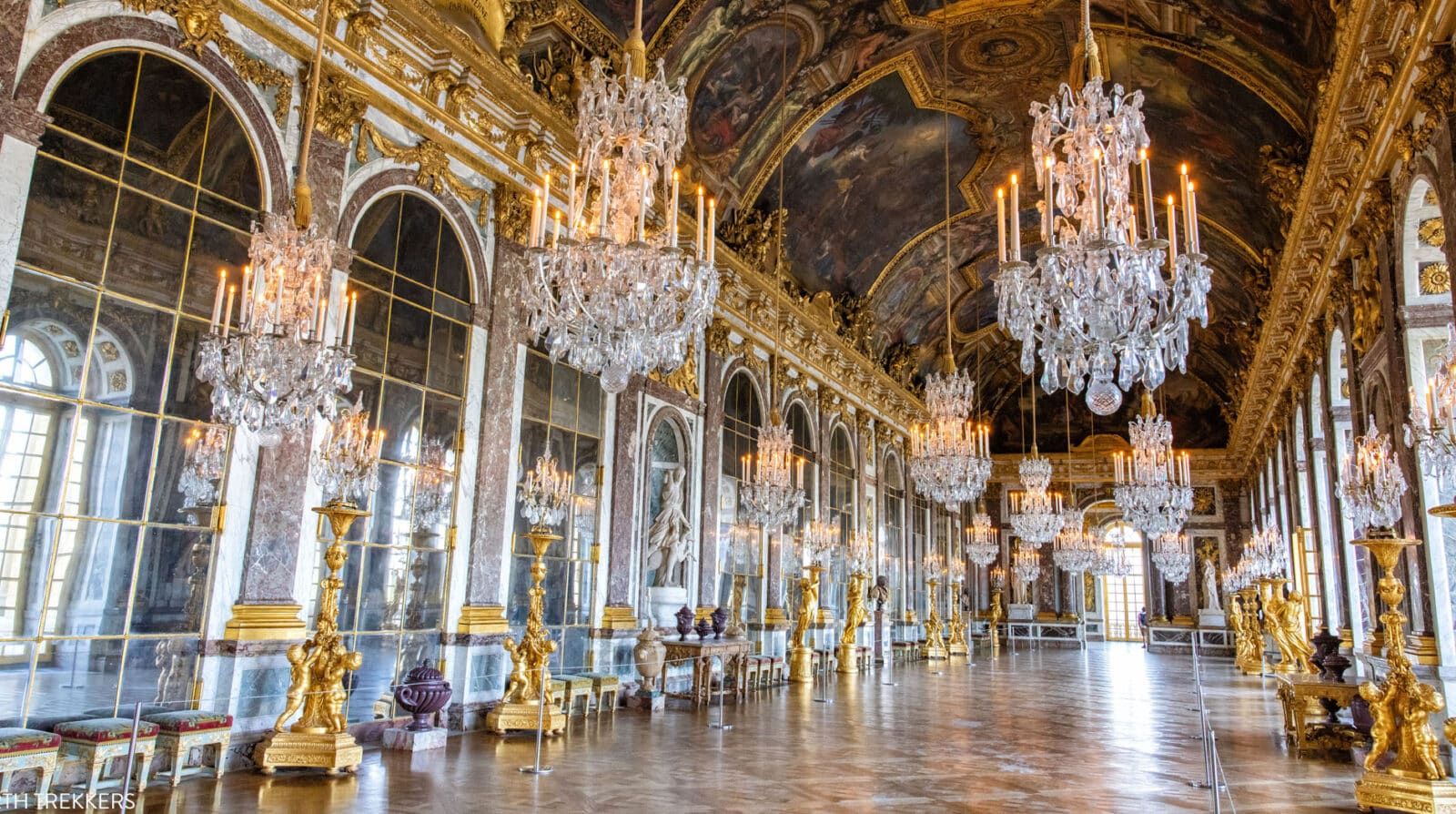
If you have a full third day, you have two strong choices.
Option A: Versailles
- Best if this is your first France trip and palace history appeals to you
- Works well for travelers who like iconic day trips and formal gardens
- Requires earlier planning and more time discipline
Option B: More Paris
- Best if you prefer a more relaxed city trip
- Lets you add Le Marais, Saint-Germain, a second museum, shopping, or longer food breaks
- Often creates a better emotional finish than overextending yourself
There is no wrong answer here. The smart choice depends on whether you want one more major landmark or a softer, more local-feeling final day.
Where to Stay in Paris
| Area | Why Stay Here | Best For |
|---|---|---|
| Le Marais | Central, stylish, easy for food and walking | First-timers, couples, design-conscious travelers |
| Saint-Germain-des-Prés | Classic Left Bank feel, cafés, polished atmosphere | Culture-first travelers, romantic trips |
| 7th arrondissement | Elegant, quieter, close to the Eiffel Tower | Comfort-focused travelers |
| Latin Quarter | Energetic, student-friendly, practical for sightseeing | Budget-to-mid-range travelers |
| Opéra / 1st arrondissement | Strong transport links, shopping, easy city access | Efficient first trips, shorter stays |
Best first-time base
For most travelers, Le Marais, Saint-Germain, or the central 1st/6th are the easiest all-round choices.
Best-value advice
Do not save a little on hotel price only to lose time and energy on daily transport. Paris feels much better when you can walk to breakfast, return briefly in the afternoon, and head out again for dinner without a long commute.
What to Eat in Paris
Paris has enough culinary hype to tempt people into overplanning every meal. You do not need that. You just need a few strong categories and one or two intentional dinners.
What to prioritize
- Croissants and good bakery breakfasts
- French onion soup, steak-frites, or simple bistro classics
- Cheese and charcuterie boards
- Macarons or pâtisserie stops
- Wine bar evenings and one slower sit-down dinner
Best food rhythm
- Start at least one day with a bakery breakfast
- Keep one lunch flexible near sightseeing zones
- Use dinner as a real event at least once
- Avoid eating every meal beside the most obvious tourist landmarks
How to Get Around Paris
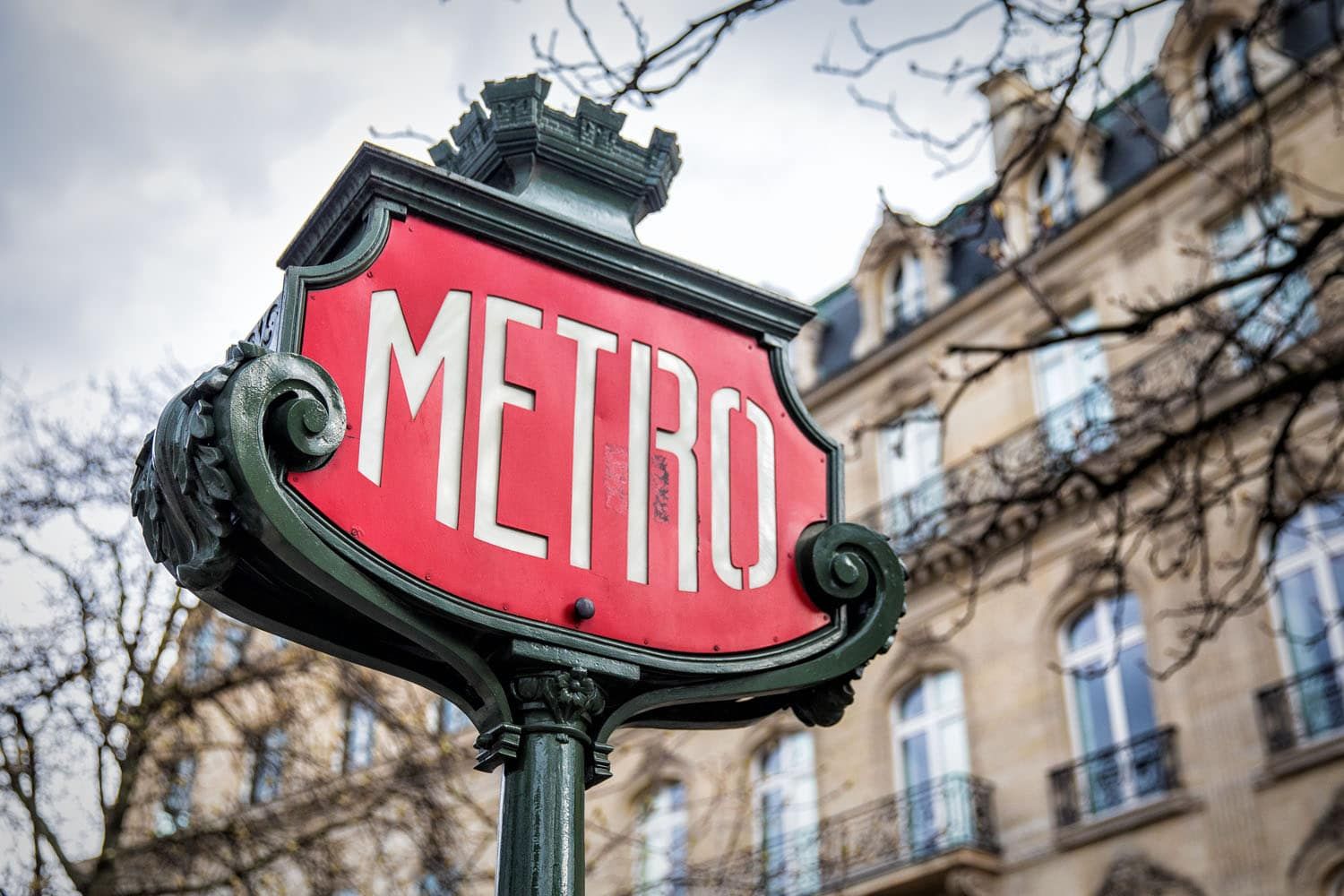
Paris is one of Europe’s easiest big cities to navigate once you understand that not every trip needs to happen above ground.
Walking
The best way to experience the central districts. Many of Paris’s most memorable moments happen between attractions, not just at them.
Metro
The fastest and most practical way to move across the city. For first-timers, the Metro is the default transport tool.
RER
Useful for airport connections and day trips such as Versailles, depending on your route.
Taxi and rideshare
Helpful late at night, during rain, or after a very long day, but not essential for most central stays.
Airport planning
Allow generous time on arrival and departure days, especially from CDG, which can feel farther and slower than the map suggests.
Smart 3-Day Paris Itinerary
Day 1 — Eiffel Tower, Louvre Corridor, Arc de Triomphe
- Start with the Eiffel Tower
- Use Champ de Mars or the nearby area for a slower lunch break
- Visit the Louvre with a focused plan
- Walk through the Tuileries and Place de la Concorde
- Continue down the Champs-Élysées
- Finish at the Arc de Triomphe for evening views
- End with dinner or a Seine cruise
Day 2 — Historic Center, Musée d’Orsay, Montmartre
- Explore Île de la Cité and the Notre Dame area early
- Add Sainte-Chapelle if you want stained-glass wow factor
- Walk along the Seine or toward the Latin Quarter
- Visit Musée d’Orsay in the afternoon
- Head to Montmartre for sunset and dinner
Day 3 — Versailles or Slow Paris
Option A: Versailles
- Go early and commit the day properly
- Return to Paris for dinner in Le Marais
Option B: Stay in Paris
- Do Le Marais, Saint-Germain, a second museum, or shopping
- Add more café time and a slower final evening
If you only have 2 days
Cut Versailles and keep the trip fully in Paris. The city is better focused than overstuffed.
Sample Budget
| Travel Style | Daily Budget |
|---|---|
| Budget | €110-170 |
| Mid-range | €220-380 |
| Comfort / Premium | €450+ |
What drives costs in Paris
- Central hotel location
- Peak summer and holiday periods
- Last-minute timed-entry tickets or tours
- Fine dining and rooftop reservations
Paris is not a cheap destination, but it can feel high-value when you stay central, walk a lot, and use your paid attractions selectively.
Practical Tips
✅ Book the Eiffel Tower and Louvre in advance
✅ Group attractions by geography, not just by fame
✅ Leave room for cafés, river walks, and evenings
✅ Stay central if the budget allows
✅ Keep museum expectations realistic
⚠️ Good to remember:
- Big-name sights can shape your day if you do not reserve ahead
- Paris rewards patience more than speed
- The city is huge, but a first trip should stay selective
- A better hotel location often improves the trip more than one extra attraction
FAQ
Is Paris worth it for first-time Europe travelers?
Absolutely. It is one of the strongest first-time city picks in Europe because the icons, neighborhoods, museums, and food all hold up.
How many days do I need in Paris?
Three full days is ideal for a first trip. Two days works for a highlights-only version.
Is Paris expensive?
Yes, especially for accommodation and peak-season travel, but the experience improves a lot when you spend strategically rather than constantly.
Should I do Versailles on a short trip?
Only if you have a third day and genuinely want the palace experience. Otherwise, a slower Paris day is often the better call.
What should I prioritize first?
The Eiffel Tower, one major museum, the historic center, Montmartre, and at least one intentionally good evening.
You May Also Like
Final Take
Paris is at its best when the trip feels curated rather than crowded. The city has enough famous sights to fill a week, but first-timers do not need to win Paris—they need to pace it well.
For most travelers, the smartest formula is simple: book the icons early, stay central, build one museum day and one neighborhood day, and let evenings do some of the magic. That is when Paris starts feeling less like a bucket list and more like a city you already want to revisit.
Sources: Earth Trekkers — How to Plan a Trip to Paris: Tips & Itineraries for Your First Visit; Earth Trekkers — 3 Days in Paris: The Perfect Itinerary for Your First Visit
Adapted and reformatted for AirSaver.Online with original source images.