Krakow Travel Guide 2026: Old Town, Wawel, Kazimierz & a Smart 3-Day Itinerary
Published: May 31, 2026
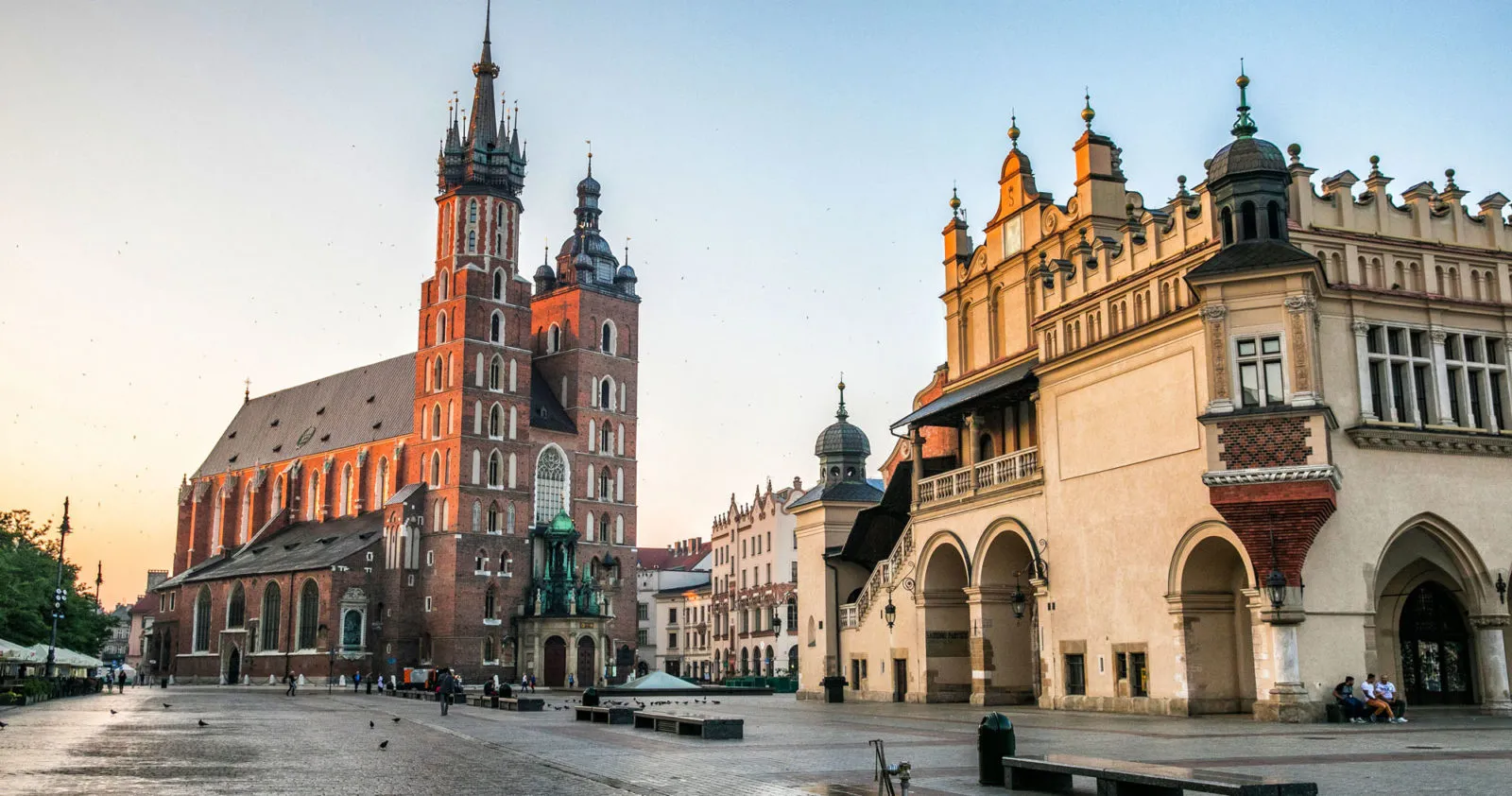
Krakow is one of the easiest European city breaks to love. It has the visual appeal first-time visitors want—church spires, a huge medieval square, castle views, and atmospheric old streets—but it also feels more approachable than many of the continent’s headline capitals. The city is compact, practical, walkable, and usually much gentler on the budget than Paris, Amsterdam, or even Prague in peak season.
What makes Krakow especially strong is its range. You can spend one part of the trip inside royal courtyards and Gothic churches, another in creative café-lined streets in Kazimierz, and another confronting the city’s World War II history through Schindler’s Factory and the former ghetto district. It is not just pretty. It has depth.
For most first-time travelers, Krakow works best as a smart 3-day trip. That gives you enough time for the Old Town, Wawel Hill, Kazimierz, one major history-focused museum block, and either a slower final day in the city or one carefully chosen day trip.
This guide is built for traveler utility: what to prioritize, where to stay, how to move around, what to book in advance, and how to shape a first Krakow trip that feels rewarding rather than rushed.
Essential Info
| Category | Details |
|---|---|
| Country | Poland |
| Currency | Polish złoty (PLN) |
| Language | Polish |
| Airport | John Paul II International Airport Kraków-Balice (KRK) |
| Best Time | May-June and September-October |
| Ideal Trip Length | 3 full days |
| Best For | History, architecture, café culture, affordable Europe trips, meaningful museums |
| Trip Style | Great for first-timers, couples, solo travelers, culture-heavy long weekends |
Good to know: Krakow is very manageable without a car. The center is walkable, the tram network fills in the gaps, and ride-hailing is useful for quicker hops when your legs are done.
Why Krakow Is Such a Strong Europe Pick
Krakow delivers a lot of Europe for relatively little friction.
Why travelers rate it so highly:
- The historic center is genuinely beautiful, with one of Europe’s great market squares and a strong castle-and-cathedral skyline
- The core sights sit close together, so first-timers can do a lot without wasting time on logistics
- The city has emotional range, from royal Poland and medieval streets to Jewish heritage and WWII history
- Food and nightlife are easy to enjoy, especially if you like cafés, cellar bars, and low-pressure evenings
- It usually feels like good value, especially for accommodation, casual meals, and museum-heavy trips
Krakow is at its best when you balance postcard places with its more layered districts. If you only stay around the square, you will miss the side of the city that gives it real personality.
Best Time to Visit Krakow
| Season | What to Expect |
|---|---|
| Apr-Jun | Pleasant walking weather, green parks, lively café terraces ✅ |
| Jul-Aug | Warm, busy, longer days, more tour groups ⚠️ |
| Sep-Oct | Excellent temperatures, strong museum-and-neighborhood balance ✅ |
| Nov-Mar | Colder and moodier, lower crowds, festive December atmosphere ✅ |
Best overall months: May, June, September, and early October.
Krakow is a city you experience mostly on foot, so shoulder season tends to feel better than the hottest part of summer. Winter can still work well if your priority is atmosphere, museums, and lower hotel pressure rather than long café-and-river days.
How Many Days Do You Need?
2 days
Enough for the Old Town, Wawel, Kazimierz, and one major museum or history stop. It works, but you will need to stay selective.
3 days
The sweet spot for most first-time visitors. You can cover the classic core properly, add Jewish Quarter and WWII history, and still leave room for slower neighborhood time or one optional day trip.
4 days+
Best if you want to add Wieliczka Salt Mine, Auschwitz-Birkenau, extra museum time, or a more relaxed food-and-café rhythm.
Top Experiences in Krakow
1. Start with Main Market Square and St. Mary’s Basilica
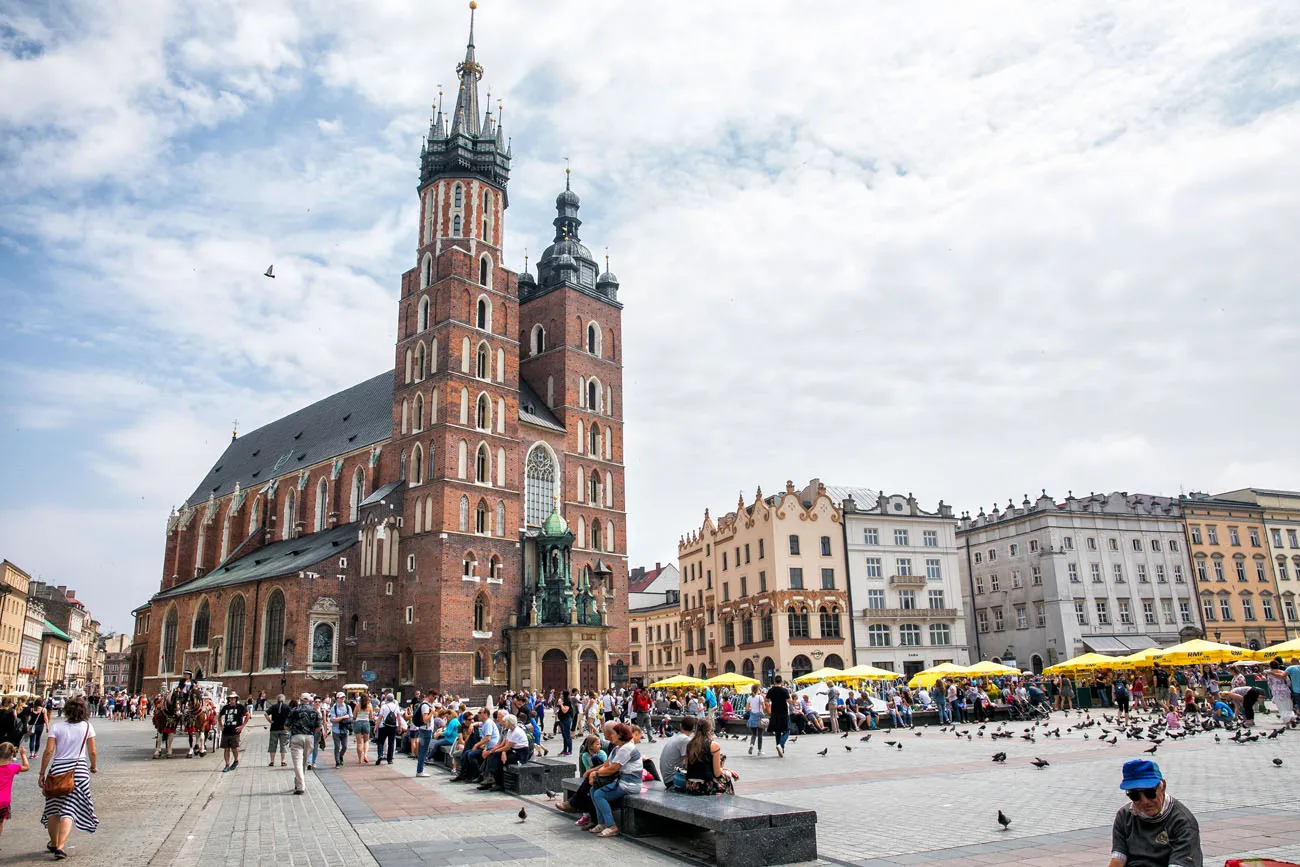
Krakow’s Main Market Square (Rynek Główny) is the natural first stop. It is huge, photogenic, and unusually useful as an anchor because so many classic sights branch out from it.
This is where first impressions of Krakow really land:
- The scale is memorable, especially compared with tighter old towns elsewhere in Europe
- The Cloth Hall gives the square a strong visual center
- St. Mary’s Basilica adds one of the city’s defining views
- The café terraces and street life make the area feel lived-in, not just ceremonial
If you only photograph the square and move on, you are missing part of the point. This is a place to actually spend time—walk the perimeter, step into the side streets, and use the square to orient the rest of the trip.
Smart tip: if climbing St. Mary’s Basilica matters to you, reserve or organize it early. Tower access is limited and one of the most memorable details is hearing the hourly bugle call from above.
2. Give Wawel Hill a Proper Morning
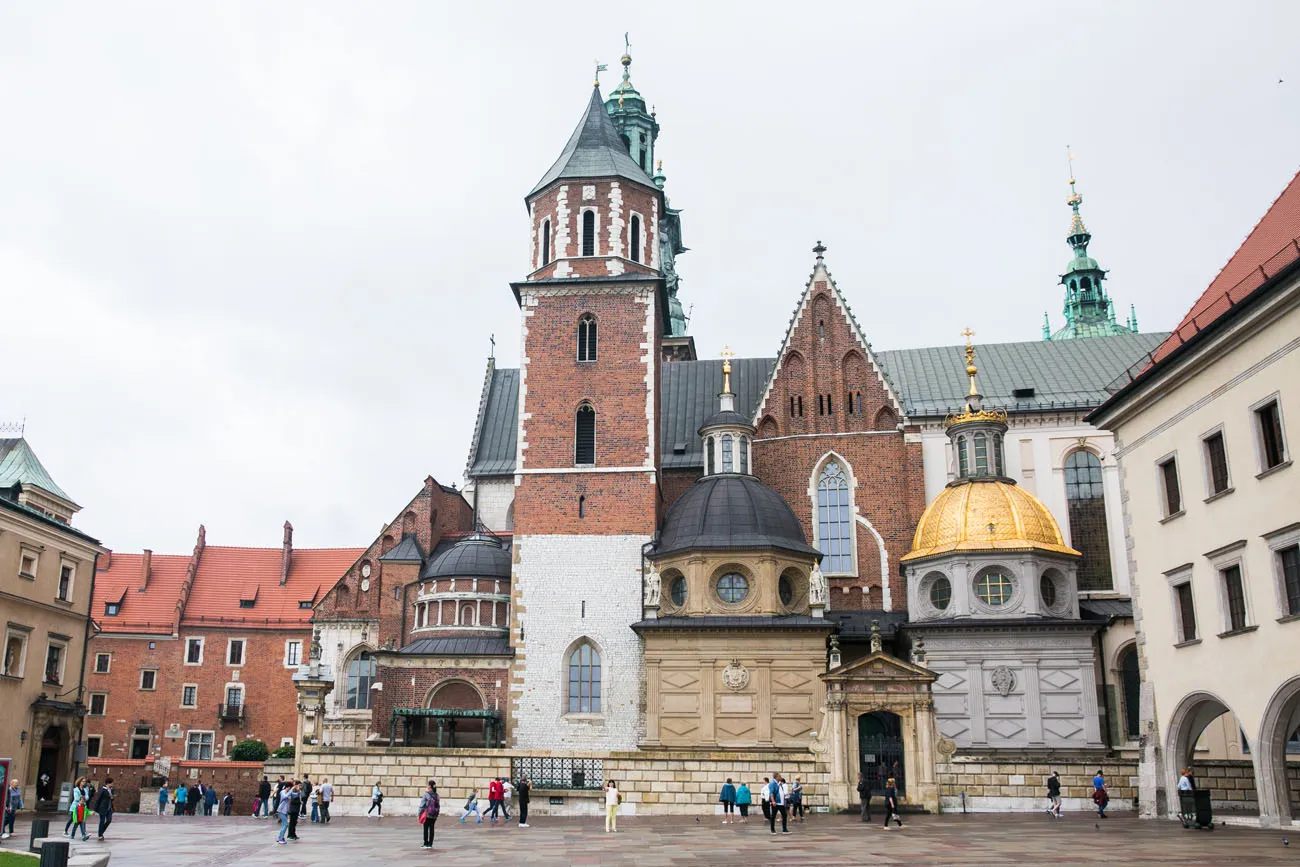
Wawel Castle and Wawel Cathedral are essential not because they are simply famous, but because they tell you how Krakow fits into Polish history. This is the city’s royal and symbolic heart.
Why Wawel deserves real time:
- The castle hill setting is beautiful, especially with the river nearby
- The cathedral carries the strongest national-historical weight
- You can scale the visit to your energy, from free grounds wandering to deeper museum entries
- It balances the commercial energy of the square with something more stately and reflective
Wawel is also one of the places where timing matters most. Tickets for specific interiors and museum spaces can sell out, and morning is usually the cleanest play.
Important practical note: if your schedule is flexible, avoid building your Wawel-heavy day around Sunday. Some access and church hours can be more limited.
3. Walk the Old Town Streets Between the Big Stops
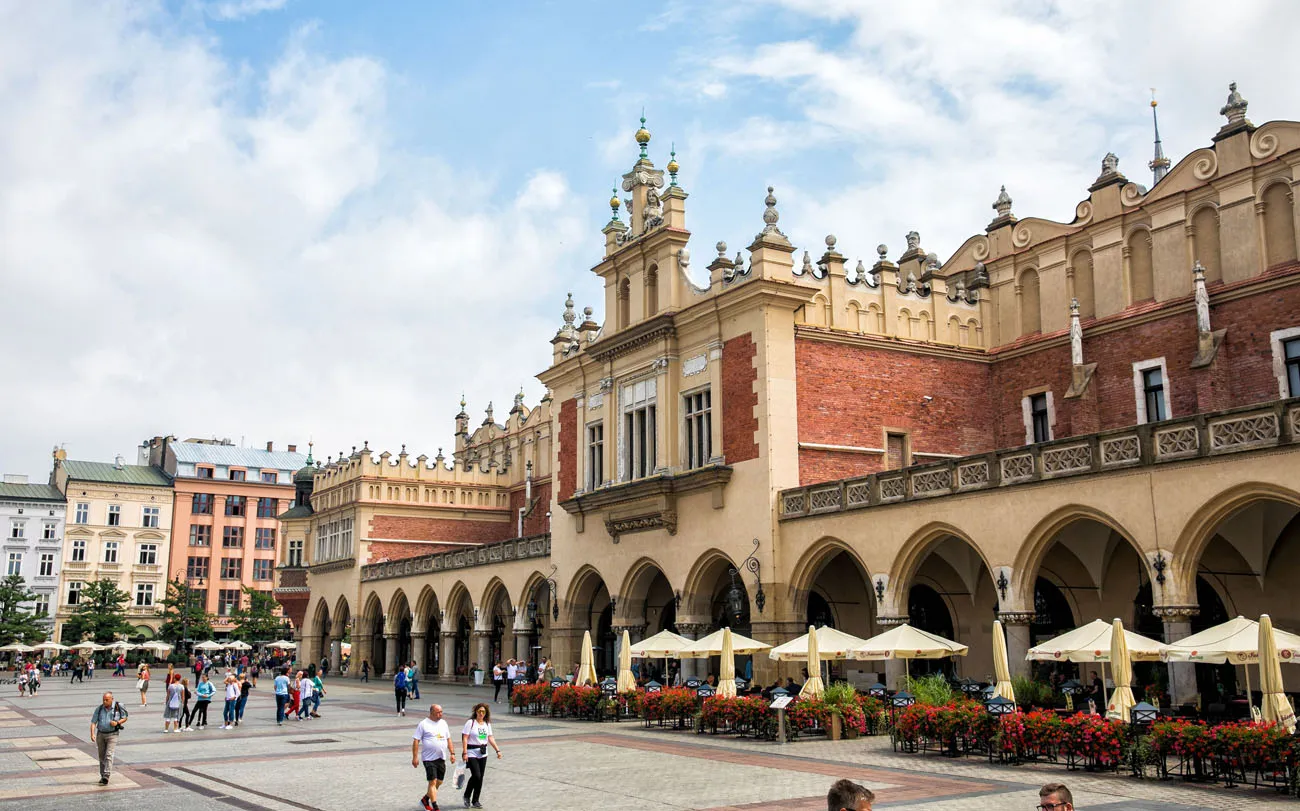
Krakow is not a city where the magic lives only inside attractions. Some of the best momentum comes from the connecting streets: Floriańska, Grodzka, Kanonicza, and the lanes just off the main square.
This part of the trip works because:
- The distances are short enough to stay enjoyable
- Churches, towers, and courtyards keep breaking up the walk
- You get a better feel for the city’s texture than by jumping attraction to attraction
- It is easy to mix sightseeing with coffee, pastries, and slower browsing
Krakow rewards travelers who do not over-optimize every minute. Give the city space to breathe between its headline sights.
4. Use Kazimierz to See Krakow’s More Lived-In Side
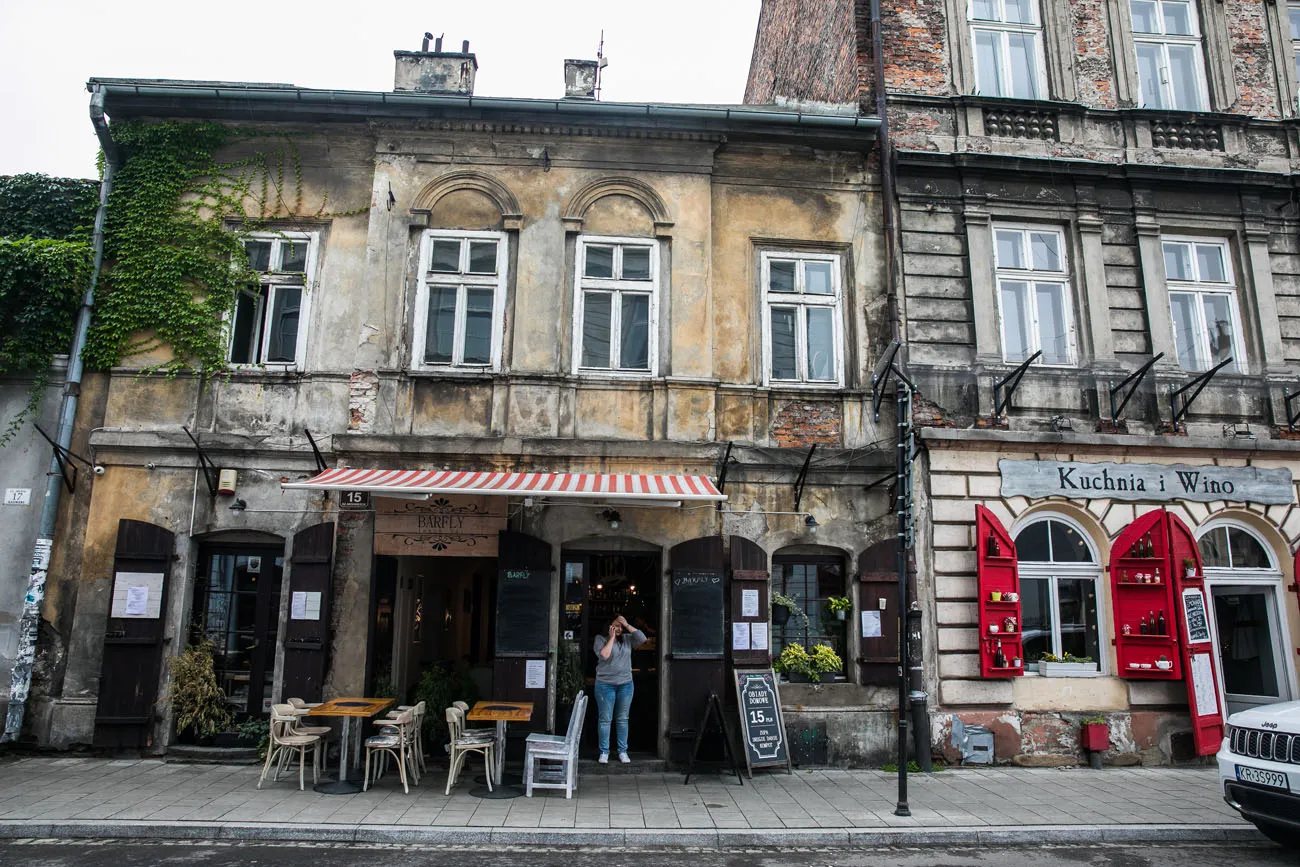
If the Old Town is Krakow’s polished face, Kazimierz is where the trip starts to feel richer. Historically the Jewish quarter, it now mixes heritage sites, restaurants, bars, independent cafés, and a more local-feeling rhythm.
Why Kazimierz matters:
- It gives the trip personality beyond the medieval core
- The district holds major Jewish heritage and memorial context
- It is one of the city’s best areas for eating and evening atmosphere
- It feels distinct enough that the day changes tone in a good way
Do not rush Kazimierz like a box-checking district. Let it be a walk, a lunch zone, a coffee break, and possibly your evening plan too.
5. Make Time for Krakow’s WWII History
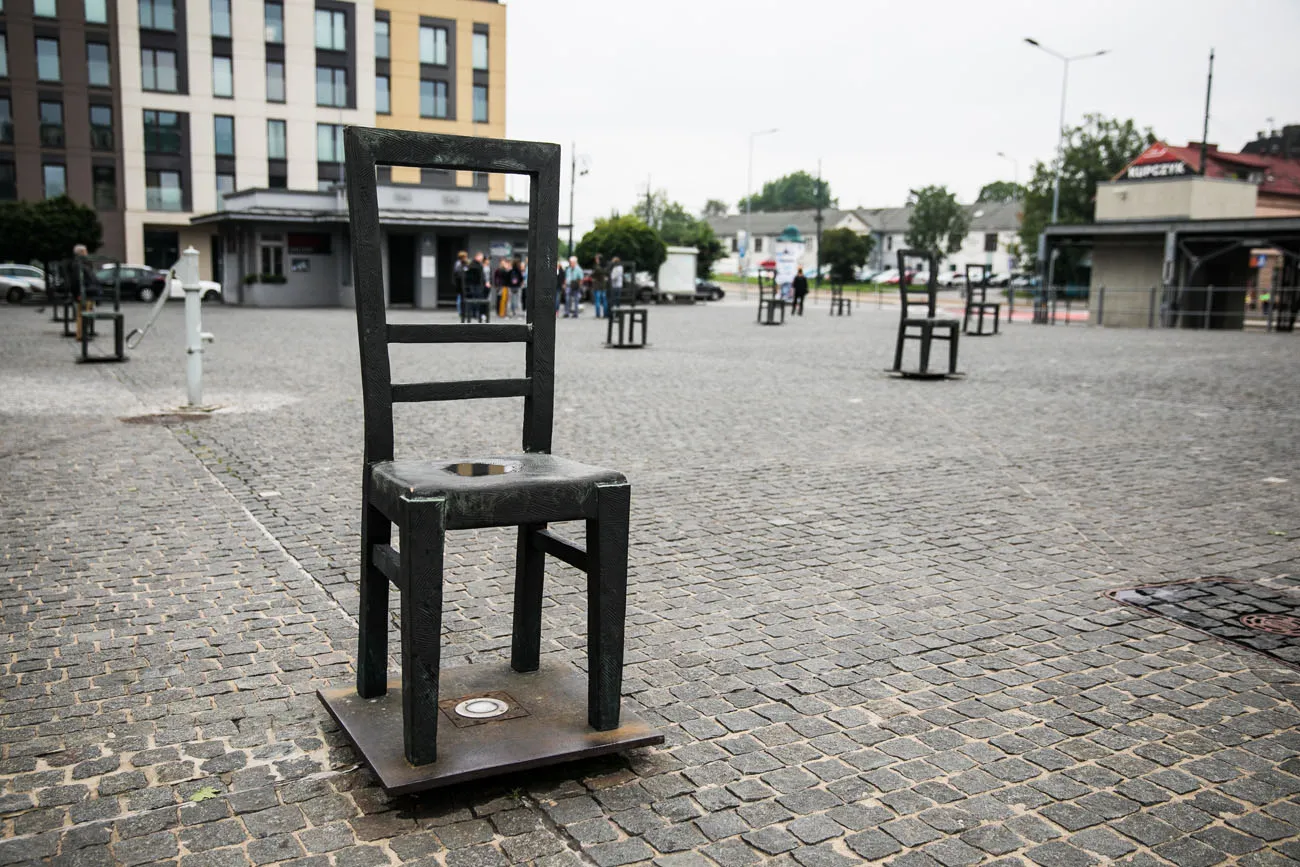
Krakow’s trip value is not only in beauty. The city is also one of the most important places in Europe for understanding the human impact of the Nazi occupation.
The most accessible first-time combination is:
- Oskar Schindler’s Factory for narrative, context, and a structured museum experience
- Ghetto Heroes’ Square for a quieter and more emotional urban memorial stop
- Kazimierz for the broader historical frame around Jewish Krakow
This is not sightseeing in the lightest sense, and it should not be treated as filler between prettier places. Give it real space in the itinerary.
Practical note: Schindler’s Factory is popular, and advance ticketing is the smarter move.
6. Treat Day Trips Carefully, Not Automatically
Krakow has famous add-ons, but not every traveler needs one.
The main choices are usually:
- Wieliczka Salt Mine if you want something unusual, family-friendly, and logistically straightforward
- Auschwitz-Birkenau if WWII memorial history is a serious priority
The right answer depends on your trip goals. For many first-time visitors, staying inside Krakow for all three days actually produces the better city break. If you do choose Auschwitz-Birkenau, treat it as a dedicated memorial visit, not a casual excursion squeezed into an otherwise light day.
Where to Stay in Krakow
| Area | Why Stay Here | Best For |
|---|---|---|
| Old Town (Stare Miasto) | Easiest base for first-time sightseeing and classic views | First-timers, short stays, landmark-focused trips |
| Kazimierz | Better food-and-bar atmosphere, slightly more local feel | Couples, return visitors, nightlife and café travelers |
| Near Kraków Główny / Planty edge | Convenient for trains, airport connections, and walking access | Practical travelers, rail-heavy trips |
| Podgórze | Quieter, more residential, closer to Schindler/WWII sites | Slower trips, travelers who have already seen the core |
Best first-time base
For most people, Old Town or the Planty edge is the safest choice. You stay close to the square, Wawel routes, and tram links without wasting energy.
Best-value advice
If Old Town pricing spikes, look just outside the core rather than far away. Krakow is compact, and staying walk-close improves the whole trip.
What to Eat in Krakow
Krakow is not a one-dish destination. It is better approached as a city of satisfying, affordable eating.
What to prioritize
- Pierogi for classic Polish comfort food
- Żurek or other hearty soups if you want a colder-weather local option
- Traditional Polish mains in cellar-style restaurants near the center or Kazimierz
- Café breaks and pastries during your Old Town walking blocks
- Casual evening drinks or vodka bars if nightlife is part of your trip
Smart food rhythm
- Use one lunch for traditional Polish food
- Save one evening for Kazimierz rather than eating every dinner in the square
- Keep sightseeing-day lunches simple so you do not burn prime hours sitting too long
Krakow often feels easier than Western Europe’s bigger capitals when it comes to casual dining value.
How to Get Around Krakow
Krakow is one of the easier European cities to navigate.
Walking
For the Old Town, Wawel, Planty, and much of Kazimierz, walking is usually the best option.
Tram
The tram network is the most useful backup when you are linking the station, Kazimierz, Podgórze, or Schindler’s Factory area.
Ride-hailing and taxis
For quick point-to-point hops, especially after museum-heavy days or late evenings, ride-hailing can be convenient and often simpler than overplanning.
Airport logistics
Kraków Airport (KRK) is a straightforward arrival airport for city-break travelers. Official airport transport options include rail, bus, taxi, and rental car, but most visitors heading only to Krakow city will not need a car.
Do you need a car?
No. For a Krakow city trip, a car mostly adds hassle.
Smart 3-Day Krakow Itinerary
Day 1 — Main Market Square, Old Town lanes, Wawel
- Start in Main Market Square
- Visit St. Mary’s Basilica and, if available, its tower
- Walk through Floriańska, Grodzka, and surrounding historic streets
- Continue to Wawel Castle and Wawel Cathedral
- Finish with a river walk or relaxed dinner near the Old Town
Day 2 — Kazimierz, Schindler’s Factory, Ghetto Heroes’ Square
- Begin in Kazimierz with slower walking and coffee time
- Visit Oskar Schindler’s Factory
- Continue to Ghetto Heroes’ Square and the former ghetto area
- Return to Kazimierz for dinner, drinks, or a more atmospheric evening
Day 3 — Extra city depth or one meaningful add-on
Choose one of these approaches:
Option A: Stay in Krakow
- Revisit favorite Old Town spots in lower-stress hours
- Add a museum such as Rynek Underground
- Do more tower, church, or café time
- Keep the final day flexible and slower
Option B: Wieliczka Salt Mine
- Best if you want a distinctive half- or full-day excursion without changing the tone of the trip too dramatically
Option C: Auschwitz-Birkenau
- Best only if memorial history is an intentional priority and you want to dedicate emotional bandwidth to it
If you only have 2 days
Keep Day 1 and Day 2. Krakow is strong precisely because those two days already feel complete.
Sample Budget
| Travel Style | Daily Budget |
|---|---|
| Budget | €60-100 |
| Mid-range | €130-220 |
| Comfort / Premium | €280+ |
What drives costs in Krakow
- Hotel quality and how central you stay
- Season and weekend demand
- Museum tickets and guided tours
- Whether you add premium dining or external day trips
Compared with many classic Western Europe city breaks, Krakow often feels like good value without feeling low-service.
Practical Tips
✅ Book St. Mary’s tower and Schindler’s Factory early if they matter to you
✅ Do Wawel in the morning for a smoother experience
✅ Use Kazimierz for at least one dinner or evening block
✅ Keep Auschwitz-Birkenau separate from a light sightseeing day
✅ Rely on walking + tram, not a rental car
⚠️ Good to remember:
- Sunday planning can affect church and attraction access
- The square gets crowded in peak summer, so early or later hours feel better
- Some memorial and museum sites deserve more emotional time than their visit length suggests
- If you are staying only two days, do not overload with day trips
FAQ
Is Krakow worth it for first-time Europe travelers?
Yes. It is one of the strongest first-time Europe city breaks if you want beauty, history, and value in one place.
How many days do I need in Krakow?
Three full days is ideal. Two works well if you stay focused.
Is Krakow expensive?
Usually not by major Europe capital standards. It often feels more affordable than Western Europe for hotels, food, and casual nightlife.
Should I stay in Old Town or Kazimierz?
Old Town is easiest for a first visit. Kazimierz is stronger if you want more evening personality.
Do I need a car in Krakow?
No. Walking, trams, and ride-hailing are enough for a typical city trip.
You May Also Like
Final Take
Krakow works because it gives travelers a rare combination: real visual beauty, genuine historical weight, easy logistics, and better value than many of Europe’s most famous capitals.
For most first-timers, the smartest formula is simple: base near the center, do Wawel and the square properly, give Kazimierz real time, and leave enough room for the city’s harder history. That balance is what turns Krakow from a pretty old town into one of Europe’s most rewarding short trips.
Sources: Earth Trekkers — 3 Days in Krakow: The Perfect Itinerary for Your First Visit; Earth Trekkers — Krakow Bucket List: 25 Memorable Things to Do in Krakow; Wawel Royal Castle; Wawel Cathedral; St. Mary’s Basilica; Kraków Airport — Getting to and from the airport
Adapted and reformatted for AirSaver.Online with original source images.