Amsterdam Travel Guide 2026: Canals, Museums, 9 Streets & Smart Day Trips
Published: May 24, 2026
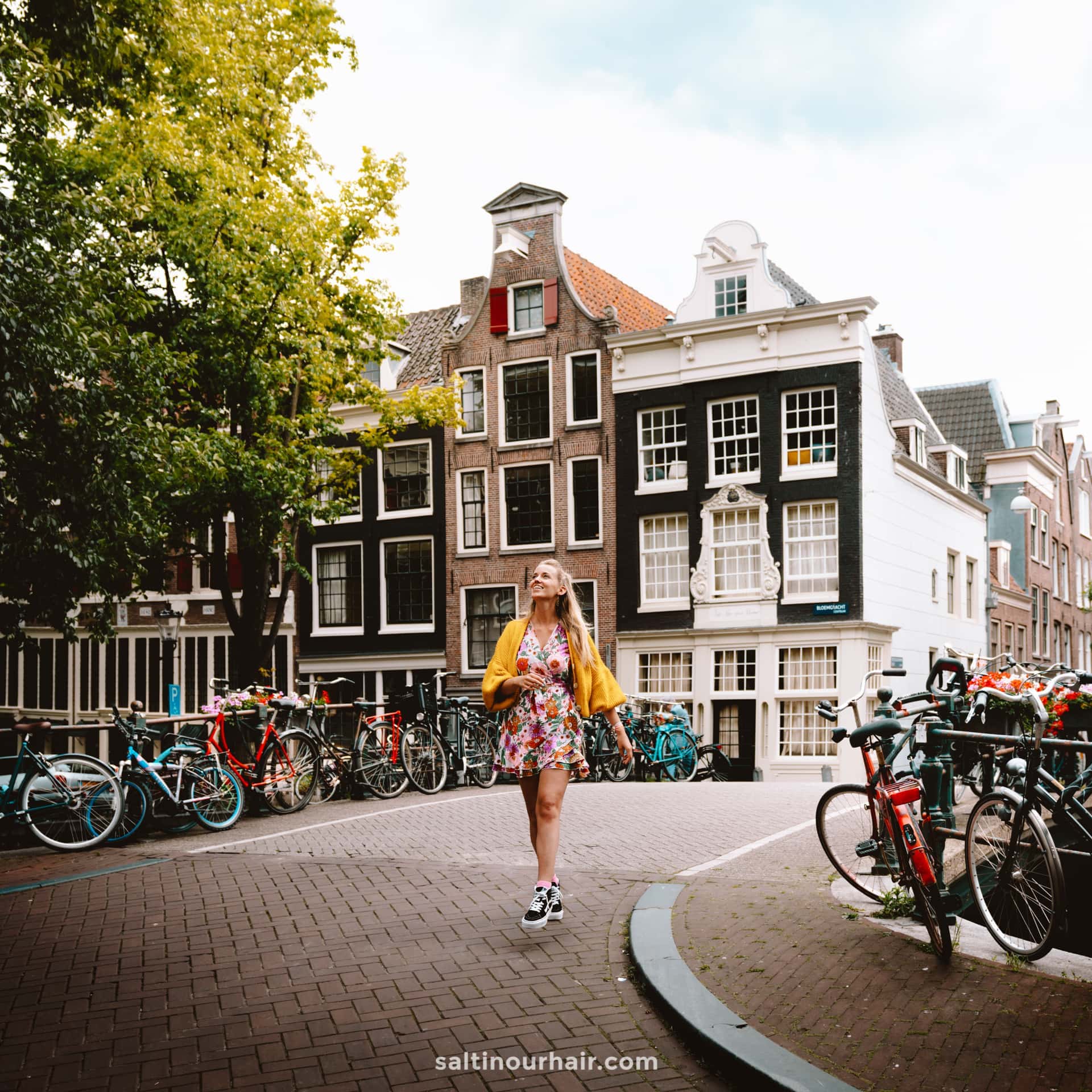
Amsterdam is one of Europe’s easiest city breaks to love. It feels beautiful almost immediately: narrow canal houses, flower-filled bridges, bikes everywhere, and neighborhoods that somehow feel both polished and lived-in. But what makes Amsterdam especially strong is not just the postcard look. It is the way the city combines art, history, café culture, shopping, and day-trip flexibility without forcing you into a stressful schedule.
For first-time visitors, Amsterdam works because the experience is layered but compact. You can spend the morning in world-class museums, the afternoon wandering canal lanes and boutiques, and the evening on a boat cruise or in a design-forward café. Add easy transport, a major airport, and some of the Netherlands’ best day trips within easy reach, and the city becomes much more than a quick stopover.
This guide is built for practical planning: what to prioritize, where to stay, how many days you need, what to book ahead, and how to shape an Amsterdam trip that feels stylish, efficient, and worth the airfare.
Essential Info
| Category | Details |
|---|---|
| Country | Netherlands |
| Currency | Euro (EUR) |
| Language | Dutch |
| Airport | Amsterdam Schiphol Airport (AMS) |
| Best Time | April-May and September |
| Ideal Trip Length | 2-3 full days |
| Best For | Canal scenery, museums, cafés, design shops, biking, easy day trips |
| Trip Style | Excellent for first-time Europe travelers, couples, and short creative city breaks |
Good to know: Amsterdam is compact, but it rewards smart planning. The biggest mistakes are underestimating museum demand, drifting into bike lanes without noticing, and assuming all major spring highlights are inside the city itself.
Why Amsterdam Is Such a Strong Europe Pick
Amsterdam does not need a giant checklist to feel memorable. The city’s appeal comes from how naturally the pieces fit together.
Why travelers keep choosing it:
- The canal belt is genuinely beautiful and easy to enjoy on foot
- Museums are world-class without requiring long cross-city commutes
- Neighborhoods feel distinct even on a short trip
- The city is compact enough for 2-3 days but deep enough to reward longer stays
- Day trips are easy if you want windmills, villages, or tulip season extensions
- It balances culture and fun well, so the trip never feels too academic or too chaotic
Amsterdam works best when you mix one or two anchor experiences with slow neighborhood wandering. Do not try to turn it into a race between museums, shops, and restaurants. The city is strongest when you leave room for canals, coffee, and unplanned detours.
Best Time to Visit Amsterdam
| Season | What to Expect |
|---|---|
| Apr-May | Spring flowers nearby, fresh weather, photogenic light, excellent city-break energy ✅ |
| Jun-Aug | Long days, lively terraces, busiest visitor season, higher prices ⚠️ |
| Sep-Oct | Cooler air, fewer peak crowds, strong museum-and-café weather ✅ |
| Nov-Mar | Moodier, quieter, lower light, still rewarding for culture-first trips ✅ |
Best overall months: April, May, and September.
Important reality check: tulips are not in central Amsterdam. If flower season is one of your main reasons to visit, you will need to build in a side trip to places like Lisse or Keukenhof.
How Many Days Do You Need?
2 days
Enough for canals, the 9 Streets, one or two top museums, a canal cruise, and a strong food-and-café rhythm.
3 days
The sweet spot for most first-time visitors. You can do the city properly without rushing and add either a day trip or a slower neighborhood-focused day.
4 days+
Best if you want more museum time, deeper shopping and café exploration, or a slower day trip into the Dutch countryside.
Top Experiences in Amsterdam
1. Start with the Canal Belt and the 9 Streets
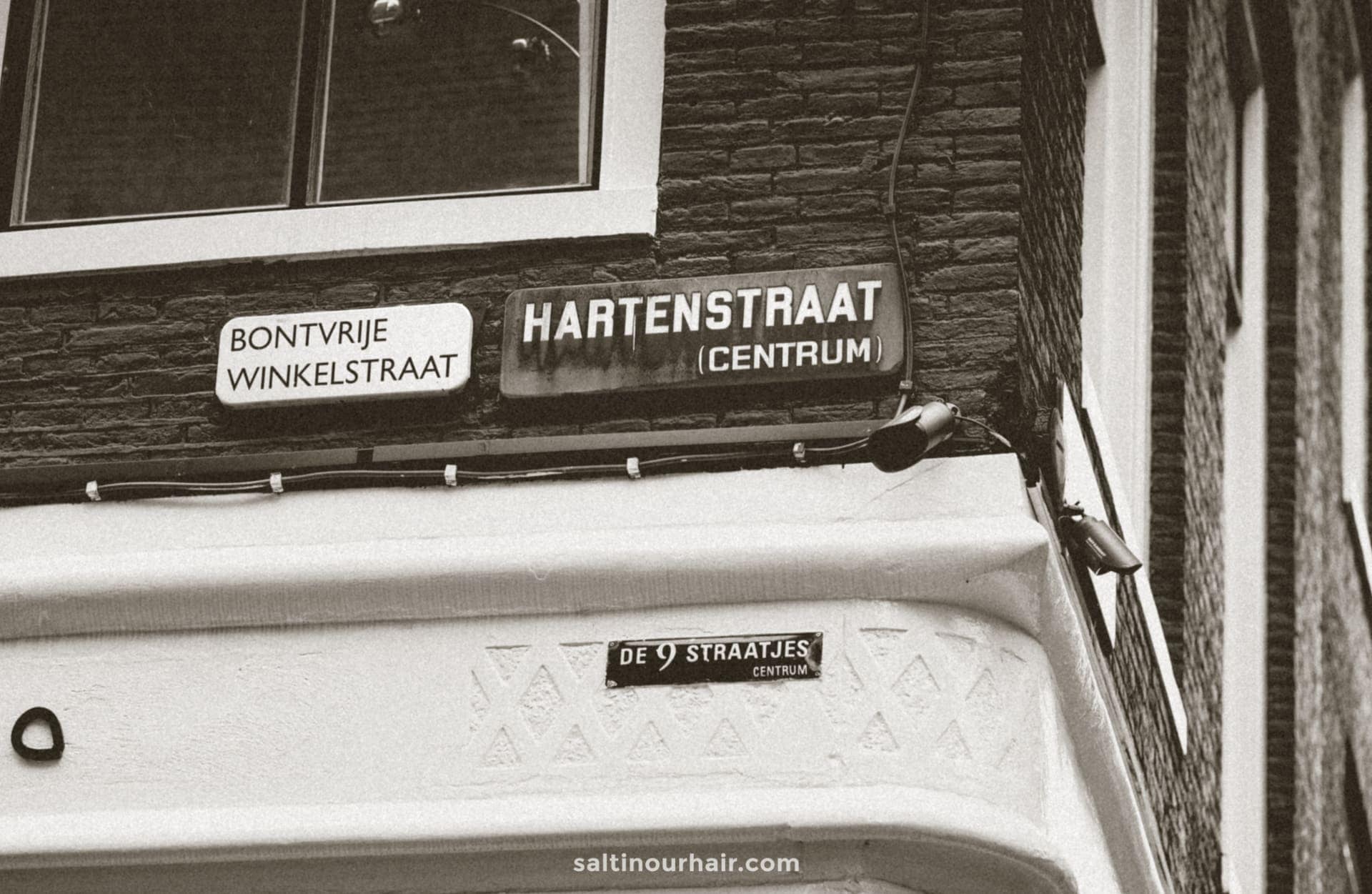
If this is your first trip, begin where Amsterdam feels most unmistakably Amsterdam: the historic canal belt and the 9 Straatjes. This area gives you narrow bridges, crooked canal houses, boutique storefronts, and the kind of street texture that makes wandering feel productive even when you have no plan.
Why it matters:
- It is the city’s best short-trip atmosphere zone
- The canal belt is UNESCO-listed and visually rewarding at almost every turn
- You can combine shopping, coffee, architecture, and photography naturally
- It connects well with Jordaan and central Amsterdam
This is the area to slow down in. Browse the side streets, cross bridges without rushing, and use it to shape your first impression of the city rather than treating it as filler between bigger-ticket attractions.
2. Pick 2-3 Museums and Book Them Properly
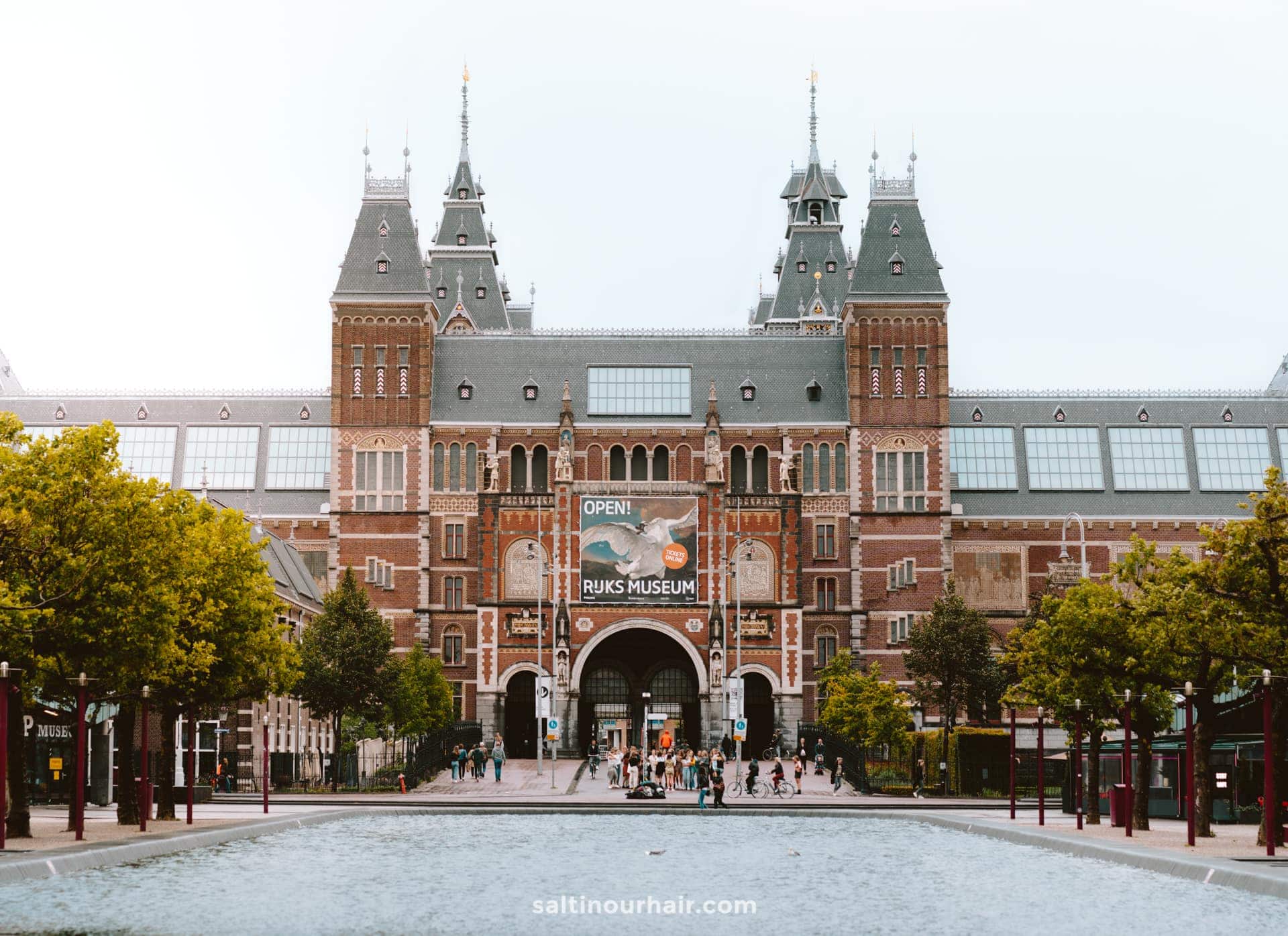
Amsterdam has more museum quality than most short city breaks need, which means the smart strategy is not doing everything. It is choosing the right two or three.
The strongest options for first-time visitors:
- Rijksmuseum for Dutch masters and national history
- Van Gogh Museum if art is a major reason for your trip
- Moco Museum for a more contemporary, social-media-friendly stop
- Stedelijk Museum for modern and design-focused collections
- Anne Frank House for a more emotionally heavy but important visit
Best planning tip: reserve your must-do museums in advance. Amsterdam is one of those cities where poor ticket planning can quietly ruin a day.
If you only pick one major museum, make it the one that best matches your travel style. Art-heavy travelers should not skip Rijksmuseum or Van Gogh. Casual visitors may get more joy from a mix like Rijksmuseum + Moco instead of trying to overdo Museumplein.
3. See the City from the Water
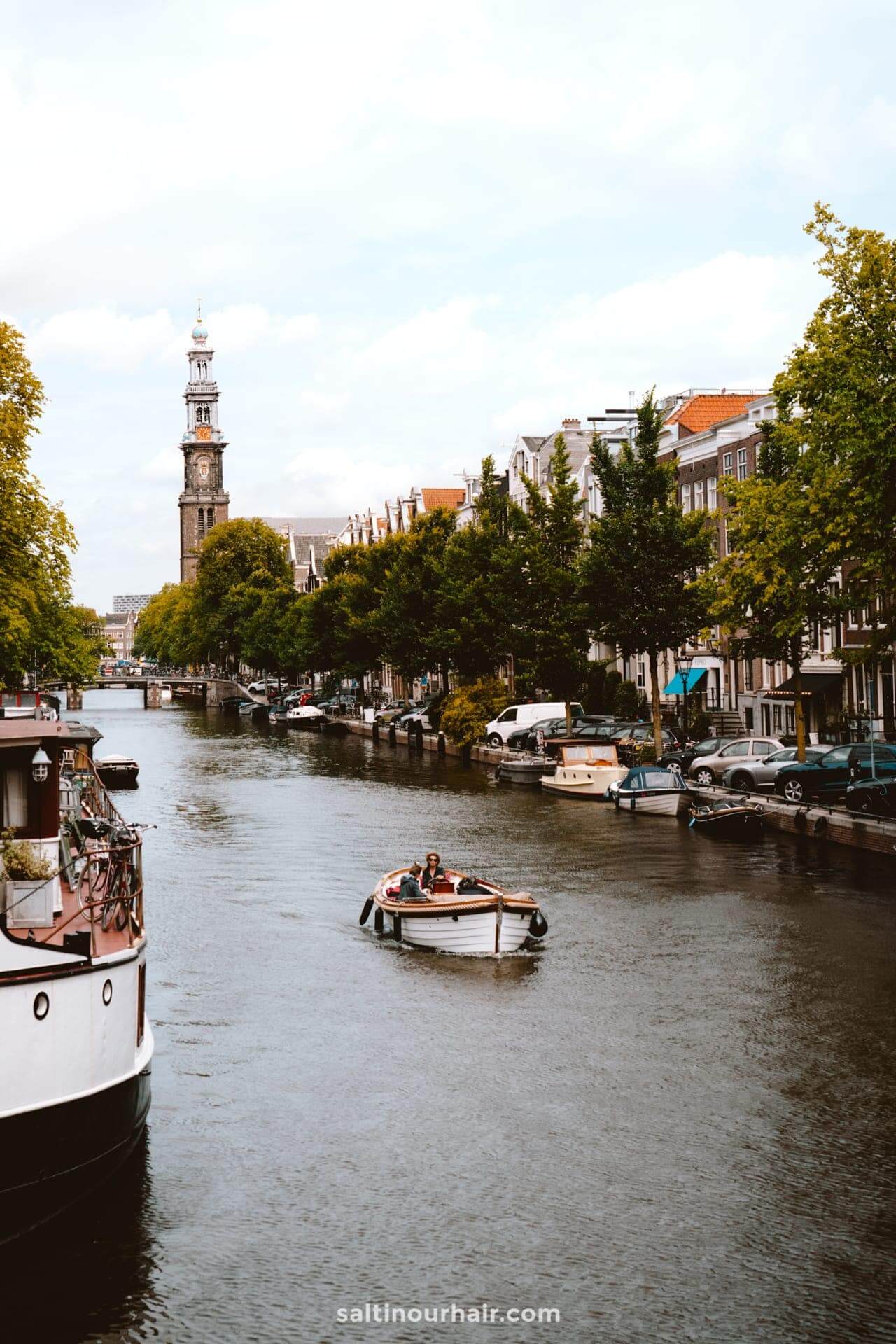
A canal cruise is not just a tourist extra in Amsterdam. It is one of the best ways to understand the city’s layout, rhythm, and elegance.
Why it is worth doing:
- You see the architecture from its most iconic angle
- The bridges, houseboats, and facades make more sense from the water
- It gives your legs a break on a walking-heavy trip
- It works well on the first evening or midday between neighborhoods
If you can, choose a quieter or smaller-boat experience rather than the biggest crowd-heavy option. Amsterdam feels better when the pace stays calm.
4. Add a Green Reset at Hortus Botanicus or Vondelpark

Amsterdam is not only canals and museums. One reason the city stays pleasant over multiple days is that it has easy pockets of space and calm.
Hortus Botanicus is one of the oldest botanical gardens in the world and a surprisingly strong addition if you want something softer and more atmospheric than another museum. The greenhouse structures, tropical zones, and palm house make it feel like a proper mood shift.
Vondelpark is the easier classic. It is free, central, and a great place to reset between museums, biking, and dinner plans.
Use this kind of stop when:
- You are museumed-out
- The weather is good and you want outdoor time
- You want the trip to feel less like a rigid city checklist
5. Build in Time for Cafés, Vintage, and Creative Corners
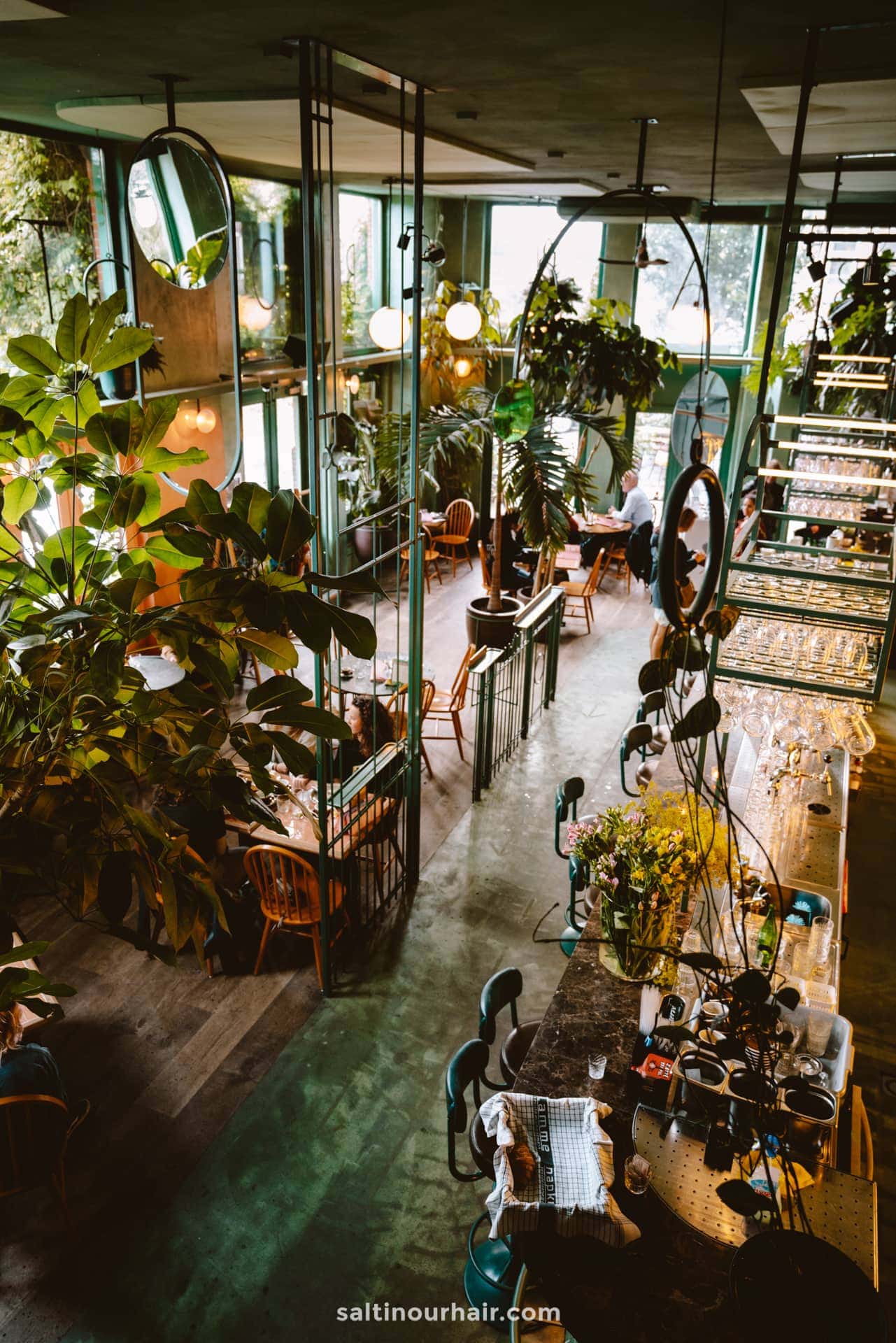
Amsterdam gets better when you stop treating food and design as side notes. Some of the city’s strongest memories come from a relaxed coffee break, a beautiful brunch spot, or a neighborhood with more creative texture than monument value.
The source guide highlights several good café and hangout ideas:
- Bar Botanique for a tropical-green interior and lively atmosphere
- Pllek in Amsterdam Noord for a beachy, creative, container-built setting
- Waterkant for waterside drinks near the center
- De Ceuvel Cafe for a more sustainable, alternative local feel
Vintage shopping is another Amsterdam strength. If you like second-hand fashion, browsing is part of the experience here rather than an afterthought. The city’s creative identity shows up well in boutiques, reused interiors, and design-forward neighborhoods.
6. Bike Like a Local — But Only If You’re Comfortable
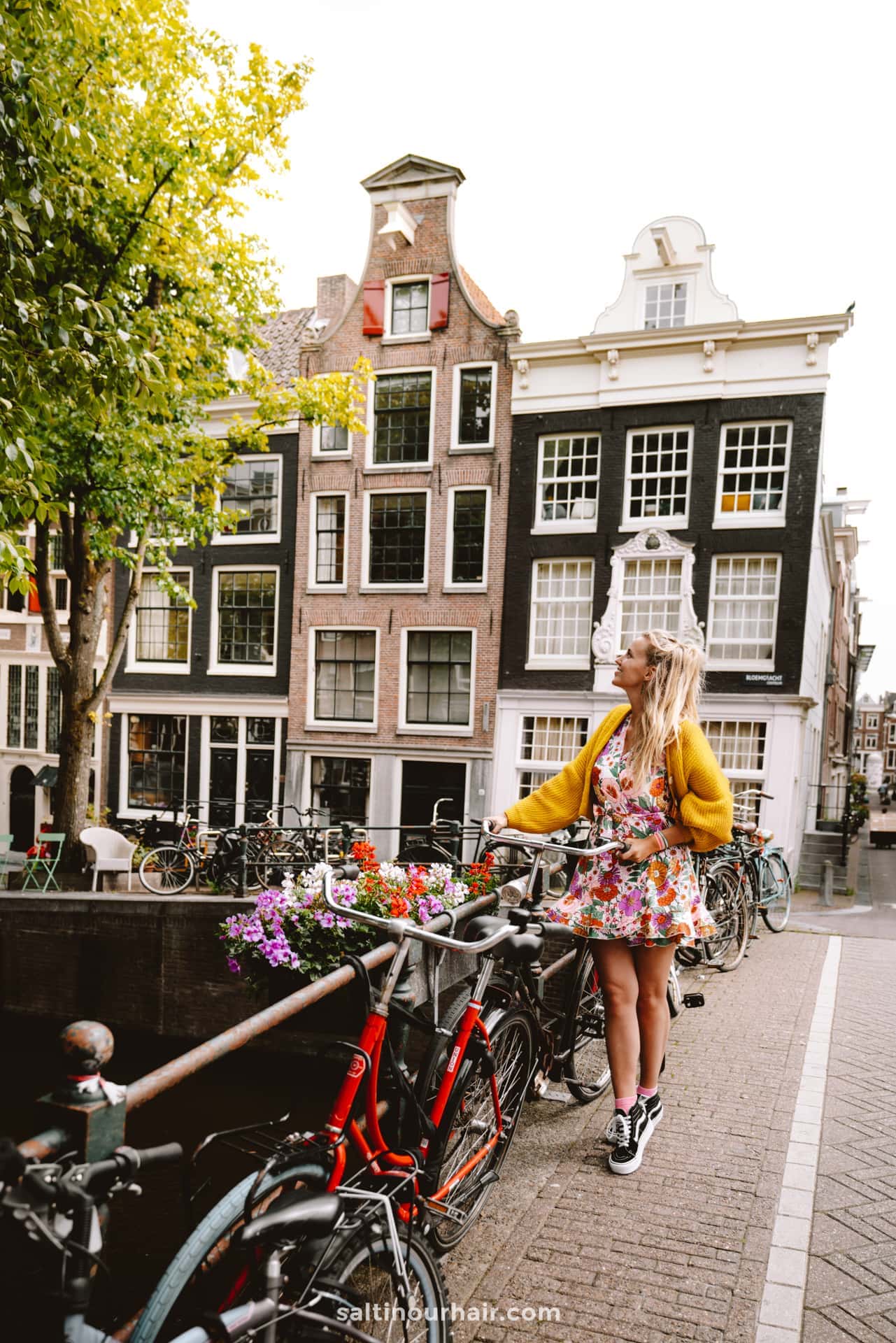
Cycling is central to Amsterdam’s identity, and for confident riders it is absolutely one of the best ways to move through the city.
Why people love it:
- It is fast and efficient
- You experience the city more like a local
- Neighborhood-hopping becomes much easier
But this is not the place for nervous first-time urban cycling. Amsterdam’s lanes are busy, locals move quickly, and tram tracks can punish bad positioning.
Smart rule: if you already cycle comfortably in cities, renting a bike is a great move. If you do not, use trams, metro, ferries, and walking without guilt.
7. Use Day Trips to Turn a City Break into a Fuller Netherlands Trip
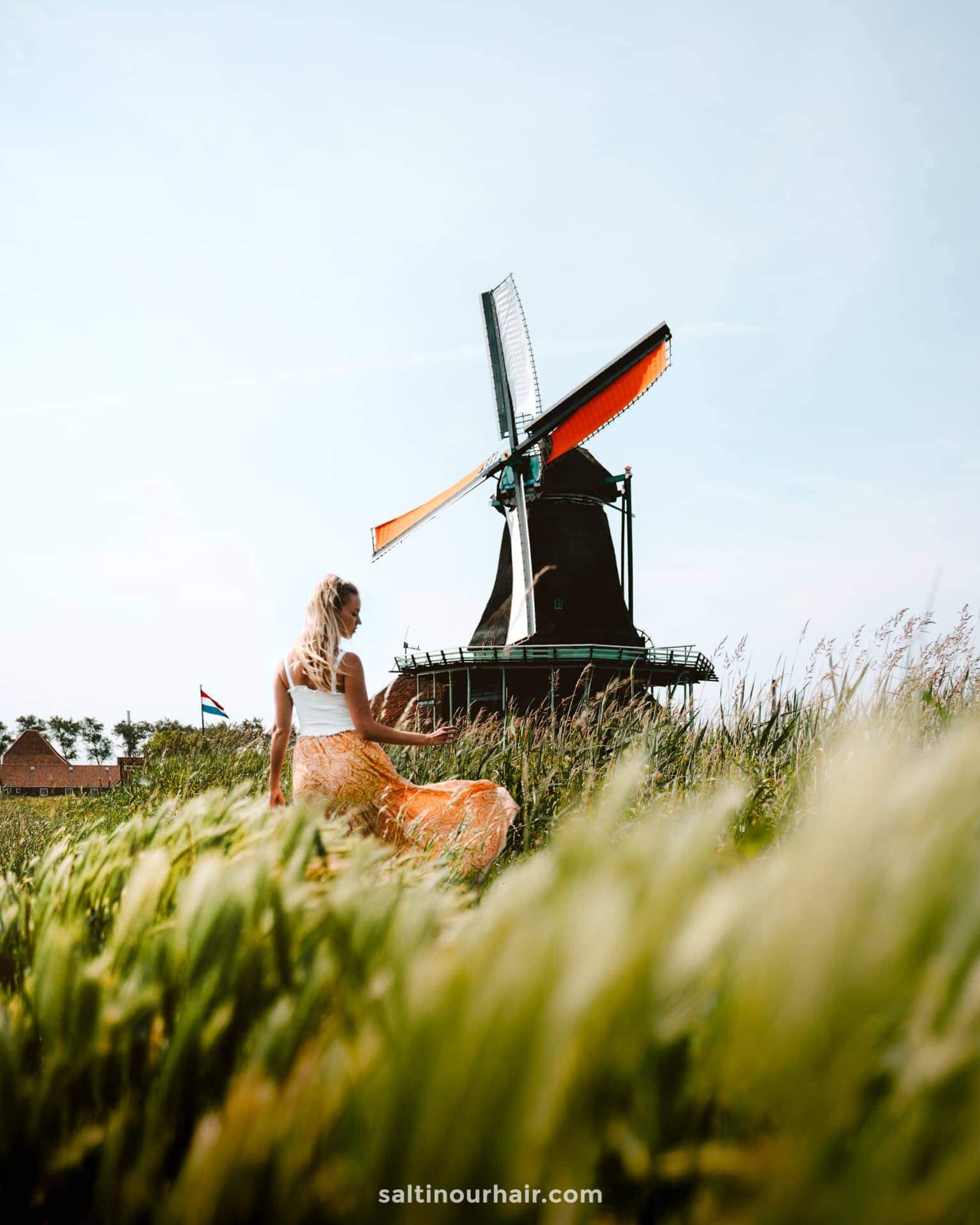
Amsterdam is a strong city break on its own, but it also works as a base.
Best day-trip styles from the source guide:
- Zaanse Schans for classic windmills and Dutch heritage visuals
- Volendam, Marken, and Broek in Waterland for pretty village character and a softer countryside mood
- Tulip-season areas near Lisse if you are visiting in the right months
If you only have two days, stay inside the city. If you have a third day and want a broader Netherlands feel, this is where Amsterdam becomes much more flexible.
Where to Stay in Amsterdam
| Area | Why Stay Here | Best For |
|---|---|---|
| Canal Belt / 9 Streets | The most atmospheric central stay | First-timers, couples, short stylish trips |
| Jordaan | Charming, photogenic, slightly calmer than the busiest core | Repeat visitors, slower travelers |
| Museum Quarter | Easy museum access, polished feel | Culture-focused trips |
| De Pijp | Livelier local energy, food options, younger vibe | Food travelers, better value seekers |
| Amsterdam Noord | Creative spaces, modern stays, less classic postcard feel | Design travelers, return visits |
Best first-time base
For a first trip, staying somewhere around the Canal Belt, Jordaan, or Museum Quarter makes Amsterdam dramatically easier.
Best-value strategy
If canal-view hotels feel overpriced, go just outside the most iconic streets rather than far away. In Amsterdam, a slightly less famous but still central neighborhood usually beats a cheaper stay with long transport detours.
What to Eat and Drink in Amsterdam
Amsterdam is more of a café-and-neighborhood food city than a single-dish destination. The win is building a good daily rhythm.
Good food strategy
- Start one morning with specialty coffee and pastry
- Use lunch for a stylish café or easy canal-side stop
- Keep one evening for a stronger sit-down dinner
- Save one waterside drink or creative bar for later in the trip
Things to try
- Dutch apple pie
- Stroopwafels
- Bitterballen
- Good Indonesian-influenced meals or rijsttafel if you want something more local-to-the-city’s history
- Seasonal terrace dining when the weather is good
Source-inspired café picks
- Bar Botanique
- Pllek
- Waterkant
- De Ceuvel Cafe
Amsterdam does not require a luxury food budget to feel fun, but the city rewards travelers who plan at least a couple of intentional café or dinner stops.
How to Get Around Amsterdam
Amsterdam is one of the easier major European cities to navigate.
Walking
The historic center is compact enough that many of your best moments will happen on foot.
Tram, metro, and bus
Amsterdam’s public transport is reliable and especially useful once you move beyond the old core. GVB day passes can be good value if you are making several rides.
Bicycle
Excellent if you are confident. Not essential if you are not.
Ferry
Useful for crossing to Amsterdam Noord, especially if you want spots like Pllek.
From Schiphol Airport
The airport is one of Amsterdam’s big advantages. Amsterdam Central Station is roughly 15 minutes by train from Schiphol, which makes arrival and departure far easier than in many European capitals.
Smart 3-Day Amsterdam Itinerary
Day 1 — Canal Belt, 9 Streets, Cruise
- Settle into the Canal Belt and walk the 9 Straatjes
- Add Jordaan for more neighborhood texture
- Keep lunch casual and photogenic
- Do a canal cruise in the late afternoon or evening
- Finish with dinner and a slow walk over the bridges after dark
Day 2 — Museum Day Done Properly
- Start at Rijksmuseum or your top-priority museum
- Add Van Gogh, Moco, or another second choice only if energy is still good
- Break up the day with Vondelpark or a café stop
- Use the evening for drinks, shopping, or another neighborhood wander
Day 3 — Green Reset or Dutch Day Trip
Option A: City-focused day
- Visit Hortus Botanicus
- Do some vintage shopping or café-hopping
- Explore De Pijp or Amsterdam Noord
Option B: Outside Amsterdam
- Head to Zaanse Schans for windmills
- Or choose Volendam / Marken / Broek in Waterland for village atmosphere
If you only have 2 days
Skip the day trip. Amsterdam is much better focused than overextended.
Sample Budget
| Travel Style | Daily Budget |
|---|---|
| Budget | €95-140 |
| Mid-range | €170-280 |
| Comfort / Premium | €320+ |
What drives costs in Amsterdam
- Central hotels and canal-area stays
- Museum tickets booked close to travel dates
- Peak summer weekends
- Design cafés, bars, and spontaneous shopping
Amsterdam can be expensive, but a short trip stays manageable when you choose a central base, pre-book museums, and keep transport simple.
Practical Tips
✅ Book your priority museums in advance
✅ Watch bike lanes constantly when walking
✅ Use one canal cruise as a real sightseeing tool, not just a filler activity
✅ Save a half-day for unstructured wandering
✅ Stay central if this is your first trip
⚠️ Good to remember:
- Smoking weed may be tolerated in coffee shops, but public behavior rules still matter
- Do not photograph people in the Red Light District
- Tulips are a regional side trip, not a central-city attraction
- Kingsday and major event weekends need accommodation booking far in advance
FAQ
Is Amsterdam worth visiting for first-time Europe travelers?
Yes. It is visually memorable, easy to navigate, museum-rich, and compact enough to work very well as a 2-3 day trip.
How many days do I need in Amsterdam?
Three days is ideal for most first-time visitors. Two days is enough if you stay focused.
Is Amsterdam expensive?
It can be, especially for central hotels and museum-heavy trips, but strong planning keeps a short stay under control.
Should I rent a bike?
Only if you are already comfortable cycling in busy cities. Public transport and walking are more than enough for many visitors.
What should I prioritize first?
The canal belt, the 9 Streets, one or two major museums, one canal cruise, and one intentionally relaxed neighborhood or café stretch.
You May Also Like
Final Take
Amsterdam is one of those rare cities that delivers both instantly and gradually. It gives you immediate beauty through canals and architecture, then keeps rewarding you with museums, creative neighborhoods, café culture, and easy Dutch countryside extensions.
For most travelers, the smartest formula is simple: stay central, choose museums carefully, do one canal cruise, and leave real time for wandering. That is when Amsterdam stops feeling like a famous stop on a Europe checklist and starts feeling like a city you will want to return to.
Source: Salt in Our Hair — 9 Best Things To Do in Amsterdam
Adapted and reformatted for AirSaver.Online with original source images.