Athens Travel Guide 2026: Acropolis, Plaka, Rooftops, Riviera Escapes & a Smart 3-Day Itinerary
Published: May 23, 2026
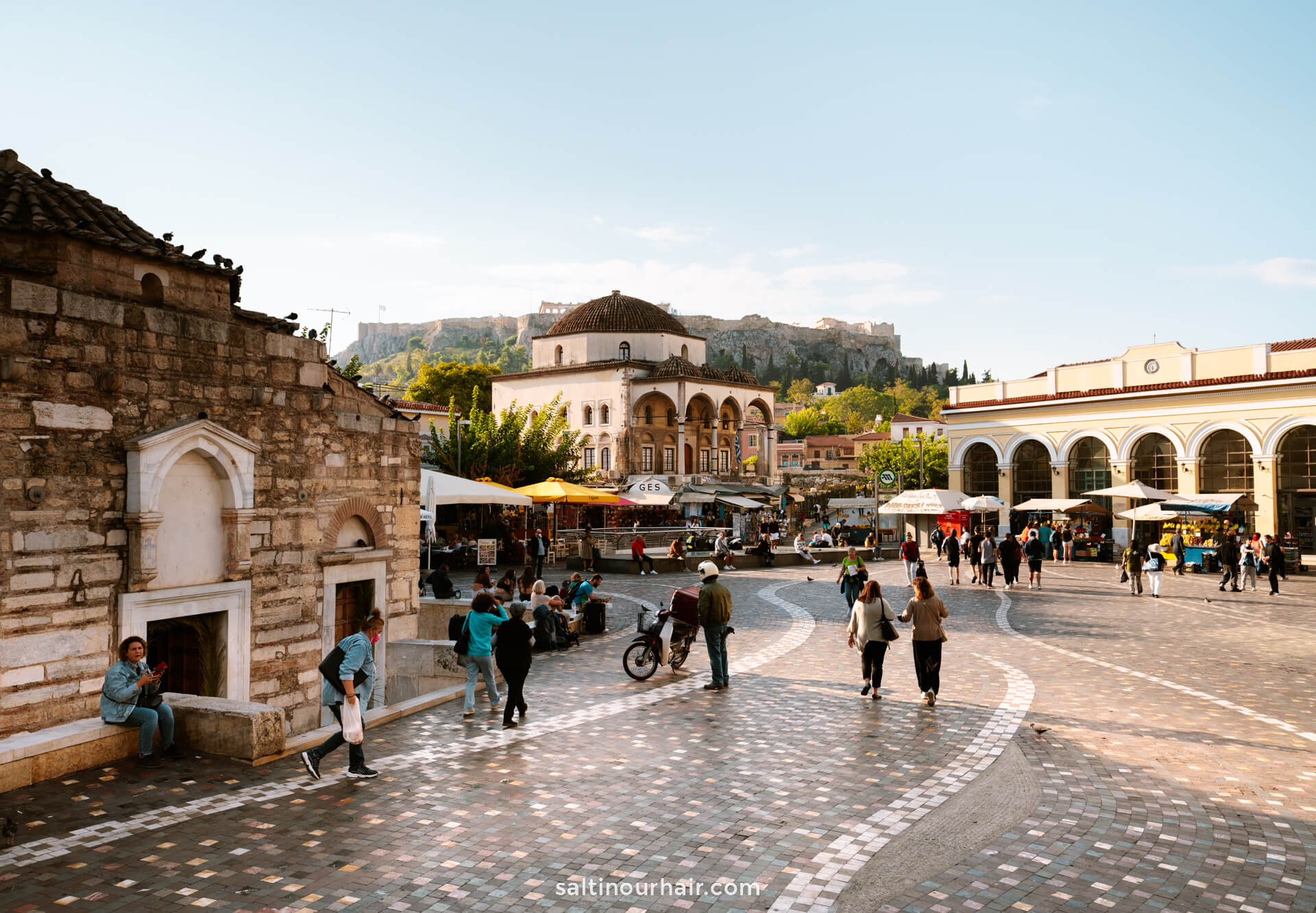
Athens is one of Europe’s most rewarding first-time city breaks because it gives you two trips in one. On one side, you get the heavy hitters: the Acropolis, ancient temples, grand archaeological sites, and one of the world’s most recognizable historical skylines. On the other, you get a city that still feels lively, scruffy, local, and full of rhythm—street cafés, rooftop bars, market lanes, neighborhood stairs, and quick escapes to the coast.
That contrast is exactly why Athens works. It does not feel like a museum-city where everything stops at sunset. You can spend the morning on the Acropolis, the afternoon drifting through Plaka and Monastiraki, and the evening with cocktails or dinner facing the illuminated Parthenon. Add in the Athenian Riviera, and Athens becomes much stronger than a simple stopover before the islands.
This guide is built for practical planning: what to prioritize, how many days you need, where to stay, how to move around, what to eat, and how to shape an Athens trip that feels smart instead of overheated or rushed.
Essential Info
| Category | Details |
|---|---|
| Country | Greece |
| Currency | Euro (EUR) |
| Language | Greek |
| Airport | Athens International Airport (ATH) |
| Best Time | April-May and September-October |
| Ideal Trip Length | 2-3 full days |
| Best For | History, walkable neighborhoods, food, rooftop views, short Europe breaks |
| Trip Style | Great for first-time independent travel |
Good to know: Athens rewards early starts and slower evenings. Do the big archaeological sights before the strongest midday heat, then save neighborhoods, food, bars, and viewpoints for late afternoon and night.
Why Athens Is Such a Strong Europe Pick
Athens is not Europe’s prettiest city in a polished postcard sense. That is also part of its appeal. It feels real, layered, and surprisingly versatile.
Why travelers love it:
- The Acropolis is genuinely world-class and still dominates the city experience
- Historic neighborhoods are easy to explore on foot once you stay central
- The food-and-café culture is strong without requiring luxury budgets
- It is often cheaper than other major European capitals
- The city has nightlife and atmosphere, not just monuments
- The coast is close enough for an easy add-on, which makes a short trip feel broader
Athens works best when you combine ancient landmarks, slow neighborhood wandering, one or two scenic viewpoints, and one day or half-day that leans into food or the Riviera.
Best Time to Visit Athens
| Season | What to Expect |
|---|---|
| Mar-May | Warm but manageable weather, strong sightseeing conditions, spring energy ✅ |
| Jun-Aug | Long days and lively nights, but heat can be intense, especially midday ⚠️ |
| Sep-Oct | Excellent balance of warmth, sea access, and better walking conditions ✅ |
| Nov-Feb | Milder off-season with fewer crowds, lower prices, and less beach appeal |
Best overall months: April, May, late September, and October.
When to be careful: July and August can be brutally hot for archaeology-heavy days. If you visit then, shape your plan around very early mornings, long breaks, and sunset activity.
How Many Days Do You Need?
2 days
Enough for the Acropolis, Acropolis Museum, Plaka, Monastiraki, one viewpoint, and a couple of memorable meals or rooftop stops.
3 days
The sweet spot for most first-time visitors. You can see the headline sights without rushing, add a neighborhood detour or market session, and include a Riviera outing or beach break.
4 days+
Best if you want museums at a slower pace, deeper food exploring, extra nightlife, or a fuller Athenian Riviera day.
Top Experiences in Athens
1. Start with the Acropolis and the Acropolis Museum
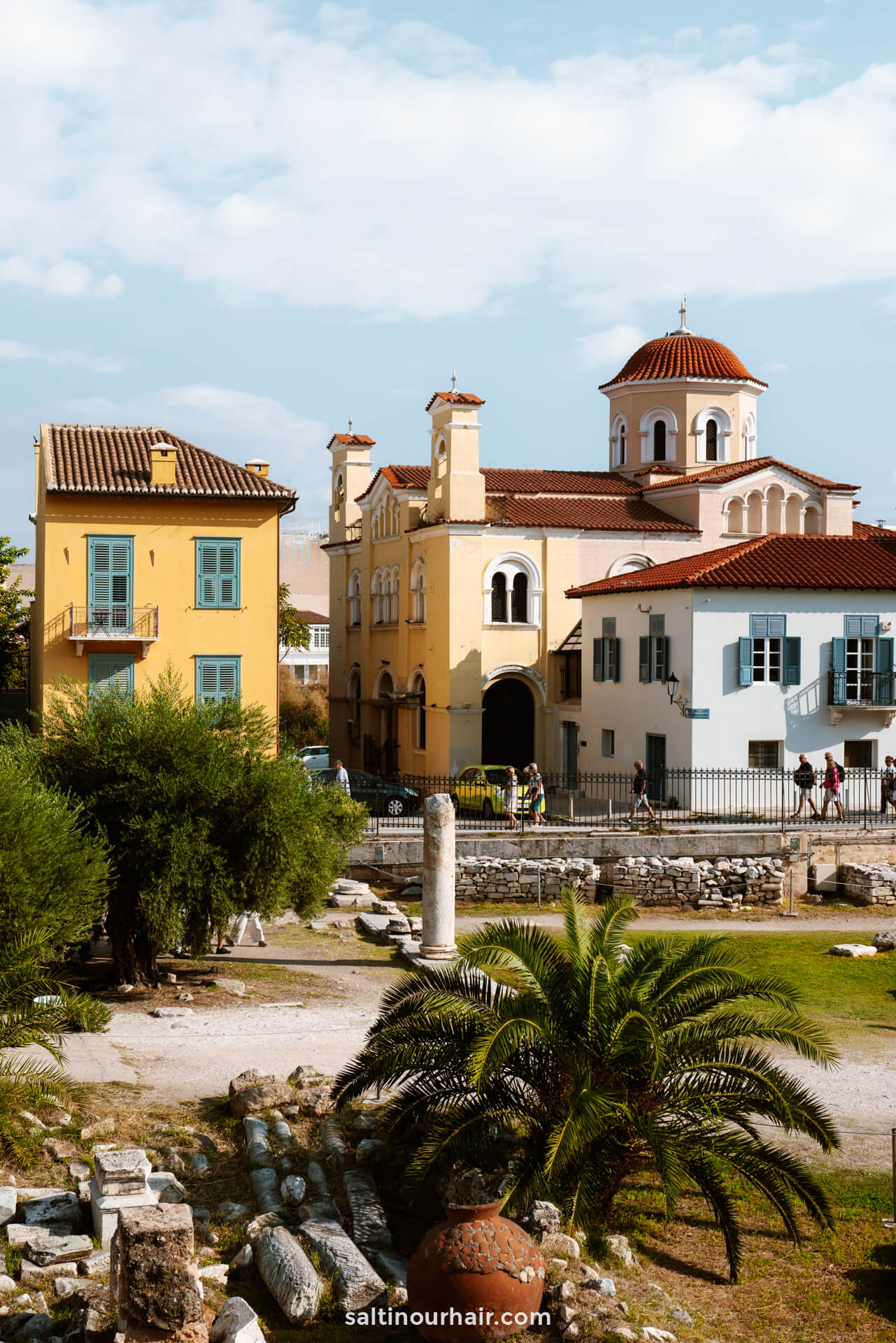
If this is your first time in Athens, the Acropolis is the obvious priority—and it earns that status. It is not just an isolated monument. It is the visual and emotional anchor of the city. From the moment you start walking central Athens, you notice how often the hill reappears between streets, terraces, and rooftops.
What makes it worth doing properly:
- The Parthenon is still breathtaking in person
- The wider site matters, not just the main temple
- The views over Athens are part of the experience
- The Acropolis Museum adds context without feeling dusty or dated
Smart strategy: book an early entry slot, wear shoes with grip, carry water, and avoid treating it like a fast photo stop. Pair the visit with the Acropolis Museum either immediately after or later the same afternoon when you want air-conditioning and context.
Important: ticket rules, opening hours, and combined-pass options change. Always verify official details before you go.
2. Wander Plaka, Anafiotika, and Monastiraki
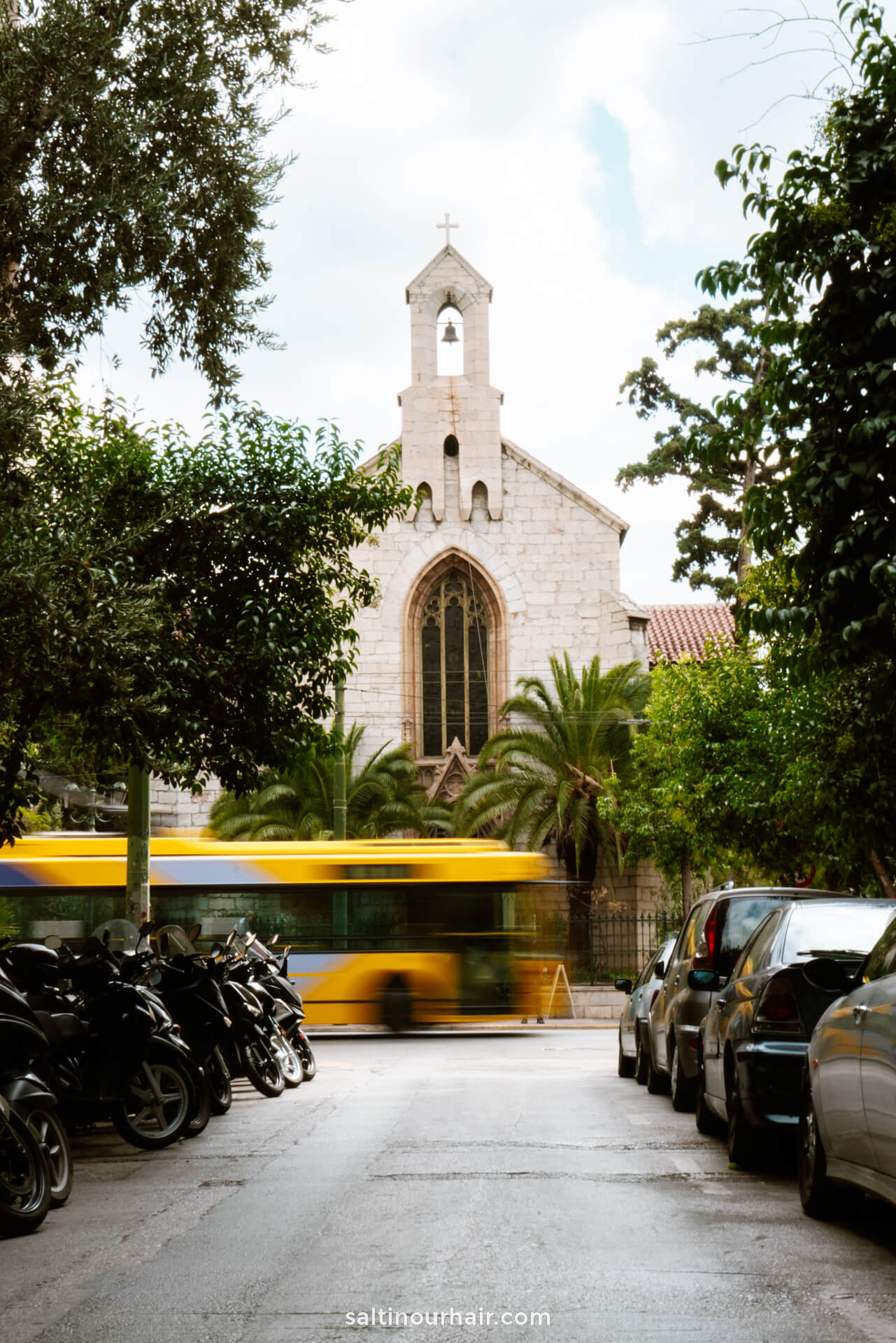
This is the most satisfying part of central Athens outside the archaeological zone. Plaka gives you tree-lined lanes, older houses, steps, terraces, and a softer atmosphere under the Acropolis. Anafiotika, tucked into the slope, feels almost like a miniature Cycladic island village with whitewashed walls and narrow alleys. Monastiraki adds more motion: shopping, flea-market energy, and a slightly grittier urban pulse.
Why this area matters:
- It gives Athens its most walkable short-trip personality
- You can move between sightseeing, lunch, shopping, and viewpoints naturally
- It works just as well by day as it does after dark
Don’t miss:
- The side lanes of Plaka rather than only the busiest strips
- Anafiotika for a distinctly Greek-island feel in the city
- Monastiraki for souvenirs, antiques, and people-watching
- A slow climb through restaurant-lined stairs or terraces near sunset
This is where Athens stops feeling like a checklist and starts feeling addictive.
3. Explore Markets, Flea Finds, and Street Art

Athens has a rougher, more expressive side that balances the classical image. If you only stay inside the monument bubble, you miss part of the city’s appeal.
Monastiraki Flea Market is the easiest entry point. You will find vintage objects, leather goods, souvenirs, clothing, records, and the kind of slightly chaotic browsing that makes city breaks memorable. If you enjoy markets, antique corners, or second-hand shopping, give it real time instead of squeezing it in between tickets.
Athens also has a serious street-art scene, especially around neighborhoods like Psyrri, Exarchia, and Gazi. It is one of the reasons the city feels contemporary rather than frozen in the past.
Best approach:
- Browse Monastiraki in late morning or late afternoon
- Combine it with a coffee stop instead of speed-shopping
- If street art interests you, treat it as a neighborhood walk, not a box to tick
4. Save Sunset for a Hilltop or Rooftop
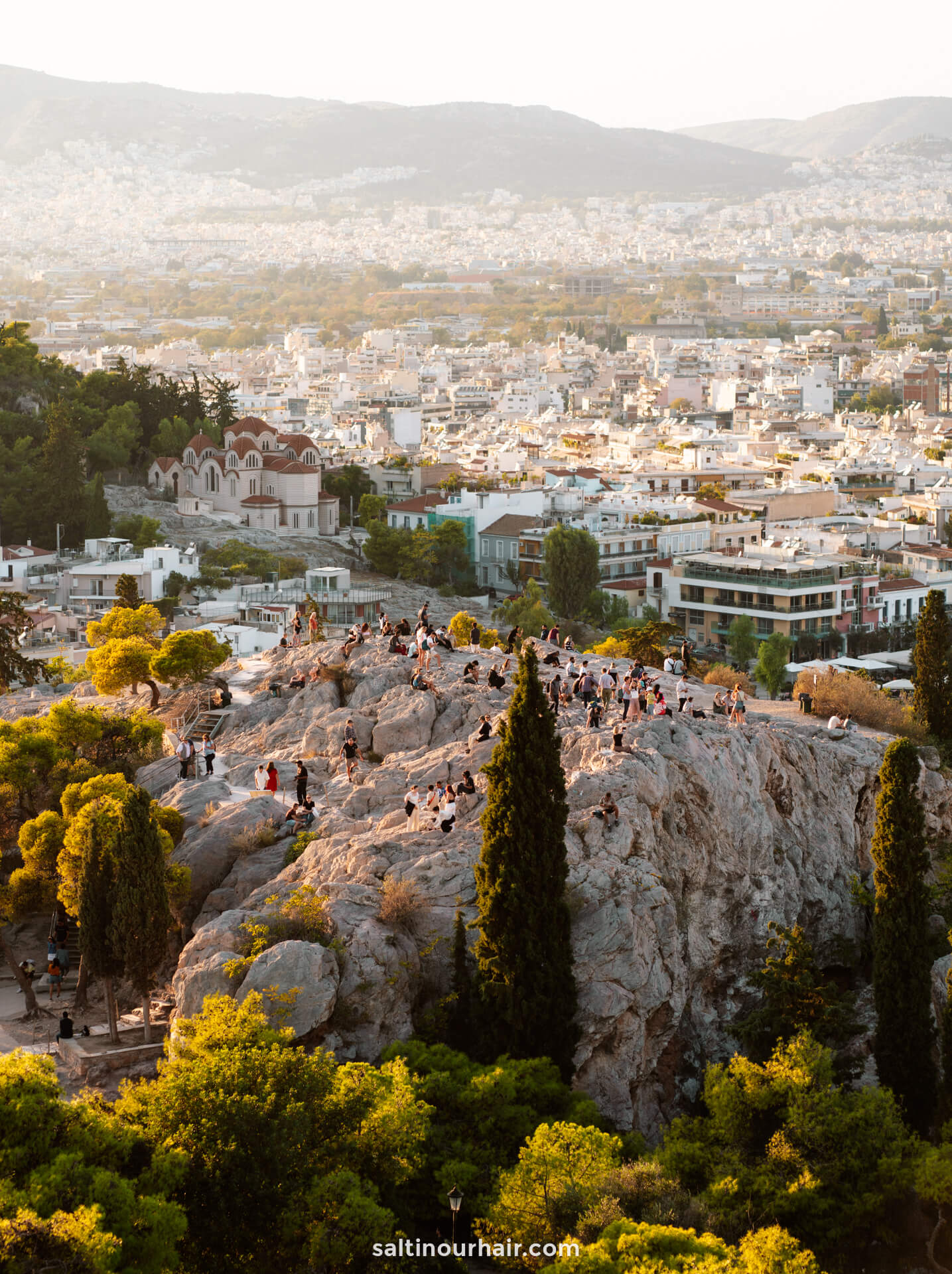
Athens is at its most cinematic when the light softens and the city starts glowing around the Acropolis.
The smartest places to shape your evening:
- Philopappos Hill for a scenic walk and broad city views
- Areopagus / Mars Hill for a more central, easy-access sunset stop
- Lycabettus Hill for a dramatic higher panorama over the urban sprawl
- Rooftop bars if you want Acropolis views without another climb
Athens is not a city where you should rush back to your hotel after dinner. The evening rhythm matters. Rooftops, open-air cinemas, and terrace dinners are a big part of why short trips here feel rich.
Best strategy: keep one evening loose. Do not overbook museums or timed entries late in the day. Let sunset be the anchor.
5. Use the Athenian Riviera to Broaden the Trip
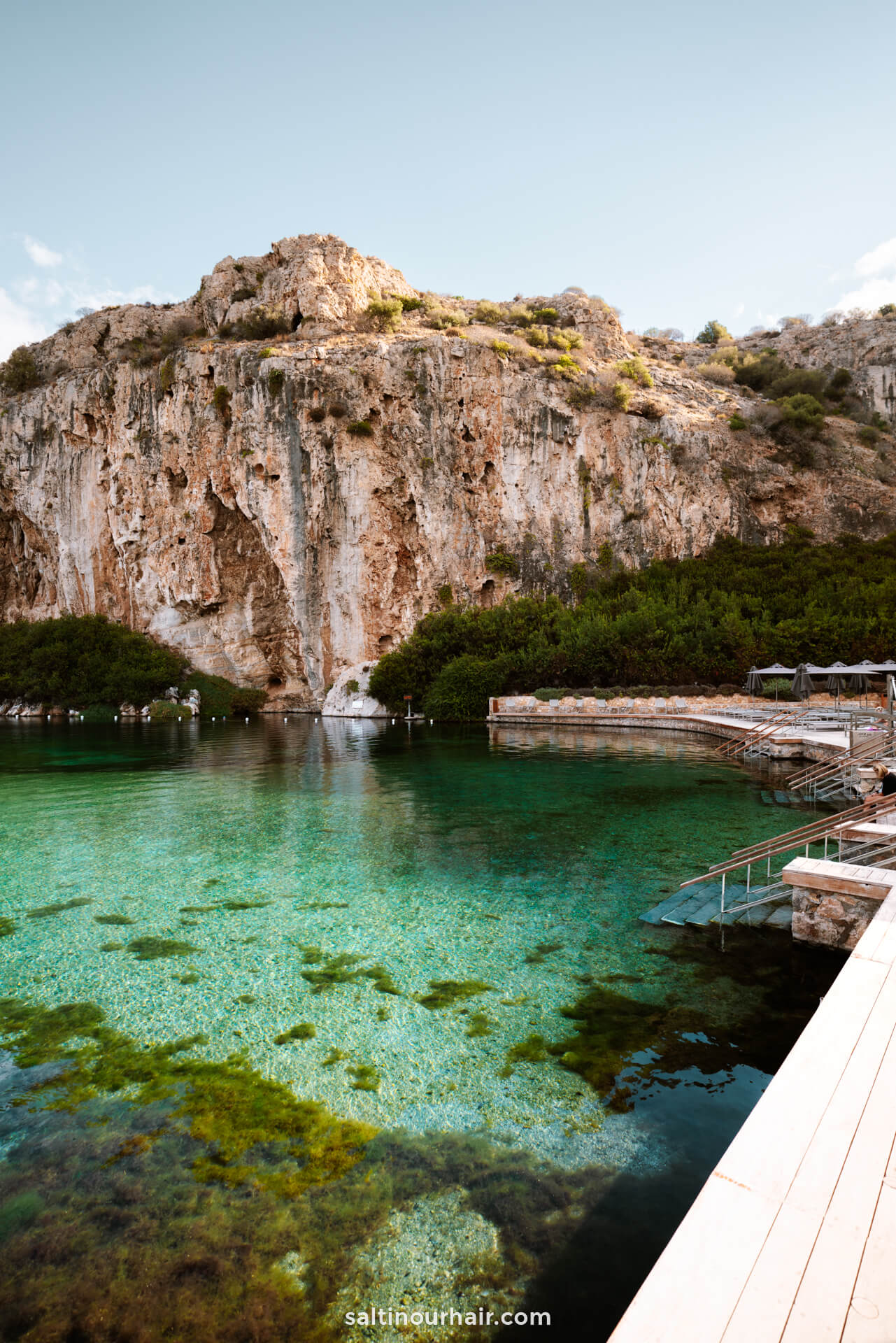
One of Athens’s biggest advantages is that a coastal reset is easy. If you have a third day, the Athenian Riviera is the move that makes the trip feel more complete.
Lake Vouliagmeni is the standout if you want a low-friction day trip: scenic water, a more relaxed mood, and a setting that feels very far from the ancient-stones-and-concrete-city mix of central Athens. The wider Riviera also offers organized beaches, rocky coves, and loungers if you simply want to swim and decompress.
Why this matters for trip planning:
- It turns Athens into more than a history stop
- It helps balance archaeology-heavy days
- It works especially well in warmer months
- It is a strong option for couples or slower-paced city-break travelers
If you only have two days, skip the Riviera and stay focused. If you have three, it is one of the best upgrades you can make.
6. Eat Slowly, Drink Late, and Lean into the Local Rhythm

Athens is a great food city when you stop chasing only “best restaurant” lists and start using the local rhythm properly. Coffee is unhurried, lunch can stretch, and dinner starts later than many visitors expect.
What to try:
- Souvlaki and grilled meats
- Greek salads done properly
- Meze spreads for sharing
- Seafood if you want a longer sit-down meal
- Freddo espresso or Freddo cappuccino in warm weather
Food areas that work well for visitors:
- Plaka for atmospheric dinners
- Psyrri for bars and more contemporary energy
- Koukaki for a slightly more local-feeling base near major sights
- Monastiraki for easy casual stops between attractions
One of the easiest Athens mistakes is moving too fast. The city gets better when you leave time for shade, coffee, and one properly long evening meal.
Where to Stay in Athens
| Area | Why Stay Here | Best For |
|---|---|---|
| Plaka | Classic atmosphere, walkable, pretty streets under the Acropolis | First-timers, short trips |
| Koukaki | Convenient for the Acropolis Museum, strong café scene, slightly calmer | Couples, repeat visitors |
| Monastiraki | Central, lively, easy for transport and shopping | Travelers who want energy |
| Psyrri | Nightlife, restaurants, younger vibe | Food and bar-focused travelers |
| Petralona / Thissio | More local-feeling, still accessible | Slower travelers, better value seekers |
Best first-time base
For a first trip, staying somewhere between Plaka, Koukaki, and Monastiraki makes the entire city dramatically easier. You can walk to breakfast, major sights, and your evening plans without constantly using transit.
Best-value strategy
If the most photogenic streets are outside budget, go one layer outward rather than far away. In Athens, being reasonably central matters more than having a bigger room.
What to Eat in Athens
Athens is one of those cities where simple meals often outperform overplanned dining.
What to prioritize
- Souvlaki and gyros
- Meze and dips for a longer table-sharing meal
- Seafood when you want something more leisurely
- Baklava or syrupy pastries
- Greek coffee culture by day, cocktails by night
Good daily food rhythm
- Start one morning with specialty coffee and pastry
- Keep one lunch simple near sightseeing areas
- Use a late dinner as a main event
- Save one rooftop or view-driven bar for sunset
How to Get Around Athens
Athens is easier than it first looks, as long as you stay central and plan around heat.
Walking
Central Athens is highly walkable for most visitors. Many of the main areas connect naturally, especially around the Acropolis, Plaka, Monastiraki, Koukaki, and Syntagma.
Metro
The metro is the best tool for the airport, longer city hops, and easy access beyond the historical core.
Tram / coastal transit
Useful if you are heading toward the Riviera and beaches.
Taxi / rideshare
Helpful late at night or when temperatures are punishing, but most short trips should not need many rides if you stay central.
Airport transfer
Allow roughly 40-50 minutes from Athens Airport into the center by rail, depending on your final neighborhood and connection.
Smart 3-Day Athens Itinerary
Day 1 — Acropolis, Museum, Plaka
- Start early at the Acropolis
- Continue to the Acropolis Museum
- Break for lunch and shade
- Wander Plaka and Anafiotika in the late afternoon
- End with dinner and a rooftop drink facing the lit-up Acropolis
Day 2 — Monastiraki, Markets, Street Life, Sunset
- Explore Monastiraki and flea-market lanes
- Add a shopping, café, or street-art detour through Psyrri or nearby neighborhoods
- Keep the afternoon lighter
- Do sunset from Philopappos, Areopagus, or Lycabettus
- Finish with cocktails or a late dinner
Day 3 — Riviera Reset or Slow City Day
Option A: Athenian Riviera
- Head to Lake Vouliagmeni or an organized beach
- Swim, rest, and return for a final city dinner
Option B: Slow urban Athens
- Visit the National Garden
- Add the Panathenaic Stadium area
- Fit in one more long lunch, café, or open-air cinema plan
If you only have 2 days
Cut the Riviera and keep the trip fully urban. Athens is better focused than overextended.
Sample Budget
| Travel Style | Daily Budget |
|---|---|
| Budget | €70-110 |
| Mid-range | €140-230 |
| Comfort / Premium | €280+ |
Why Athens often feels high-value
- Major sights are concentrated
- Food can be excellent without luxury pricing
- Walking reduces transport friction
- A short trip still feels full and varied
Practical Tips
✅ Start your archaeology days early
✅ Save viewpoint and rooftop plans for golden hour
✅ Stay central if possible
✅ Use the third day for the Riviera only if you truly have the time
✅ Keep one evening unstructured for the city’s nightlife rhythm
⚠️ Main mistake: trying to do Athens like a straight-line history lecture. The city is better when you mix monuments, neighborhoods, café time, and evening atmosphere.
FAQ
Is Athens worth visiting for first-time Europe travelers?
Yes. It combines iconic history, strong food culture, walkable central districts, and a lower-friction price point than many major European capitals.
How many days do I need in Athens?
Three days is ideal for a first trip. Two days works well if you stay focused.
Is Athens expensive?
Compared with many major Western European capitals, Athens can be relatively good value, especially for food and casual daily spending.
Should I use Athens only as a gateway to the islands?
No. Athens deserves its own city-break framing, especially if you care about history, nightlife, or food.
What should I prioritize first?
The Acropolis, Acropolis Museum, Plaka, Monastiraki, one sunset viewpoint, and one memorable dinner or rooftop evening.
You May Also Like
Final Take
Athens works best when you stop treating it like a pre-island transit city and start treating it like one of Europe’s most layered short breaks. It gives you ruins that genuinely matter, neighborhoods with texture, long evenings with real atmosphere, and the option to turn a city trip into a coast-and-history hybrid without much effort.
For most travelers, the winning formula is simple: stay central, do the Acropolis early, keep afternoons flexible, and let food, rooftops, and sunset shape the emotional high points of the trip.
That is when Athens stops feeling chaotic and starts feeling magnetic.
Source: Salt in Our Hair — 11 Best Things to do in Athens, Greece Adapted and reformatted for AirSaver.Online with original source images.