Florence Travel Guide 2026: Duomo Views, Ponte Vecchio, Wine Windows & a Smart 2-Day Itinerary
Published: June 1, 2026
Florence is one of those rare cities that feels grand and intimate at the same time. You get Renaissance icons, marble facades, elegant bridges, tiny wine windows, photogenic lanes, and memorable food — but the historic center is compact enough that a first-time visitor can enjoy a lot without spending the whole trip in transit. This guide is built for practical travelers: what to prioritize, where to walk, how to arrive, where to stay, what to eat, and how to structure a smart short stay.
Essential Info
| Category | Details |
|---|---|
| Country | Italy |
| Region | Tuscany |
| Currency | Euro (EUR) |
| Language | Italian |
| Airport | Florence Airport, Peretola (FLR) |
| Best Time | Apr-May, Sep-Oct |
| Ideal Trip Length | 2 to 3 days |
| Walkability | Excellent in the historic center |
Good to know: Florence rewards early starts. The city center gets crowded fast, especially around the Duomo and Ponte Vecchio, but mornings and evenings are magical.
Why Visit Florence?
Florence works especially well for travelers who want a compact European city break with strong culture and atmosphere.
What makes Florence special
- A visually stunning historic core with world-famous architecture packed into a walkable area
- A high reward-to-effort city — easy to navigate, easy to fill a short trip well
- Great food moments without needing a complicated restaurant strategy
- A strong mix of icons and small details like artisan shops, quiet lanes, and wine windows
- An easy Tuscany add-on if you are continuing to Siena, Pisa, or the countryside
Florence is not a checklist city only. The best version of the trip is a mix of major sights, slower wandering, and well-timed meals.
Best Things to Do in Florence
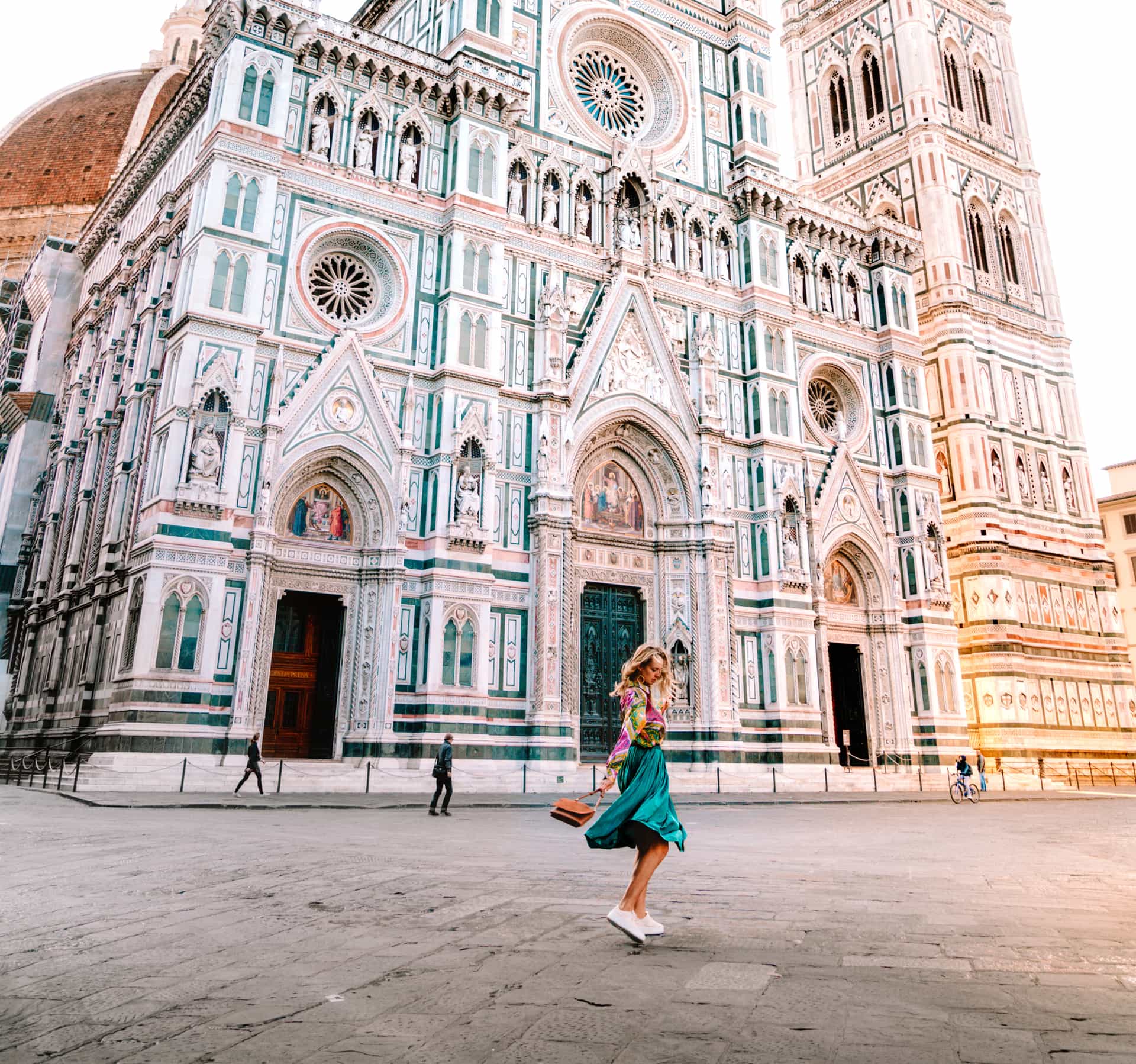
1. Start at the Duomo
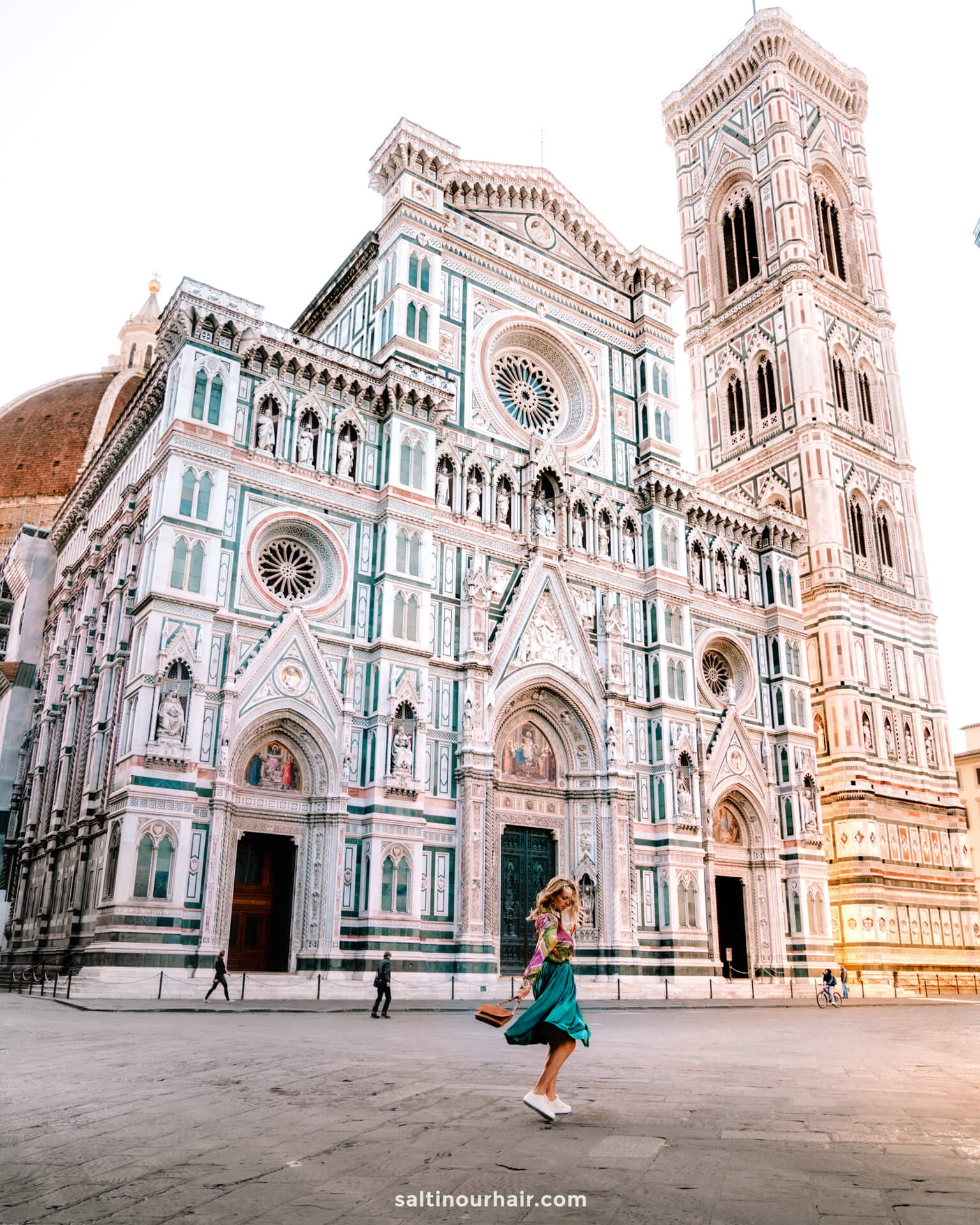
The Cathedral of Santa Maria del Fiore is Florence’s visual anchor and the city’s most impressive first-time stop.
Why go:
- The white, green, and pink marble exterior is one of the most striking church facades in Europe
- The piazza gives you an instant sense of Florence’s scale and beauty
- It is the natural center point for orienting your trip
Smart tip: Visit early in the day, then return around sunset when the square feels more atmospheric and the stone takes on warmer color.
2. Walk Piazza della Signoria and Palazzo Vecchio
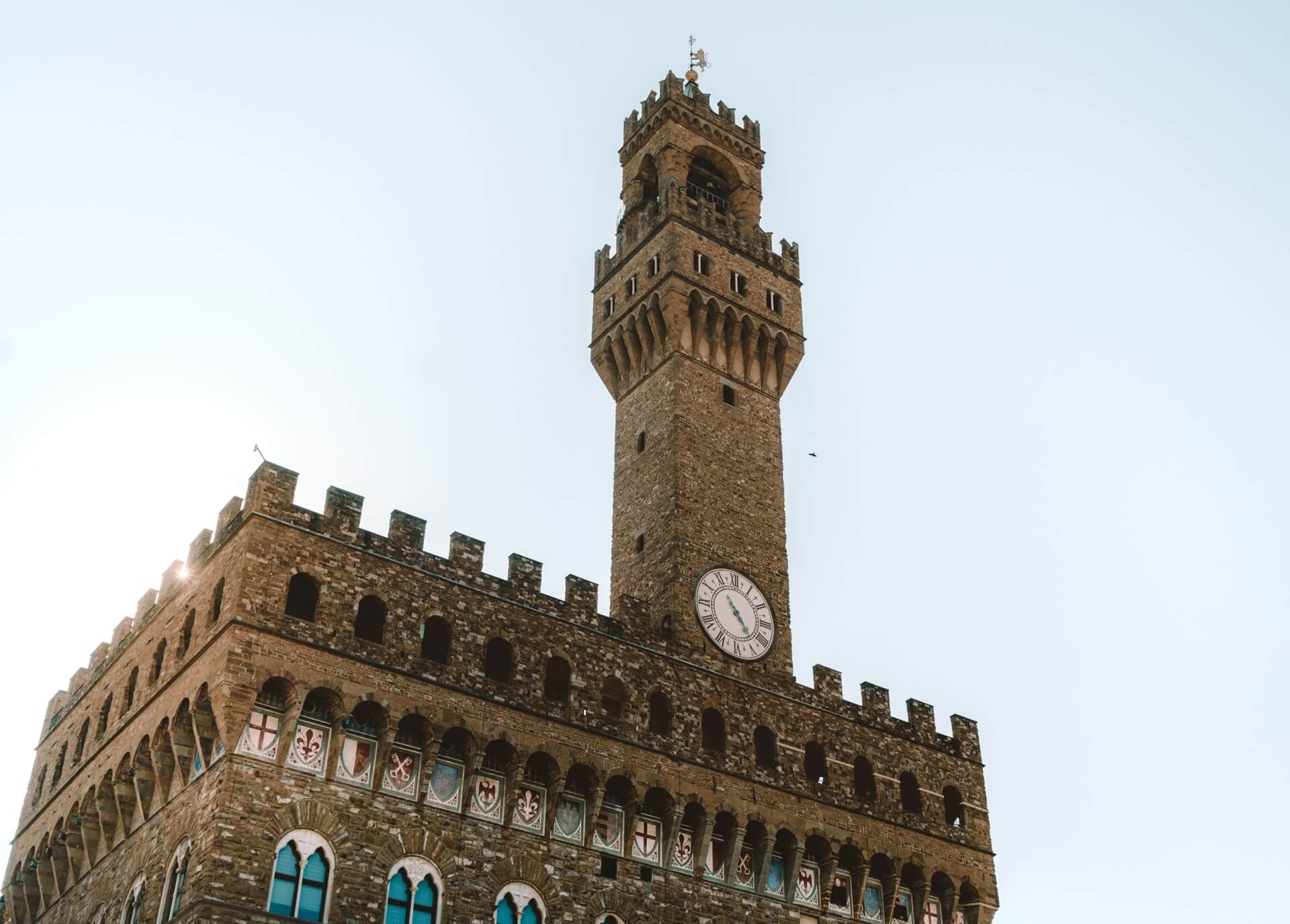
This is one of the best places in Florence to feel the city’s civic and artistic history in one glance.
Why it matters:
- Palazzo Vecchio dominates the square with medieval authority
- The area is dense with sculpture, architecture, and people-watching
- It connects naturally with the Uffizi side of the center
Best use of time: Come in the morning before the square becomes too busy, then continue on foot toward the river.
3. Cross Ponte Vecchio
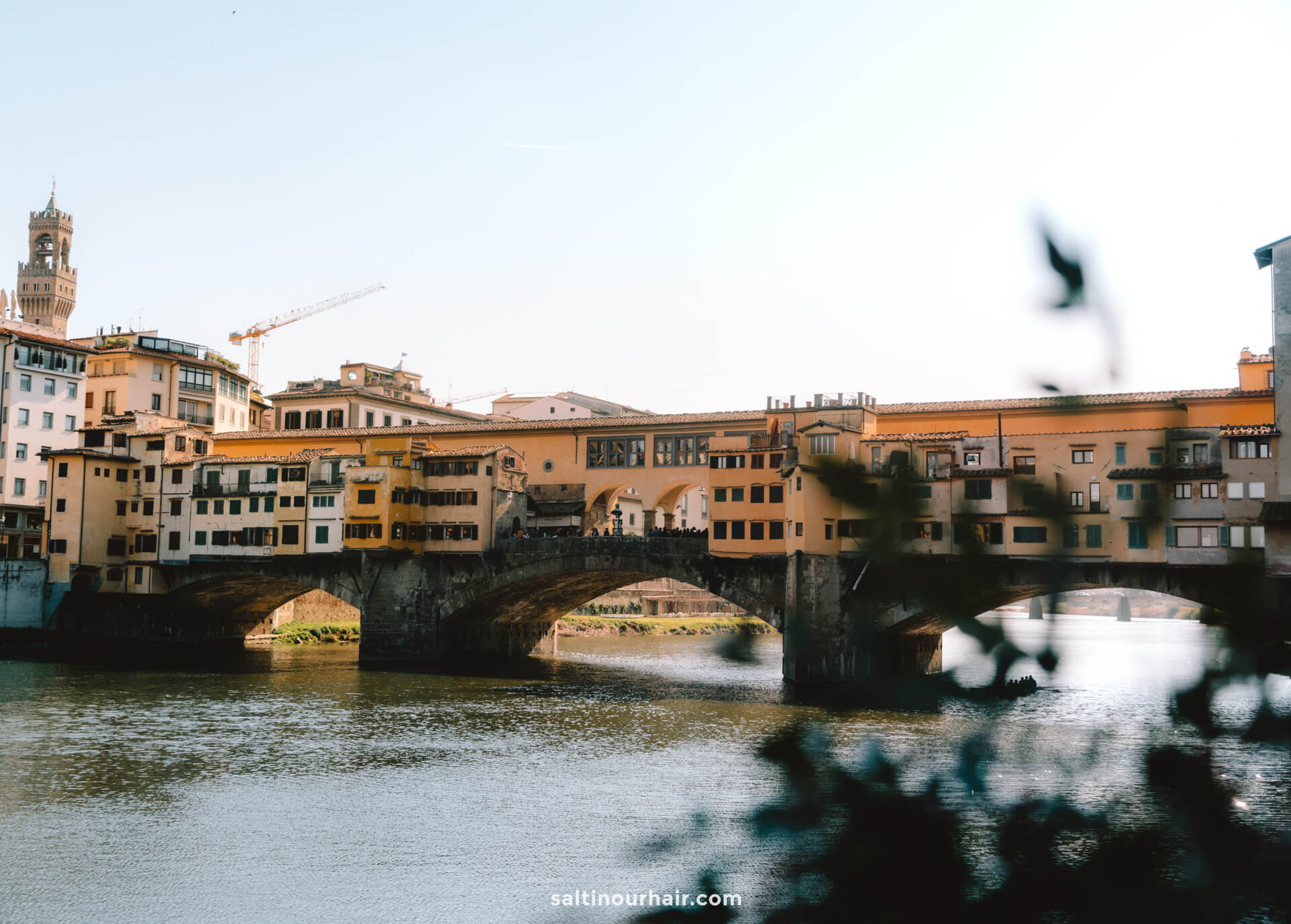
Ponte Vecchio is one of Florence’s most iconic sights and still worth seeing even if it feels crowded in the middle of the day.
Why go:
- It is Florence’s signature bridge experience
- The river views are classic and photogenic
- It links the busiest center with quieter streets across the Arno
Best time: Sunrise, early morning, or just before sunset.
Reality check: The bridge itself is more about atmosphere and views than shopping quality. Cross it, enjoy it, and keep moving.
4. Try a Famous Florence Food Stop
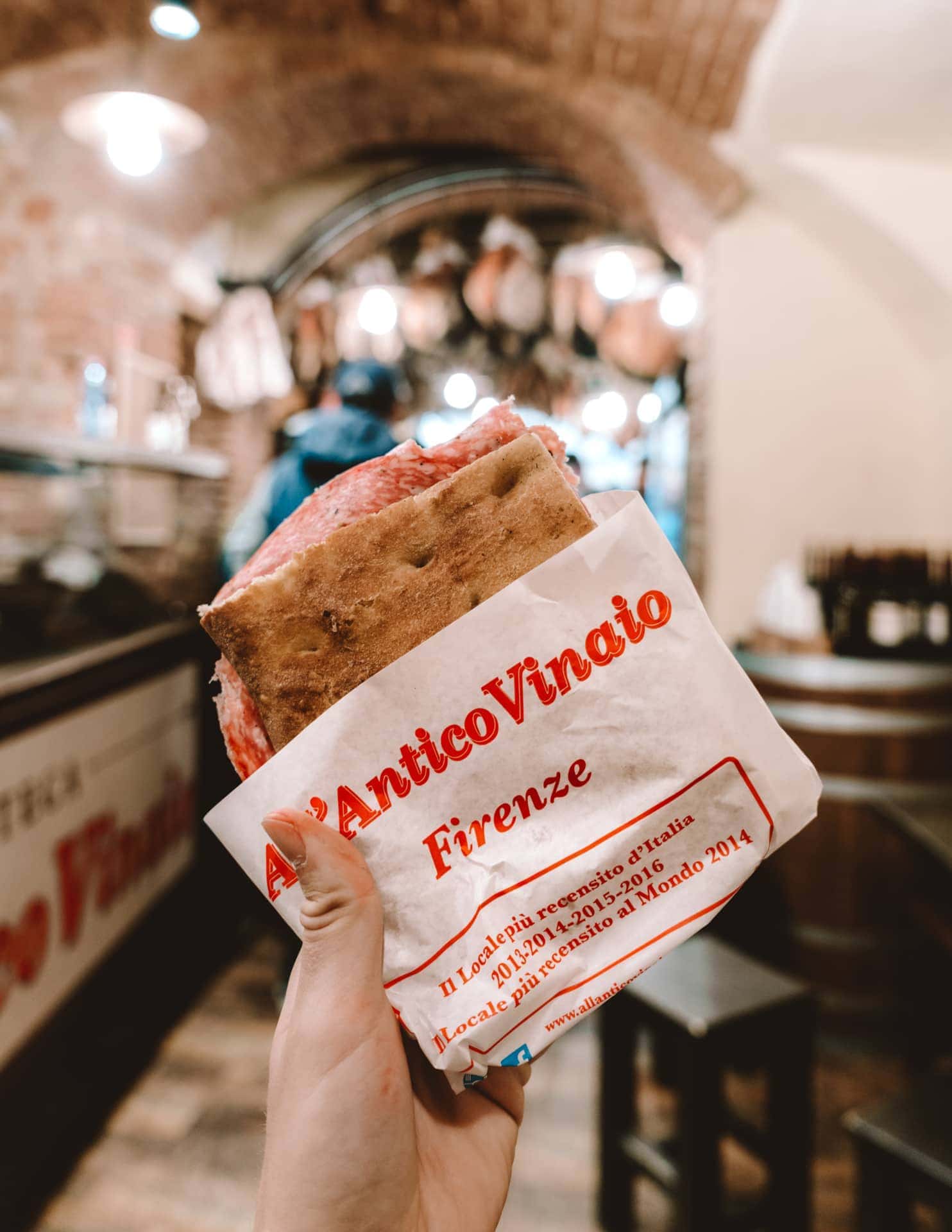
Florence is not just an art city — it is an easy food city.
One of the best-known stops is All’Antico Vinaio, famous for its enormous sandwiches and long queues. It is absolutely touristy, but still useful as a classic first-time Florence food moment if the line feels manageable.
Other food priorities:
- Gelato in the late afternoon
- A sit-down Tuscan dinner away from the busiest piazzas
- A wine stop in Santa Croce or Oltrarno
5. Find the Wine Windows
One of Florence’s most memorable little experiences is visiting the city’s historic wine windows (buchette del vino). These small openings in old walls date back centuries and some are still used today.
Why they are fun:
- They feel local, playful, and distinctly Florentine
- They turn an ordinary walk into a small travel story
- They work especially well as a late-afternoon or early-evening stop
Good areas to look:
- Around Santa Croce
- Historic center side streets
- Oltrarno pockets with a slower pace
6. Spend Time Around Santa Croce

Santa Croce feels a touch more relaxed than the Duomo zone and is one of the best places to slow down.
Why go:
- Attractive square with good sitting-and-watching energy
- Easier food and bar access than the most crowded central blocks
- A good base area for travelers who want atmosphere without constant chaos
If you only have two days in Florence, this is one of the best places to build in unstructured time.
7. End the Day with a Rooftop or Duomo View
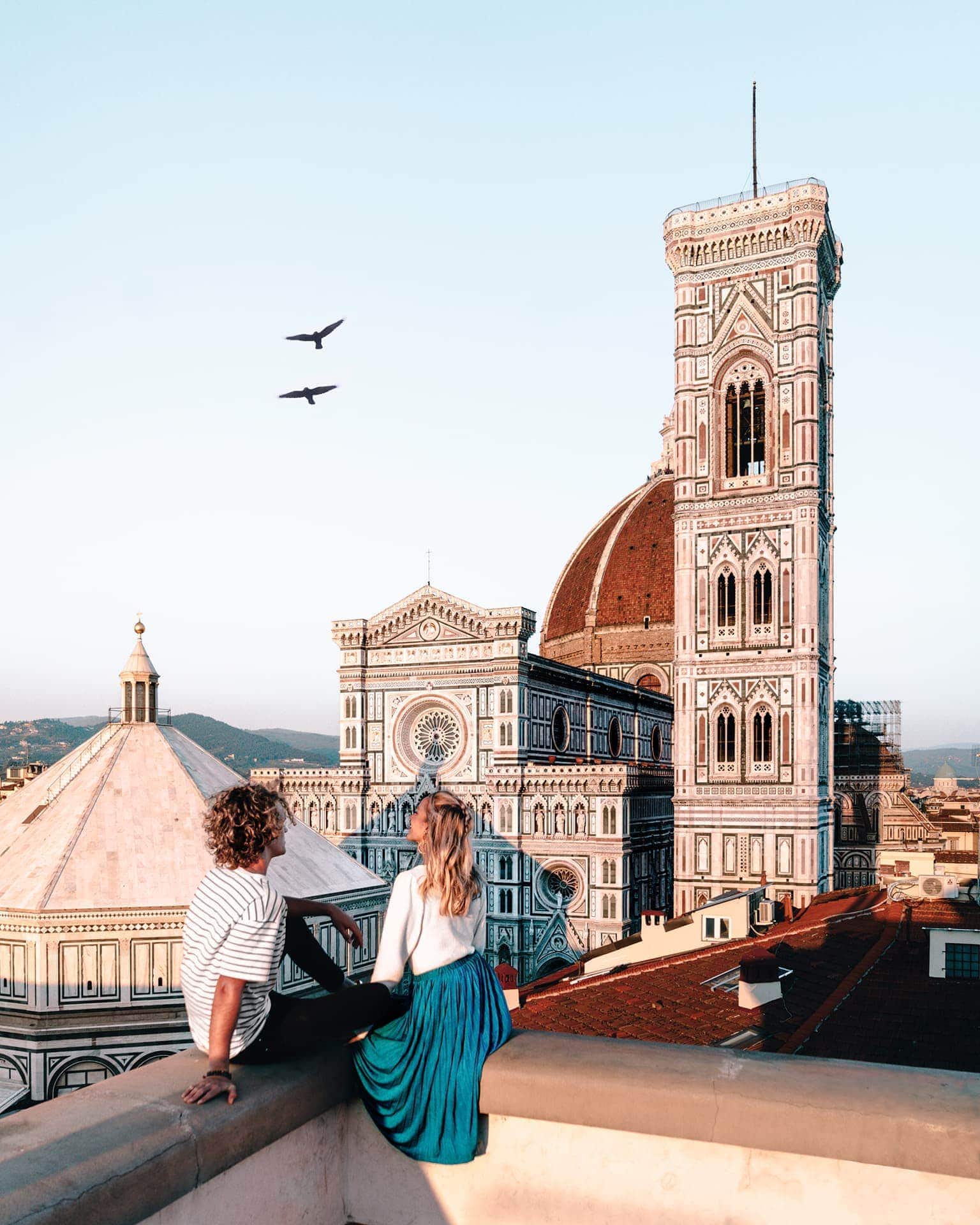
Florence is a city of rooftops, domes, and warm evening light.
Best evening move: Return to the Duomo area or book a rooftop drink with a view. The city becomes much more memorable when you pause for skyline perspective instead of rushing from sight to sight.
Best Neighborhoods in Florence
Duomo / Historic Center
Best for: first-time visitors, maximum convenience, short stays
This is the easiest base if you want to walk almost everywhere, but it is also the busiest.
Santa Croce
Best for: atmosphere, bars, food, slightly more local energy
A very strong choice for travelers who want central access without being in the thickest tourist flow all day.
Oltrarno
Best for: slower streets, artisan feel, romantic stays
Across the river, with a more relaxed mood and a better chance of finding corners that feel less overrun.
Near Santa Maria Novella
Best for: rail convenience, quick arrivals and departures
Useful if Florence is part of a broader Italy train trip and you want smoother logistics.
What to Eat in Florence
Florence is a good city for simple priorities rather than an overplanned food itinerary.
Good first-timer food list
- Sandwiches — especially if you want a quick famous stop
- Gelato — ideal as an afternoon walking break
- Tuscan pasta and meat dishes at a proper dinner
- Aperitivo or wine-window drinks before dinner
- Pastries and coffee for a fast start
Eating strategy
- Avoid choosing your main meal right beside the biggest landmarks
- Walk a few streets away before committing to a table
- Lunch can be simple; save your dinner slot for a nicer atmosphere
- If a famous sandwich line is too long, skip it and move on — Florence has plenty of ways to eat well
How to Get to Florence
From Florence Airport (FLR)
The airport is close to the city, which makes arrival relatively painless.
Main options:
- Tram: cheap and practical for most travelers
- Taxi: good if you have luggage or a hotel outside the tram’s easy reach
- Private transfer: optional, usually unnecessary unless timing is awkward
By Train
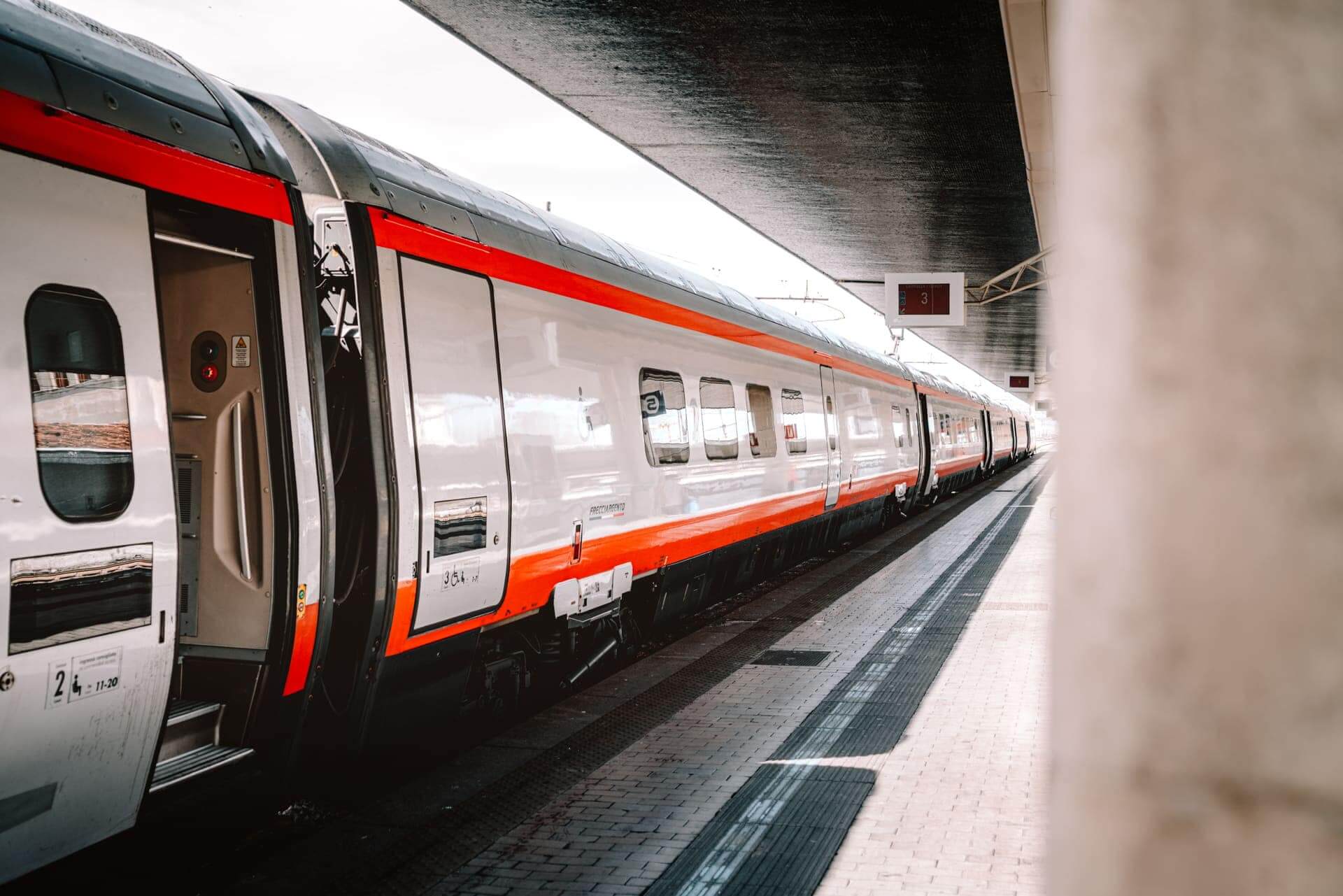
Florence is one of Italy’s easiest major cities to include in a rail itinerary.
Why train works well:
- Rome is a straightforward high-speed connection
- The station is close enough to the center for many hotel walks or short taxi rides
- It is often the cleanest option if you are pairing Florence with Rome, Venice, Bologna, or Milan
Best strategy: If Florence is part of a multi-city Italy trip, arrive by train unless you specifically need a car for Tuscany countryside stops.
How to Get Around Florence
Florence is mostly a walking city.
Best transport strategy
| Transport | Best For |
|---|---|
| Walking | Historic center, Duomo, Santa Croce, Ponte Vecchio |
| Taxi | Hotel transfer with luggage, very early/late arrivals |
| Tram | Airport access, practical outer connections |
Important note: You do not need to overcomplicate Florence transport. A good hotel location matters more than any pass.
How Much Does Florence Cost?
Florence is not Italy’s cheapest destination, especially in peak season, but it is manageable if you book accommodation early and stay intentional about where you eat.
Typical daily budget
| Travel Style | Daily Budget |
|---|---|
| Budget | €70-120 |
| Mid-range | €150-280 |
| Comfort / Premium | €300+ |
Where costs rise fastest
- Hotels in the center during peak season
- Restaurants immediately around major landmarks
- Last-minute bookings
Good value moves
- Travel in spring or fall
- Stay slightly outside the busiest Duomo blocks
- Use lunch for famous casual stops and save dinner for one stronger meal
Best Time to Visit Florence
| Season | What to Expect |
|---|---|
| Apr-May | Great walking weather, lively but manageable ✅ |
| Jun-Aug | Hot, crowded, busiest season |
| Sep-Oct | Excellent all-round balance ✅ |
| Nov-Feb | Quieter, moodier, fewer crowds but less outdoor sparkle |
Best overall months: April, May, late September, October
If heat and crowds ruin your mood, avoid peak summer weekends.
Smart 2-Day Florence Itinerary
Day 1 — Florence Icons
- Duomo area early in the morning
- Piazza della Signoria and Palazzo Vecchio
- Walk toward the river
- Cross Ponte Vecchio
- Relaxed dinner in Santa Croce or Oltrarno
- Evening Duomo or rooftop view
Day 2 — Slow Florence
- Coffee and pastry start
- Explore quieter lanes and artisan shops
- Wine-window stop later in the day
- Santa Croce area for a slower lunch or aperitivo
- Famous sandwich or gelato stop
- Final golden-hour walk through the center
If You Have 3 Days
Use the extra day for one of these approaches:
Option 1: More museums and classic Florence
Add deeper cultural time around the Uffizi or other major interiors.
Option 2: Slower neighborhoods
Spend more time in Oltrarno, artisan streets, and café stops instead of adding more major sights.
Option 3: Tuscany extension planning
Use Florence as a launch point for a wider Tuscany route, especially if you are continuing by car or rail.
Practical Tips for First-Time Visitors
✅ Wake up early for your headline sights
✅ Return to the Duomo area twice — morning and sunset feel completely different
✅ Pick one or two famous food stops, not ten
✅ Walk a few blocks away from the most obvious restaurant strips
✅ Build in downtime for piazzas, rooftops, and river walks
⚠️ Main mistake: trying to do Florence as a nonstop museum-and-monument sprint. The city is better when you leave room for atmosphere.
FAQ
How many days do I need in Florence?
2 full days is enough for a satisfying first trip. 3 days gives you a much more relaxed pace.
Is Florence walkable?
Yes. For most first-time visitors, Florence is one of the easiest major cities in Europe to explore on foot.
Is Florence worth visiting if I have already been to Rome?
Absolutely. Rome feels grand and sprawling; Florence feels concentrated, elegant, and much easier to digest in a short trip.
Should I stay near the Duomo?
It is the most convenient option for a short first visit, but Santa Croce and Oltrarno often offer a nicer balance of atmosphere and sanity.
You May Also Like
Source: Salt in our Hair Adapted and formatted for AirSaver travelers.