Rome Travel Guide 2026: Ancient Icons, Rooftop Views, Food Neighborhoods & a Smart 3-Day Itinerary
Published: May 18, 2026
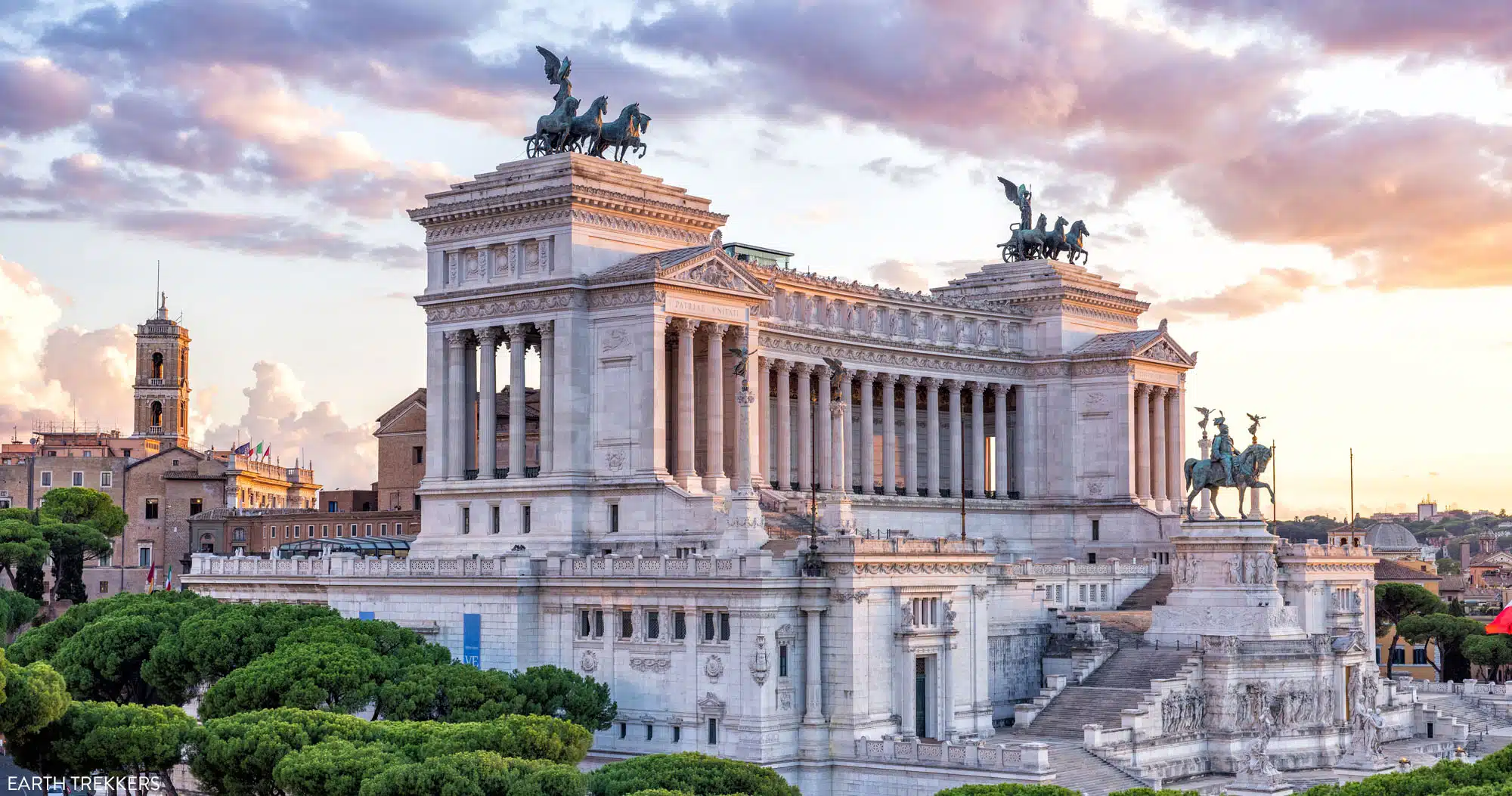
Rome is one of those cities that can feel overwhelming on paper and unforgettable in real life. There are blockbuster sights in every direction, layers of ancient history under your feet, and enough churches, piazzas, rooftop bars, and pasta stops to make bad planning expensive.
That is exactly why Rome rewards structure. If you book the right timed entries, stay in a smart neighborhood, and group your sightseeing by area, the city becomes far easier to enjoy. This guide is built for first-time visitors who want the essentials done properly: what to prioritize, how to move around, where to stay, what to eat, and how to shape a 3-day trip that feels exciting instead of exhausting.
Essential Info
| Category | Details |
|---|---|
| Country | Italy |
| Currency | Euro (€) |
| Language | Italian |
| Main Airports | Fiumicino (FCO), Ciampino (CIA) |
| Best Time | April-June and late September-October |
| Ideal Trip Length | 3 full days |
| Daily Budget | €110-220 mid-range |
| Power | 230V, Type C/F/L plugs |
Good to know: Rome is very walkable in the center, but not flat and not especially efficient if you zigzag without a plan. The best strategy is to group attractions by zone and reserve your big-ticket entries in advance.
Why Rome Is Still One of Europe's Best First-Time Cities
Rome gives you more than just famous monuments.
What makes it special:
- Ancient history that still feels physically present rather than trapped inside museums
- A city center built for wandering between piazzas, fountains, churches, and cafés
- Food that is easy to enjoy well even without luxury budgets
- A stronger evening atmosphere than many museum-heavy capitals
- Enough depth for repeat visits, but still highly rewarding on a first trip
The mistake most travelers make is treating Rome like a checklist. The better move is to build each day around one big zone, one major timed sight, and one good evening neighborhood.
Top Experiences in Rome
1. Colosseum, Roman Forum & Palatine Hill
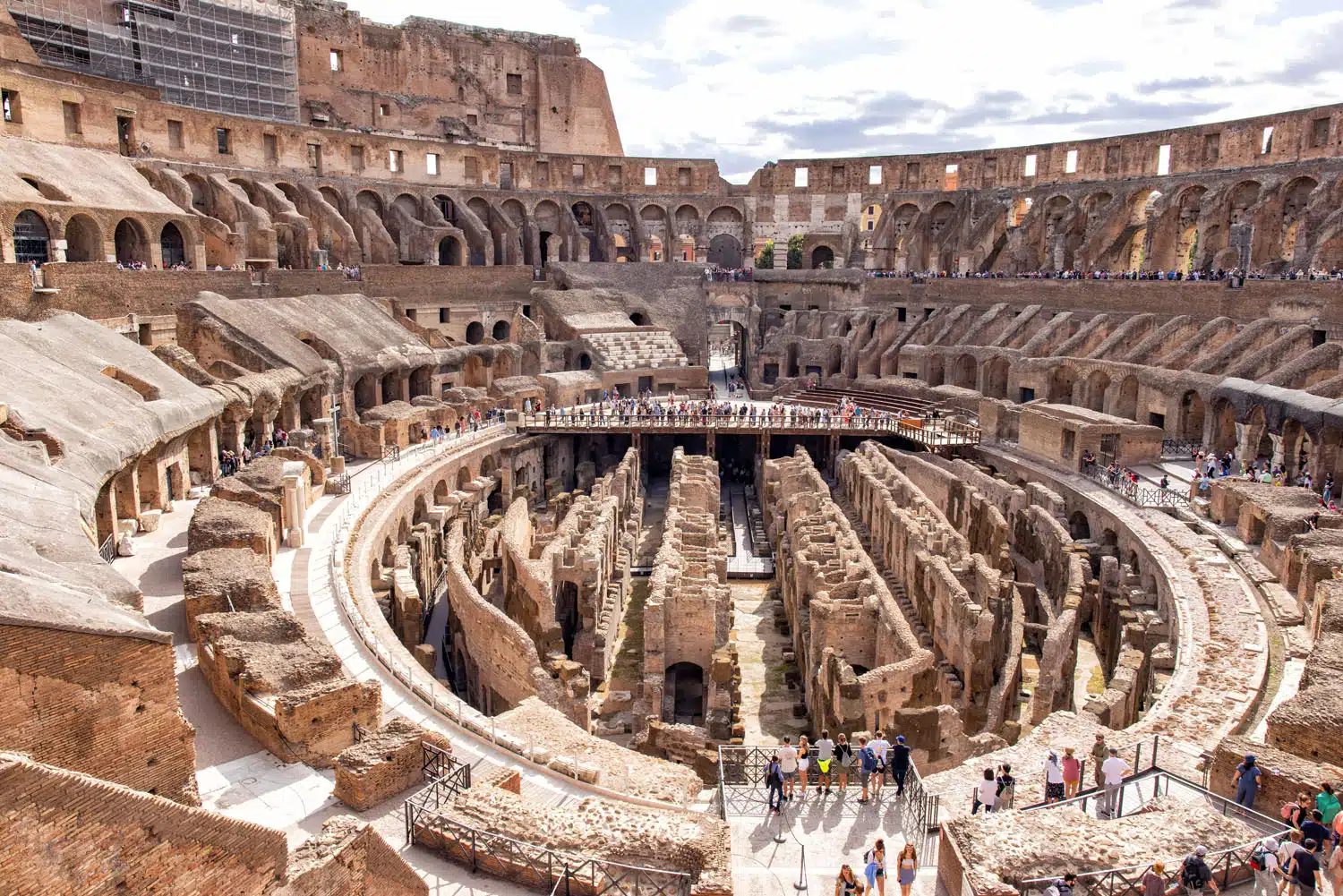
If this is your first time in Rome, this is the core historical block you should not skip. The Colosseum delivers on scale, but the wider Ancient Rome area is what gives the visit depth. Walking from the amphitheater into the Roman Forum and then up Palatine Hill makes the city feel less like ruins and more like a former empire.
Why it matters:
- The most iconic archaeological zone in the city
- Best single area for understanding Ancient Rome
- Easy to combine into one half-day with a pre-booked entry
Smart tip: Book a timed Colosseum ticket before your trip. If you are choosing one upgrade, the arena floor is usually the best value add.
| Info | Details |
|---|---|
| Best time | Early morning |
| Visit length | 3-5 hours combined |
| Best for | First-timers, history lovers, photographers |
2. Vatican Museums & St. Peter's Basilica
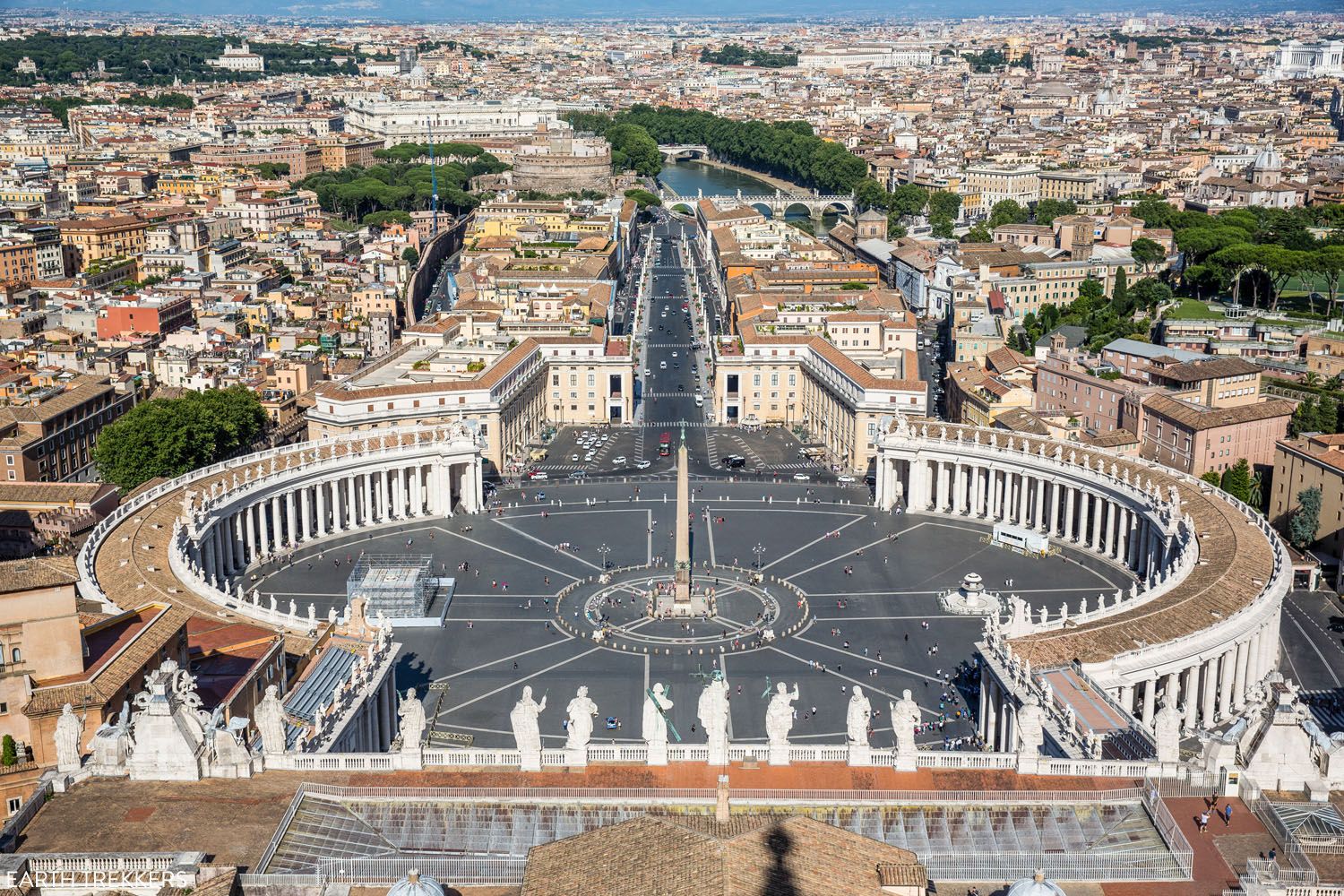
Vatican City is one of Rome's biggest time traps if you underestimate it. The museums are enormous, the lines can be brutal, and St. Peter's Basilica deserves more time than many visitors allow.
What makes this area worth the effort is the contrast: formal museum collections, monumental church interiors, and one of the most recognizable public squares in Europe.
Plan around these realities:
- Pre-book the Vatican Museums
- Go early if possible
- Avoid relying on a casual same-day St. Peter's visit during peak periods
- Be cautious with Wednesday morning planning, when papal audience timing can affect basilica access
If you want a more complete first visit, combine the Vatican with Castel Sant'Angelo and a scenic walk back toward the historic center.
3. Trevi Fountain, Pantheon & Piazza Navona
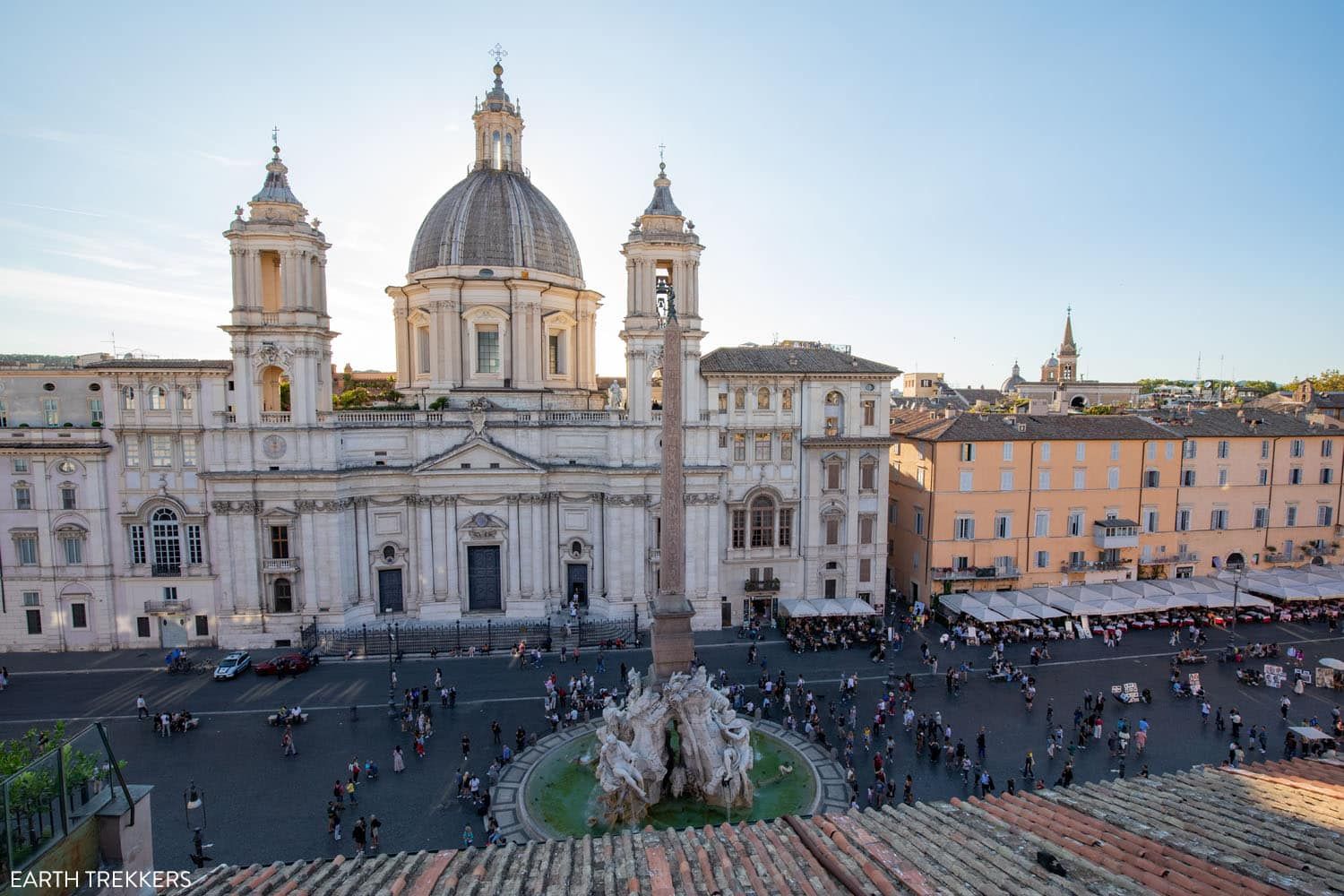
This is the Rome most first-time travelers imagine: fountains, domes, café terraces, side streets, and one beautiful square flowing into the next.
The Trevi Fountain is crowded but still worth seeing. The Pantheon remains one of the most extraordinary buildings in the city. Piazza Navona is touristy, yes, but it still works as a pause point in a walking route when you treat it as atmosphere instead of a place to linger too long over mediocre food.
Best way to do it:
- Visit Trevi Fountain early or late
- Walk to the Pantheon before lunch
- Continue through the historic core toward Piazza Navona
- Leave room for drift rather than over-scheduling every stop
This part of Rome works best when you allow some looseness. It is less about ticking sights and more about letting the city breathe.
4. Trastevere for Dinner & Evening Rome
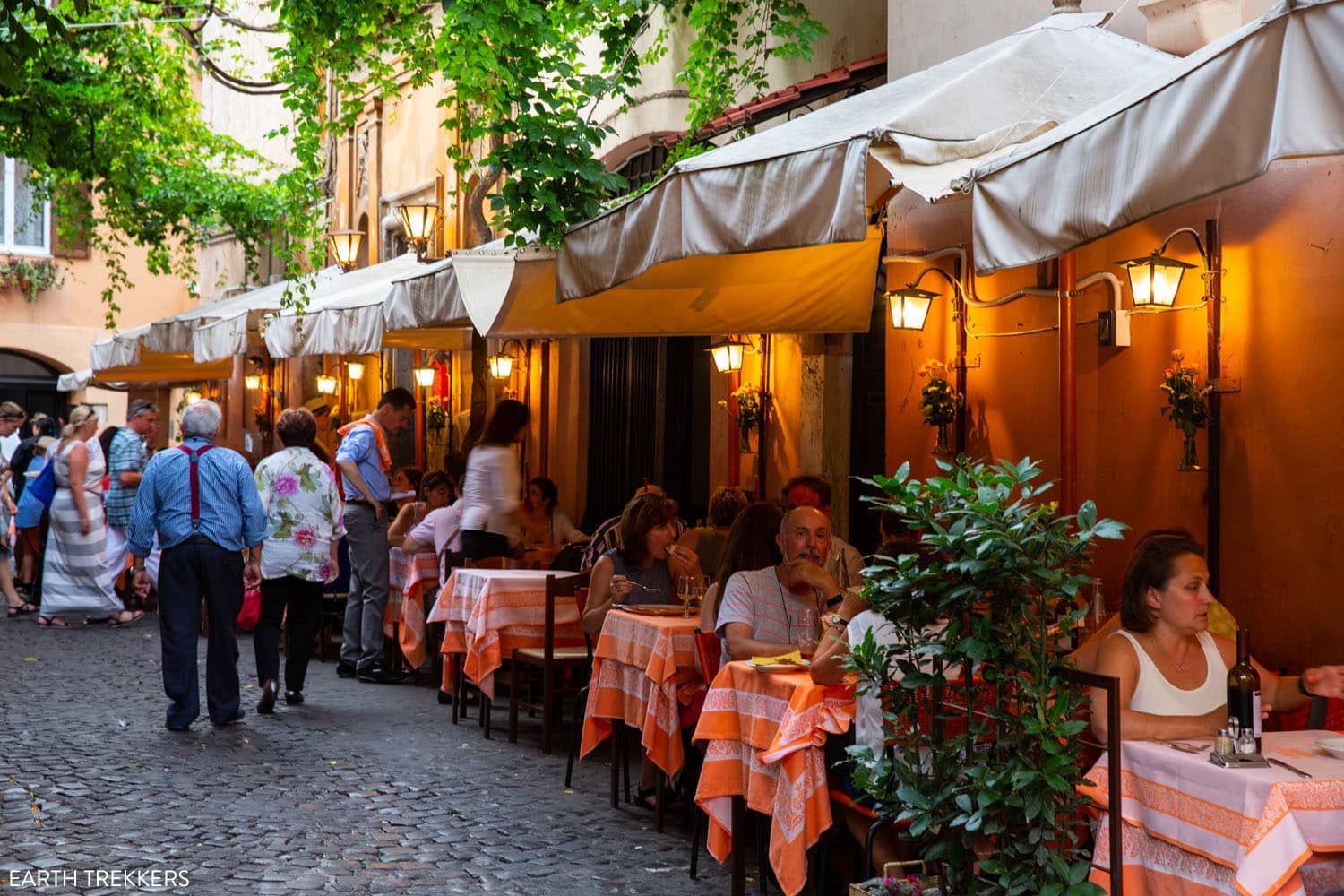
Trastevere is where many travelers finally feel the city relax. It is lively without feeling too formal, photogenic without trying too hard, and one of the easiest neighborhoods for a satisfying evening.
Come here for:
- Narrow cobbled streets and a more local-feeling rhythm
- Better dinner energy than the monument-heavy core
- Aperitivo, pasta, wine bars, and casual wandering
- A softer, more atmospheric version of Rome after dark
If you only have one evening neighborhood to prioritize, Trastevere is a strong pick.
5. Rooftop Views, Sunset Spots & Rome from Above
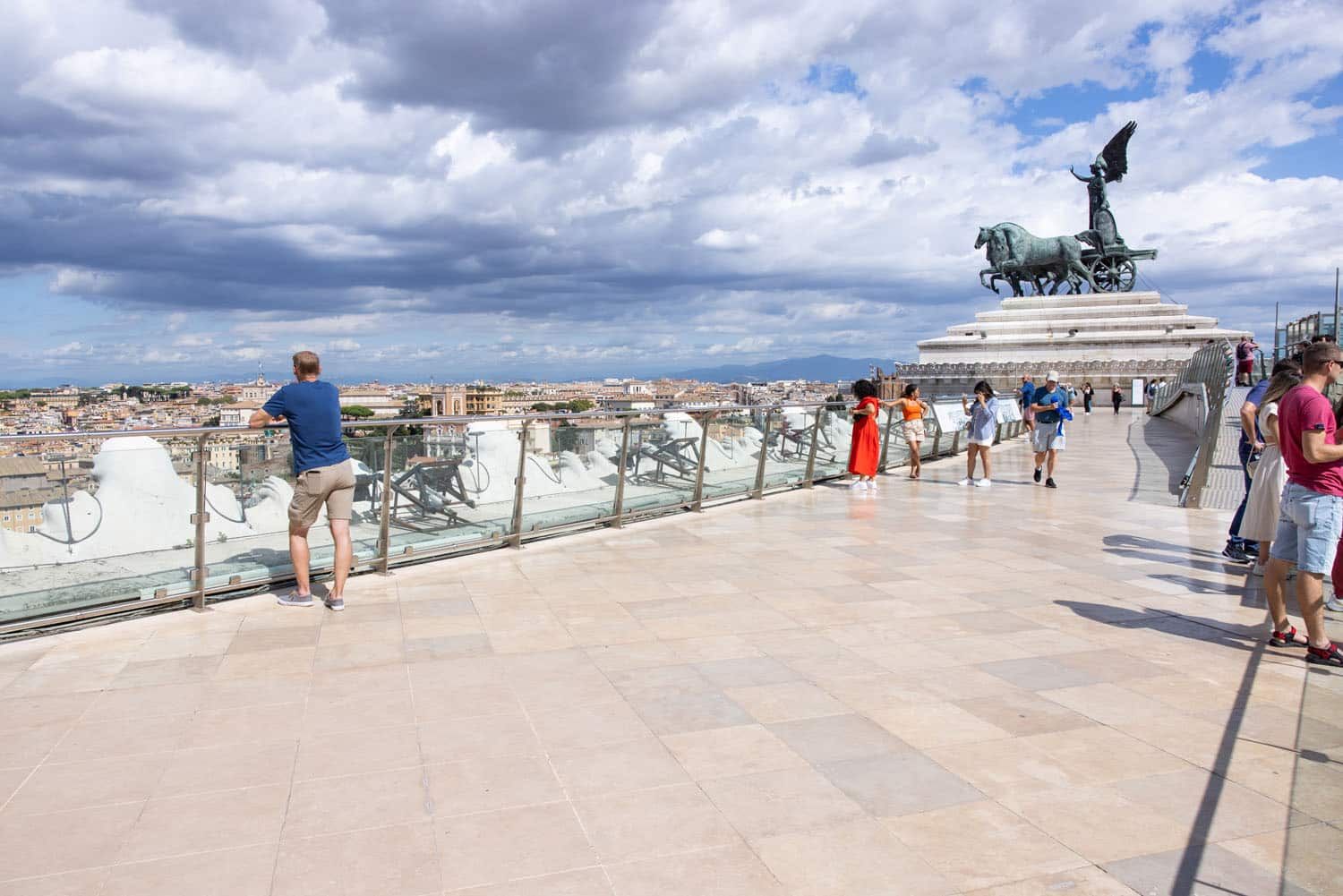
Rome becomes even better once you stop seeing it only at street level. Viewpoints help the city make sense.
Strong picks include:
- Altar of the Fatherland for a central panorama
- St. Peter's dome for the classic Vatican view
- Palatine Hill viewpoints over the Roman Forum
- Rooftop bars near Piazza Venezia or the Pantheon for a slower sunset hour
Rome is one of Europe's best aperitivo cities when you combine drinks with a view.
How to Get Around Rome
Airport to City Options
| Airport | Best Option | Time | Notes |
|---|---|---|---|
| FCO | Leonardo Express to Termini | ~32 min | Fastest rail option for central arrivals |
| FCO | Taxi | ~40-60 min | Best with luggage or late arrivals |
| CIA | Shuttle bus | ~40-60 min | Usually the simplest public option |
| CIA | Taxi | ~30-50 min | Convenient but pricier than bus |
Local Transport Strategy
Rome's historic core is far more walkable than its transport map suggests.
Best approach for most travelers:
- Walk between sights in the center
- Use the Metro mainly for longer jumps such as Termini, Colosseo, Ottaviano, or Spagna
- Use taxis when crossing the river late or when your feet are done for the day
- Do not rely on buses to save time unless you already know your route
Practical tips:
- Wear shoes that can handle stone streets
- Download offline maps
- Keep valuables secure in crowded areas and on transport
- Build one or two seated breaks into each day, especially in summer
Best Areas to Stay in Rome
Choosing your base well matters more than squeezing hotel price alone.
| Area | Why Stay Here | Best For |
|---|---|---|
| Historic Center / Navona / Pantheon | Walkable, atmospheric, central | First-timers who want convenience |
| Monti | Stylish, good food, close to Ancient Rome | Couples, repeat walkers, city-break travelers |
| Prati | Cleaner layout, easier Vatican access | Travelers who prefer calmer streets |
| Trastevere | Best evening atmosphere | Food-focused travelers, second-time visitors |
| Termini / Esquilino | Better value and transport links | Budget travelers who prioritize price |
Best pick for a first visit
The historic center is the strongest all-round base. It is not the cheapest, but it saves time and energy every single day.
Better-value compromise
If central boutique rates feel too high, Monti is the smartest balance between character, food, and access.
Area to think twice about
Termini is practical, but many first-timers find it less atmospheric than the neighborhoods they pictured when booking a Rome trip.
What to Eat in Rome
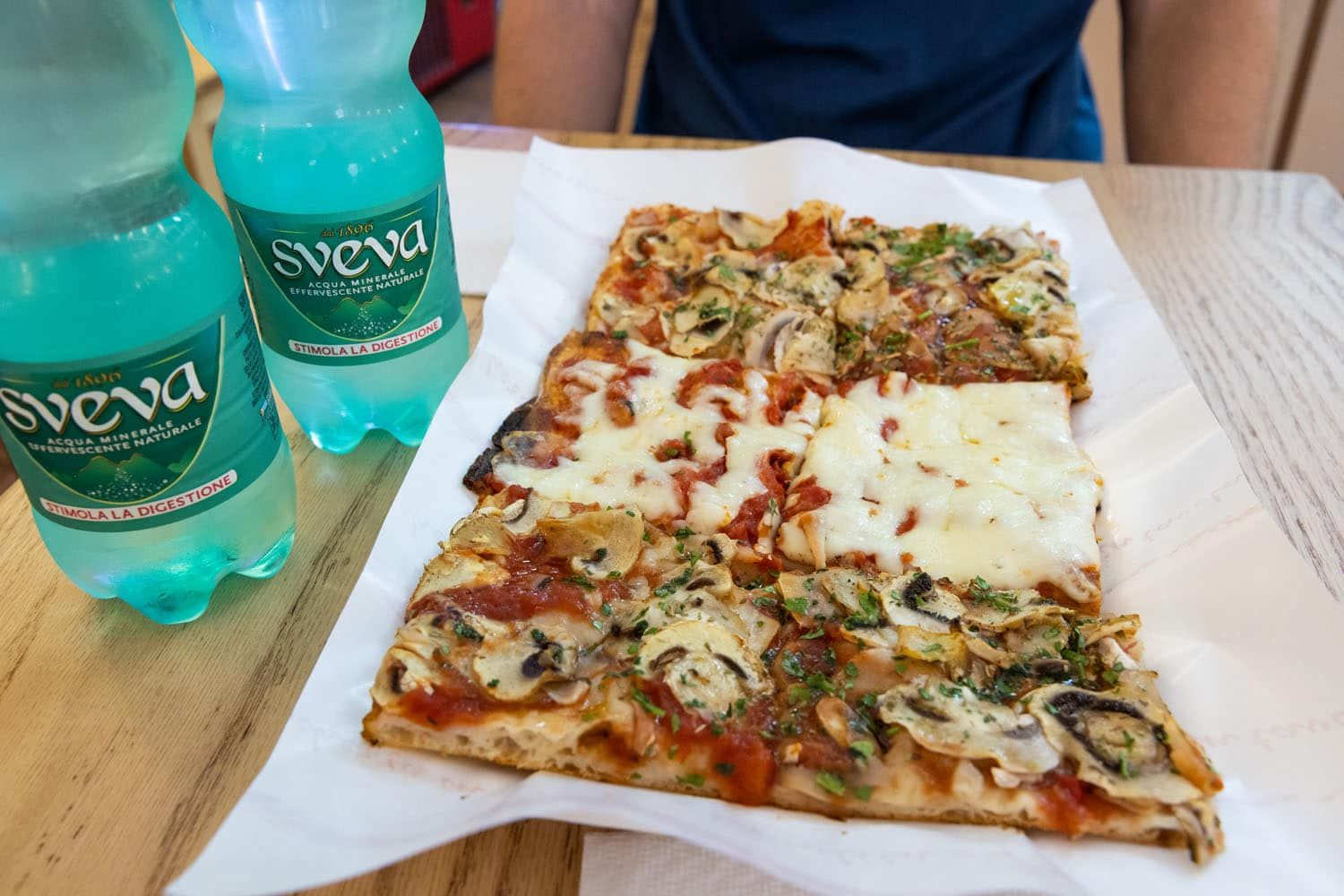
Rome is one of the easiest major European capitals for eating well without overcomplicating it.
Classic things to try
- Cacio e pepe
- Carbonara
- Amatriciana
- Supplì
- Pizza al taglio
- Artichokes when in season
- Gelato from a place that looks busy for the right reasons, not just photogenic
Food strategy that actually works
- Eat pizza al taglio or sandwiches for lunch when sightseeing hard
- Save your longer sit-down meal for dinner
- Avoid eating directly on the most famous squares unless reviews are genuinely strong
- In tourist-heavy areas, walk one or two streets away before choosing a table
Great food neighborhoods
- Trastevere for dinner energy
- Monti for casual date-night vibes
- Centro Storico side streets for convenient first-night dining
A Smart 3-Day Rome Itinerary
Day 1: Ancient Rome + Monti or Trastevere
Morning: Colosseum, Roman Forum, Palatine Hill
Afternoon: Capitoline area, Piazza Venezia, Altar of the Fatherland
Evening: Aperitivo or dinner in Monti or Trastevere
This is the day to do your biggest historical block while your legs and energy are still strong.
Day 2: Vatican + Historic Core
Morning: Vatican Museums, Sistine Chapel, St. Peter's Basilica
Afternoon: Castel Sant'Angelo, bridge views, scenic walk toward Piazza Navona
Evening: Pantheon area, Trevi Fountain after dark, rooftop drinks if you still have energy
This is your most scheduling-sensitive day, so pre-booking matters.
Day 3: Rome at a Slower Pace
You have options depending on your style:
Classic first-timer version:
- Borghese Gallery and gardens
- Spanish Steps area
- More time in the historic center
- Final shopping, coffee, and one more long dinner
History-heavy version:
- Appian Way
- Catacombs
- Baths of Caracalla or another deeper-cut site
Easygoing version:
- Sleep in
- Long lunch
- One museum or church
- Sunset viewpoint and a final aperitivo
Rome does not need to be maxed out to feel successful.
Budget Reality
| Style | What to Expect |
|---|---|
| Budget | €70-120/day if you stay simple and book ahead |
| Mid-range | €110-220/day with a comfortable hotel and proper dinners |
| Higher-end | €250+/day once you add prime-location hotels and more guided touring |
Easy ways to keep Rome from getting too expensive
- Book major timed entries early
- Use lunch for cheaper local staples instead of full restaurant meals
- Stay central enough to cut transport costs
- Skip expensive "all-in-one" passes unless they clearly match your plan
Best Time to Visit Rome
Spring and early summer
The sweet spot for many travelers. Long days, strong atmosphere, and generally better walking weather.
Autumn
Excellent for city breaks. Still lively, usually more comfortable than peak summer, and great for food-first travel.
High summer
Rome is still powerful in summer, but heat and crowds change the experience. Midday pacing matters a lot more.
Winter
Cooler, less crowded, and often better value. Not as cinematic every day, but great for travelers who care more about museums and food than postcard weather.
FAQ
How many days do I need in Rome?
Three full days is the sweet spot for a first trip. Two days works for highlights only. Four or more gives you breathing room.
Is Rome good for first-time Europe travelers?
Yes. It is busy and sometimes chaotic, but the payoff is huge. Few cities deliver this much history, food, and visual drama in one trip.
Do I really need to book things in advance?
Yes for the Colosseum and Vatican Museums, especially in peak months.
Which airport is better for Rome?
Fiumicino is generally easier for most international visitors.
You May Also Like
Source: Earth Trekkers Rome guides
Primary source: https://www.earthtrekkers.com/3-days-in-rome-itinerary/
Supporting sources: https://www.earthtrekkers.com/best-things-to-do-in-rome/ · https://www.earthtrekkers.com/where-to-stay-in-rome-best-hotels/ · https://www.earthtrekkers.com/where-to-eat-in-rome/