Porto Travel Guide 2026: River Views, Port Cellars, Tilework & Easy Day Trips
Published: May 17, 2026
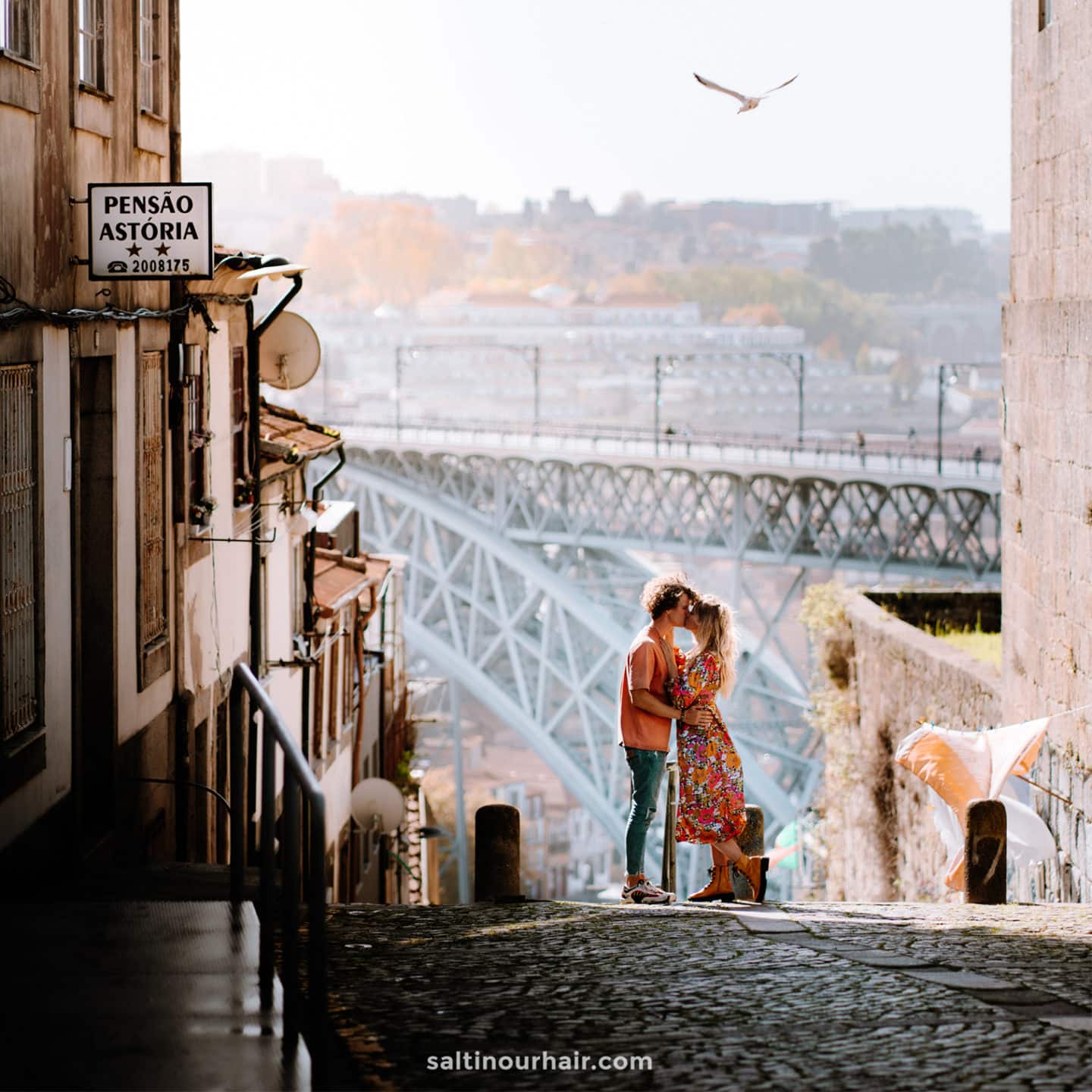
Porto is the kind of city that wins people over without trying too hard. It has steep lanes, tiled churches, old bookstores, riverfront terraces, famous port lodges, and one of the most photogenic urban skylines in Europe. Compared with bigger capitals, Porto feels more compact, more manageable, and often more affordable — which makes it a great pick for first-time Portugal travelers, couples, and anyone planning a short Europe city break with real character.
This guide covers Porto’s essential sights, the neighborhoods worth staying in, what to eat, how to get around, when to go, and a practical 3-day itinerary with easy day-trip options.
Essential Info
| Category | Details |
|---|---|
| Currency | Euro (€) |
| Language | Portuguese |
| Time Zone | GMT / GMT+1 in summer |
| Airport | Francisco Sá Carneiro Airport (OPO) |
| Best Time | Apr-Jun, Sep-Oct |
| Tap Water | Safe to drink |
Good to know: Porto is smaller than Lisbon, but it is still a hill city. Distances look short on the map, yet the climbs can be surprisingly steep. Build in time for slower walks, staircase detours, and viewpoint stops.
Why Visit Porto?
Porto works especially well if you want a Europe trip that feels scenic, memorable, and practical rather than overwhelming.
What makes it special:
- Ribeira’s riverfront charm with colorful facades and terrace dining
- Iconic bridges and viewpoints over the Douro
- Azulejo tilework at churches and stations across the city
- Historic bookstores and grand halls with real old-world character
- Port wine culture in Vila Nova de Gaia just across the river
- Easy add-ons like the Douro Valley, Guimarães, and Braga
Porto also has a strong “slow travel” quality. It is a city that rewards wandering, café breaks, and golden-hour viewpoints rather than rushing from landmark to landmark.
Top Attractions in Porto
1. Ribeira & Cais da Ribeira
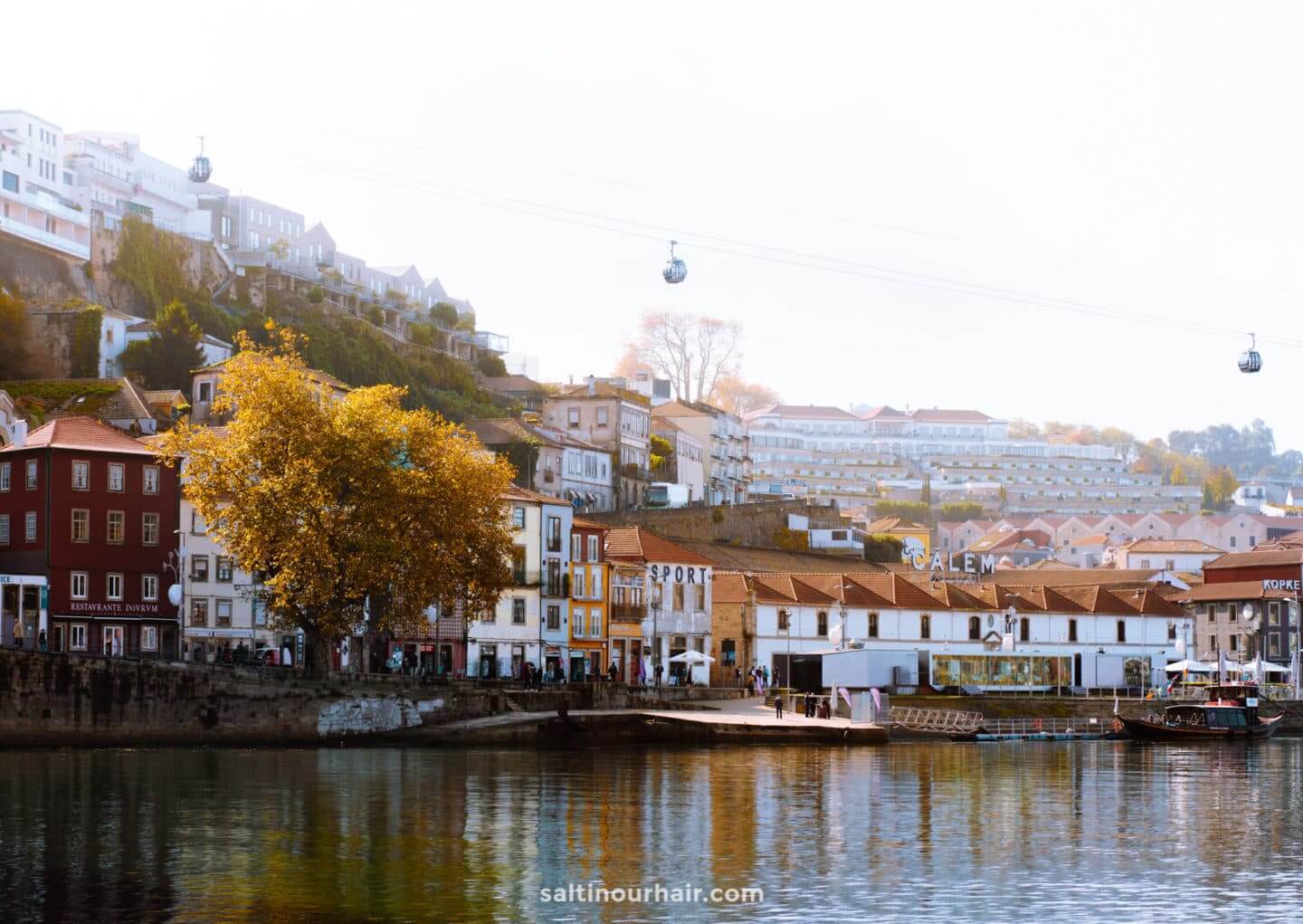
Ribeira is the postcard Porto most travelers imagine first: colorful old houses, restaurant terraces, street musicians, and constant views of the Douro.
Why go:
- Best first impression of Porto
- Easy river walk with classic photo angles
- Great base for sunset, people-watching, and boat views
Tip: Go once in the morning and again at sunset. The area feels completely different depending on the light.
2. Dom Luís I Bridge
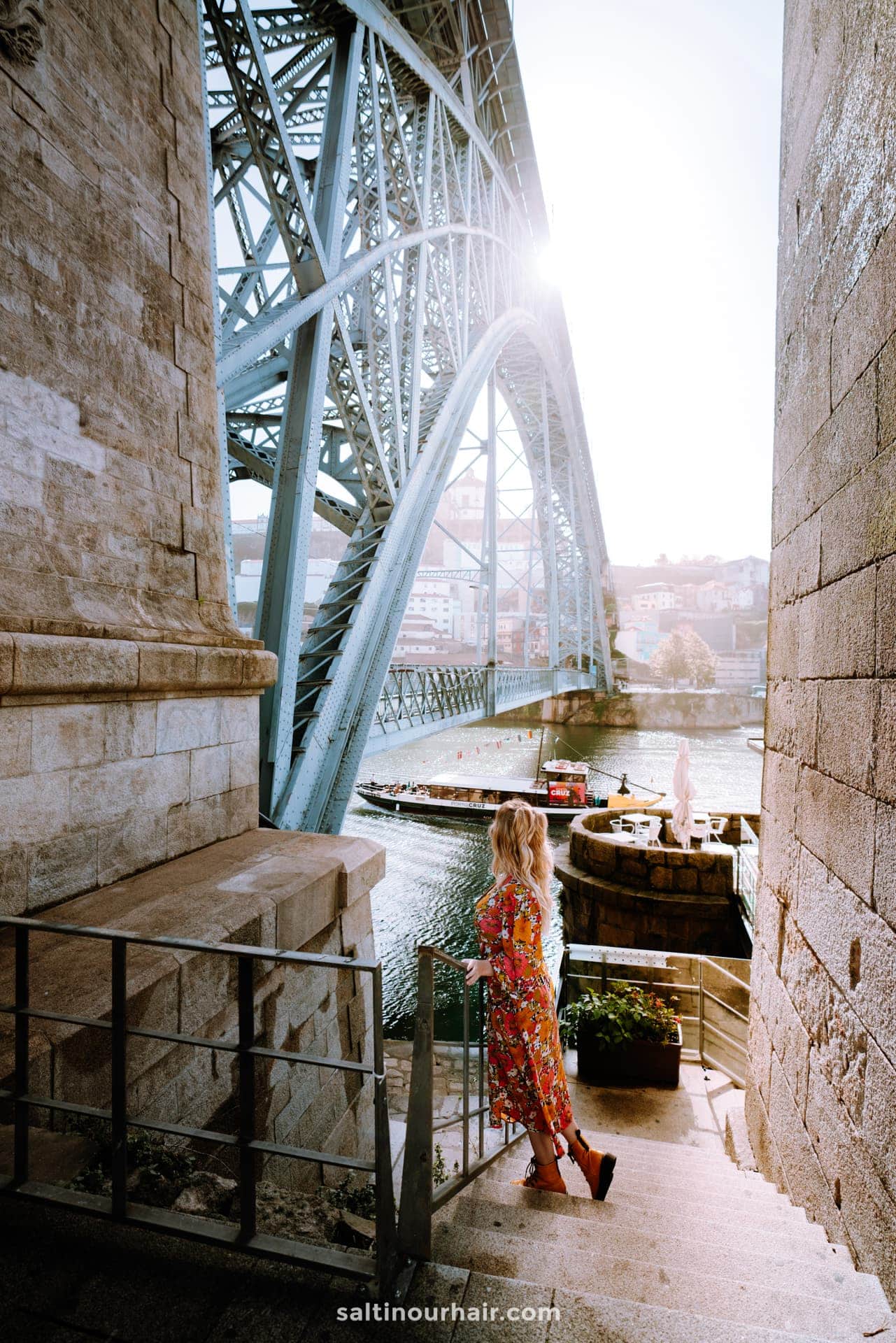
The city’s defining structure and one of the best places to understand Porto’s geography.
Why it matters:
- Connects Porto with Vila Nova de Gaia
- Gives you dramatic river and skyline views
- Upper and lower levels create two different experiences
Best move: Walk the upper level around golden hour, then head down toward Gaia for riverfront wine bars or a port tasting.
3. Porto Cathedral (Sé do Porto)
Perched high above the river, Porto Cathedral is one of the city’s most important historic anchors.
Why go:
- One of Porto’s strongest skyline landmarks
- Great starting point for the upper old town
- Good mix of religious architecture, cloisters, and city views
It pairs naturally with nearby lanes, stairways, and quieter corners of the old center.
4. São Bento Station
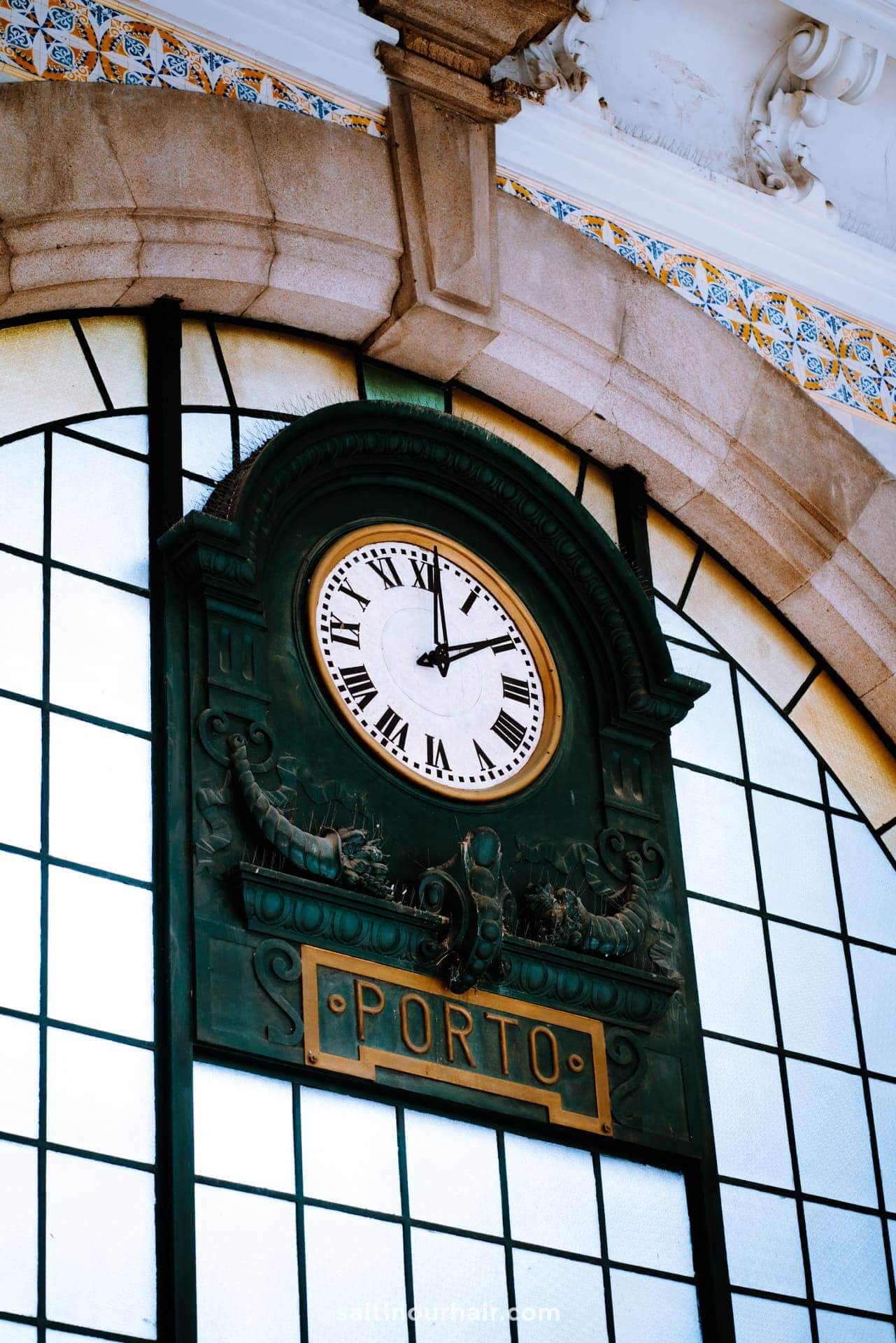
Even if you never board a train here, São Bento is still a must-see. The station interior is covered with famous blue-and-white tile panels that tell stories from Portuguese history.
Why go:
- One of Porto’s signature interiors
- Easy stop in the historic center
- A quick but memorable highlight for first-timers
Tip: Visit early or later in the day if you want cleaner photos and fewer crowds.
5. Livraria Lello

Porto’s most famous bookstore is dramatic, theatrical, and extremely popular. Whether or not you care about the Harry Potter connection, it is still one of the city’s best-known interiors.
Why go:
- Neo-Gothic design and sweeping staircase
- One of the most famous bookstores in Europe
- Easy to combine with Clérigos Tower and nearby cafés
Important: Book ahead and expect lines. This is one of the few Porto sights where pre-planning really helps.
6. Clérigos Tower & Upper-City Viewpoints
Clérigos Tower is one of Porto’s most recognizable landmarks and one of the best urban lookouts in the city.
Why go:
- Panorama over terracotta roofs and the river
- Great way to understand Porto’s layered cityscape
- Easy to combine with Livraria Lello and Carmo Church
If you do not want a tower climb, Porto still gives you plenty of natural viewpoints from terraces and hilltop streets.
7. Igreja do Carmo & Porto’s Tile Facades
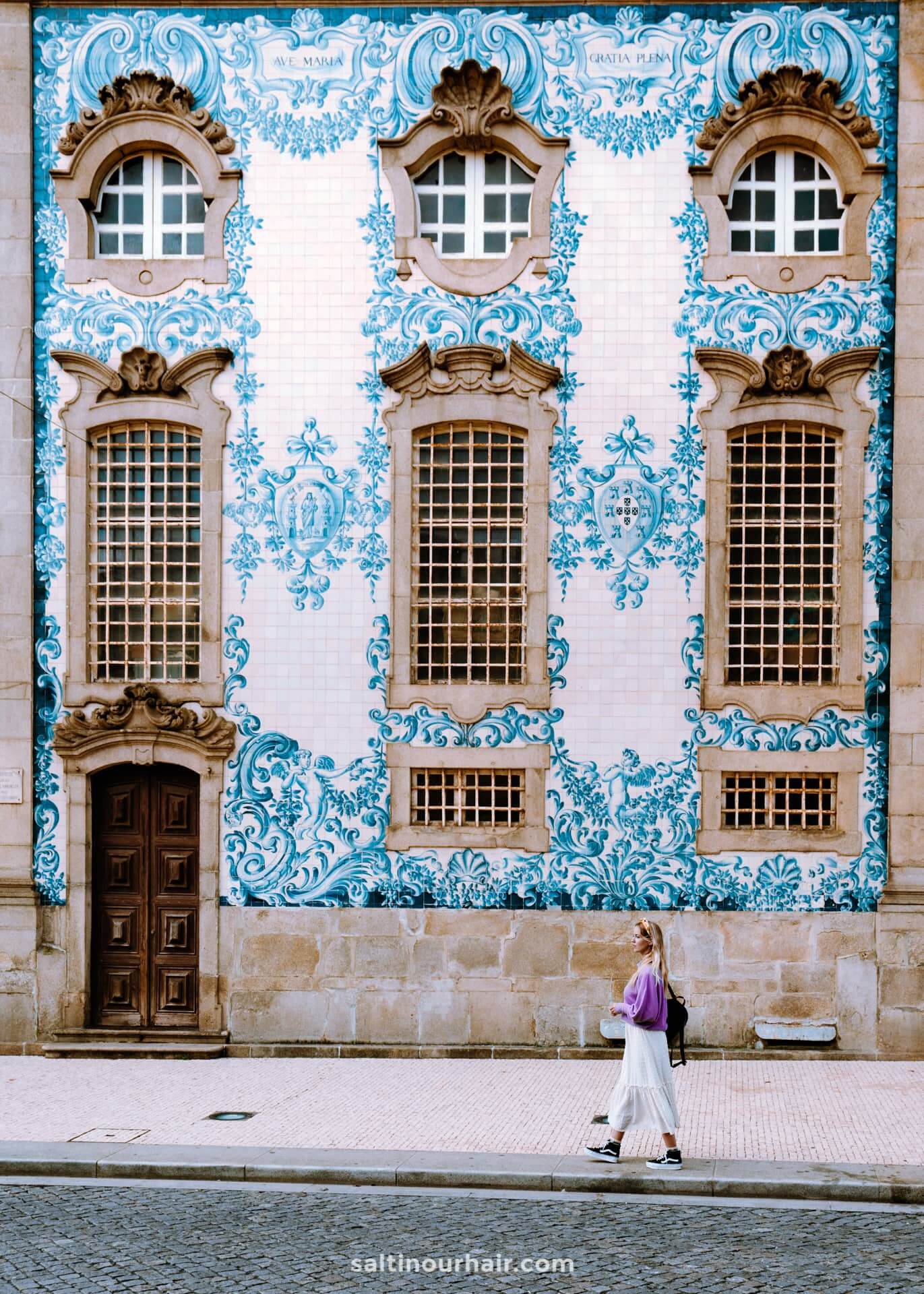
Porto’s azulejo tradition is one of the city’s clearest visual signatures. Igreja do Carmo is one of the easiest places to appreciate it.
Why go:
- Huge tiled exterior wall
- Strong photo stop near central sights
- A quick, high-impact architecture stop
If you enjoy details more than monuments, Porto’s tiled churches and facades may become your favorite part of the city.
8. Palácio da Bolsa & São Francisco Area
For travelers who like architecture and history, this cluster is worth your time.
Why go:
- Grand 19th-century civic architecture
- Strong contrast to Porto’s outdoor street scenes
- Easy pairing with Ribeira and the riverside
This part of town works well in the middle of a slower sightseeing day.
9. Vila Nova de Gaia Port Lodges
Across the bridge, Gaia gives you one of Porto’s essential experiences: port wine tastings with skyline views back toward the city.
Why go:
- Historic wine cellars and tasting rooms
- Best panoramic angle back toward Ribeira
- Great late-afternoon or evening stop
Even travelers who are not serious wine people usually enjoy Gaia because the setting is part of the experience.
10. Douro Valley Day Trip
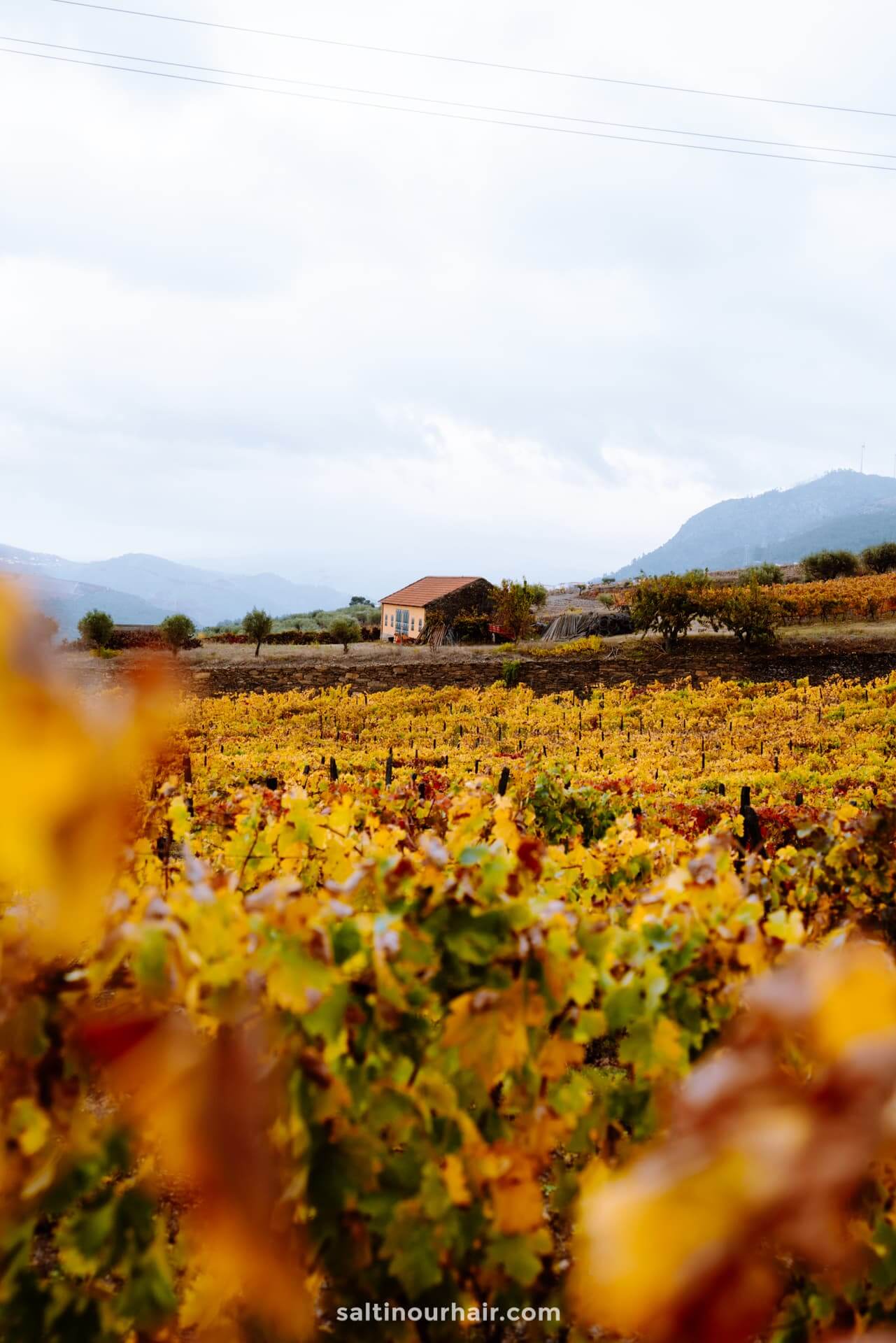
If you have an extra day, the Douro Valley is Porto’s strongest extension.
Why go:
- Terraced vineyards and river scenery
- Port and wine tasting in its home region
- A very different landscape from the city itself
This is the best day trip if you want a high-value “Portugal beyond the city” experience.
Best Areas to Stay in Porto
Ribeira
Best for: postcard views, atmosphere, first-time romance
Watch for: stairs, crowds, and pricier riverfront rooms
Baixa / Sé
Best for: central access, walkability, classic first-time stay
Watch for: some steep streets and mixed nighttime noise
Cedofeita
Best for: cafés, boutiques, a more local creative feel
Watch for: slightly less dramatic scenery than Ribeira
Boavista
Best for: wider avenues, business hotels, calmer stays
Watch for: less old-town atmosphere
Vila Nova de Gaia
Best for: river views, wine-lodge area, quieter nights
Watch for: crossing back and forth if you want nonstop old-town access
What to Eat in Porto
Porto is a great food city if you like hearty dishes, seafood, pastries, and wine culture.
| Dish / Drink | What It Is | Typical Price |
|---|---|---|
| Francesinha | Porto’s famous layered sandwich with rich sauce | €10-18 |
| Bacalhau | Salt cod, cooked in many regional styles | €12-24 |
| Grilled sardines | Classic Portuguese seafood favorite | €10-18 |
| Octopus rice / seafood rice | Comforting, rich, and shareable | €16-30 |
| Pastel de nata | Portugal’s iconic custard tart | €1.5-3 |
| Port wine | The city’s signature drink | Varies |
Food tips
- Try francesinha once, but do not make every meal that heavy.
- Seafood is often a better play than touristy “international” menus.
- Gaia tastings are fun, but a strong meal in Porto proper usually gives better city atmosphere.
How to Get Around Porto
Porto is very walkable, but the hills mean you should use transport strategically.
| Transport | Best For |
|---|---|
| Walking | Old town, Ribeira, central sightseeing |
| Metro | Airport transfers and longer city connections |
| Funicular | Avoiding one of the steepest river-to-upper-town climbs |
| Historic tram | Scenic rides rather than practical coverage |
| Uber / Bolt | Hills, late evenings, hotel-to-station convenience |
Smart strategy
- Walk the historic core.
- Use the metro for airport and outer-area moves.
- Use the funicular or ride-hailing when hill fatigue hits.
- If you plan multiple museum visits and transport rides, check whether a Porto Card makes sense.
Budget Guide
| Style | Daily Budget |
|---|---|
| Budget | €60-100 |
| Mid-range | €130-230 |
| Comfort / Premium | €260+ |
Typical hotel range
| Stay Type | Price/Night |
|---|---|
| Hostel / budget room | €20-50 |
| Budget hotel | €70-120 |
| Mid-range hotel | €130-220 |
| Boutique / upscale | €230-400+ |
Porto is not ultra-cheap anymore, but it still tends to offer better value than many major Western European city breaks.
Best Time to Visit Porto
| Season | What to Expect |
|---|---|
| Apr-Jun | Best overall mix of weather and energy ✅ |
| Jul-Aug | Warm, busy, stronger tourist crowds |
| Sep-Oct | Excellent light, good weather, slightly calmer ✅ |
| Nov-Feb | Rainier and cooler, but still atmospheric |
| Mar | Mixed weather, decent shoulder-season value |
Best overall months: May, June, September
Porto can be beautiful year-round, but winter is noticeably wetter than many travelers expect.
3-Day Porto Itinerary
Day 1 — Riverside Porto
- Start in Ribeira
- Walk the riverfront and old lanes
- Visit Porto Cathedral
- Cross the Dom Luís I Bridge
- Sunset in Gaia with a port tasting or riverfront drink
Day 2 — Tiles, Towers & Historic Interiors
- Ride or walk up to São Bento Station
- See Igreja do Carmo
- Visit Livraria Lello
- Climb Clérigos Tower if you want views
- End at Palácio da Bolsa or a slow dinner in the center
Day 3 — Choose Your Style
Option A: Classic Porto city day
- Jardins do Palácio de Cristal
- Café stop in Cedofeita
- Market / shopping time
- Return to your favorite viewpoint at golden hour
Option B: Douro Valley day trip
- Wine estates
- River scenery
- A slower, more landscape-driven Portugal day
Best Day Trips from Porto
1. Douro Valley
Best for: wine, scenery, countryside contrast
Why go: Porto’s strongest premium day trip and one of Portugal’s most memorable landscapes
2. Guimarães
Best for: medieval atmosphere and Portuguese history
Why go: often called the birthplace of Portugal, with a charming historic center
3. Braga
Best for: churches, old streets, a slower northern Portugal city
Why go: easy cultural add-on if you want more than one urban stop in the north
Practical Tips
✅ Book Livraria Lello in advance
✅ Walk the upper deck of Dom Luís I Bridge near sunset
✅ Wear proper shoes — Porto is all about hills and stone streets
✅ Do not overpack your day with too many up-and-down crossings
✅ Consider staying central if you only have 2-3 days
✅ Leave time for Gaia even if you are not a big wine traveler
⚠️ Main mistake: treating Porto like a flat checklist city. The best moments often come from slower walks, viewpoints, and river breaks.
FAQ
How many days do I need in Porto?
2 full days is enough for the highlights, but 3 days is the sweet spot if you want a more relaxed pace or a Douro day trip.
Is Porto better than Lisbon?
They are different. Lisbon is bigger and broader; Porto is more compact, moodier, and easier to cover on a short trip.
Is Porto expensive?
It is no longer a bargain-basement city, but it still offers solid value compared with many Western European capitals.
Is Porto good for first-time Europe travelers?
Yes. It is scenic, manageable, very walkable, and strong on food, architecture, and atmosphere.
Do I need a car in Porto?
No. For the city itself, walking and public transport are enough. A car only starts to make sense for more flexible countryside touring.
You May Also Like
Sources: Salt in our Hair, Nomadic Matt