Croatia Travel Guide 2026: Coastlines, Old Towns, National Parks & Smart Itinerary Planning
Published: May 15, 2026
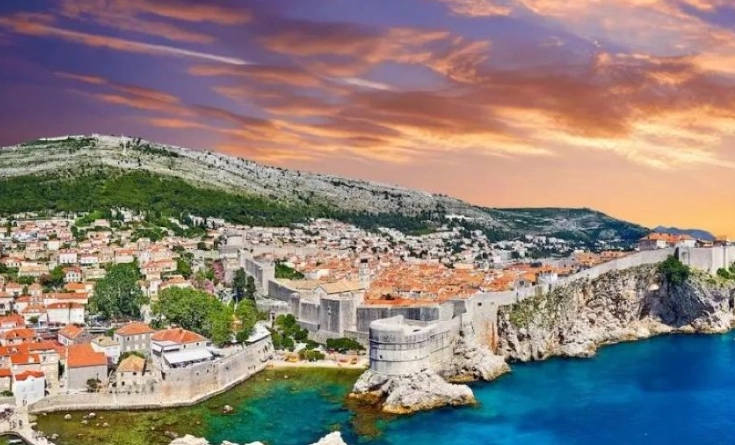
Croatia is one of Europe’s most rewarding first-time Mediterranean destinations. You get dramatic Adriatic coastlines, fortified old towns, island-hopping, waterfalls, Roman ruins, and much better value than many classic Western European beach destinations. While Dubrovnik gets most of the global attention, the real magic of Croatia is how well sea, history, food, and national parks fit into one trip.
This guide focuses on practical trip planning: when to go, how to build a 7-day or 10-day itinerary, which destinations are most worth your time, how to move between cities, where to stay, what to eat, and how to keep your budget under control.
Essential Info
| Category | Details |
|---|---|
| Currency | Euro (EUR) |
| Language | Croatian |
| Time Zone | Central European Time (CET/CEST) |
| Main Airports | Zagreb (ZAG), Split (SPU), Dubrovnik (DBV) |
| Best Time to Visit | Late May to early June, or September |
| Tap Water | Safe to drink |
| Trip Style | Great for independent travel |
Good to know: English is widely spoken in tourist areas, intercity buses are reliable, and ferry schedules are seasonal, so always verify island connections before locking your route.
Why Visit Croatia?
Croatia stands out because it gives you a lot of variety in one manageable trip.
- Historic cities like Dubrovnik, Split, Zadar, and Zagreb
- Island life around Hvar, Brač, Korčula, and smaller Adriatic islands
- Nature including Plitvice Lakes, Krka National Park, and inland mountain scenery
- Mediterranean food with strong Italian, Central European, and Balkan influences
- Better value than many more famous Mediterranean coastal destinations
It also works for many travel styles:
- First-time Europe trips
- Couples looking for old towns and sea views
- Photographers chasing red roofs, stone alleys, and island panoramas
- Active travelers who want hikes, waterfalls, ferries, and scenic drives
- Travelers who want a mix of city, coast, and nature without changing countries
Best Time to Visit Croatia
One of the biggest mistakes first-timers make is going only by postcard logic and booking July or August.
Best overall months
- Late May to early June — warm weather, lighter crowds, better hotel prices
- September — sea still warm, fewer crowds, easier logistics
What each season feels like
| Season | What to Expect |
|---|---|
| May-Jun | Pleasant weather, strong balance of value and experience ✅ |
| Jul-Aug | Peak crowds, highest prices, hottest weather |
| Sep | Excellent swimming weather, calmer old towns ✅ |
| Oct | Quieter, some seasonal closures start |
| Nov-Mar | Much quieter, but many coastal services reduce significantly |
If you want beautiful coastlines without paying top summer prices, June and September are the sweet spot.
Classic 7-Day Croatia Itinerary
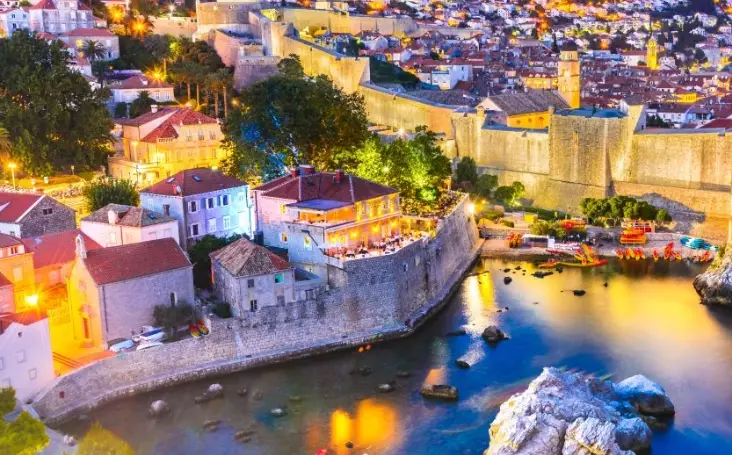
This route is best for travelers who want the biggest highlights without trying to do everything.
| Day | Plan | Overnight |
|---|---|---|
| Day 1 | Arrive in Dubrovnik, settle in, evening walk around the old town | Dubrovnik |
| Day 2 | Dubrovnik old town walls, viewpoints, cable car or fortress views | Dubrovnik |
| Day 3 | Lokrum Island or a nearby island-hopping day trip | Dubrovnik |
| Day 4 | Bus to Split, afternoon exploring Diocletian’s Palace | Split |
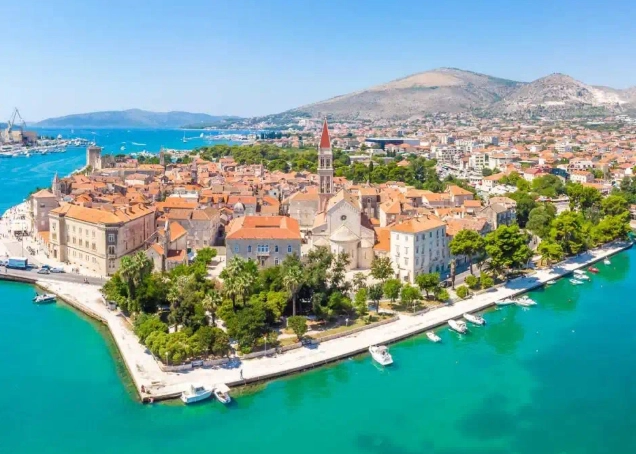
| Day 5 | Split old town + optional Trogir side trip | Split |
| Day 6 | Krka National Park day trip | Split |
| Day 7 | Final city walk, airport transfer | — |
Why this route works
- Covers Croatia’s two most famous southern city bases
- Gives you both fortified old-town atmosphere and coastal day-trip flexibility
- Easier for travelers who do not want a constantly moving hotel schedule
Main trade-off
You miss northern Croatia and Plitvice Lakes, so this is a highlights-first route rather than the most complete first-timer itinerary.
Classic 10-Day Croatia Itinerary
This is the stronger first-trip route if you want a more complete Croatia experience.
Days 1-2: Zagreb
Start in the capital. Zagreb is not the star of the country, but it is a convenient and easy place to land, recover from travel, and explore a compact old-town atmosphere.
Days 3-4: Plitvice Lakes National Park
Take a bus from Zagreb and stay nearby for one night if possible. This helps you enter early before day-trip crowds arrive.
Day 5: Zadar
Head to the coast for sunsets, the Sea Organ, and a relaxed old-town waterfront.
Days 6-7: Split
Explore Diocletian’s Palace, the old stone lanes, and use Split as a base for ferry trips or nearby coastal excursions.
Days 8-10: Dubrovnik
Finish with Croatia’s most famous city. Give it enough time: it deserves more than a rushed day trip.
Why this route works so well
- Balances capital / inland / coast / iconic old town
- Gives you Croatia’s most famous natural landscape and its best-known city experience
- Lets your trip build in drama from calmer urban arrival to stronger coastal finale
Top Places to Visit in Croatia
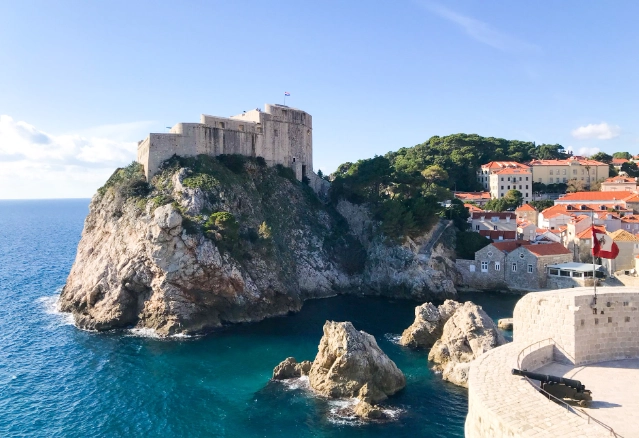
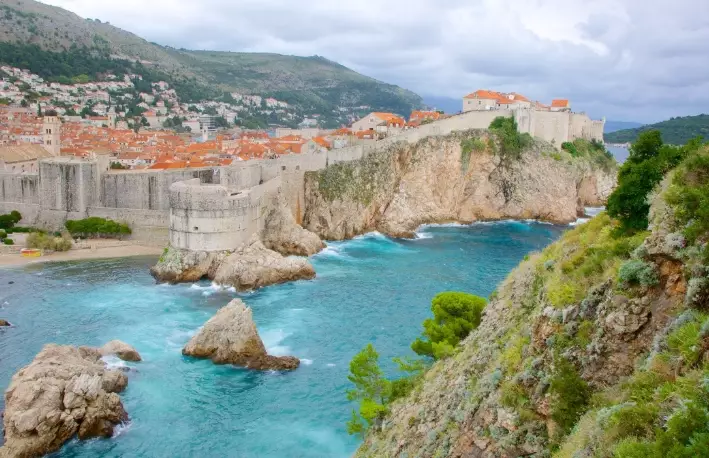
1. Dubrovnik Old Town & City Walls
Croatia’s best-known destination, and for good reason.
Why it matters:
- One of the most visually striking historic coastal cities in Europe
- Strong fortress, sea, and rooftop views
- Excellent for walking, photography, and first-time orientation
Best strategy:
- Walk the walls early or late in the day
- Wear proper shoes; the stone steps are uneven
- Bring water, especially in warm weather
Don’t miss:
- Fort Lovrijenac views
- The sea-facing sections of the walls
- Sunset over the Adriatic
2. Plitvice Lakes National Park
One of Europe’s great waterfall-and-lake landscapes.
Why go:
- Turquoise lakes, wooden walkways, layered waterfalls
- A completely different side of Croatia from the coast
- Excellent contrast if your trip otherwise focuses on old towns and beaches
Tip: If your schedule allows, stay nearby instead of doing a same-day in-and-out rush. Early entry changes the experience.
3. Split & Diocletian’s Palace
Split is not just a stopover. It is one of the country’s best city bases.
Why go:
- Roman history integrated into a still-living city core
- Great restaurant scene
- Convenient ferry and day-trip hub
- Lively but easier-going than Dubrovnik
Best way to experience it: Get slightly lost inside the palace complex. That is where Split becomes memorable.
4. Zadar Waterfront
Zadar is often underrated by first-timers, which is exactly why it works so well.
Why go:
- Beautiful west-facing sunsets
- Sea Organ and Greeting to the Sun installations
- Smaller-scale old-town experience with less pressure than Dubrovnik
This is a strong stop for travelers who want atmosphere without the full tourist crush.
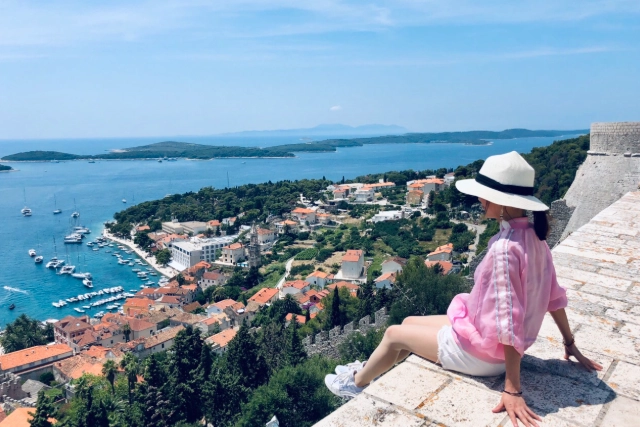
5. Hvar Island
If you want one signature Croatian island experience, Hvar is the classic choice.
Why go:
- Harbor views, stone lanes, and hilltop panoramas
- Easy day-trip or overnight extension from Split
- A mix of elegance, beaches, and nightlife
Good to know: Prices can be higher than on the mainland, especially in peak season.
What to Eat in Croatia
Croatian food changes by region.
- Along the coast: seafood, olive oil, grilled fish, octopus, black risotto
- Inland: meat dishes, soups, stews, schnitzel-style plates, cheese, and hearty comfort food
Dishes worth trying
| Dish | What It Is |
|---|---|
| Crni rižot | Black risotto with cuttlefish ink and seafood |
| Brudet | Dalmatian fish stew, often served with polenta |
| Paški sir | Pag island sheep cheese |
| Peka | Meat or seafood slow-cooked under a bell-like dome |
| Zagrebački odrezak | Zagreb-style breaded cutlet with ham and cheese |
Dining tips
- Coastal tourist centers can be expensive near the main squares
- Look a few streets back from the obvious tourist routes
- Lunch menus can be much better value than dinner pricing
- If you see peka, remember it often needs advance ordering
Where to Stay in Croatia
Dubrovnik
- Best for convenience: just outside the old town
- Best for a calmer stay: Lapad area
- Watch out for: lots of stairs if you stay inside the old town walls
Split
- Best for first-timers: around the old town / Diocletian’s Palace area
- Best for beach access: areas closer to Bačvice
Plitvice area
- Stay near the park entrances if you want the best experience and the earliest access.
Zadar and other smaller coastal stops
- Stay within walking distance of the old town if possible. It makes evenings much easier and more atmospheric.
Booking advice
Summer bookings can tighten fast. For islands and old-town stays, book early if you are traveling in peak months.
How to Get Around Croatia
Transport planning matters a lot in Croatia. Distances on the map can look small, but coast roads, seasonal ferry schedules, and border geometry can slow things down.
Intercity buses
For many travelers, buses are the backbone of a Croatia trip.
Why they work well:
- Broad coverage
- Good links between Zagreb, Split, Dubrovnik, Zadar, and Plitvice
- No parking stress in historic centers
Ferries
Essential if you want island time.
Key point: schedules change by season. Always verify times directly before travel day.
Self-drive
Driving can be excellent if you want freedom in coastal or inland stretches.
Best for:
- Flexible regional exploration
- Scenic drives
- Mixed mainland / small-town routes
Less useful for:
- Staying inside major old-town cores
- Trips focused almost entirely on Dubrovnik or Split city centers
Smart mixed strategy
A very good first-timer approach is:
- Buses for main city transfers
- Ferries for island add-ons
- Short-term car rental only if you specifically want more independence in a regional section
Sample Budget
Budget traveler
€50-70/day
- Hostel bed or simple budget stay
- Supermarket breakfasts
- Casual meals and selective sightseeing
Mid-range traveler
€80-120/day
- Private room or modest hotel
- One or two restaurant meals
- Main paid sights and some day-trip spending
Comfortable traveler
€150+/day
- Better hotels, easier transport, more activities, island upgrades
Best ways to save money
- Travel in June or September instead of peak summer
- Stay in apartments and self-cater some meals
- Book transport early when possible
- Avoid sleeping inside the most expensive old-town zones every night
Practical Tips
✅ Prioritize June or September if you can
✅ Do not underestimate travel time between stops
✅ Old-town stays are atmospheric, but luggage and stairs can be annoying
✅ For Plitvice, early arrival makes a huge difference
✅ For islands, always check the return ferry before committing
✅ Croatia works best when you do less, but better rather than trying to cover the whole country too fast
FAQ
Is Croatia good for first-time Europe travelers?
Yes. It is scenic, relatively easy to navigate, English-friendly in tourist zones, and offers both coast and culture in one trip.
How many days do I need in Croatia?
A week is enough for a highlights route. Ten days is much better for a fuller first-timer trip.
Is Croatia expensive?
It is no longer a super-cheap destination, but it is still often better value than many famous Western Mediterranean hotspots.
Should I rent a car?
Only if your route really benefits from it. For many classic first-timer city routes, buses plus ferries are easier.
Is Croatia safe?
Overall, yes. Normal tourist pickpocket awareness is enough in busy areas.
Can I combine Croatia with another country?
Yes. Common combinations include Slovenia, Bosnia and Herzegovina, or Montenegro. Just be careful not to overpack your itinerary.
Final Take
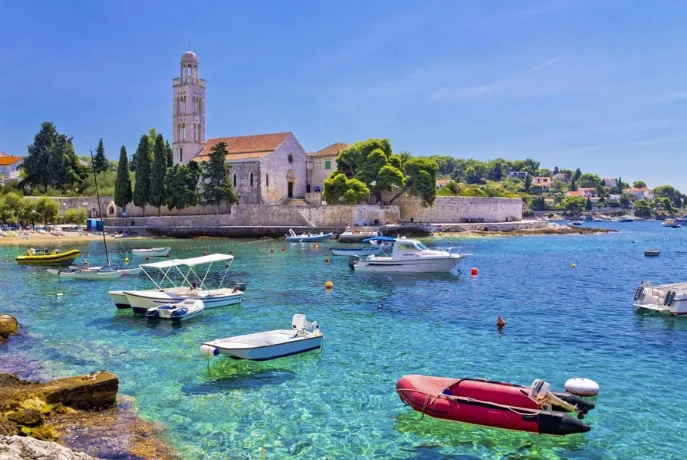
Croatia is at its best when you let it be more than a Dubrovnik photo stop. The country rewards travelers who combine at least one major historic city, one stretch of coast, and one nature stop. If you plan the route carefully and avoid the peak-season trap, Croatia can deliver one of the most balanced and memorable Europe trips for the money.
For most first-time visitors, the winning formula is simple: choose a realistic route, leave breathing room between transport days, and let the Adriatic rhythm do the rest.
Source: JamesDiscover